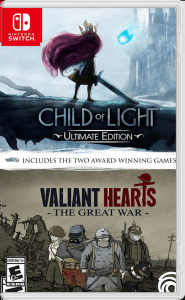
Child of Light Ultimate Edition + Valiant Hearts: The Great War SWITCH NSP
Report Link Error
Select the broken download file, then submit the report.
Screenshots
About Game
Child of Light Ultimate Edition + Valiant Hearts: The Great War SWITCH NSP brings together two Ubisoft adventures that take very different routes to emotional storytelling. Released for Nintendo Switch on May 11, 2021, this Europe, USA, and Japan collection pairs a luminous fantasy journey with a human-scale World War I drama. One follows a young princess seeking lost celestial lights; the other traces lives disrupted by war through puzzles, encounters, and survival.
Two Ubisoft Adventures in One Nintendo Switch Collection
This Ubisoft Nintendo Switch collection is defined by contrast. Child of Light Ultimate Edition is a fantasy role-playing adventure set in the mystical land of Lemuria, where Aurora travels through darkness in search of the stolen sun, moon, and stars. Its world is populated by whimsical allies and fantastical creatures, and its journey is shaped by exploration, platforming, and strategic battles.
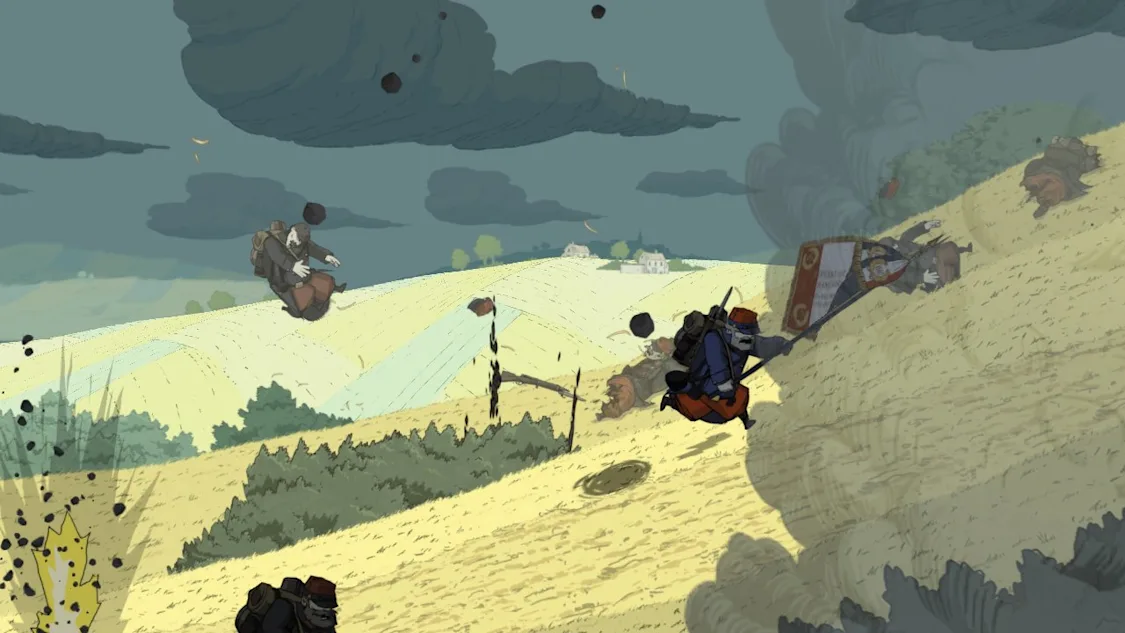
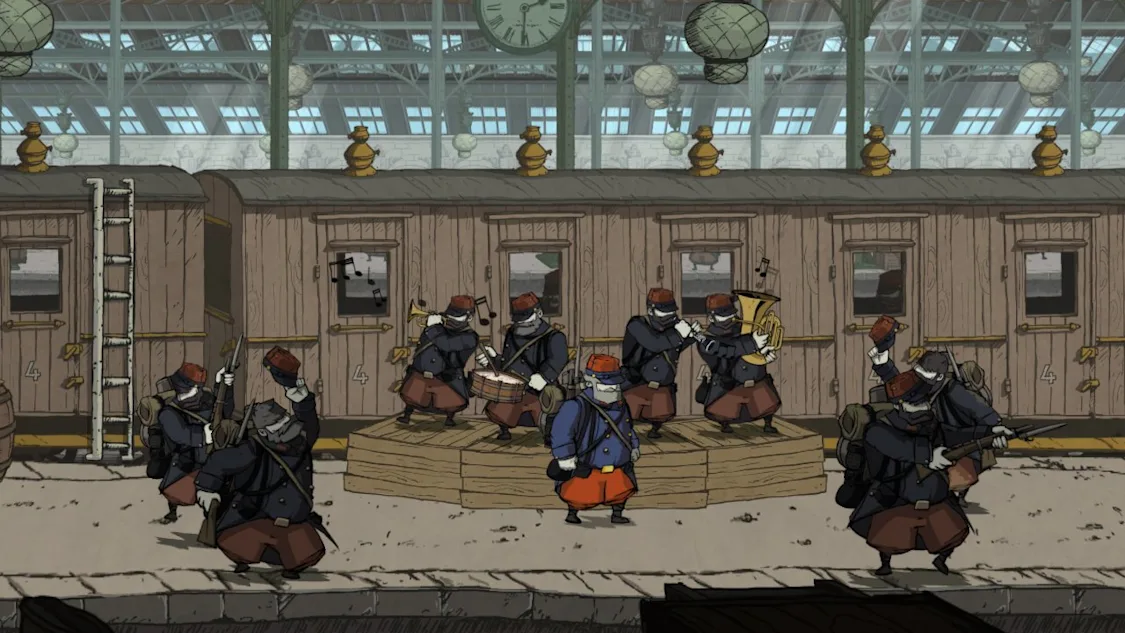
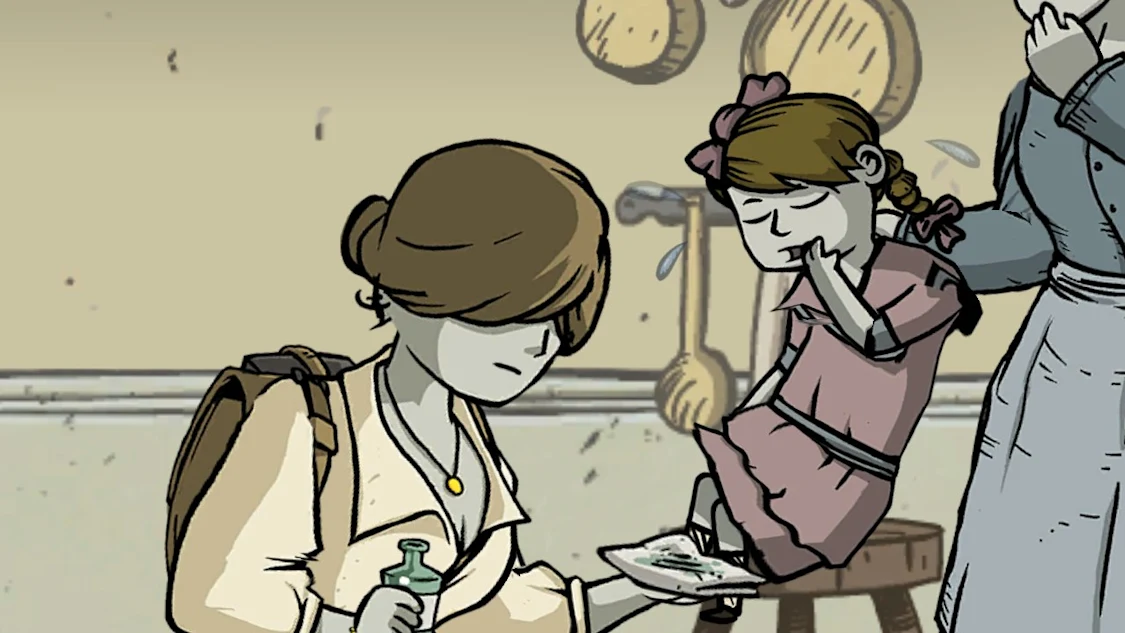
Valiant Hearts: The Great War moves into a much harsher setting: World War I. Rather than centering on a single hero, it follows several ordinary people whose paths cross amid conflict. Environmental puzzles, item use, and character interaction move its narrative forward, placing its attention on personal loss, friendship, sacrifice, and the search for loved ones.
The pairing gives the collection a broad emotional range. One game frames growth and courage as a poetic fable; the other presents war through connected personal perspectives. Their play styles are equally distinct, making the bundle less about two variations on one formula and more about two separate adventure experiences sharing a publisher.
The Poetic Fable and Hand-Drawn World of Child of Light
The Child of Light hand-drawn world supports a story with the shape of a fairy tale. Aurora, a young princess from 1895 Austria, awakens in Lemuria while her father is ill. The Queen of the Night has taken the world’s sun, moon, and stars, leaving Aurora with a task that is both grand in scale and personal in feeling: restore the light and find the strength to continue.
Its atmosphere comes from that mixture of darkness and wonder. Lemuria is not simply a battlefield between heroes and monsters; it is a fantasy realm made for wandering, discovering hidden areas, meeting unusual companions, and encountering creatures along the road. The hand-drawn presentation gives those places a storybook quality without changing the stakes of Aurora’s quest.
Child of Light platforming is light rather than punishing, serving exploration more than precision challenge. Movement through the world is tied to finding secrets and reaching new spaces, while the adventure’s visual character encourages the player to pause and look around. That sense of discovery complements the Child of Light story, which treats Aurora’s journey as a coming-of-age tale as much as a mission to reclaim stolen light.
Timing, Elemental Weaknesses, and Party Strategy in Child of Light
Behind the fable-like presentation is a combat system built around decisions. Child of Light turn-based combat asks players to pay attention to timing as well as to the opponents on screen. Elemental weaknesses matter, turning battles into opportunities to choose effective attacks instead of relying on one approach for every encounter.
Aurora does not travel alone. The allies she meets can join her party, giving the adventure a group-based strategic dimension. Different characters and abilities create room to adjust how battles are approached, while the detailed skill tree system allows Aurora and her companions to be customized around the player’s preferred strengths.
The Child of Light skill tree gives progression a practical role. Character development is not only a matter of advancing through the story; it lets players tailor abilities as the journey continues. Combined with timing and Child of Light elemental weaknesses, that system makes combat a deliberate counterpoint to the gentle appearance of the hand-drawn landscapes.
How Igniculus Supports Aurora’s Adventure
Igniculus, Aurora’s firefly companion, is central to the adventure’s balance between story and interaction. As a constant presence beside Aurora, Igniculus contributes to the sense that her quest is shared, even before the wider group of allies enters the picture.
In play, Child of Light Igniculus has several useful roles. The firefly can provide support during combat, assist with healing, and help solve environmental puzzles. This makes Igniculus more than a narrative companion: the character is part of the moment-to-moment rhythm of moving through Lemuria and managing difficult situations.
Child of Light healing adds another tactical use in battles where timing already matters. Outside combat, Child of Light puzzles connect the companion to the environment, reinforcing the game’s focus on exploration. Igniculus helps tie together systems that could otherwise feel separate: party battles, world traversal, and the search for hidden discoveries.
The Intertwined Stories of Emile, Karl, Freddie, Anna, and Walt
Valiant Hearts: The Great War approaches its subject through multiple people rather than a single central lead. Valiant Hearts Emile is a French farmer separated from his family. His story sits alongside that of Karl, a German soldier on the opposing side, showing how the war divides individuals as well as nations.
Freddie is an American volunteer driven by a desire for revenge, while Valiant Hearts Anna is a Belgian nurse. Their perspectives broaden the story’s view of the conflict, from those fighting to those caring for others amid its destruction. The five connected figures are completed by Walt, the loyal dog who accompanies them through the war-torn landscapes.
Valiant Hearts Walt is part of a narrative built around connection and endurance. Players control four distinct characters, each with unique abilities, and solve environmental problems that can involve collecting items and interacting with other characters. The 2D art style may be visually approachable, but the subject matter remains focused on the devastation of war and the personal costs carried by its characters.
5 Ways the Bundle Creates Two Distinct Adventure Experiences
- Fantasy and war: Child of Light takes place in the mystical Lemuria, while Valiant Hearts follows connected lives against the backdrop of World War I.
- Battle planning and puzzle progress: Aurora’s adventure uses turn-based combat shaped by timing and elemental weaknesses; the wartime story advances through environmental puzzles, items, and character interactions.
- Companions with different purposes: Aurora is joined by Igniculus and fantastical allies, while Valiant Hearts centers on Emile, Karl, Freddie, Anna, and Walt.
- Exploration and interaction: Light platforming, secrets, and hand-drawn spaces shape Lemuria, whereas war-torn environments ask players to work through obstacles tied to the narrative.
- Growth and human drama: Aurora’s fable concerns inner strength and restoring light, while the other game explores love, sacrifice, friendship, survival, and separation during war.
For players looking for Nintendo Switch adventure games with markedly different tones, Child of Light Ultimate Edition + Valiant Hearts: The Great War SWITCH NSP offers a fantasy role-playing journey alongside a puzzle-driven wartime narrative. Its supported languages include English, Japanese, French, German, Italian, Spanish, Dutch, Portuguese, Russian, and Chinese, making its two Ubisoft stories available across a wide range of language options.