Sifu Switch NSP XCI

Report Link Error
Select the broken download file, then submit the report.


Screenshots

About Game
Sifu Switch NSP XCI refers to SLOCLAP’s martial-arts action game on Nintendo Switch, released on November 8, 2022. Built around close-quarters kung fu combat and a personal search for vengeance, it asks players to sharpen both their reflexes and their understanding of each encounter. Its demanding fights are not simply obstacles between story scenes; they are the language through which the journey unfolds.
Sifu on Nintendo Switch: Release Details and Platform Scope
Sifu Nintendo Switch arrived on November 8, 2022, with SLOCLAP serving as both developer and publisher. Classified in the Action and Fighting genres, the game is listed for Europe, USA, Asia, and Japan. Its language support includes English, French, German, Italian, Japanese, Korean, Portuguese, Russian, Chinese, and Spanish.
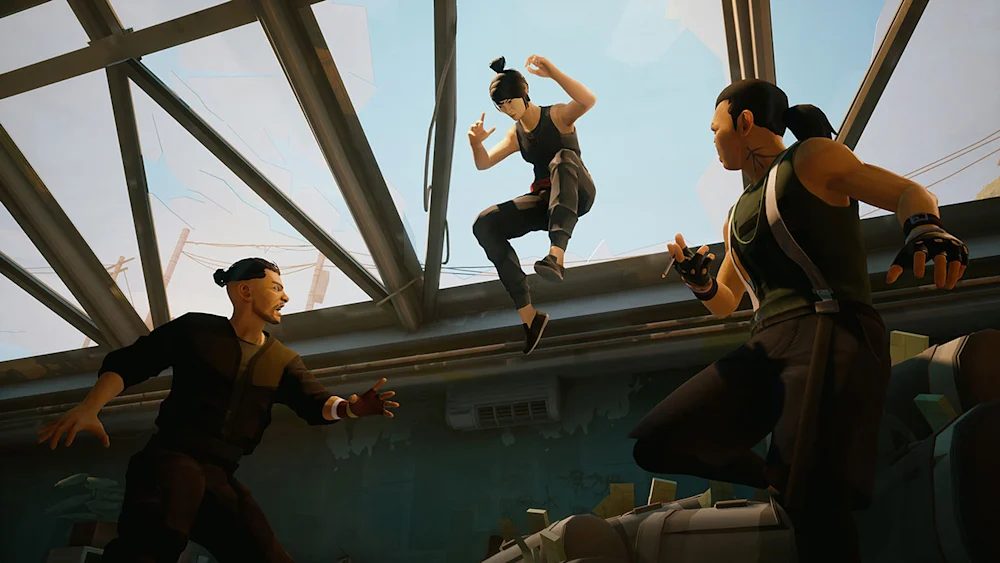
The Switch version places a third-person kung fu experience in a portable setting without changing the game’s central appeal: carefully paced confrontations where a rushed response can be as dangerous as an enemy’s heaviest strike. SLOCLAP frames the action around direct physical exchanges—punches, kicks, counters, evasions, and decisive finishing pressure—rather than long-range spectacle.
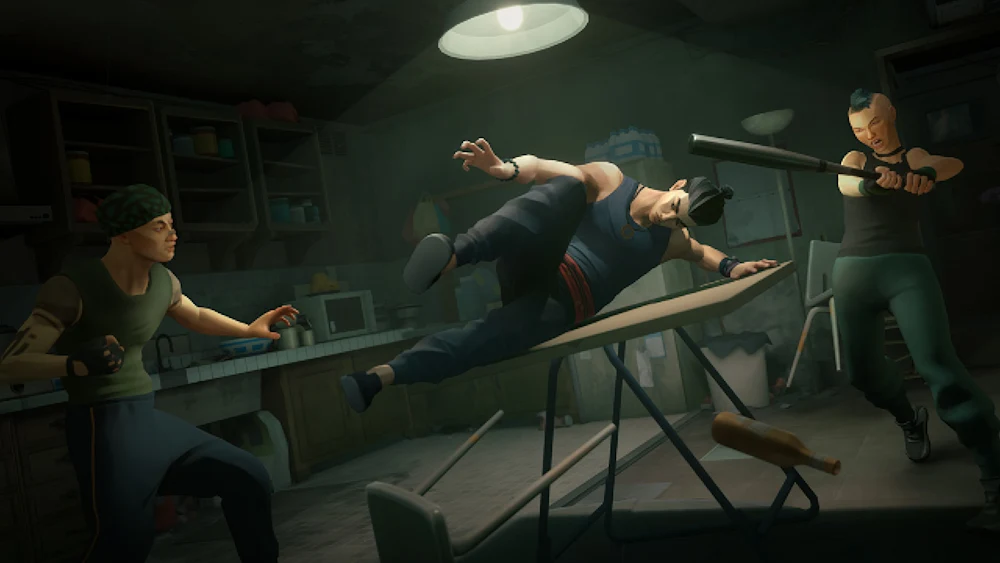
That scope suits a game whose tension comes from proximity. Fights can become crowded, enemies can arrive with different rhythms, and every successful defensive decision helps preserve control of the room. The presentation is therefore closely tied to movement: bodies shifting around furniture, attacks landing in rapid sequences, and available objects becoming part of a player’s response to danger.
A Revenge Story Driven by Five Martial Arts Masters
The Sifu story follows a young kung fu student whose family was murdered. The people responsible are five formidable martial artists, and the protagonist’s mission is to track them down one by one. It is a revenge story with a clear emotional wound at its centre, but the route to each target is shaped by escalating resistance and the gradual uncovering of what led to the family’s tragedy.
A magical talisman gives the quest its defining complication. When the protagonist dies, they return to life, but they grow older in the process. Time becomes a visible cost of defeat. The character trades vitality for wisdom and strength, making each setback feel connected to both the narrative and the player’s growing familiarity with the combat system.
The five martial arts masters are more than names at the end of a checklist. Each represents a distinct challenge on the path through the city, while the larger search invites players to piece together the conspiracy behind the murder. A detective board helps track progress and supports that investigative thread, giving the revenge mission a sense of unfolding discovery alongside its physical trials.
The Foundations of Sifu’s Third-Person Kung Fu Combat
Sifu combat is responsive and close-range, built around the discipline of choosing the right answer at the right moment. Quick punches and heavier kicks give players offensive options, but success depends on more than pressing forward. Evasion, parrying, and well-placed strikes form the backbone of a style that rewards precision.
The rhythm of Sifu kung fu gameplay is especially important because enemy attacks demand attention. A dodge may preserve space and avoid damage; a parry can interrupt an opponent and create a chance to retaliate. Neither is merely decorative. They are practical tools for changing the flow of a fight when opponents threaten to overwhelm the player.
This gives every exchange a deliberate texture. Attacking recklessly can leave openings, while patient timing can turn defense into momentum. The strongest moments come from recognizing when to move aside, when to meet an attack directly, and when to commit to a forceful combination after an opponent has been exposed.
The aging system reinforces that learning process. Death does not erase the value of experience; it pushes players to return with greater knowledge of the encounters that stopped them. The result is a combat loop where improvement is measured not only in unlocked abilities, but also in cleaner decisions under pressure.
Reading Enemy Patterns and Handling Difficult Encounters
Learning Sifu enemy patterns is essential. Different foes ask for different reactions, and difficult encounters test observation as much as raw speed. Watching an opponent’s attacks, identifying the timing of dangerous moves, and staying aware of nearby threats can make a chaotic room more manageable.
Reflexes matter, but Sifu combat strategy also calls for restraint. A player who recognizes an incoming sequence can avoid wasting attacks into danger. A player who anticipates a vulnerable moment can use a parry or a dodge to create a meaningful opening. This is particularly valuable in fights involving multiple enemies, where positioning and defensive timing can be the difference between maintaining control and being surrounded.
Boss fights bring those lessons into sharper focus. These demanding opponents require players to apply what they have learned about timing, pressure, and recovery. The game’s tension comes from this repeated conversation between attack and answer: the opponent establishes a pattern, the player reads it, and the next exchange tests whether that understanding is reliable.
Environment use adds another layer. Objects can be used as weapons, while bottles, furniture, and ledges can help create openings or disrupt enemies. These interactions do not replace sound fundamentals, but they can shift the balance when the odds are unfavorable.
Skills, Shrines, and Building a Stronger Fighting Style
Progression in Sifu is tied to shrines encountered during the journey. At these points, players can unlock and upgrade skills and abilities, expanding the range of available kung fu options. That structure supports a fighting style that becomes more capable over time while still requiring the player to execute with care.
Sifu shrines give progress a practical purpose: new tools can broaden the ways a player responds to specific pressures. A stronger set of options may help in crowded encounters, against a difficult opponent, or during a return to an earlier challenge. The upgrades matter, yet they do not remove the need to understand spacing, enemy behavior, and defensive timing.
This combination helps give the game replay value. Returning to confrontations with better skills, clearer knowledge, and improved control can change how a previously punishing sequence feels. In Sifu Switch NSP XCI, the most satisfying advancement is often the player’s own: seeing an attack coming sooner, preserving composure, and reaching farther through the journey with fewer costly errors.
5 Combat Priorities for Surviving Sifu’s Toughest Fights
- Defend with purpose. Do not treat dodges and parries as emergency buttons. Their timing is central to surviving sustained pressure and keeping a fight from spiraling out of control.
- Study the pattern. Watch how enemies begin and continue their attacks. Recognizing repeated sequences gives you a better chance to evade safely or respond at the right moment.
- Turn parries into openings. A well-timed parry can stun an opponent, creating room for a damaging combination rather than a single hurried strike.
- Use the room. Environmental objects can become weapons, while bottles, furniture, and ledges can disrupt opponents or create valuable separation when several enemies close in.
- Learn from aging. Each death carries a cost, but it also offers information. Treat a setback as a chance to refine timing, recognize a boss’s behavior, and approach the next attempt with a clearer plan.
Sifu is best suited to players who enjoy action games that ask for concentration and adaptation. Its revenge narrative supplies the motivation, but its martial-arts combat provides the lasting challenge: a demanding path where discipline, observation, and repeated practice shape every hard-won victory.
Recommended Similar Games
 BLAZBLUE CENTRALFICTION Special Edition Switch NSPView Game
 Dispatch Switch NSPView Game
 Mary Skelter Finale Switch NSP XCIView Game
 METAL GEAR SOLID 4: Guns of the Patriots – Master Collection Version Switch NSPView Game
 DOOM 3 Switch NSPView Game
 The Legend of Zelda: Skyward Sword HD Switch NSP XCIView Game