Rounds Switch NSP

Report Link Error
Select the broken download file, then submit the report.
Screenshots
About Game
Rounds Switch NSP refers to a Nintendo Switch release of Rounds, published by Landfall Games. Recorded under the arcade, fighting, indie, platform, and shooter categories, it presents itself through a compact action-focused genre mix. The available information points toward play shaped by movement, positioning, attacks, and quick reactions, while leaving specific modes, characters, stages, and systems unconfirmed.
Rounds on Nintendo Switch: Action Game Overview
Rounds arrived on Nintendo Switch on April 1, 2021. Landfall Games is listed as the publisher, and the game’s genre tags provide the clearest indication of its intended character: arcade immediacy, fighting-game pressure, platform-oriented movement, shooter-style threat awareness, and an indie scale.
That combination suggests an action game built around direct engagement rather than a slow, story-led structure. The supplied details do not define exact rules or controls, so it is best not to assume the presence of familiar genre features such as particular weapon types, character rosters, special abilities, stage formats, or match settings. Still, the labels establish a useful baseline. Players can reasonably expect a game where responses matter, distance matters, and the space around a player can be as important as an attack itself.
The Nintendo Switch listing gives Rounds a concise identity. It is not presented through extensive narrative detail in the available record; instead, its appeal is rooted in the promise of repeatable action and a readable set of broad genre influences.
How the Arcade, Fighting, Platform, and Shooter Labels Shape Expectations
The arcade label suggests an approachable rhythm centered on immediate play. Arcade-oriented action commonly rewards attention, adaptation, and the willingness to try again with a clearer sense of timing. In this context, the fighting, platform, and shooter classifications add different forms of pressure without confirming the exact mechanics behind them.
Fighting games tend to make confrontation and timing central concerns. Shooter games place added emphasis on reacting to danger and judging threats. Platform action can make mobility and placement important, especially when the environment affects where a player can safely move. Taken together, the Rounds genres point to an experience where action is likely to be fast, focused, and dependent on moment-to-moment decisions.
- Read the space: Keep track of where danger may come from and avoid treating the play area as empty background.
- Choose your distance: Spacing can shape both attack opportunities and defensive options in action games.
- React with purpose: Quick responses are useful, but calm decisions can prevent unnecessary movement into pressure.
- Learn the rhythm: Short practice sessions can help establish a feel for pacing, timing, and available actions.
- Check the instructions: In-game guidance and options remain the best source for the actual controls and objectives.
This is a broad framework rather than a description of confirmed individual systems. The available metadata supports the game’s action-oriented identity, but it does not spell out the details of its combat structure.
Movement, Spacing, and Environmental Awareness
For a game carrying both platform and action labels, movement deserves attention even before its specific design is known. Positioning is often a defensive resource: a player who stays aware of their location has more room to react than one who commits to a poor route or drifts into a dangerous area.
Rounds movement, as a general consideration suggested by the genre mix, is less about moving constantly than moving with a reason. Good positioning can create space, reduce exposure, and make an attack attempt more deliberate. Poor positioning can do the opposite, narrowing options and increasing pressure.
Environmental awareness also matters when platform action is part of the picture. The supplied information does not confirm stage layouts or hazards, so no particular arena behavior should be assumed. Even so, platform action fundamentals remain useful: watch the available space, avoid careless commitments, and recognize that a change in location can alter the balance of an encounter.
This is where quick reactions meet restraint. A fast game does not necessarily reward rushed decisions. Players can benefit from noticing patterns in movement, learning when to hold position, and understanding when a retreat or reposition is safer than immediate pressure.
Balancing Offense and Survival in Rounds
The fighting and shooter categories imply a tactical balance between applying pressure and staying safe. Attacking may create an opening, but it can also expose a player if the timing or positioning is wrong. That tension gives the broad idea of Rounds combat its likely appeal: action is not only about acting first, but about recognizing the right moment to act.
Players approaching this kind of game can focus on a few durable habits. Watch the distance between threats. Pay attention to the timing of attacks. Avoid turning every moment into an all-in commitment. These principles apply across many fighting and shooter experiences because survival and offense are connected; staying composed often creates better opportunities than forcing an attack.
The available record does not confirm how victory is measured, how rounds are structured, or what tools players use during combat. That uncertainty is important. The game’s genre list can guide expectations, but the title’s actual objectives and control options should be learned from its own instructions rather than from assumptions drawn from other games.
A Compact Indie Action Experience
As an indie release, Rounds may appeal to players seeking a compact action game instead of a larger, more elaborate fighting release. Its listed categories support the idea of brisk arcade pacing: a format suited to players interested in direct action, movement-based pressure, and repeated opportunities to improve their reactions.
The available information does not confirm a progression system, unlock structure, campaign, or long-term challenge format. Replay value therefore cannot be defined through named features. What can be said is that arcade-style action often encourages repeat engagement through practice, sharper decision-making, and greater familiarity with a game’s pace. For Rounds, that potential is consistent with its classification, not a confirmed feature list.
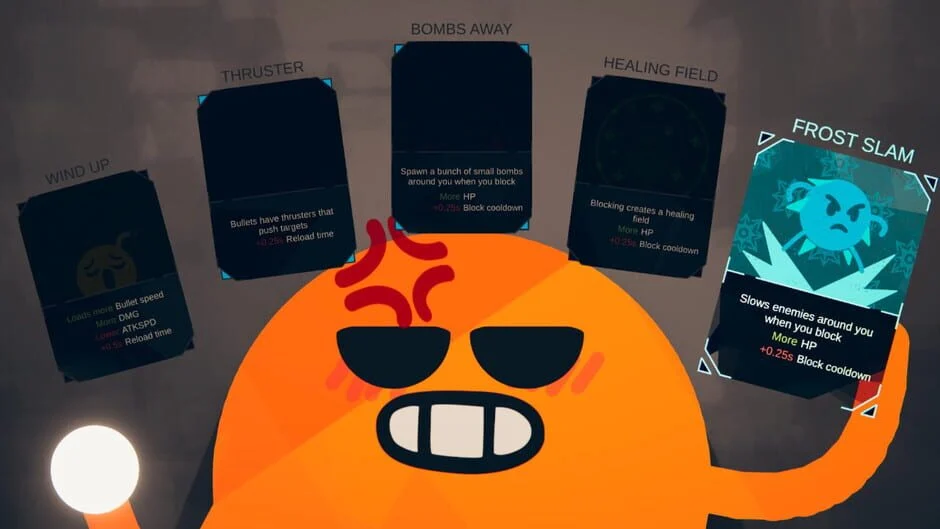
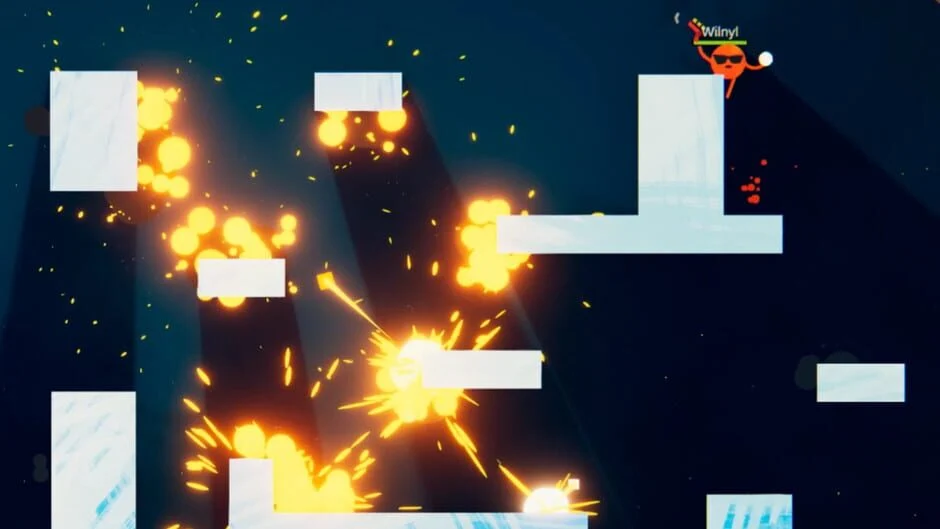
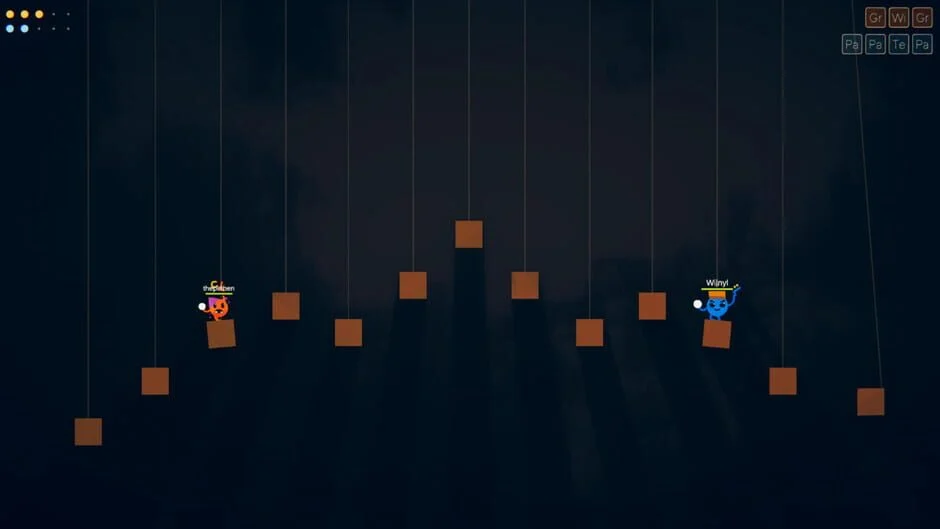
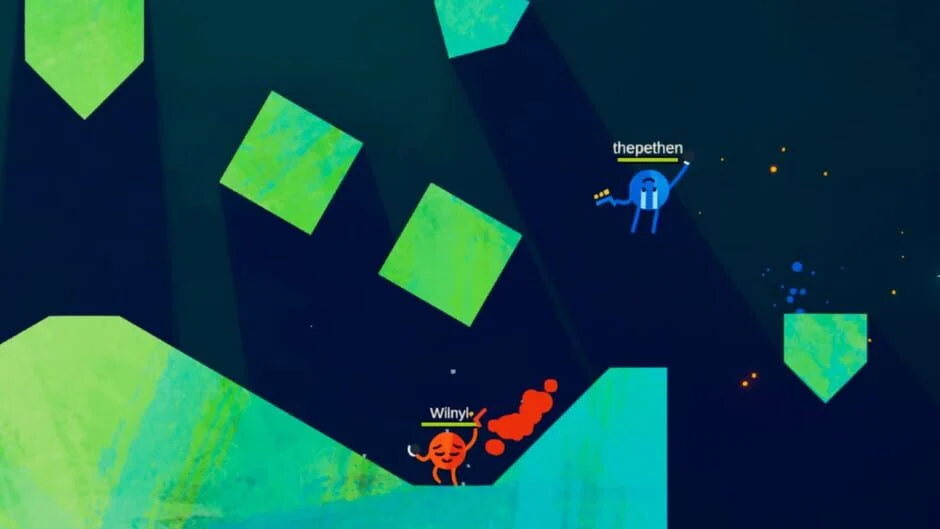
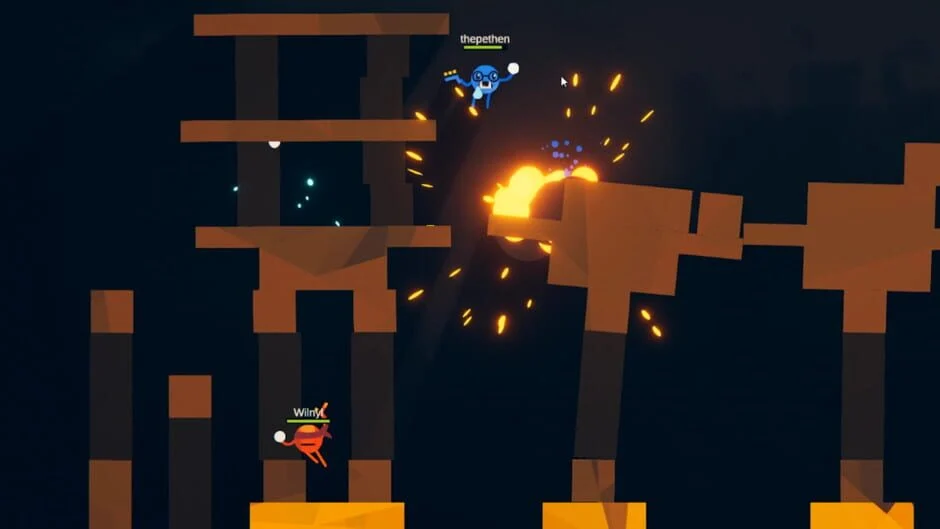
The five listed preview images may offer additional visual context for players interested in the game’s presentation and moment-to-moment action. They can be useful as a visual reference, particularly because the supplied metadata does not describe the game’s art direction, interface, or environments in detail.
Rounds Release Details and Publisher Record
For reference, Rounds is listed with a release date of April 1, 2021, and Landfall Games as publisher. The Nintendo Switch title ID is 010021E02095A000. This specific listing records version 1.0, with a stated file size of 1.01 GB.
The language listing includes Japanese, English, Portuguese, Spanish, French, German, Italian, Russian, and Chinese. The recorded compatibility fields list firmware 18.1.0+ and Atmosphere 1.7.1, while a separate CFW field shows 18.1.0. These are recorded details for this listing and should be treated as separate reference fields.
For readers searching the exact phrase Rounds Switch NSP, the most reliable takeaway is the game’s documented identity: a 2021 Landfall Games-published Nintendo Switch action title combining arcade, fighting, platform, shooter, and indie classifications, with version 1.0 recorded in the available metadata.