Manic Mechanics Switch NSP
Report Link Error
Select the broken download file, then submit the report.
Screenshots
About Game
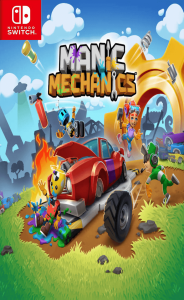
Manic Mechanics Switch NSP places players in the grease-stained, time-pressed world of Octane, where aspiring repair crews take on increasingly demanding vehicle jobs. Built around fast cooperative play, it turns a simple workshop routine—finding parts, choosing tools and fitting components—into a race against garage hazards, shifting layouts and the clock.
What Manic Mechanics on Nintendo Switch Is About
Manic Mechanics is an Arcade and Party game about a team of would-be repair specialists working toward recognition as Mechanics Masters. Their route runs across the island of Octane, a setting filled with garages, vehicles and obstacles that become more demanding as the team moves forward.
The premise is deliberately direct. Cars, trucks, tractors and even alien spaceships arrive needing attention, while the repair crew must get each job completed under pressure. Rather than relying on an elaborate character-driven story, the game frames its progression through new workplaces and tougher repair situations. The journey to Mechanics Masters status is defined by the team’s ability to cope when an orderly task turns into a crowded scramble.
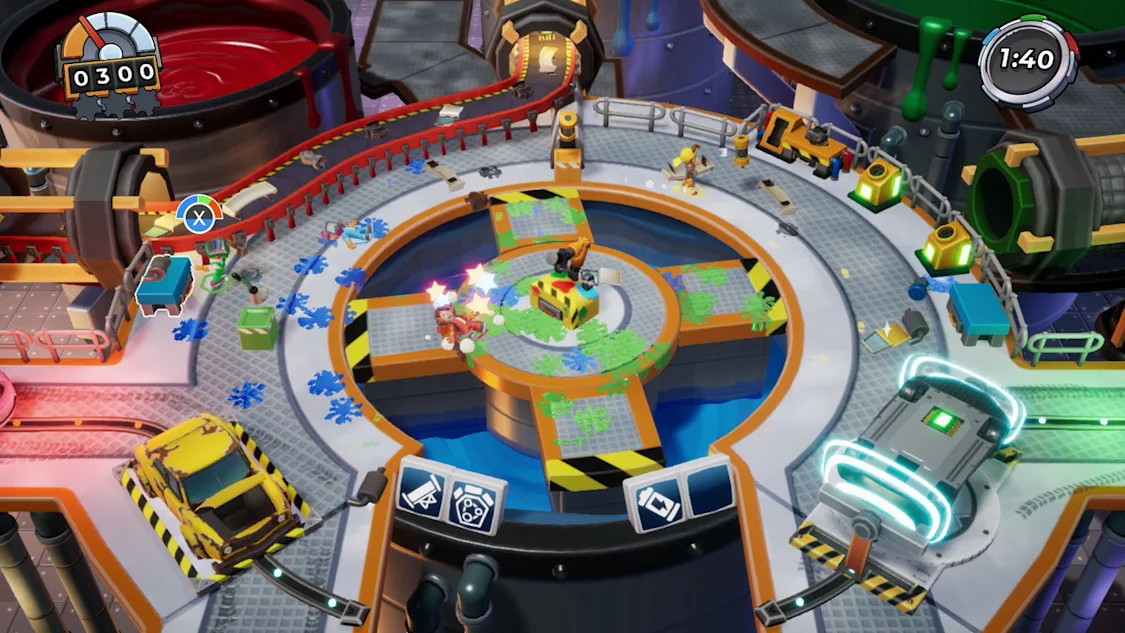
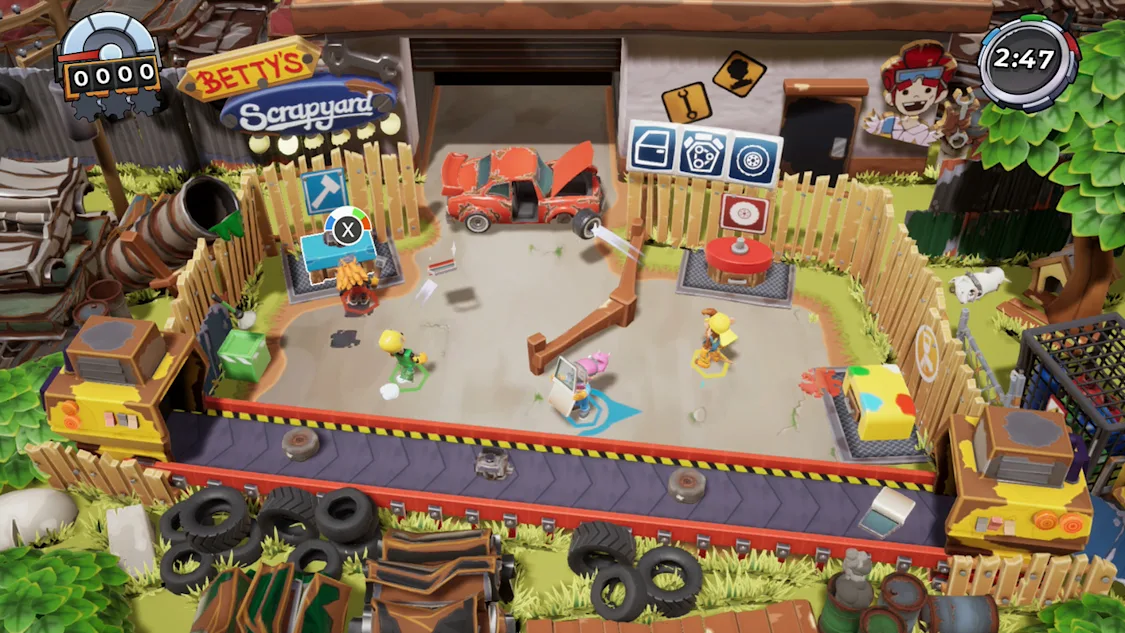
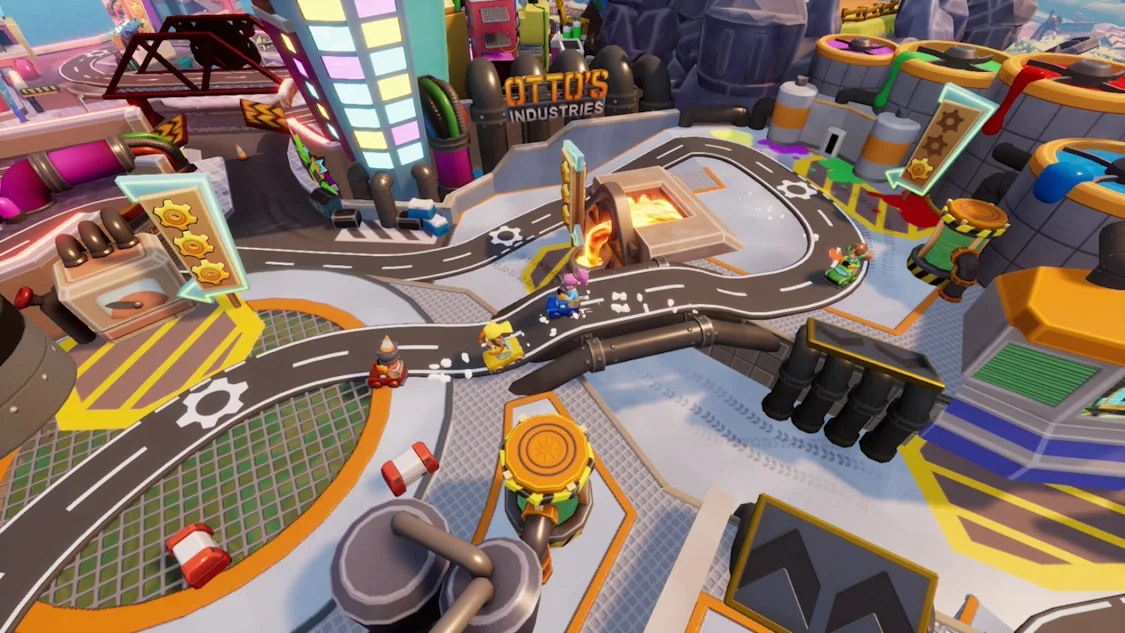
Octane gives the action its character. Its garages are not passive backdrops: conveyor belts, oil spills, moving platforms and other unexpected elements can interfere with the repair process. That creates an atmosphere of cheerful workplace disorder, where a missing part or a badly timed obstruction can quickly become everyone’s problem.
Cooperative Repairs for Up to Four Players
Manic Mechanics co-op supports up to four players, with local and online multiplayer available. The central appeal comes from working on the same set of urgent tasks rather than simply competing for an individual score. One player may spot the required component, another may be carrying a tool, and a third may be ready to install the piece once the path is clear.
That shared workflow makes communication important from the opening seconds of a job. A team that silently rushes around the garage can lose time duplicating work or leaving a key task unfinished. A team that identifies needs clearly has a better chance of moving parts, tools and players into the right places before the timer becomes a serious concern.
The four-player multiplayer format also suits different kinds of groups. Friends and family can approach it as a lively cooperative challenge, while players who want a more organized run can treat each garage like a compact logistics puzzle. The accessible basic actions help newcomers join in, but the pressure of coordinating several people leaves room for a group to improve its routine over repeated attempts.
How the Repair Workflow Creates Arcade Pressure
Manic Mechanics gameplay is built around a sequence of practical repair steps. Players need to identify and collect the required parts, select the appropriate tools and install components correctly. Each step is simple to understand in isolation. The complication comes from handling several priorities while the environment remains active and the time limit continues to count down.
Strict timed repair challenges reward both speed and precision. Collecting the wrong item, taking a longer route around an obstacle or delaying an installation can disrupt the team’s momentum. Resource management and prioritization matter because not every task can be handled at once. Players must decide which part needs fetching now, which tool should be moved into place, and which repair can wait a few moments.
Mini-games within the repair process add further variety to the work. Combined with changing vehicle types and dynamic garage layouts, they prevent the workshop routine from feeling fixed. The game’s arcade pressure comes from this constant overlap: the team is not merely repairing a vehicle, but doing so while adapting to the conditions around it.
A Teamwork Strategy Guide: Divide Jobs Before the Chaos Starts
The most useful Manic Mechanics tips begin with a simple principle: say what the team needs before several players start moving at once. Clear co-op communication can reduce confusion when a part is missing, a tool is required or an obstacle is blocking a route.
- Call the requirement: Name needed parts and tools as soon as they are identified, so another player can act without waiting.
- Flag the obstacles: Mention oil spills, moving platforms or other garage problems that may slow a teammate down.
- Assign a runner: Have one player focus on collecting and delivering parts when a job requires frequent fetching.
- Manage the tools: A designated tool player can help make sure the right equipment reaches the repair area.
- Keep assembly moving: Players near the vehicle can concentrate on installing components instead of repeatedly leaving their position.
Team role delegation does not need to be rigid. A player assigned to parts may need to help with assembly when the garage layout changes, and tool management may become a shared concern during a particularly busy repair. The point is to establish a plan before pressure forces everyone into the same task. In a game designed around escalating disorder, a small amount of structure can make a substantial difference.
Progression Through Harder Garages on Octane
Progression across Octane opens additional garages and harder challenges. Each new location asks the crew to adapt to more complex working conditions, new vehicle types and environmental pressures. The goal remains familiar—repair what is in front of the team—but the route to completing that goal becomes less predictable.
This structure gives advancement a practical purpose. Success does not only move players onward; it tests whether their existing habits still work when the garage presents another layout or another source of disruption. A group that has learned to communicate efficiently in one workshop may need to revise its approach in the next.
For Manic Mechanics Switch NSP, that makes progression closely tied to cooperative improvement. The team’s growing familiarity with repair parts and tools can be useful, but the changing garages still demand attention. New challenges keep the focus on adapting rather than following a single routine from beginning to end.
Nintendo Switch Release Details for Manic Mechanics
Manic Mechanics is best suited to players looking for a cooperative, task-focused party experience where conversation and quick reactions matter as much as individual movement. Its repair theme gives each round a clear purpose, while Octane’s hazards and harder garages ensure that even familiar jobs can become unexpectedly hectic.