Sid Meier’s Civilization VII Switch NSP

Report Link Error
Select the broken download file, then submit the report.
Screenshots
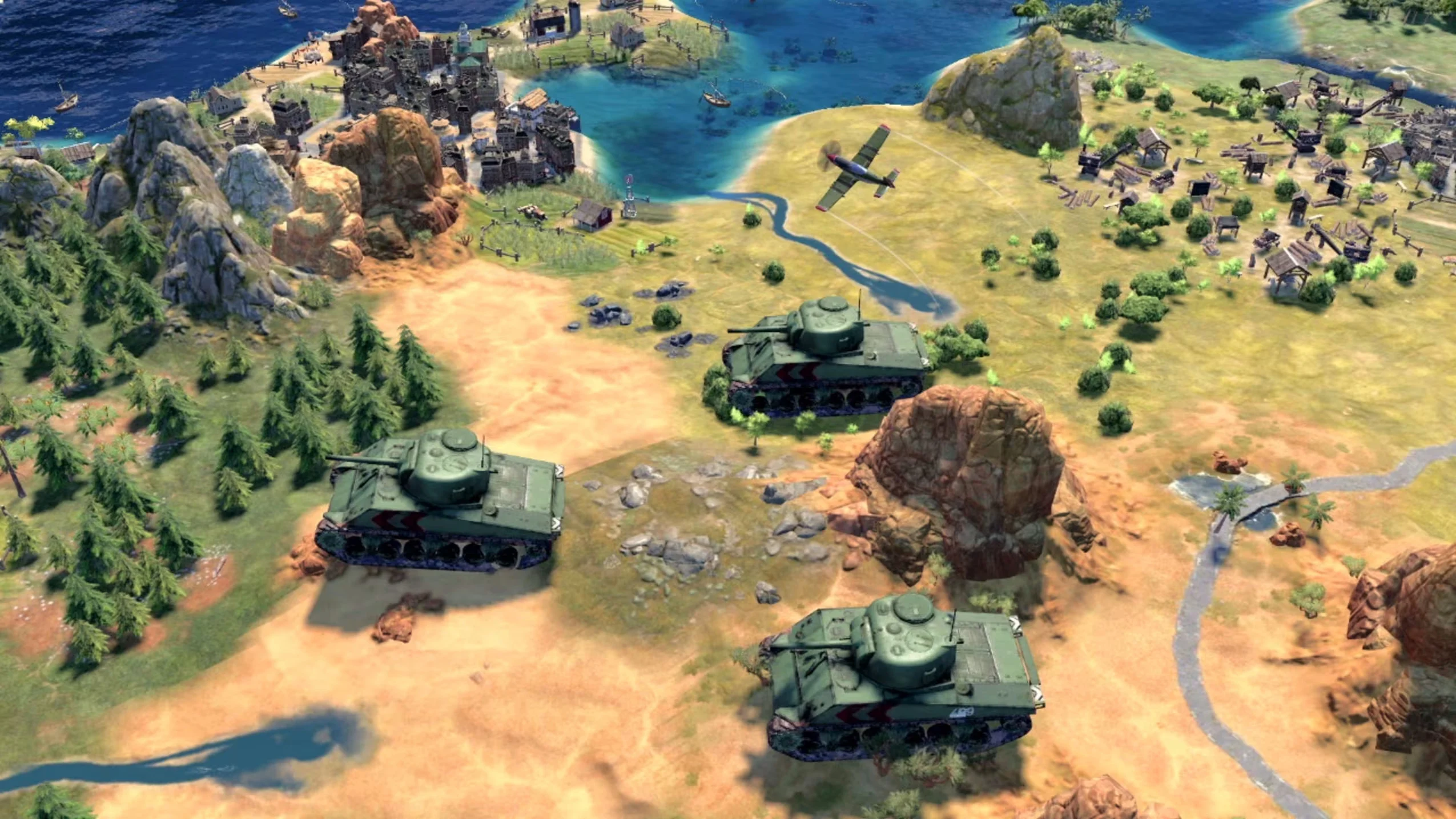
About Game
Sid Meier’s Civilization VII Switch NSP presents history as a series of decisions rather than a fixed tale. A campaign begins with a small settlement and grows across thousands of years, with every expansion, alliance, discovery, and conflict contributing to a different account of human progress. The result is a strategy experience built around planning ahead while responding to an evolving world.
A Civilization Story Shaped by Player Decisions
There is no single linear storyline directing a civilization from one chapter to the next. Instead, the narrative emerges from the choices made during play. A leader may pursue scientific breakthroughs, invest in cultural development, build a military presence, or use diplomacy to establish relationships with other powers. These decisions do more than improve a position on the map; they give each campaign its own character.
That player-driven narrative makes human progress feel personal. One civilization may be remembered for its cities, research, and influence, while another may be defined by expansion, warfare, or carefully negotiated alliances. Interactions with neighboring leaders, the availability of resources, and the changing demands of each age all shape the direction of the game. The story is not written in advance. It develops turn by turn through success, pressure, opportunity, and compromise.
This approach also supports replay value. Starting conditions, nearby rivals, discovered land, and strategic priorities can create a new historical saga in each match. A plan that made sense in one campaign may need to change completely in another.
Turn-Based Strategy on Nintendo Switch
Civilization VII Switch follows the familiar structure of turn-based strategy. Players take time to assess the map, manage cities, choose research, cultivate civics, negotiate with other leaders, and decide when military action is necessary. The pace encourages deliberate thinking: one choice can support a long-term goal, while another can create a problem several eras later.
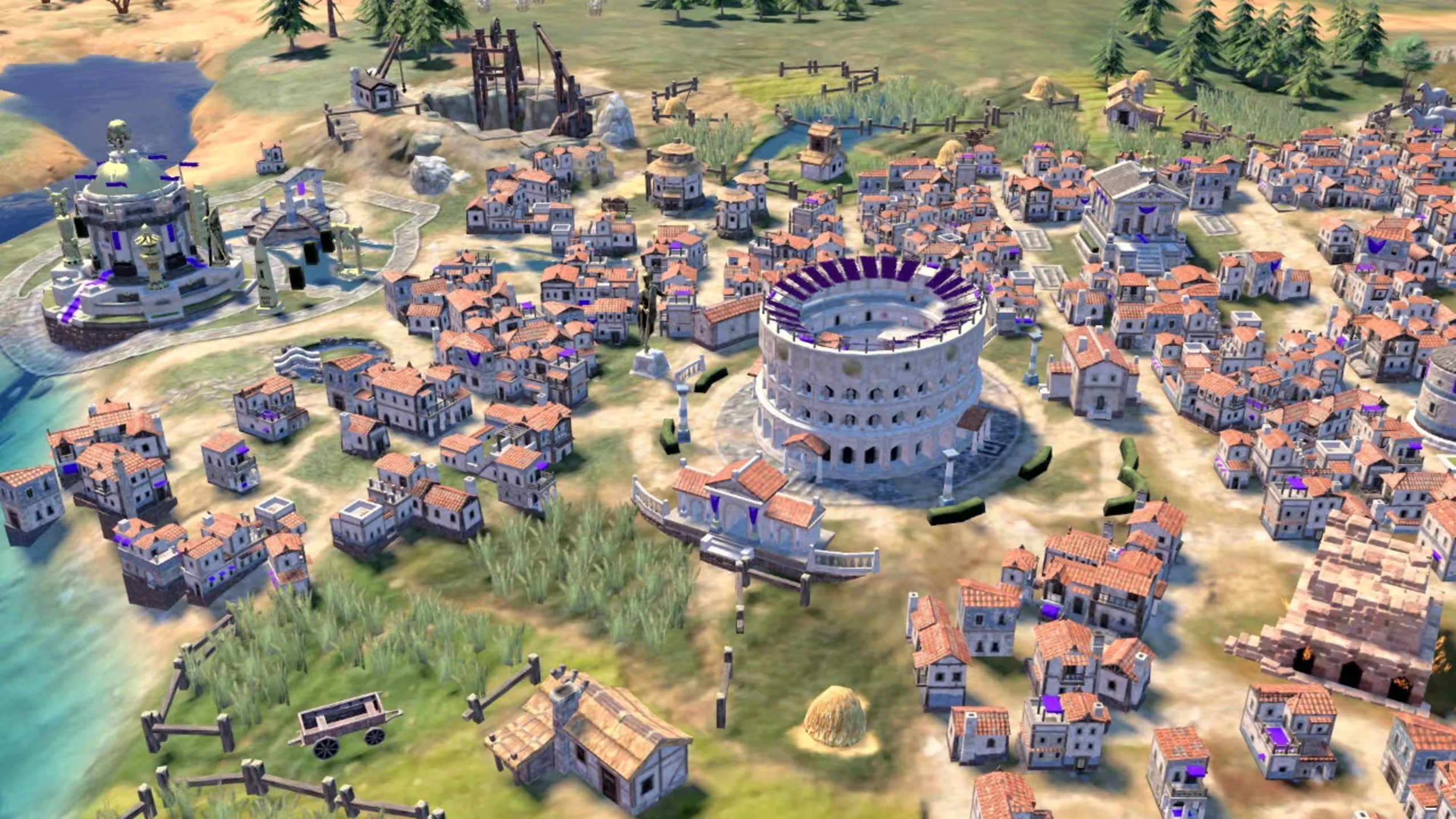
City management is central to that process. Founding settlements expands influence and helps secure resources, but expansion also demands attention and planning. Cities need to contribute to a broader strategy, whether that means supporting research, culture, military strength, or another victory path. Resources must be balanced against immediate needs and future ambitions.
Diplomacy adds another layer of uncertainty. Other leaders can become trade partners or allies, but relationships may also lead to declarations of war. Warfare is therefore part of a wider political landscape rather than an isolated activity. Armies and navies can defend borders or support conquest, yet their use has to fit the larger direction of the civilization.
The Nintendo Switch format suits both extended planning sessions and shorter periods of play. A player can spend time studying the world map and setting up a broader strategy, then return later to continue the same campaign. That flexibility fits a game where decisions benefit from patience rather than haste.
From the Stone Age to the Space Age
The historical sweep from the Stone Age to the Space Age gives a match a sense of movement and changing context. Early decisions focus on establishing a foothold: exploring nearby territory, identifying useful resources, and deciding where a settlement can grow. As a civilization advances, new possibilities reshape what matters most.
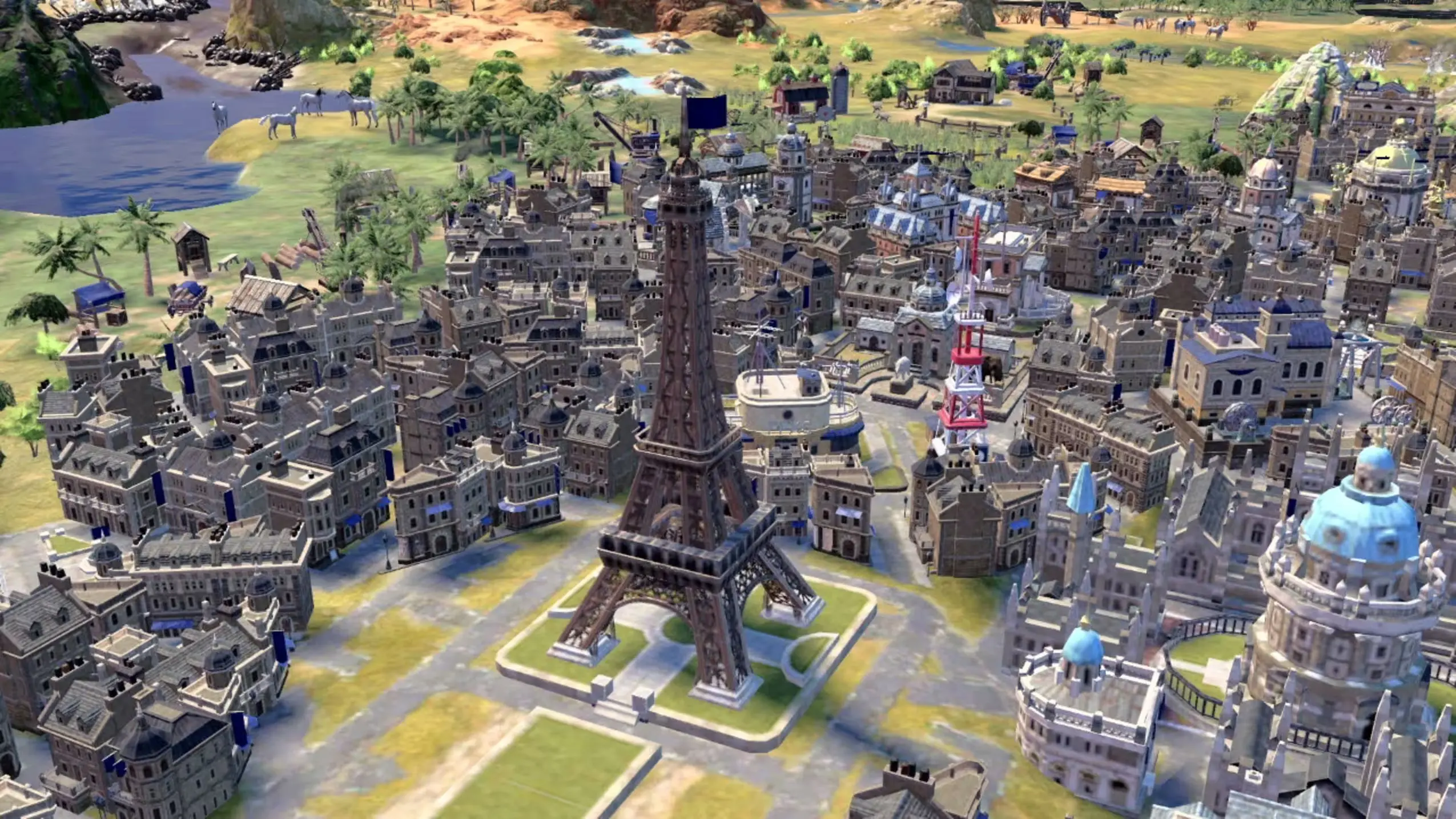
These Civilization VII eras provide more than a backdrop. Progress through time changes the strategic conversation by opening access to new technologies, units, buildings, policies, and civic opportunities. A civilization that begins with a focus on survival and local development can later pursue wider cultural, scientific, diplomatic, or military aims.
The changing eras also help make each campaign feel like a long-form journey. Early exploration may reveal land that becomes important much later. A research decision can influence available tools in future stages, while a diplomatic relationship can affect how safely a civilization expands. The scale is broad, but the experience remains grounded in individual turns and practical choices.
Research, Civics, and the Road to Progress
Progress depends on more than claiming territory. To develop effectively, players research technologies and cultivate civics. The technology tree provides a route through the eras, unlocking new units, buildings, and policies that can strengthen a civilization’s capabilities. Research choices help define what a society is equipped to do next.
Civics complement that development by shaping culture and government direction. They can unlock civic bonuses and influence the policies available to a civilization. Together, research technologies and civics create two connected forms of advancement: practical tools on one side, and social or governmental development on the other.
Choosing between them can create meaningful tension. A player may want a military option, a useful building, or a policy that supports a long-term cultural goal. There is rarely a single answer that suits every map or every rival. Effective planning means connecting present needs with a desired future, while accepting that new discoveries or political pressures may require a change of course.
Exploration and Procedurally Generated Worlds
Exploration is one of the earliest and most valuable activities in a campaign. Scouts can uncover new continents, locate resources, identify natural wonders, and reveal the position of other leaders. This information is strategic. It helps determine where to found cities, which areas deserve protection, and where competition may emerge.
A procedurally generated map keeps that process uncertain. Players cannot assume that the same route, settlement pattern, or military plan will work every time. One world may offer valuable resources close to the starting area, while another may require more careful expansion. Natural wonders can become notable discoveries, and distant land may present opportunities that were not visible at the beginning.
For Sid Meier’s Civilization VII Switch NSP, that uncertainty supports an atmosphere of discovery alongside the demands of empire management. The map is not simply a board to occupy. It is a changing source of information, rewards, risks, and reasons to reconsider a plan.
7 Early Priorities for New Civilization VII Players
- Explore first. Send scouts out early to reveal land, continents, resources, and natural wonders before committing too heavily to one direction.
- Read nearby resources. Consider what the surrounding area can support when choosing settlement locations and planning future expansion.
- Watch neighboring leaders. Knowing who is nearby helps prepare for diplomacy, trade, alliances, or possible conflict.
- Use civilization abilities. Let the chosen civilization’s unique strengths inform early decisions instead of following the same approach in every campaign.
- Plan expansion carefully. Found cities with a purpose, aiming to extend influence and gather resources without losing sight of wider goals.
- Balance development. Research, civics, city management, diplomacy, and defense all matter; focusing on only one area can leave weaknesses elsewhere.
- Stay adaptable. A procedurally generated world and changing relationships with rivals can make a revised strategy more valuable than rigid planning.
This is a strategy game for players who enjoy measured decisions, broad historical progression, and campaigns shaped by their own priorities. Its appeal lies in the ongoing conversation between planning and surprise: building a civilization with purpose, then adapting when the world refuses to follow the original plan.