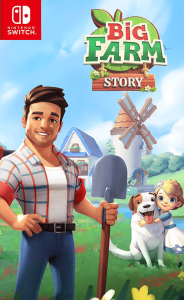
Big Farm Story Switch NSP
Report Link Error
Select the broken download file, then submit the report.
Screenshots
About Game
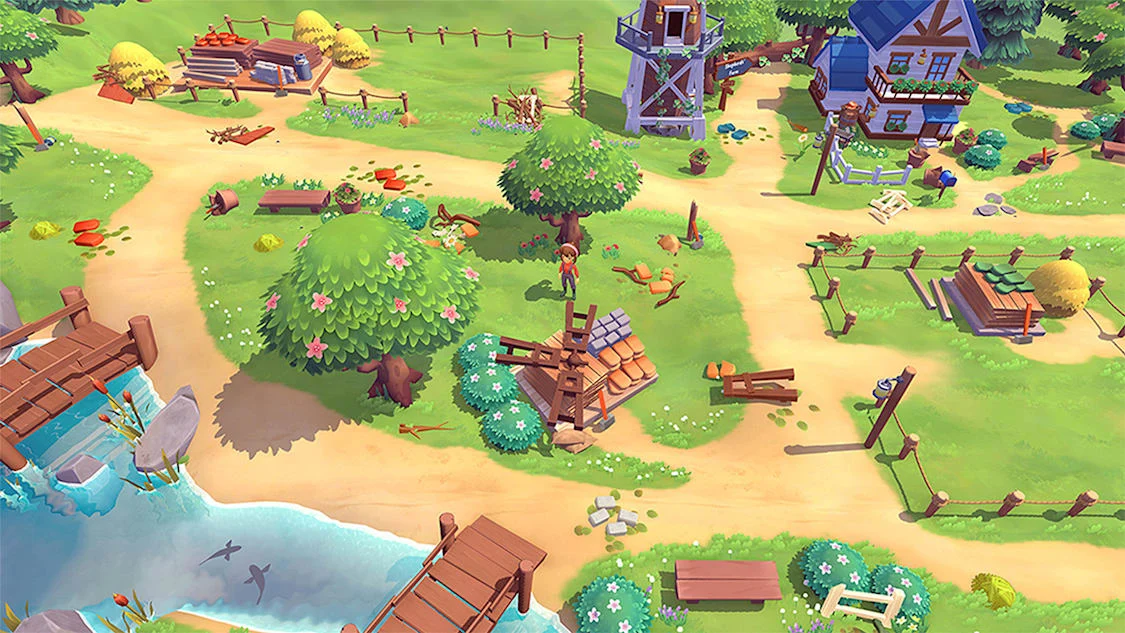
Big Farm Story Switch NSP frames rural life as a calm mix of role-playing and simulation, inviting players to rebuild a neglected homestead while becoming familiar with the people and places around it. Its focus is not limited to fields and livestock: the farm is also a starting point for crafting, exploration, community quests, and a personal story rooted in family memories.
Big Farm Story on Nintendo Switch: A Relaxed Farm-Life Adventure
Big Farm Story combines farming simulation routines with the broader structure of a role-playing game. The player returns to a family property in need of attention, then gradually shapes it through crop work, animal care, decoration, building upgrades, and resource gathering. That mix gives the experience a gentle sense of progression. A small task completed in the morning can support a larger goal later, from improving the farm’s output to preparing for a quest.
The atmosphere is built around the appeal of rural living: tending land, watching planted crops develop, meeting villagers, and making a home feel more personal. Farm layouts and the farmhouse can be customized with decorative items, giving players room to put their own stamp on the space. The pace supports a relaxed approach, but there is still plenty to organize as new activities, recipes, resources, and opportunities emerge.
For players who enjoy a farming simulation with clear daily routines and a light adventure element, the game’s structure keeps the farm from feeling isolated. The work of restoring the property is tied to exploration and community participation, so progress reaches beyond the boundaries of a single field.
Returning to the Family Farm: The Story Setup
The Big Farm Story story begins with a return to the grandparents’ old farm after time away. The property has fallen into disrepair, setting up a straightforward but appealing goal: restore the family farm and bring it back to life. The premise gives routine farm work a personal context, as each improvement contributes to a larger restoration effort.
Family memories are part of that journey. As the player moves forward, discoveries help reveal aspects of the family’s past, while interactions with local residents make the surrounding area feel connected to the farm’s future. The story also places value on joining the local community rather than treating villagers simply as quest markers.
This rural adventure is therefore about more than expansion. It is about settling into a place with history, building relationships, and turning a damaged property into a working home. The narrative’s emphasis on growth, community, and simple rural pleasures fits naturally with the simulation systems.
Growing Crops and Raising Farm Animals
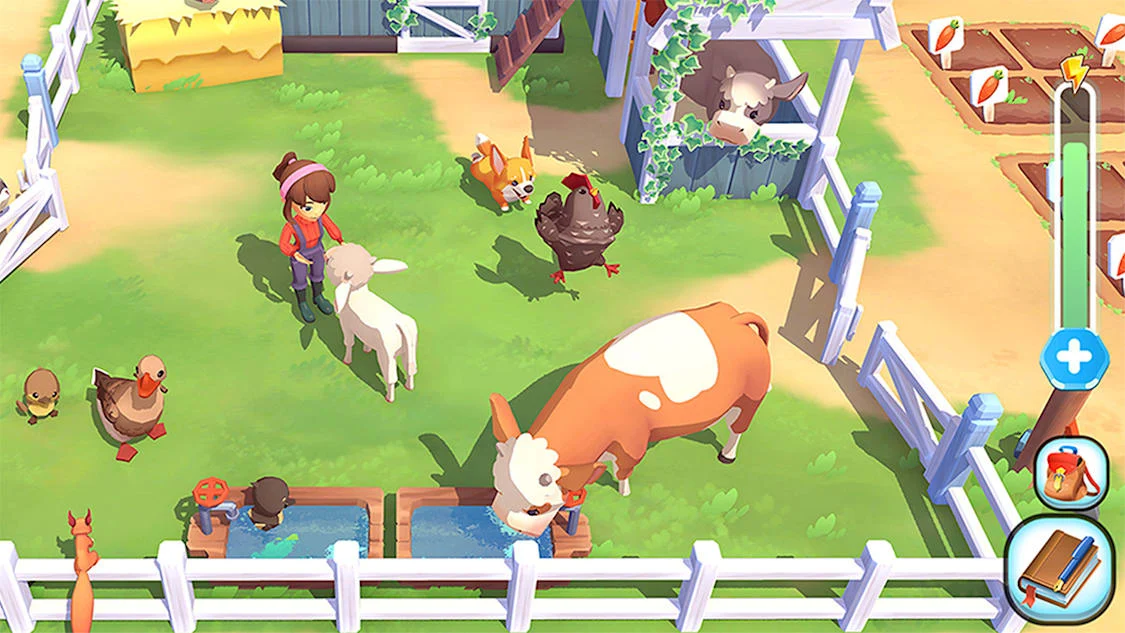
Daily farm management is central to Big Farm Story farming. Players can plant a variety of crops, care for them as they grow, and use their harvests as part of the farm’s ongoing resource cycle. Watering is an important recurring task, making crop care one of the first responsibilities to consider each day.
Animals add another layer to the farm routine. Chickens, cows, and pigs can be raised, and feeding them is an essential part of their care. Balancing crops and farm animals gives the property a fuller rhythm: fields require attention, animals need daily upkeep, and both activities contribute to the sense of maintaining an active homestead.
Farm buildings can also be upgraded to improve efficiency and yield. Alongside those practical improvements, decoration offers a more expressive side of progression. Players can personalize their farmhouse and farm area with items, making the restoration feel less like a fixed checklist and more like a space that develops over time.
Exploration, Resources, and Hidden Discoveries
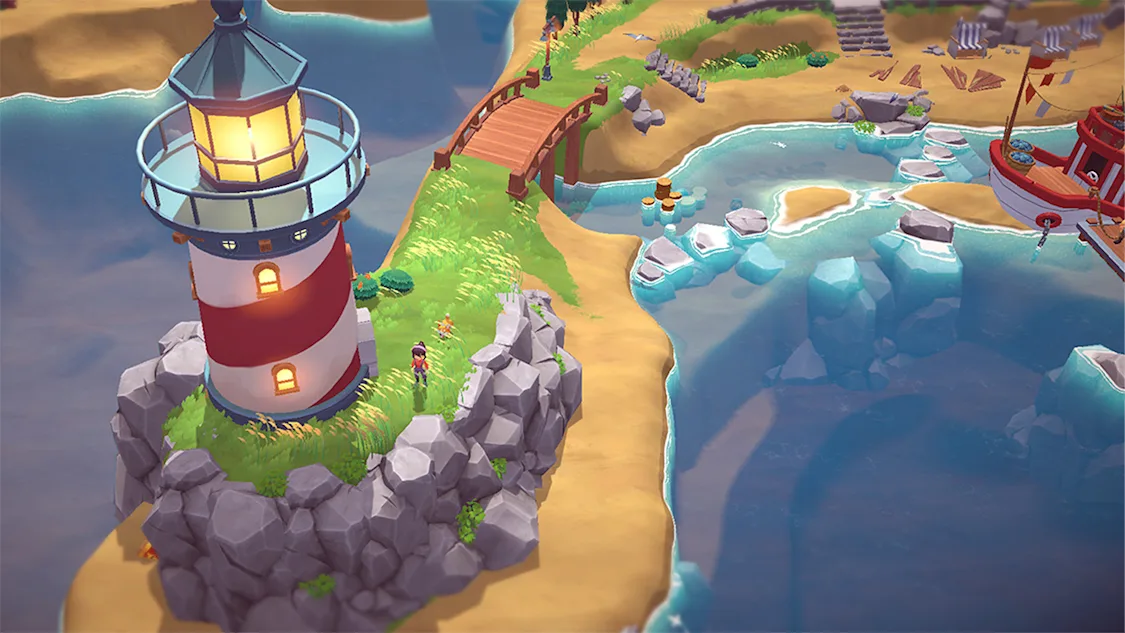
The farm is only one part of the available world. Big Farm Story exploration encourages players to travel beyond their own land in search of resources, characters, quests, and hidden secrets. This wider activity supports the farming loop by supplying materials that can be useful for tools, crafted goods, and other projects.
Villagers are an important part of exploration. Speaking with them can open new quests, storylines, and helpful items, reinforcing the game’s community-focused premise. Their requests give the player reasons to use harvested goods, crafted items, or gathered resources in ways that extend beyond simple storage.
Fishing is another activity available in rivers and lakes, where players can catch different fish. Crafting also broadens what can be done with collected materials: tools, items, and recipes can be made, while the kitchen provides a place to prepare food. These systems help make exploration feel practical as well as curious, because a trip away from the farm can feed back into the next stage of development.
7 Daily Priorities for Managing Your Farm
A consistent routine can make the farm easier to manage while leaving time for quests and discoveries. These priorities follow the game’s core activities without turning a relaxed day into a rigid schedule.
- Water first: Check planted crops early so their care remains a dependable part of the day.
- Feed the animals: Give chickens, cows, and pigs attention before moving on to longer tasks.
- Review supplies: Look through inventory and storage to identify useful resources, harvests, and rarer materials worth saving.
- Explore outward: Search different parts of the world for resources, hidden secrets, characters, and possible quests.
- Talk with villagers: Regular conversations can reveal new storylines, friendship-related benefits, and helpful items.
- Plan crafting: Set aside materials for tools, items, recipes, or quests instead of using everything immediately.
- Join seasonal moments: Make time for community events and festivals when they are available.
Inventory management matters because collected materials may serve several purposes. A resource might be useful for crafting an advanced tool, completing a valuable quest, or supporting another improvement on the farm. Keeping some items in reserve can make later decisions easier. That approach also supports replay value in a practical sense: players can vary how they arrange their farm, prioritize activities, explore the world, and develop their daily routine.
Release Details, Regions, and Supported Languages
Big Farm Story Switch NSP was released on September 1, 2023. Goodgame Studios is listed as both publisher and developer. The game is available for the Europe and USA regions.
Supported languages are English, French, German, Portuguese, Russian, Simplified Chinese, and Spanish. The combination of farming, decoration, exploration, fishing, crafting, villagers, and seasonal community activities makes it suitable for players seeking a measured farm-life game with role-playing elements and an emphasis on restoring a family place.