Prison Simulator Switch NSP

Report Link Error
Select the broken download file, then submit the report.
Screenshots
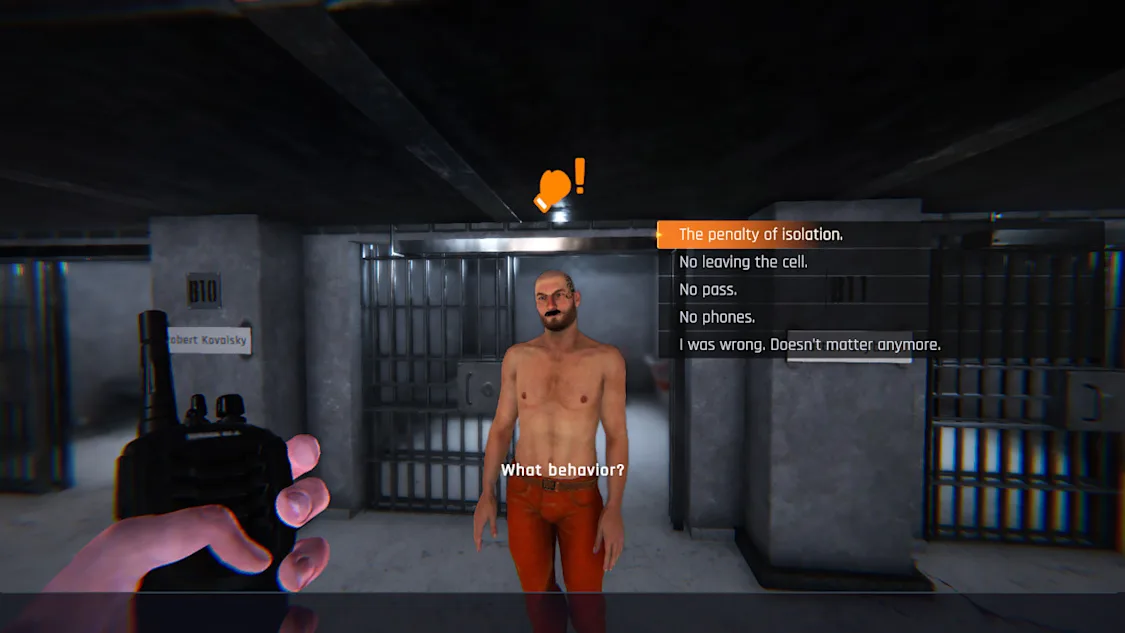
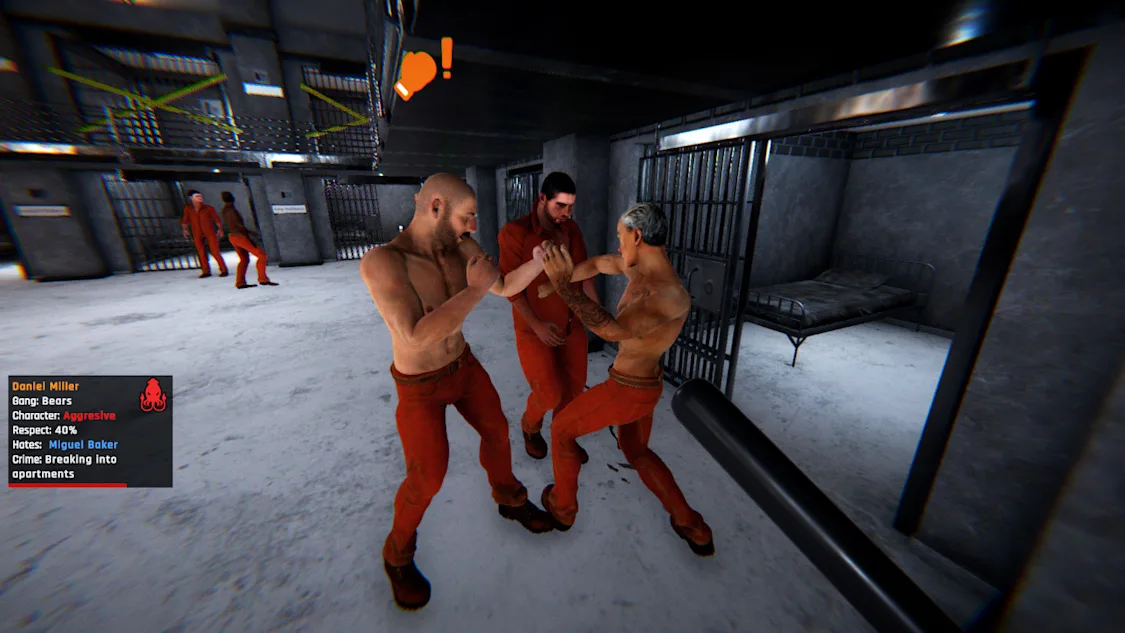

About Game
Prison Simulator Switch NSP places players in the role of a newly hired guard working inside a maximum-security prison. Its Nintendo Switch edition blends action, fighting, role-playing, and simulation ideas around the everyday pressure of maintaining control, reading people, and responding when a routine shift turns volatile. The premise is less about a fixed campaign than the gradual shape of a guard’s working life.
Prison Simulator on Nintendo Switch: Game Overview
Prison Simulator Switch frames prison work as a hands-on career simulation. Players patrol sectors, monitor inmate behaviour, conduct searches, manage scheduled activities, and react to sudden disruptions. The setting demands attention because small signs of tension can develop into more serious security problems.
The simulation side comes from the recurring responsibilities of a guard: keeping routines moving, documenting incidents, escorting inmates, and maintaining a secure environment. Action and fighting elements emerge when conflicts require direct intervention, while role-playing is reflected in the way decisions affect a guard’s standing and career path. The game also incorporates information gathering, as conversations and inmate interactions can reveal useful details.
Its atmosphere is built around obligation rather than spectacle. A shift may involve ordinary patrols and routine checks, but the possibility of contraband, altercations, medical situations, or wider unrest means those duties cannot be treated casually. For players interested in a prison guard simulation with management, confrontation, and career progression in the same structure, that tension is central to the experience.
A Rookie Guard’s Player-Driven Career Story
The Prison Simulator story begins with a rookie prison guard entering a demanding workplace. Rather than following a strictly linear narrative, the story develops through the player’s actions during the guard’s career. Each shift can affect reputation, relationships, and the direction of future challenges.
Inmates bring different personalities and backstories into these encounters. As the guard deals with them, alliances and conflicts can emerge alongside moral dilemmas about discipline and welfare. A player can pursue the role of a firm enforcer or take a more measured approach as a mediator. Neither approach removes the need to protect the institution, but the choices made can shape how others respond.
This player-driven career structure gives progression a personal dimension. Performance influences standing with superiors and inmates, while promotions, equipment, and abilities provide practical markers of advancement. The result is a career story formed by conduct under pressure, not simply by reaching a predetermined ending. Different decisions and responses can produce a different narrative rhythm on another playthrough, supporting replay value through changing interactions and outcomes.
Patrolling Cell Blocks and Maintaining Daily Order
Prison Simulator gameplay revolves around the practical work required to keep a facility operating. Prison patrols take the guard through cell blocks and other prison sectors, where observing inmate activity is as important as simply moving from one location to another. Suspicious conduct, conversations, and group dynamics may offer early indications that something is wrong.
Managing inmate routines is another major responsibility. Meal periods, recreation, arrivals, and escorts all require oversight. High-risk prisoners and new arrivals must be moved through the institution safely, while everyday schedules must continue without letting security lapse.
Cell searches add a methodical element. The guard looks for illegal items and tries to prevent escapes by identifying problems before they escalate. Interrogating inmates can provide crucial information, giving the experience a limited investigative layer alongside its patrol and management duties. Reporting what happened matters as well: documentation is part of prison life, not an afterthought once a shift is finished.
Handling Fights, Riots, and Medical Incidents
The most immediate pressure comes from prison emergencies. Fights can break out without much warning, demanding quick intervention to protect security and prevent disorder from spreading. Riots raise the stakes further, turning a local disturbance into a broader challenge for the prison’s stability.
Medical incidents require attention too. The guard is expected to respond when urgent situations interrupt the daily schedule, balancing the need for care with the demands of a controlled environment. These events make speed important, but awareness remains just as valuable. Regular observation can help identify trouble before a response becomes more difficult.
Prison Simulator action is therefore tied to responsibility. Direct confrontation is one part of the job, but it sits beside patrol work, searches, reporting, information gathering, and routine management. A successful guard must react decisively while still protecting their reputation and the broader order of the facility.
9 Practical Prison Simulator Gameplay Priorities
The following priorities group the game’s key duties into a workable approach. They are not a substitute for responding to the situation in front of the guard, but they reflect the activities that support security, progression, and a stable daily routine.
- Stay visible: Patrol regularly and observe inmate behaviour rather than treating movement through the prison as a passive task.
- Search with purpose: Check cells for illegal items, watch for suspicious activity, and use early warning signs to limit avoidable trouble.
- Keep routines moving: Manage meals, recreation, escorts, arrivals, and other inmate routines without losing track of security.
- Act fast in emergencies: Respond quickly to fights, riots, and medical incidents to protect the prison and reduce the risk of escalation.
- Learn and record: Gather information through inmate interactions and interrogations, then document incidents as part of the guard’s responsibilities.
- Build a career: Protect reputation through fair but firm conduct, work toward promotions, and unlock equipment and abilities through progress.
These Prison Simulator tips point toward a balanced style of play. Constant force is not presented as the only answer; observation, preparation, and credible reporting are also important. Players who enjoy structured duties mixed with unpredictable incidents may find the career framework particularly suited to them.
Switch Release Details, Regions, and Supported Languages
Prison Simulator Switch NSP was released for Nintendo Switch on June 2, 2023. Console Labs served as both publisher and developer for this edition. The listed regions are Europe and USA.
The game supports English, French, German, Italian, Portuguese, Russian, Simplified Chinese, and Spanish. Its Title ID is 010094C017B06000, and the base version lists firmware v16.0.3. The listed file size is 987MB.