Thief Simulator Switch NSP XCI
Report Link Error
Select the broken download file, then submit the report.
Screenshots
About Game
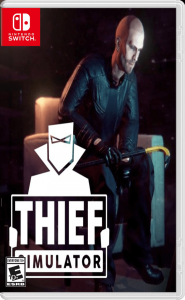
Thief Simulator Switch NSP XCI frames burglary as a game of patience, preparation, and careful timing. Developed by Noble Muffins and published by Forever Entertainment, this Nintendo Switch release arrived on May 16, 2019, blending simulation and strategy gameplay around scouting properties, entering without notice, collecting valuables, and leaving before a situation turns dangerous.
Thief Simulator on Nintendo Switch: A Stealth-Focused Crime Simulation
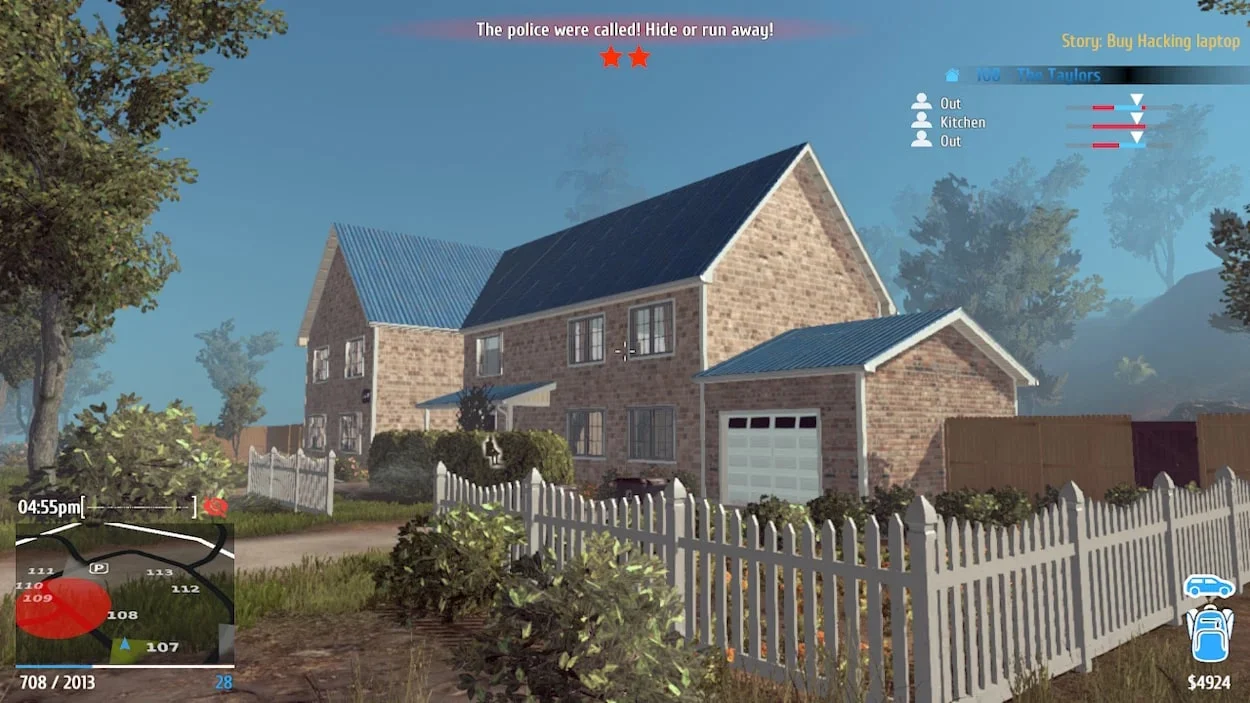
Thief Simulator Switch is built around the fantasy of planning a burglary rather than simply rushing through one. A job begins well before the player crosses a threshold. Homes must be watched, routines studied, and potential weaknesses identified. Residents, cameras, alarms, and patrol paths all matter when deciding how to approach a target.
That emphasis gives the game a deliberate, tense rhythm. The player is encouraged to look for the safest opening, assess what might go wrong, and consider how to get out again. Once inside, the focus shifts to quiet movement and controlled decisions. Valuable objects are only useful if they can be taken without drawing unwanted attention.
The strategy gameplay comes from managing risk. A direct route may be quick but exposed, while a slower route may require more tools or better timing. The simulation structure makes a successful burglary feel less like a single action sequence and more like a chain of choices, from surveillance through escape.
From Novice Burglar to Master Thief: How Progression Works
The progression in Thief Simulator begins with smaller burglaries and grows through successful work. Early jobs establish the basic rhythm of casing a property, entering it, taking loot, and getting away. As the player earns a stronger criminal reputation, new districts and more lucrative targets become available.
This advancement is tied to capability as well as access. Stolen goods can be sold for profit, while a hideout provides a place to store tools, prepare for future work, and improve equipment. Skill points can also be invested in areas such as stealth, lockpicking, and hacking. The result is a steady move from improvised break-ins toward more demanding jobs with greater security concerns.
The game’s criminal rise is not presented as a deeply cinematic story. Instead, its narrative momentum comes from increasing opportunity. Each clean operation contributes to the larger ambition of becoming a master thief able to handle higher-value scores and more sophisticated defenses.
Stealth, Locks, Alarms, and Avoiding Detection
Moment-to-moment stealth gameplay depends on awareness. Moving through a property quietly means paying attention to where people are likely to be, what security systems are active, and how long a player can remain unnoticed. Casing houses before a heist is important because it reveals daily routines and the layout of threats that may complicate an entry.
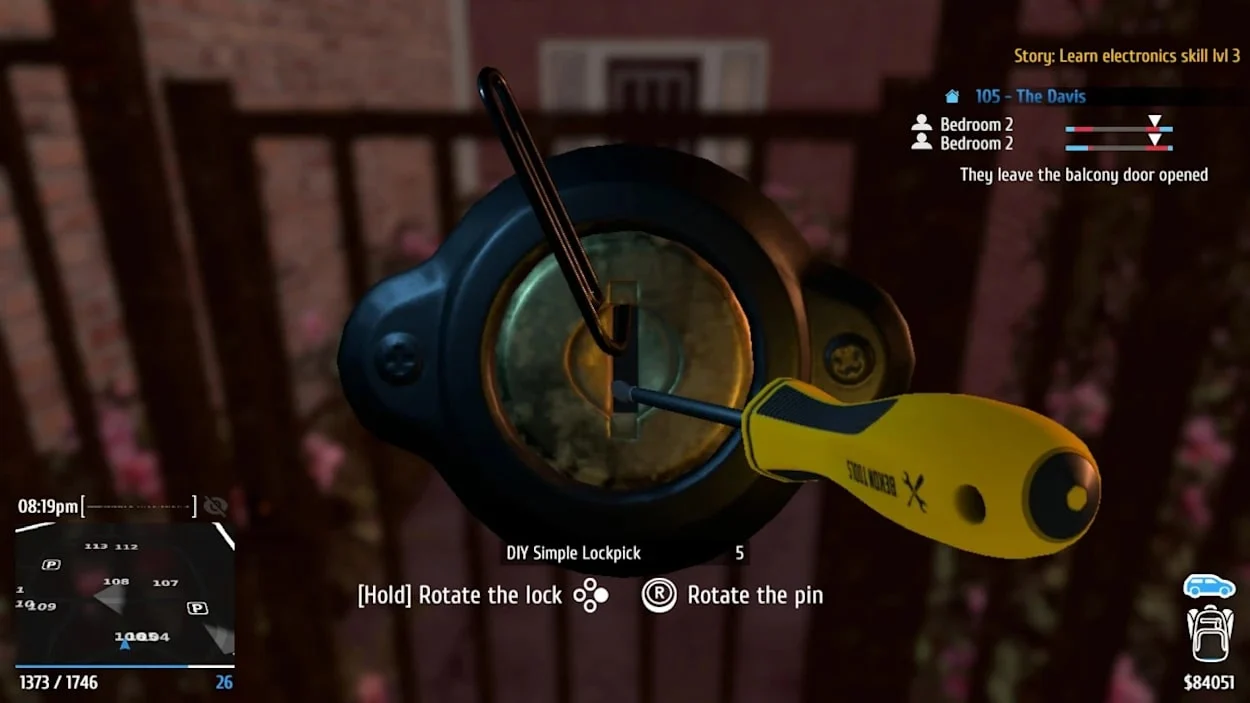
Locks are a central obstacle, making lockpicking a practical skill rather than a decorative feature. A locked door or container can separate the player from a useful route or valuable item. Alarms create another layer of pressure. Disabling them can make a property safer to search, while failing to manage them raises the risk of being spotted or attracting police attention.
The best runs are often the least dramatic ones. A careful player can avoid turning a burglary into a chase by taking time to observe, choosing a safer path, and knowing when an area is too risky. When detection becomes a possibility, the game pushes players to react quickly and think about escape instead of treating every target as a guaranteed score.
Tools That Support Each Burglary
The available tools support different approaches to infiltration. Lockpicks deal with locked access points, while crowbars and glass cutters offer other ways to get through barriers. Hacking devices provide another option when security systems must be addressed. The useful question before each job is not simply which tool is strongest, but which one fits the target’s defenses.
Equipment upgrades matter because they can make later jobs more manageable. Better tools, quieter shoes, and improved hacking equipment can help reduce the pressure of an operation. Skills and gear work together: investing in lockpicking, hacking, or stealth gives the player more ways to respond when a house presents a difficult obstacle.
This tool management also helps keep burglaries from feeling identical. One property may reward a quiet, lockpick-focused approach, while another may call for a different entry method or more attention to electronic security. Planning around available equipment is part of the game’s strategy rather than a step to skip between missions.
Vehicle Theft and Police Evasion
Vehicle theft expands the range of possible jobs. Players can learn to hotwire and steal cars, using them for quick getaways and larger hauls. It is another activity that benefits from preparation, since a stolen vehicle only helps if the player can avoid being caught after taking it.
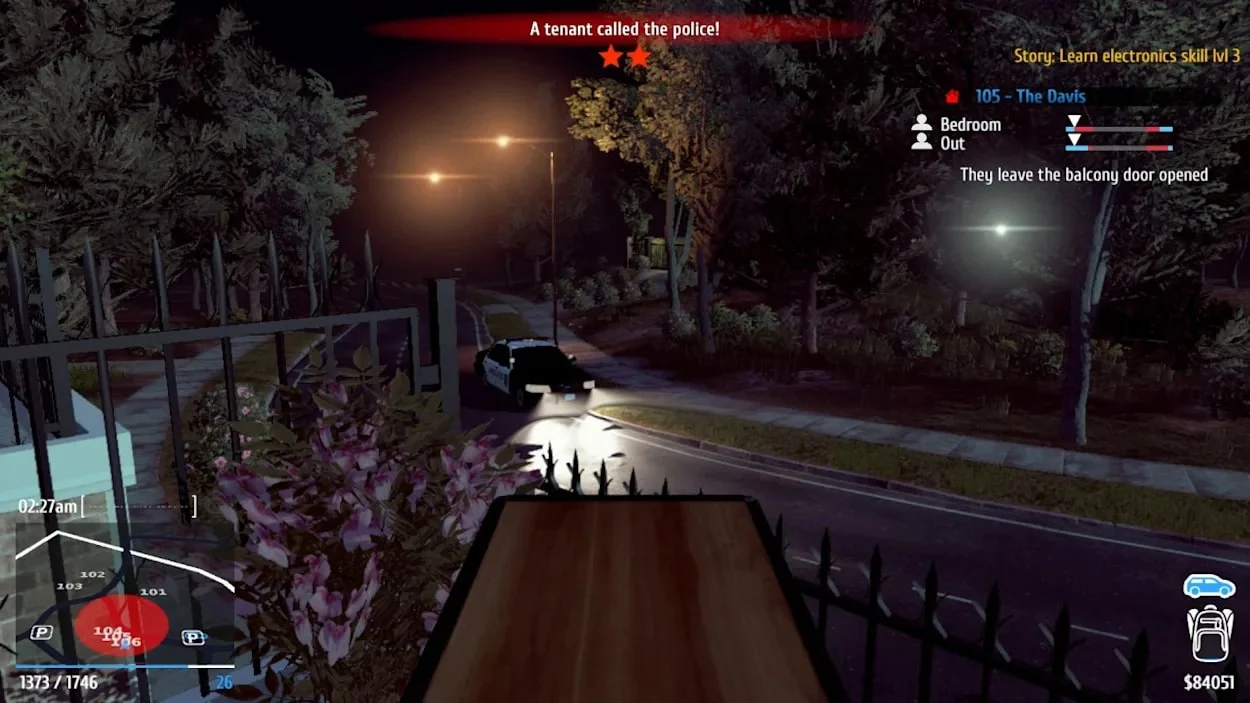
Police evasion becomes especially important once an alarm has been triggered or the burglar has been spotted. A clean exit is preferable, but the game accounts for plans going wrong. The need to escape after exposure reinforces the value of choosing an exit route before entering a property.
For players searching for the full Nintendo Switch release, Thief Simulator Switch NSP XCI is identified with Title ID 0100CE400E34E000. Its listed genre combines Simulation and Strategy, and it supports English, German, Spanish, French, Italian, Portuguese, and Russian across the Europe and USA regions.
7 Planning Priorities for a Safer Thief Simulator Heist
- Watch first. Observe residents’ daily routines before committing to an entry, and look for moments when a property is less risky.
- Map security. Identify cameras, alarms, and patrol paths so that the first surprise does not happen after the break-in has begun.
- Choose two routes. Plan both an entry path and an escape route, particularly when alarms or detection could force a fast retreat.
- Pack with purpose. Bring suitable tools such as lockpicks, crowbars, glass cutters, or hacking devices based on the target’s likely defenses.
- Stay quiet. Treat stealth as a constant concern inside the property, using patience and careful movement to limit exposure.
- Prioritize the loot. Focus on valuable items that make the risk worthwhile, then sell stolen goods to support future operations.
- Reinvest after success. Use profits and skill points to improve stealth, lockpicking, hacking, and equipment before moving on to tougher districts and targets.
Thief Simulator is best suited to players who enjoy methodical planning, resource management, and the pressure of avoiding detection. Its appeal comes from the repeated cycle of observation, infiltration, looting, escape, and improvement. With new districts, higher-value targets, skill development, tool choices, hideout management, vehicle theft, and police evasion, each successful job can create a stronger foundation for the next one.