Japanese Rail Sim: Hakone Town of Natural Beauty and Hot Springs Switch NSP XCI
Report Link Error
Select the broken download file, then submit the report.


Screenshots
About Game
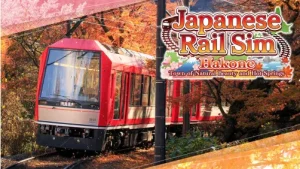
Japanese Rail Sim: Hakone Town of Natural Beauty and Hot Springs Switch NSP XCI places the player in the driver’s seat of a train operating through one of Japan’s best-known mountain and hot-spring regions. Rather than building its appeal around a fictional plot, this simulation frames each run as part of a new conductor’s working life: learn the route, respect its rules, and carry passengers safely through Hakone’s distinctive scenery.
A Hakone Rail Journey Built Around Scenic Immersion
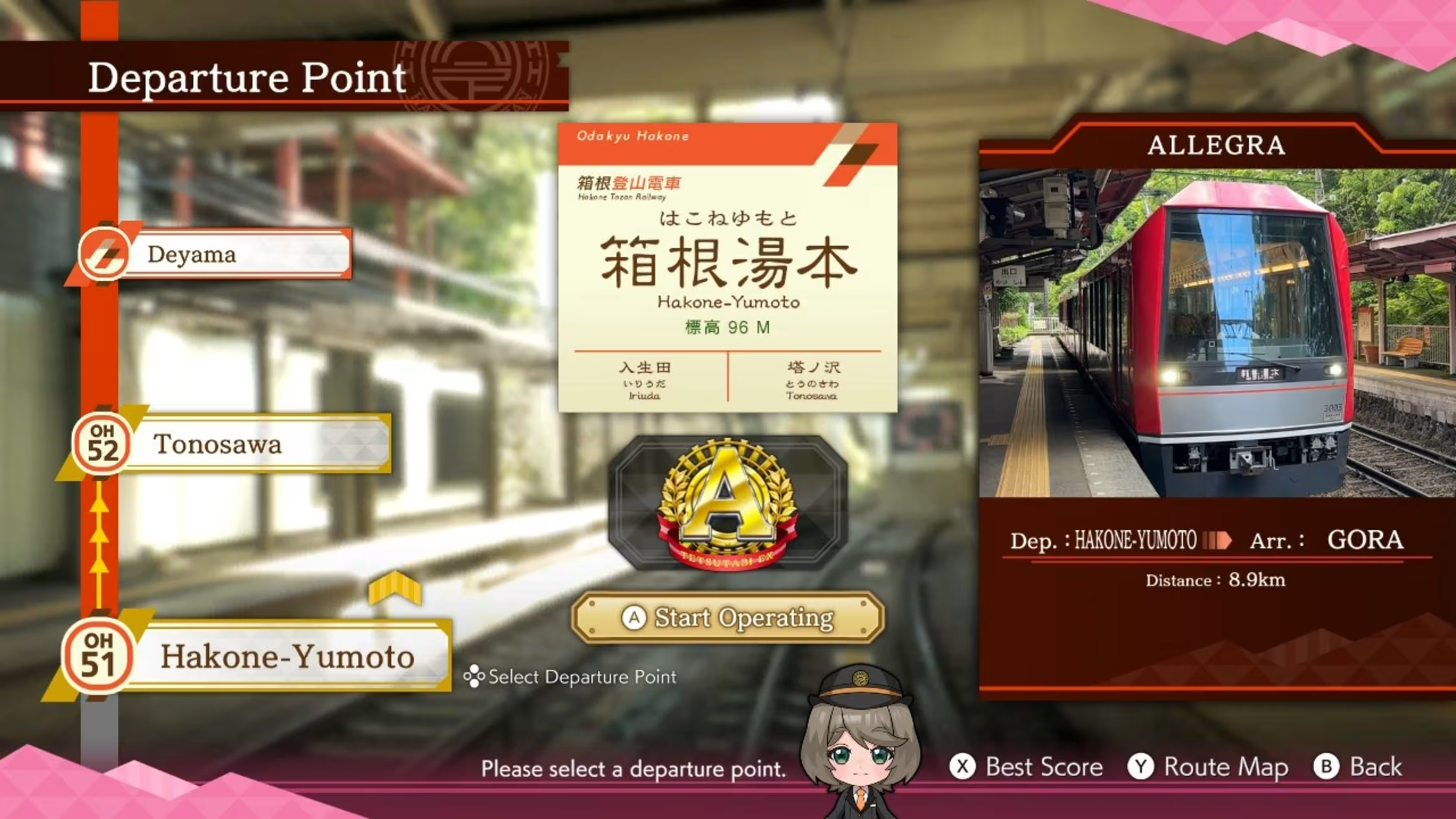
The setting is the Hakone Tozan Line, a railway route associated with Hakone’s natural landscapes, landmarks, and hot-spring-region character. Japanese Rail Sim Hakone uses high-definition footage captured along the line to present the journey from a driving perspective, making the scenery a central part of the experience rather than simple background decoration.
This approach gives the simulation a quieter rhythm than many transport games. The appeal lies in watching the route unfold while remaining attentive to the work of operating the train. Views of Hakone’s terrain and notable points along the line help give individual trips a sense of place, while changing conditions of season and time of day can make repeated journeys feel less static.
The route is also more than a sightseeing ride. Its mountain setting supports the game’s focus on careful operation, asking players to balance appreciation of the surroundings with the practical demands of a scheduled railway service.
The Conductor’s Role: Safety, Timing, and Passenger Comfort
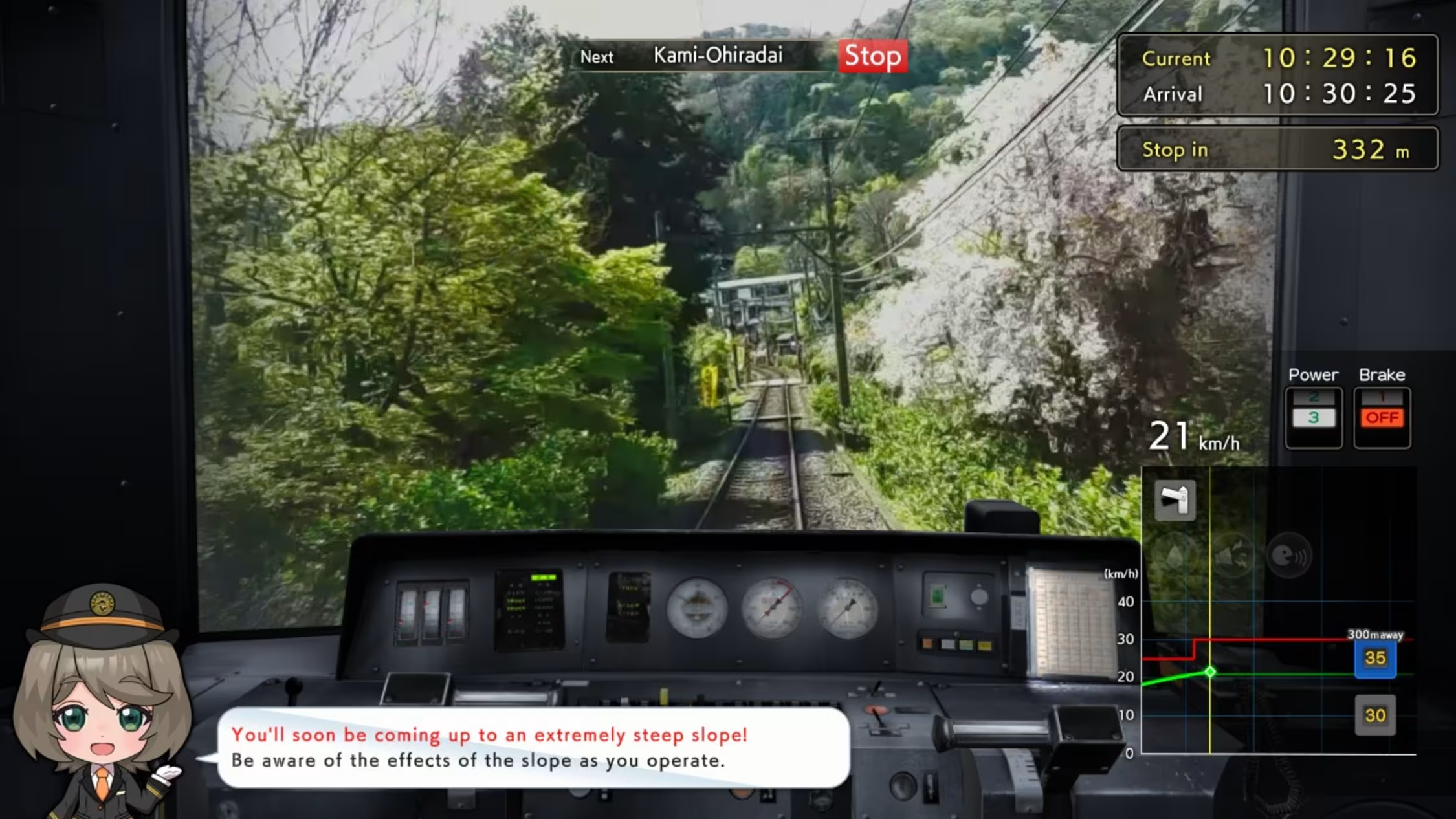
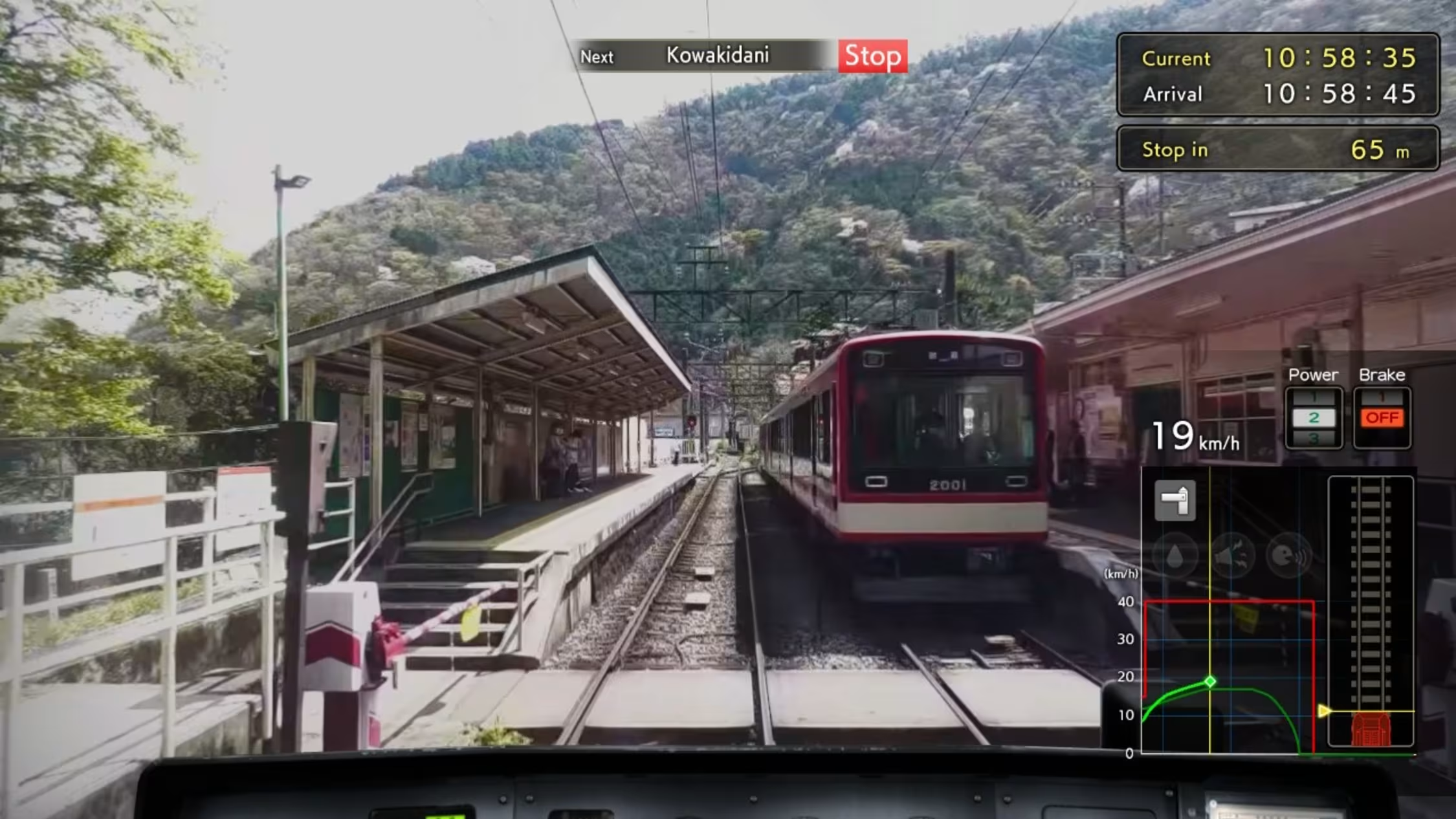
The main objective is direct: transport passengers safely and punctually. That means following railway schedules, observing signals, respecting speed limits, and stopping at stations at the proper time. The game’s conductor role is not presented as a high-speed challenge; it is built around discipline, awareness, and consistency.
A successful journey depends on more than reaching the next station. Players need to monitor the line’s requirements and avoid careless control changes that could undermine the ride. Smooth handling matters because passenger comfort is part of the intended operating standard. Sudden braking or overly aggressive acceleration may get the train moving, but controlled inputs better suit the simulation’s measured pace.
- Read the signals. Railway signals are part of the information players must observe while operating the route.
- Respect the timetable. Station stops and railway schedules shape the pace of every service.
- Watch the limits. Speed restrictions require attention throughout the journey.
- Brake with care. Gradual deceleration helps deliver a smoother stop for passengers.
- Build consistency. Repeated runs develop familiarity with the line, trains, and route conditions.
That structure makes the game suitable for players who enjoy procedural accuracy. The satisfaction comes from a clean run in which timing, braking, and observation work together, not from improvising beyond the railway’s rules.
Learning the Controls of Hakone Tozan Railway Trains
Japanese Rail Sim: Hakone Town of Natural Beauty and Hot Springs Switch NSP XCI focuses on operating trains from the Hakone Tozan Railway. Players manage the fundamentals of train controls, including acceleration, braking, and station approaches. These mechanics are accessible in concept, but their execution has consequences: good control is tied to smooth travel and dependable timing.
Acceleration should be deliberate rather than abrupt, while braking demands anticipation as stations approach. The game encourages players to learn how the train responds and to adjust their handling accordingly. This creates a practical learning curve for newcomers, while leaving room for simulation fans to pursue more precise runs.
Station stops give the driving model much of its texture. A player is not simply moving from one scenic point to another; they are managing an ongoing sequence of starts, controlled motion, deceleration, and punctual arrivals. The Hakone Tozan Railway setting gives these basic actions a clear context, turning train handling into the core activity rather than a feature added around the visuals.
A Progression Structure Based on Route Familiarity
There is no conventional character-driven storyline. Instead, progression follows the development of a new conductor. Early sessions are about becoming comfortable with the trains and understanding the demands of the Hakone Tozan Line. As performance improves, additional sections of the line can be opened.
This route progression gives practice a purpose. Learning the placement of stations, speed limits, signals, and scenic landmarks can improve a player’s confidence over time. The more familiar the railway becomes, the easier it is to focus on refinement: smoother braking, more measured acceleration, and more reliable schedule adherence.
Replay value comes naturally from that skill-based structure. Returning to a previously driven section is not only about revisiting Hakone scenery. It is also an opportunity to improve an earlier performance or experience the route under different seasonal or time-of-day conditions. The game’s progression is therefore modest but fitting for a rail simulation built around repetition, observation, and gradual competence.
Real-World Video Footage and Onboard Atmosphere
The presentation relies on real-life video footage recorded along the Hakone Tozan Line. This gives the driving view a grounded quality, with the route’s natural setting and landmarks presented as part of an actual rail journey. The use of video also aligns with the game’s restrained design: it is less concerned with spectacle than with conveying the sensation of looking ahead from a train cab.
Authentic announcements and ambient sounds add further context to each service. These details help establish an onboard atmosphere around the practical work of train operation. They also support the contrast at the heart of the game: Hakone can appear calm and scenic, but the driver still has schedules, signals, speed restrictions, and station stops to manage.
For players drawn to real-world rail settings, that combination of route footage, train announcements, and ambient sound is likely to be the strongest reason to spend time with the simulation. It is designed for an attentive audience that values atmosphere alongside operational routine.
Release and Platform Profile for the 2024 Simulation
Released in the USA in September 2024 and published by Sonic Powered, the game is a Nintendo Switch simulation for players interested in railway schedules, careful train controls, and a real-world Japanese route. Its language support includes English, Japanese, and Chinese. The experience is best suited to those who enjoy patient, detail-oriented rail simulation rather than fast-paced action, with Hakone’s scenery providing a memorable setting for the steady work of becoming a more capable conductor.