Mystery Box: Hidden Secrets Switch NSP
Report Link Error
Select the broken download file, then submit the report.
Screenshots
About Game
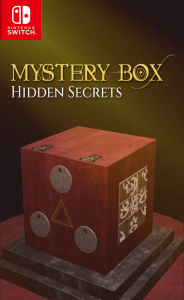
Mystery Box: Hidden Secrets Switch NSP is a puzzle and simulation game from Ocean Media, released on February 1, 2024. Built around an ancient, multi-layered box and the mysteries surrounding it, the game asks players to slow down, inspect closely, and make sense of mechanisms that do not immediately reveal their purpose. Its setting in a forgotten mansion gives the experience a quiet, enigmatic atmosphere, while the box itself remains the central object of investigation.
Mystery Box: Hidden Secrets at a Glance
Ocean Media serves as both publisher and developer for Mystery Box: Hidden Secrets, a puzzle simulation game focused on examination, interaction, and gradual discovery. The premise centers on a mysterious artifact that has been passed down through generations. Said to hold forgotten knowledge, the box presents a series of layers, compartments, symbols, and mechanical obstacles for the player to untangle.
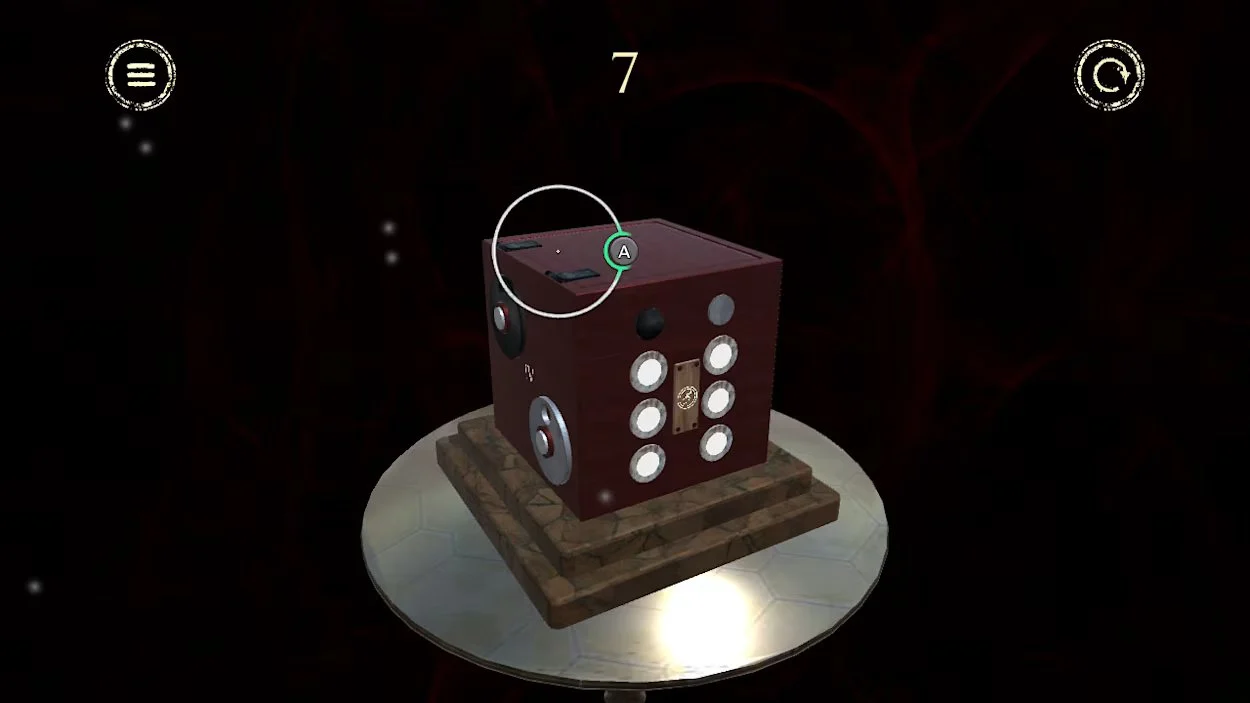
The game begins with the player in a peculiar mansion, drawn toward the object and its unresolved history. Rather than relying on broad action or rapid movement, its design places attention on the details of a single elaborate enigma. Panels can be moved, gears can be manipulated, and concealed spaces can be exposed as new connections become clear. That concentrated approach gives the game a suitably intimate mystery: progress comes from learning how the object works, one clue at a time.
The atmosphere is supported by the combination of an old artifact, a forgotten mansion, and a progression structure that withholds answers until players have earned them. It is a premise aimed at people who enjoy examining objects carefully and finding meaning in small visual or mechanical details.
Observation Is the Core Puzzle-Solving Skill
The most important tool in Mystery Box: Hidden Secrets is close observation. The box is not simply a menu of isolated challenges; its structure contains the puzzles. Players examine it from different angles, search for overlooked marks and mechanisms, and consider how separate details may relate to one another.
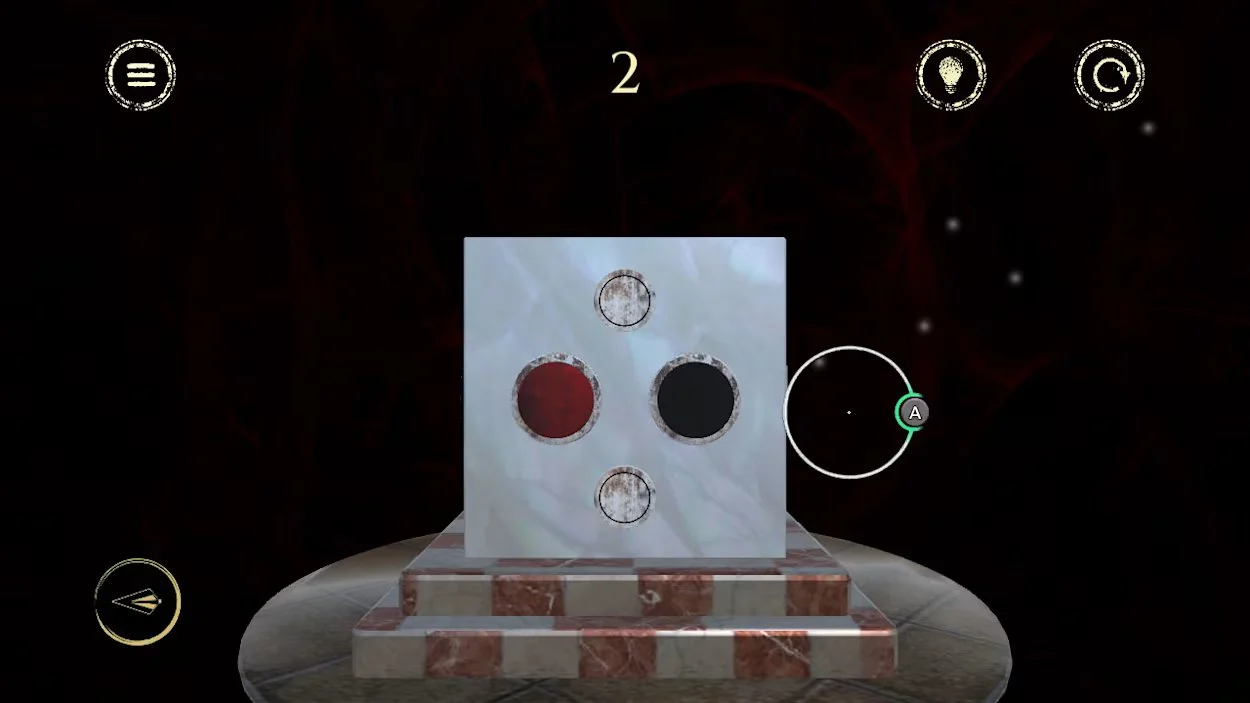
Subtle visual information can matter as much as an obvious lock or lever. A pattern, a symbol, a movable piece, or the placement of an item may point toward the next step. This makes puzzle solving less about rushing toward a single answer and more about building an understanding of the object’s construction. When one route appears blocked, a new perspective or a fresh look at an earlier detail may reveal what was missed.
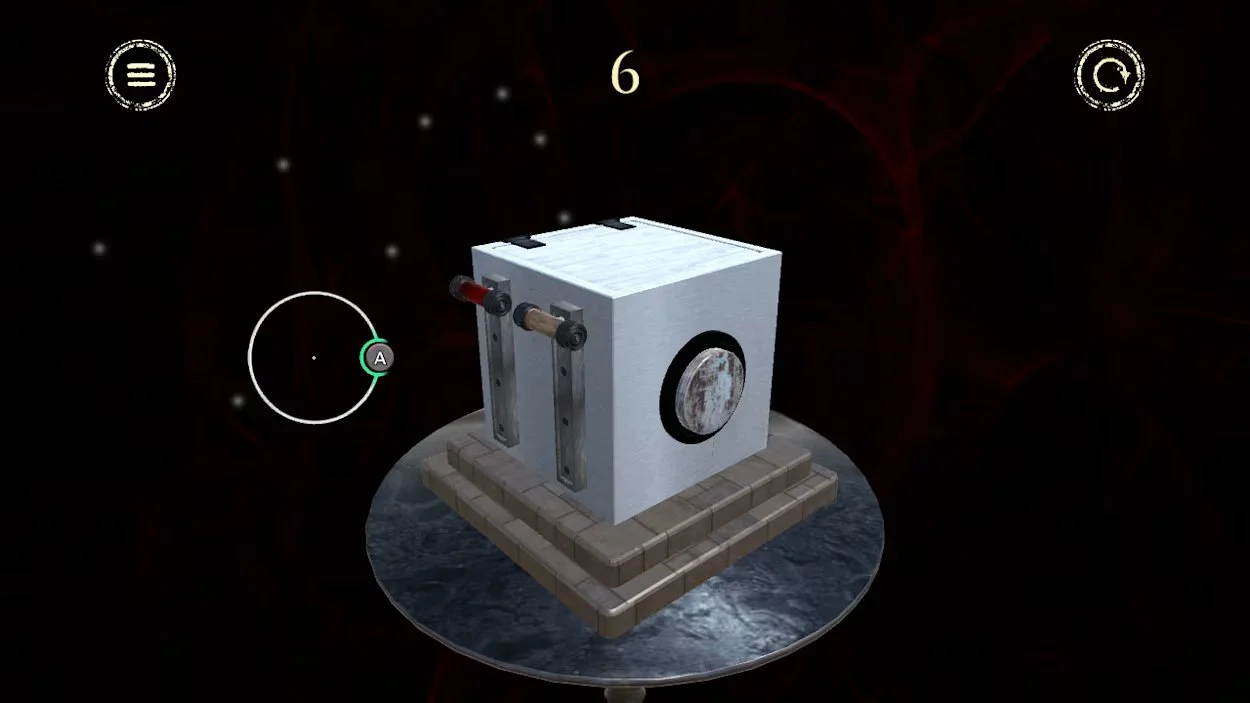
The available interactions reinforce that investigative rhythm. Rotating the box, sliding panels, operating gears, and uncovering compartments create a tactile sense of progress. Each action can alter what is visible or accessible, encouraging players to revisit areas that initially seemed complete. Patience is therefore part of the challenge: a solution may be present from the start, but only become recognizable after other clues have been found.
- Inspect every surface: Small markings and structural details can carry useful information.
- Test the mechanisms: Gears, levers, and sliding panels may reveal further parts of the box.
- Keep clues connected: A discovered item or symbol may have a purpose elsewhere.
- Change perspective: Looking again from another angle can make a previously unclear puzzle easier to read.
- Work patiently: The game’s layered design rewards careful thought rather than hurried guesses.
Cryptic Symbols, Hidden Items, and Puzzle Progression
The puzzle progression draws from several connected forms of interaction. Players decode cryptic messages and mysterious symbols, locate hidden items, and combine those items when their uses become apparent. These elements are not presented as separate concerns for long; they feed into the process of opening more of the box and reaching its deeper layers.
Hidden items provide a practical side to the mystery. Finding an object is only part of the task, since players also need to determine where it belongs or how it can be used with another discovery. Symbols and messages add another level of interpretation, asking players to connect visual evidence with the mechanisms in front of them. A clue may suggest a sequence, identify a location, or explain why a particular component needs to be moved.
This structure makes each opened drawer or newly accessible compartment meaningful. Unlocking a section is not merely a reward; it introduces fresh information and expands the set of possibilities. The game’s successive stages are built around that relationship between discovery and use. Something uncovered in one section may clarify a puzzle in another, while a newly revealed mechanism can cast an earlier clue in a different light.
For players drawn to cryptic messages, concealed objects, and mechanically focused puzzles, the appeal lies in following those threads until they form a workable solution. The game asks for attention to both the box’s physical design and the information embedded within it.
How the Mansion Context Supports the Mystery
While the box remains the main focus, the mansion gives its investigation a broader context. The player awakens in this forgotten place and is led toward the artifact, making the setting part of the game’s mystery rather than a purely decorative backdrop. Solving puzzles can unlock new mansion areas or sections, extending the sense that the box and its surroundings are connected.
Backstory fragments, including journal entries, can also be discovered as progress is made. These fragments provide context for the enigma and its history without shifting attention away from the puzzle work. Their role is to deepen the unanswered questions around the artifact: why it exists, what knowledge it may contain, and what its many layers are intended to conceal.
This use of the mansion supports a restrained form of storytelling. Instead of resolving everything immediately, the game distributes context through exploration and successful solutions. The result is a setting where hidden secrets are uncovered in pieces, matching the way the box itself gradually yields access to new spaces.
A Gradual Challenge Built Around Layers and Discovery
Mystery Box: Hidden Secrets Switch NSP builds its challenge around escalation. Early interactions establish the basic language of inspection and manipulation, while later obstacles become more complex as more of the object is exposed. Simple actions such as moving a panel or examining a marking develop into larger chains of reasoning involving items, symbols, compartments, and environmental puzzles.
The layered construction gives successful solutions a clear sense of payoff. Opening a concealed drawer or reaching a fresh section confirms that careful observation has led somewhere tangible. These breakthroughs are especially important in a game centered on a single central artifact, because each revelation changes the player’s understanding of what the box contains and how its parts fit together.
Its suitable audience is therefore players who enjoy deliberate puzzle solving, experimentation, and the satisfaction of an “aha” moment after working through a difficult clue. The emphasis on patience and curiosity makes it particularly fitting for those who prefer mysteries that unfold through examination rather than speed.
Release Details, Regions, and Language Support
Mystery Box: Hidden Secrets released on February 1, 2024. Its Title ID is 010090001DC78000. The listed Nintendo Switch regions are Europe, USA, Asia, and Japan.
Language support includes English, French, German, Italian, Japanese, and Russian. The title is listed with a base firmware requirement of v17.0.0. With its focus on layered puzzles, hidden clues, and a mansion-bound artifact, Ocean Media’s game presents a compact mystery designed around observation and steady discovery.