Pokémon Let’s Go Pikachu Switch NSP XCI

Report Link Error
Select the broken download file, then submit the report.
Screenshots

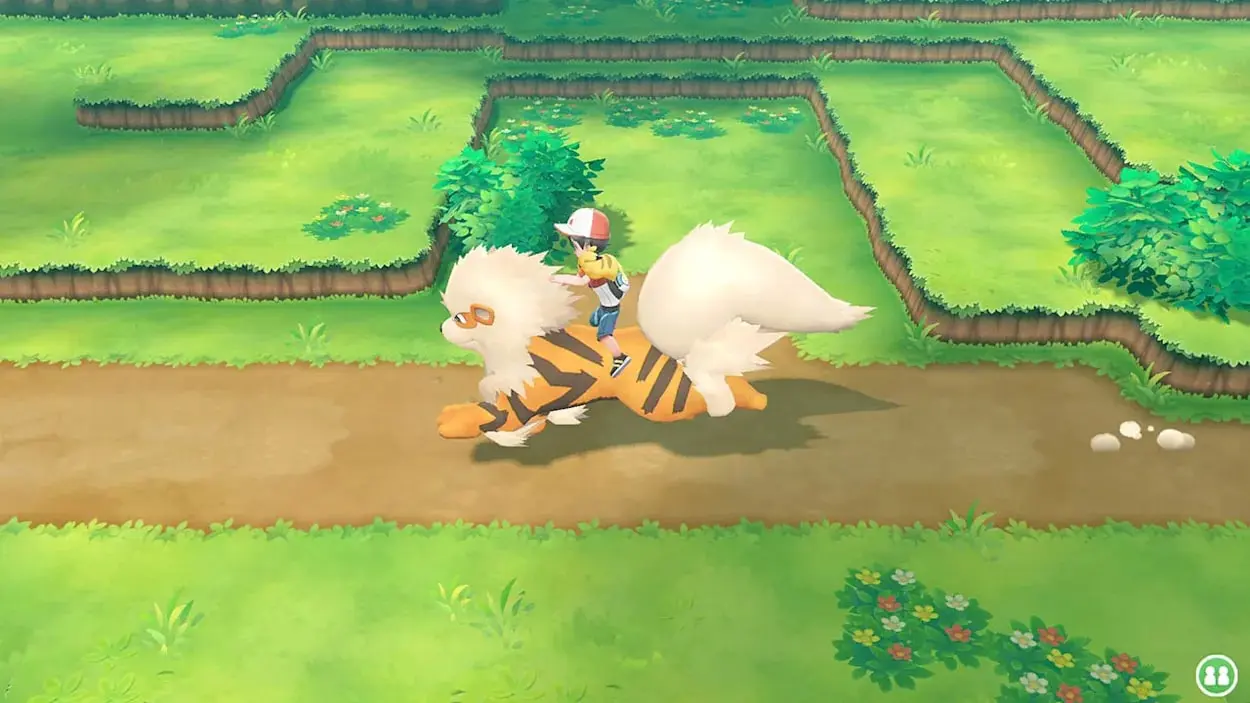

About Game
Pokémon Let’s Go Pikachu Switch NSP XCI returns to the Kanto region with a bright, approachable take on the Pokémon Yellow formula. Beginning in Pallet Town, a new Trainer sets out with a partner Pikachu, pursuing Gym Badges and a place before the Elite Four while revisiting familiar towns, routes, rivals, and Team Rocket encounters. It is an adventure built around discovery, collection, and the unusually direct presence of Pikachu at the player’s side.
A Return to Kanto Through Pikachu’s Adventure
Pokémon Let’s Go Pikachu frames Kanto as both a classic destination and a welcoming starting point. The route from Pallet Town to the Elite Four follows the broad shape associated with Pokémon Yellow, but the journey places extra weight on the relationship between Trainer and partner Pikachu. That companion is not simply one member of a party; Pikachu is a continuing presence through exploration, interactions, and progression.
The setting also benefits from a presentation that makes Pokémon visible in the overworld. Rather than entering every patch of grass without knowing what may appear, players can see wild Pokémon on the map and choose the encounters they want to begin. This gives travel across Kanto a more deliberate rhythm. A route can become a place to search, avoid, revisit, or carefully comb for a particular Pokémon.
Classic milestones still structure the adventure. Gym Leaders provide clear tests of progress, rivals and other Trainers create regular battle challenges, and Team Rocket supplies familiar trouble along the way. The region includes the original 151 Pokémon as well as their Alolan forms, giving the collection side of the journey a substantial role alongside the main badge quest.
Building a Bond With Partner Pikachu
The partner Pikachu relationship is one of the game’s most personal touches. Players can interact with Pikachu through petting, feeding, and play, turning pauses between battles into small moments of companionship. These interactions are not presented as separate from the wider adventure: a stronger bond can produce useful in-battle effects and may help with finding hidden items while travelling.
That connection gives exploration a warmer tone. Kanto is still full of objectives, routes, towns, and opponents, but the partner system encourages attention beyond the next battle. Checking in with Pikachu can become part of the travel routine, especially for players who enjoy a Pokémon journey with a more companion-focused feel.
Pikachu also gains access to Secret Techniques that support navigation. This makes the partner relevant in practical terms as well as emotional ones, linking the relationship system to movement through the region. The result is a Kanto adventure in which Pikachu is both a character beside the Trainer and a meaningful part of the route forward.
Why Trainer Battles Still Reward Strategy
Although catching uses an approach inspired by Pokémon GO, battles against Trainers retain traditional turn-based Pokémon combat. Rivals, regular Trainers, and Gym Leaders all ask players to consider move selection, Pokémon training, and team composition. The familiar importance of type advantages remains central: choosing an effective Pokémon and the right move can change the direction of a difficult match.
This balance matters because the game’s catching system is more immediate and physical, using motion controls or a single Joy-Con to throw Poké Balls, while Trainer battles preserve a more measured tactical pace. Wild Pokémon appear on the overworld, players choose which ones to approach, and then the team built from those catches must perform in formal battles.
Gym battles especially give training a purpose. Progress is not only about reaching the next town; it is about preparing a group that can answer the challenges ahead. Teaching powerful moves and developing a balanced team remain reliable priorities for anyone working through Kanto’s major encounters.
An Ordered Guide to Early Kanto Priorities
- Check in with Pikachu. Petting, feeding, and playing with the partner Pikachu can strengthen the bond, with potential benefits during battles and exploration.
- Search each route. Take time with Kanto exploration rather than rushing between story milestones, since routes and corners may hold hidden items, secret areas, and new encounters.
- Build catch combos. Repeated catches can help in the search for rare Pokémon and can earn Candy for stat boosts.
- Train a varied team. A group with useful move coverage is better prepared to exploit type advantages in turn-based battles.
- Plan for Gym battles. Treat each badge challenge as a reason to review levels, moves, and the Pokémon best suited to the coming opponent.
These Pokémon Let’s Go Pikachu tips are practical because they connect the game’s separate systems. Catching is not only for filling a collection; it supports Pokémon training. Exploring is not only for scenery; it can reveal resources and navigation options. Partner interaction is not only decorative; it can affect the journey in useful ways.
Exploration and Navigation Across Kanto
Kanto exploration works best when it is approached with patience. The visible overworld Pokémon encourage players to make choices about encounters, while the region’s towns, routes, and hidden corners invite closer inspection. A detour may lead to an item, a secret area, or a Pokémon worth adding to the team.
The game’s Secret Techniques reinforce that sense of practical discovery. Because partner Pikachu can learn these navigation abilities, progression is tied to the companion already travelling with the player. This gives movement through the region a cohesive feel: the same Pikachu that receives attention through bonding also helps open the way onward.
The Kanto setting is presented in HD, but its appeal is not limited to visual familiarity. Its strengths come from how recognizable places support a steady cycle of travel, catching, training, battling, and returning to earlier areas with new goals. Players interested in completing their collection can also transfer Pokémon from Pokémon GO, expanding the options available for their journey.
Sharing the Journey With Cooperative Play and Customization
For players who prefer company, cooperative multiplayer allows a second player to join using another Joy-Con. That option can make catching and exploration feel more social, while still keeping the main journey rooted in the Trainer and Pikachu partnership. It is a simple way to share Kanto’s routes and encounters without changing the game’s core direction.
Customization adds another layer of personality. Trainer outfits and Pikachu outfits let players give the adventure a more individual look, which suits a game built around travelling closely with a visible partner. These details do not replace the central progression through badges and battles, but they make the journey feel more like a personal trip across Kanto.
Released by Nintendo and developed by Game Freak on November 16, 2018, Pokémon Let’s Go Pikachu Switch NSP XCI is well suited to players looking for a Kanto-focused role-playing adventure with traditional Trainer strategy, visible wild Pokémon, partner interaction, and cooperative support. Its replay value naturally comes from collecting Pokémon, pursuing catch combos, revisiting routes, experimenting with teams, and making the familiar road to the Elite Four feel distinctly one’s own.