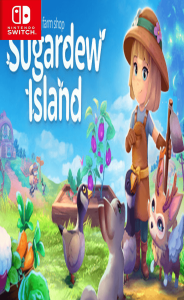
Sugardew Island Switch NSP
Report Link Error
Select the broken download file, then submit the report.
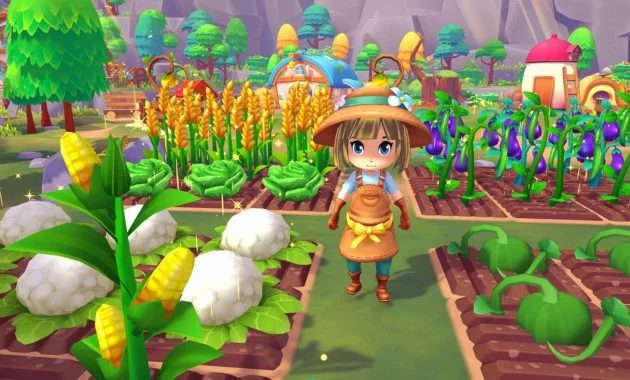
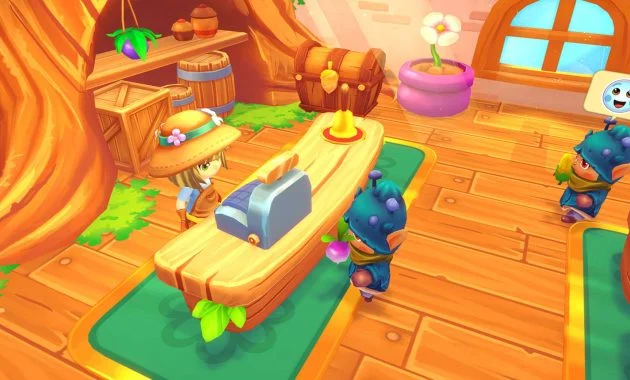
Screenshots
About Game
Sugardew Island Switch NSP refers to the Nintendo Switch release of Sugardew Island, an Adventure and Simulation title developed and published by Rokaplay. Released on March 7, 2025, it arrives with a genre pairing that points toward patient exploration, gradual advancement, and decisions made over time rather than a purely action-focused pace.
Sugardew Island on Nintendo Switch: Confirmed Game Overview
Sugardew Island is confirmed for Nintendo Switch and is classified under the Adventure and Simulation genres. Rokaplay serves in both major roles behind the release, acting as developer as well as publisher. That direct connection gives the game a clear identity in the metadata: it is a Rokaplay project from development through publication.
The March 7, 2025 release date places the game among the Nintendo Switch’s newer simulation-adventure offerings. Its classification is important because it sets reasonable expectations without supplying details that have not been confirmed. The available information does not identify specific characters, story events, locations, modes, or individual systems. What is confirmed is the broader framework: an adventure-oriented experience with simulation elements.
For players looking at Sugardew Island Switch as a genre proposition, that combination suggests a title built less around uninterrupted speed and more around a continuing sense of direction. Adventure games often encourage attention to goals and discovery, while simulation games commonly give weight to routines, planning, and repeated choices.
What the Adventure and Simulation Genre Combination Suggests
The Adventure and Simulation labels offer a useful, if deliberately broad, way to approach Sugardew Island gameplay. Adventure design is often associated with moving through an organized progression of objectives or discoveries. Simulation design, meanwhile, tends to reward consideration: looking at what needs attention, deciding on priorities, and seeing how repeated decisions shape progress.
That does not confirm any particular mechanic in Sugardew Island. There is no verified information naming maps, missions, activities, controls, or narrative structure. Still, the genre combination supports the expectation of a measured experience in which players may be encouraged to observe, plan, and return to ongoing goals.
An adventure simulation game can appeal because it leaves room for pacing. Rather than assuming that every objective demands an immediate response, players can approach available priorities in a more deliberate order. The interest comes from building momentum gradually and paying attention to the consequences of small decisions over a longer stretch of play.
That framing is especially useful for setting expectations around Sugardew Island Switch NSP. The title’s confirmed metadata supports a broad progression-and-planning perspective, but it does not support claims about exact activities or systems. Players seeking highly specific information should rely on official material that addresses those details directly.
A Measured Play Style Built Around Progress and Planning
A simulation game progression loop does not need constant urgency to remain engaging. For many players, the appeal is in working through manageable objectives, learning how priorities connect, and making choices that contribute to longer-term advancement. The Adventure and Simulation classification suggests that Sugardew Island may be most comfortable when approached with patience rather than a rush toward efficiency.
That kind of Nintendo Switch adventure game can suit players who enjoy a structured routine. Small goals can provide a sense of momentum, while longer-range decisions give those goals context. The available information does not confirm how the game organizes progression, but its genre labels leave room for a play style focused on steady attention and thoughtful management.
- Start gradually: A patient opening can help players understand the priorities presented by a simulation-oriented experience.
- Watch for connections: Repeated choices may matter more when several goals or responsibilities develop alongside one another.
- Set manageable aims: Smaller objectives can make a longer progression path feel clear and purposeful.
- Plan ahead: Balancing immediate needs with future progress is a familiar appeal of simulation-focused play.
- Keep expectations broad: Specific mechanics have not been confirmed in the supplied information.
Replay value cannot be defined from the listed metadata alone. There are no confirmed details about alternate routes, modes, variable outcomes, or other features that would establish repeat-play structure. The strongest supported observation is that ongoing choices and gradual progression are central expectations associated with the game’s genre classification.
Who May Enjoy Sugardew Island Most
The likely Sugardew Island audience includes players who prefer a calm, organized rhythm over fast and uninterrupted action. Those interested in exploration, ongoing management decisions, and a sequence of achievable goals may find the Adventure and Simulation blend appealing.
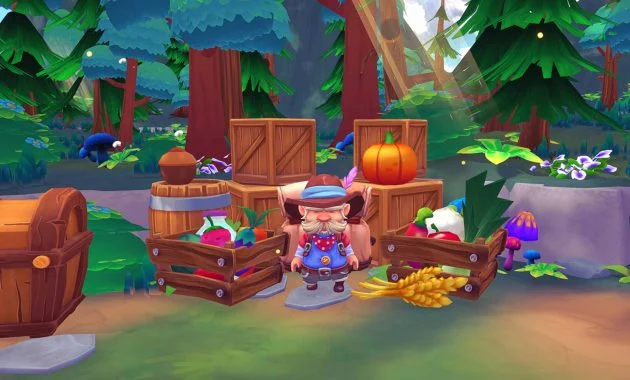
It may also interest players who enjoy the broad idea of a cozy simulation adventure, provided they understand that atmosphere and specific features are not detailed in the confirmed information. The available classification supports a patient style of play, but it does not establish the game’s visual presentation, tone, setting, or story.
Fans of Nintendo Switch simulation games often value the ability to proceed at a personal pace, observe how systems relate, and develop familiarity through repetition. Sugardew Island appears positioned for that general audience: people who like considered choices and sustained progress rather than a single, immediate objective.
Release Date, Developer, and Publisher Details
Sugardew Island released on March 7, 2025. Rokaplay is confirmed as both the developer and publisher, making Sugardew Island Rokaplay a straightforward reference to the same company’s dual role on the project.
The Nintendo Switch title is identified by Title ID 0100D9501FE7A000. This identifier distinguishes the release when reviewing its listed metadata. As a 2025 Adventure and Simulation game, Sugardew Island is defined by a concise but clear set of confirmed details: platform, genres, date, and Rokaplay’s involvement.
Supported Regions and Available Languages
The listed regions for Sugardew Island are Europe, USA, and Japan. This gives the release a broad regional footprint across three major Nintendo Switch territories.
Available languages are English, Spanish, French, German, Italian, and Portuguese. That selection supports several widely used European languages alongside English, giving players in the listed regions multiple language options. No further language or regional distinctions are confirmed in the supplied metadata.