Roots of Pacha Switch NSP

Report Link Error
Select the broken download file, then submit the report.
Screenshots
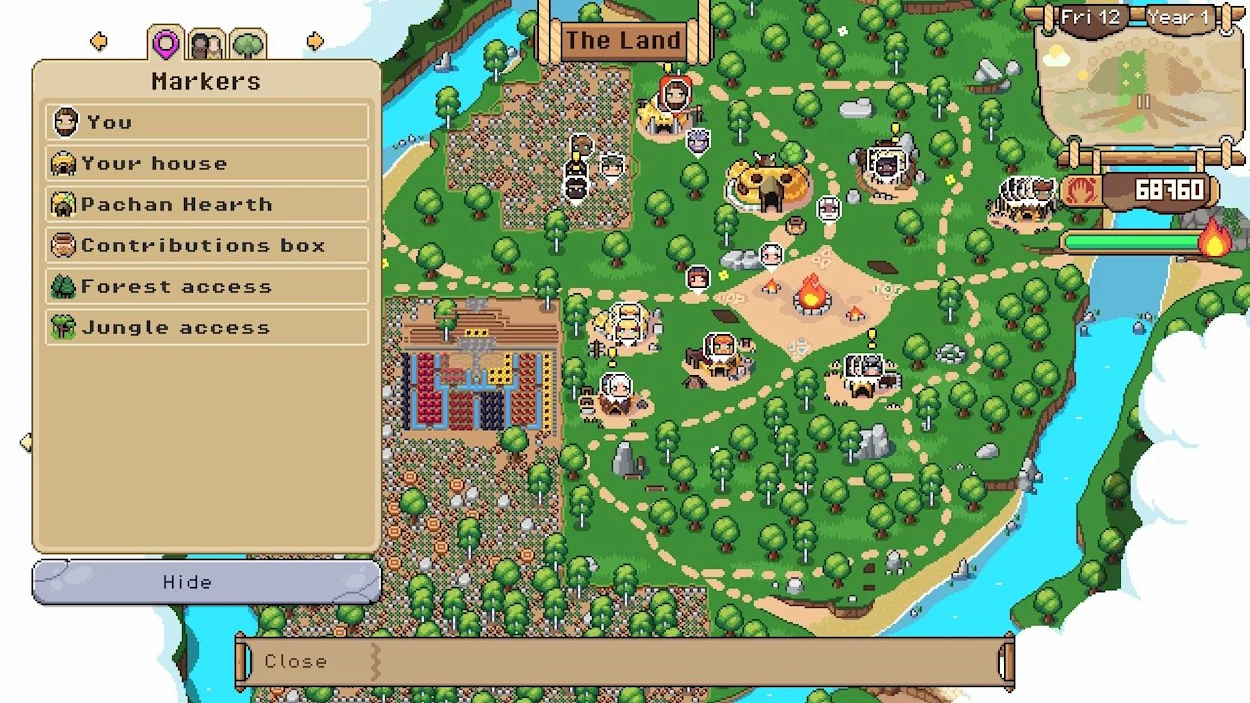
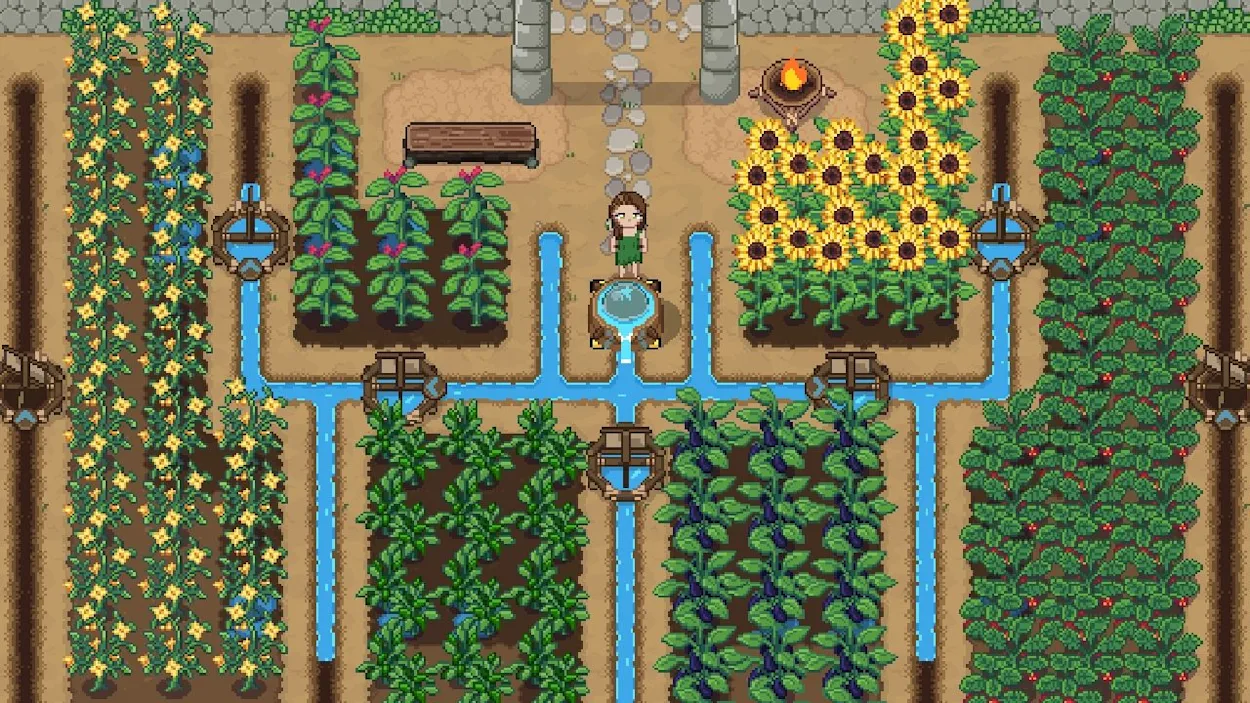
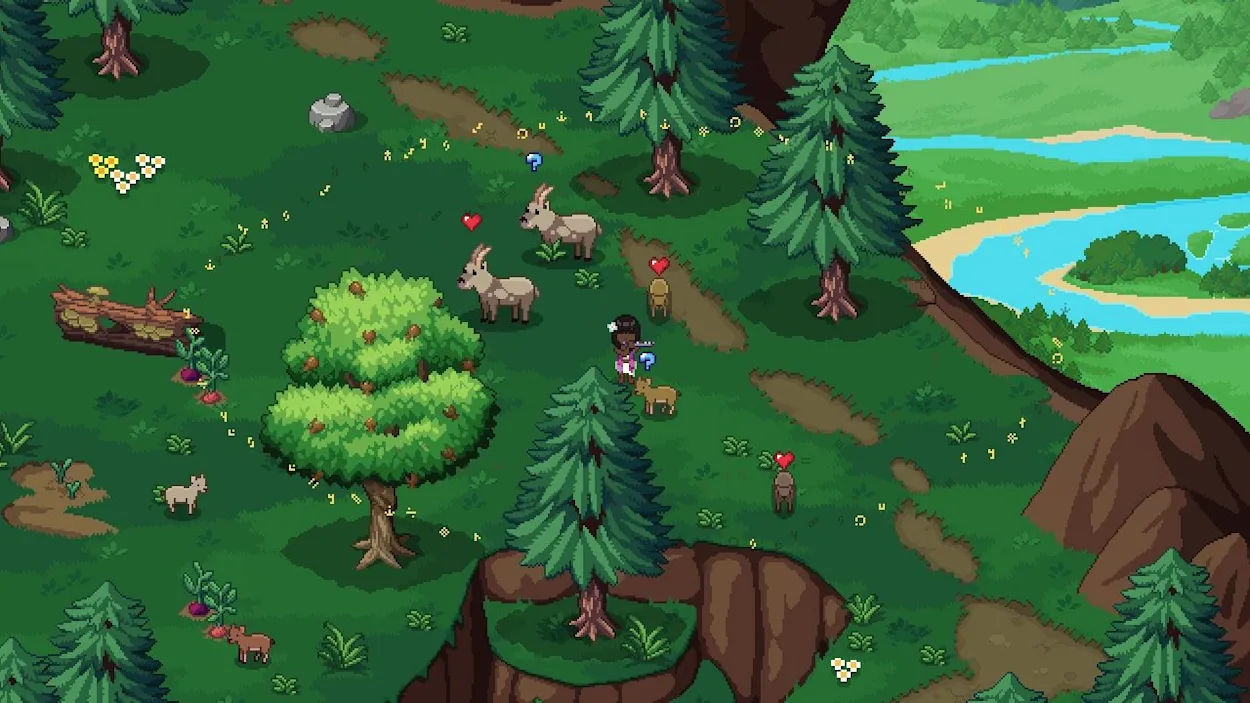
About Game
Roots of Pacha Switch NSP places a small clan of early humans in newly discovered fertile land and asks them to do more than endure. The aim is to turn a fragile beginning into a lively home through shared work, curiosity, and practical invention. Released on November 28, 2023, this role-playing and simulation game from Soda Den frames progress as a communal effort, with daily tasks feeding into the wider future of the village.
A Stone Age Community Built on Discovery
The central appeal of Roots of Pacha is its movement from survival toward prosperity. The clan begins in unfamiliar but promising territory, where the environment is not simply a backdrop but the source of food, materials, ideas, and new possibilities. A productive day might involve tending land, collecting resources, meeting fellow clan members, or looking beyond the settlement for something useful.
This makes clan development feel tied to cooperation rather than isolated achievement. The village grows because its people learn from the world around them and put those discoveries to use. Other clans also enter the broader journey, bringing opportunities to share knowledge and take part in traditions. Festivals and rituals further reinforce the sense that this is a community with a relationship to nature, not merely a collection of buildings and tasks.
The Stone Age setting gives familiar simulation activities a different context. Instead of treating advancement as a rush toward modern convenience, the game focuses on early experimentation: finding a useful process, improving a tool, or understanding how a piece of land can support more people. Its atmosphere is rooted in that patient cycle of observation and participation.
Farming Ancient Crops and Shaping Productive Land
Roots of Pacha farming turns cultivation into one of the clearest ways the clan establishes itself in its new home. Players can grow ancient crops including potatoes and squash, using early agricultural methods to transform wild ground into productive land. Farming supports the daily rhythm of the settlement, giving routine purpose to planting, gathering, and planning for continued growth.
The emphasis on ancient crops helps the activity fit the setting rather than feeling detached from it. Potatoes and squash are part of a broader process of learning what the land can provide. Experimenting with seeds is encouraged, while the results of cultivation feed into the village’s ability to become more stable and comfortable.
That rhythm matters because farming is not presented as a lone activity. The benefits extend outward to the clan, complementing crafting, building, exploration, and relationships. A settlement that can work its land has more room to pursue ideas, improve its surroundings, and support a flourishing community.
From Wild Animals to Trusted Clan Helpers
Animals are another important part of the world’s natural systems. Players can befriend wild creatures and develop relationships that change how those animals fit into village life. The idea of animal befriending supports the game’s broader interest in understanding nature instead of simply extracting from it.
Mammoth domestication is the most striking example. Mammoths can assist the clan, adding a memorable Stone Age dimension to the practical work of settlement building. Their presence also gives the game a stronger sense of place: this is a world where the people are still learning how to live alongside the creatures around them.
These interactions suit the communal tone. Animals can become helpful companions in the clan’s development, while their wild origins keep the focus on discovery. The process connects naturally with farming and gathering, since each system asks players to pay attention to what the environment can offer.
Ideas, Tools, and the Clan’s Technological Progress
Progress in Roots of Pacha comes through ideas as much as raw materials. The clan can discover new tools, processes, and inventions that make life more capable over time. Beginning with simple equipment gives tool upgrades a clear role: better tools improve efficiency and help players make more effective use of their time and energy.
- Gather first: Collecting resources provides the material basis for crafting and village work.
- Improve tools: Upgrades help make repeated tasks more efficient.
- Test new ideas: Discoveries can lead to fresh processes and useful inventions.
- Build with purpose: Structures and customization help shape a more comfortable village.
- Share progress: Cooperation with clan members and friends supports collective development.
This crafting progression gives the settlement a tangible sense of change. Cave materials can become part of better tools and structures, while inventions help the clan move beyond its earliest limitations. The result is a form of advancement that remains grounded in practical needs: making work easier, improving the home, and finding new ways to support the people living there.
The same focus gives Roots of Pacha Switch NSP a steady progression loop. There is always another useful activity connected to the village’s future, from resource collection to tool improvement and customization. Rather than separating discovery from daily life, the game makes each new idea part of the clan’s ongoing story.
Exploration Across Biomes, Rivers, Oceans, and Caves
Exploration broadens the village routine beyond its fields and homes. Diverse biomes offer their own resources and challenges, encouraging players to travel in search of useful materials. This gives gathering a more adventurous role, as the land beyond the settlement can reveal ingredients for crafting and further development.
Fishing adds another layer to that search. Rivers and oceans contain different species and useful resources, making waterways a destination rather than scenery. Cave mining serves a similarly practical purpose, allowing players to seek ores and other valuable materials for tools and structures.
These activities create variety without losing sight of the game’s central community focus. Farming may sustain the day-to-day rhythm, but exploration supplies the discoveries that expand what the clan can accomplish. Fishing resources, cave materials, and biome-specific finds all feed back into a settlement that is gradually becoming more capable.
Cooperative Play and Shared Stone Age Progress
Roots of Pacha multiplayer brings the communal theme directly into play by allowing friends to gather, build, and innovate together. Cooperative play makes the workload of early settlement feel shared, and it matches a game built around the idea that progress comes from people contributing to a common home.
Friends can participate in the same broad range of activities, from working the land and collecting materials to helping develop the village. That shared village building can make routine tasks feel less solitary and create more opportunities for joint planning. The setting remains rooted in early human ingenuity, but the cooperative structure gives it a social, welcoming energy.
For players drawn to farming, crafting, exploration, animal interaction, and community management, the game offers several connected ways to spend time. Its replay value comes from that variety of pursuits and the continuing effort to develop the clan’s home, explore its surroundings, and pursue new ideas alongside others.
Soda Den’s role-playing and simulation title supports English, French, German, Japanese, Portuguese, Russian, Simplified Chinese, and Spanish, with availability listed for Europe, the USA, and Japan. Its Stone Age setting, cooperative options, and gradual village-focused progression make it particularly suited to players who enjoy building a shared life through steady discovery.