Love Language Stories Switch NSP

Report Link Error
Select the broken download file, then submit the report.
Screenshots

About Game
Love Language Stories Switch NSP is a Nintendo Switch Adventure and Simulation release dated February 1, 2024. Published and developed by Cooking, Publishing, it is available in Europe and the USA with English and Spanish language support. Its premise follows Alex through a new chapter of life in a busy city, where ordinary conversations and small gestures become the basis for friendship, self-discovery, and possible romance.
Love Language Stories on Nintendo Switch: Release Details and Game Profile
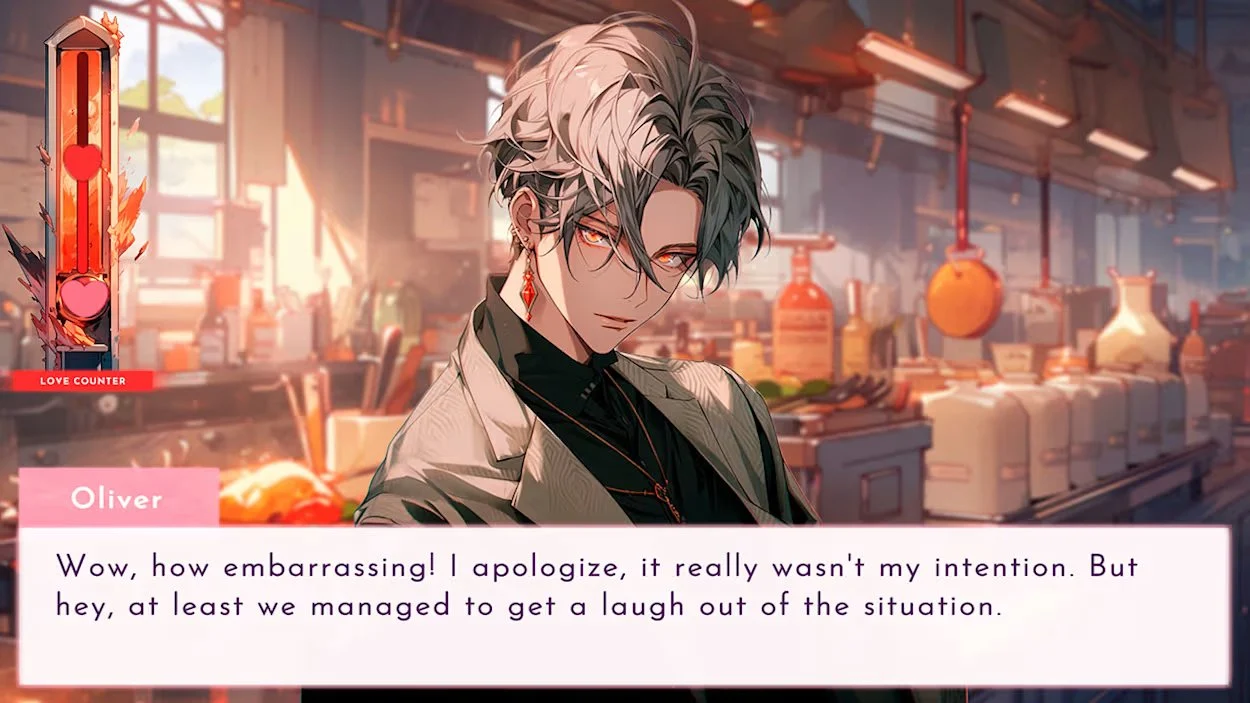
Love Language Stories presents itself as an interactive, visual-novel-led experience rather than a game built around fast action. Players guide Alex, described as a newcomer to a school or professional environment, through daily encounters with a varied cast. Alex begins in unfamiliar surroundings and is looking for real connection among new faces, routines, and opportunities.
The Nintendo Switch release combines Adventure and Simulation elements through its focus on choices, character bonds, and evolving narrative routes. The city setting is tied to Alex’s personal growth, with its people and situations helping shape the broader emotional direction of the story. English and Spanish support makes the dialogue-centered format accessible across its stated language options, while the Europe and USA release gives the game a defined regional availability.
For players drawn to character-focused stories, the appeal lies in paying attention. Conversations are not simply a way to move from one scene to the next; they are the main tool for learning who people are, what they need, and how Alex might respond.
How Dialogue Choices Shape Each Relationship
The progression in Love Language Stories is centered on dialogue selections. During conversations, players choose from multiple responses, and those decisions can affect both the immediate exchange and the longer path of a relationship. A reply that feels considerate to one person may miss the mark with another, because the game frames connection around individual preferences rather than a single universal answer.
This structure gives the story its branching quality. Choices influence how characters react to Alex, how bonds develop, and which later outcomes become possible. The potential conclusions range from lasting friendships to deeper romantic connections, with the route shaped by accumulated decisions rather than one isolated moment.
The format also supports a reflective pace. Players spend substantial time reading dialogue and observing character art while personal stories unfold. Friendship, romantic love, and self-discovery are recurring themes, but the game’s progression asks players to consider the social meaning behind each response. Love Language Stories Switch NSP treats relationship-building as something learned through attention, not merely a sequence of correct prompts.
The Five Love Languages at the Heart of the Story
The game’s relationship system is built around the five love languages: words of affirmation, quality time, receiving gifts, acts of service, and physical touch. Each character has preferences connected to one of these ways of feeling valued. The player’s task is to recognize the cues that point toward those preferences and use that understanding when engaging with them.
Words of affirmation may matter most to a character who responds to encouragement or sincere recognition. Another person may place greater value on spending time together, while someone else may be moved by a helpful action, a meaningful gift, or physical closeness. These categories give the conversations a clear thematic focus without reducing every character to the same kind of interaction.
That idea is especially important because Alex’s goal is not simply to pursue romance. Meaningful companionship is also part of the narrative. A response can be guided by an effort to understand another person’s needs, allowing the game’s relationship system to inform friendships as well as romantic possibilities.
Relationship Meters, Mini-Events, and Personal Story Moments
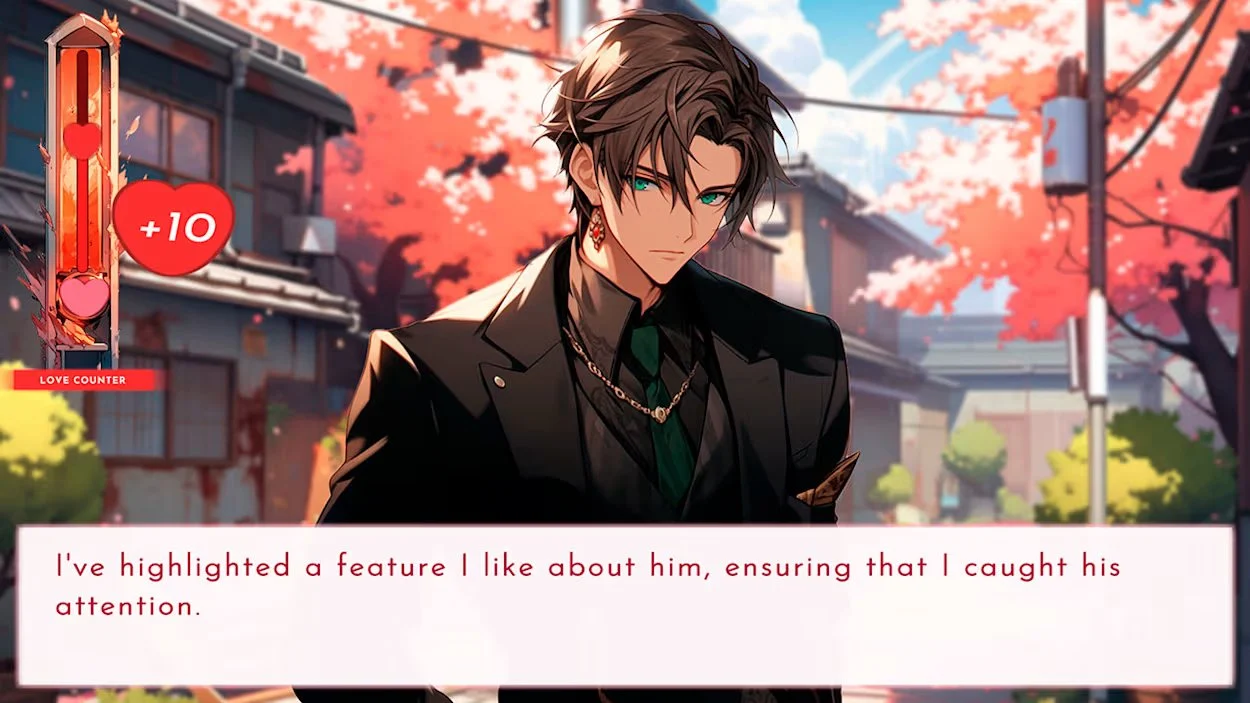
Relationship meters provide a visible indication of how Alex’s bonds are changing. They can increase or decrease according to player decisions and how well those decisions fit a character’s needs. The meter does not replace the dialogue, but it gives the player feedback on the consequences of their approach.
Small interactive scenarios, described as mini-events, extend that process beyond standard conversation choices. These moments test the player’s knowledge of character preferences and can lead to distinct story developments. They fit the game’s emphasis on observation: remembering an earlier cue or recognizing a familiar preference can matter when the next situation arises.
Character-driven developments form the larger reward for this attention. As Alex gets to know people more closely, individual backgrounds and personalities come into clearer view. The story can become warm or challenging depending on the choices made, and those shifts are part of the intended experience. The presentation supports this intimate scale through text-led scenes and character art, keeping the focus on expressions, words, and emotional context.
5 Things to Consider Before Choosing a Response
- Read the cues. Pay attention to what a character says and how they describe their needs, habits, or past experiences. These details can reveal what makes them feel appreciated.
- Consider their love language. A supportive phrase, shared time, a gift, a helpful gesture, or physical touch may not carry the same meaning for every character. Match the response to the preference suggested by the story.
- Watch the relationship meter. Since bonds can rise or fall, the meter offers useful feedback after choices. It can help show whether Alex’s approach is strengthening a connection.
- Respect the moment. The current conversation matters as much as a character’s general preference. A response should fit the situation, not only the category associated with that person.
- Decide where Alex’s bond should lead. Choices contribute to friendship and romantic outcomes. Think about the kind of connection Alex is trying to build before selecting a direction.
Customization and Replay Value in Love Language Stories
Customization is limited but present. Players can slightly personalize Alex’s appearance or preferred responses, adding a small degree of personal input to the central character. The game does not present this as a deep character-building system; instead, it complements the narrative focus by allowing Alex’s journey to feel somewhat more individual.
Replay value comes more directly from the branching conversations and changing relationships. Different dialogue choices can alter bonds, influence story routes, and lead toward different endings. A playthrough focused on one character’s preferences may not reveal the same scenes or emotional outcomes as a run shaped around someone else.
This makes Love Language Stories a suitable fit for players who enjoy visual novels, relationship systems, and stories where close reading has practical consequences. Its central question is simple but flexible: what does another person need in order to feel understood? By letting that question guide Alex’s interactions, the game turns its five-love-languages theme into the engine for both progression and replay.
Recommended Similar Games
 Life is Strange Arcadia Bay Collection Switch NSP XCIView Game
 NASCAR Rivals Switch NSPView Game
 Bayonetta 2 Switch NSP XCIView Game
 Five Nights at Freddy’s: Security Breach Switch NSPView Game
 Fire Emblem: Three Houses Switch NSP XCIView Game
 Castlevania: Symphony of the Night (Port) Switch NSPView Game
