Fire Emblem: Three Houses Switch NSP XCI

Report Link Error
Select the broken download file, then submit the report.
Screenshots

About Game
Fire Emblem: Three Houses Switch NSP XCI refers to Nintendo and Intelligent Systems’ 2019 Nintendo Switch release, a game that combines adventure, strategy, simulation, and tactical RPG systems in the continent of Fódlan. Its appeal comes from the way personal instruction, relationships, character progression, and turn-based battles feed into one another across a long-form campaign.
Fire Emblem: Three Houses: A Tactical RPG Set in Fódlan
Released globally on July 26, 2019, Fire Emblem: Three Houses places its tactical action within Fódlan, a setting shaped by three major nations and the academy at Garreg Mach Monastery. Nintendo published the game, while Intelligent Systems developed it for Nintendo Switch.
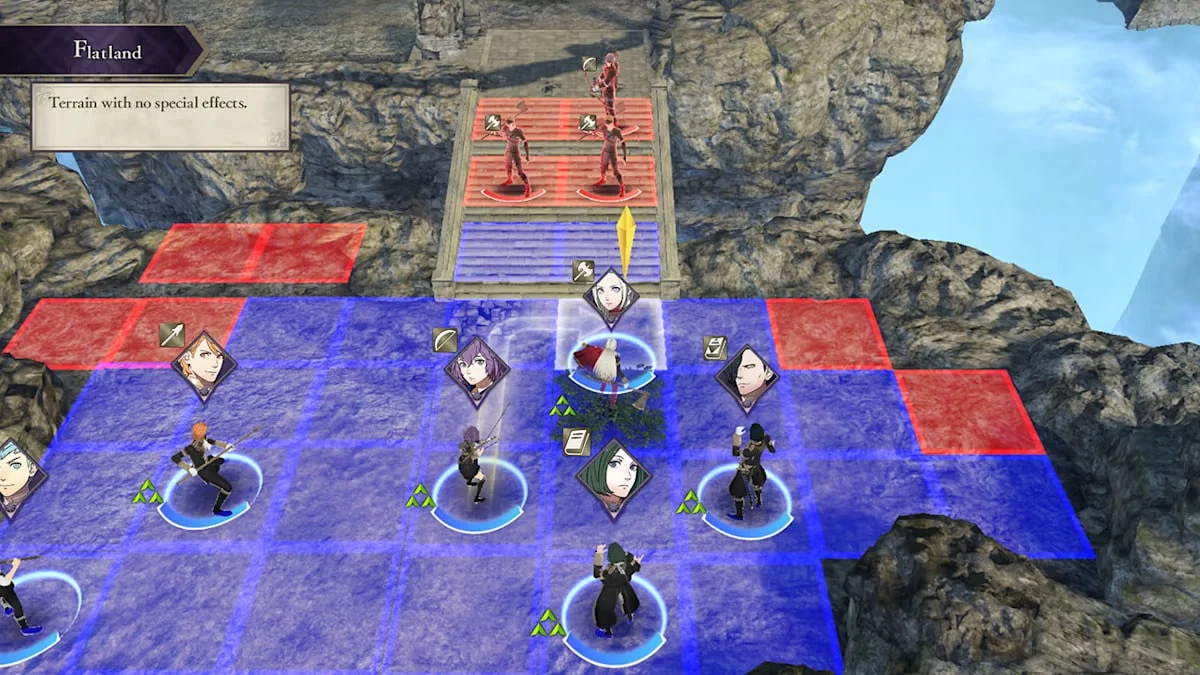
The game’s identity is broader than combat alone. Grid-based, turn-based battles remain central, asking players to consider positioning, unit abilities, equipment, and weapon durability. Between those encounters, however, the structure shifts toward exploration, teaching, social activities, and planning. That contrast gives the experience a more measured atmosphere: victories in battle are tied to the students’ growth away from the battlefield.
Its tactical RPG framework is supported by simulation elements that make individual choices matter over time. Students can develop through classes, skills, instruction, and activities, while support conversations can strengthen relationships and provide combat bonuses. The result is a campaign built around both immediate decisions and longer-term preparation.
Byleth’s Role at Garreg Mach Monastery
The Fire Emblem Three Houses story begins with Byleth taking on the role of professor at Garreg Mach Monastery. The monastery serves as an academy for students connected to Fódlan’s three affiliated nations, and Byleth is asked to lead one of three houses: the Black Eagles, Blue Lions, or Golden Deer.
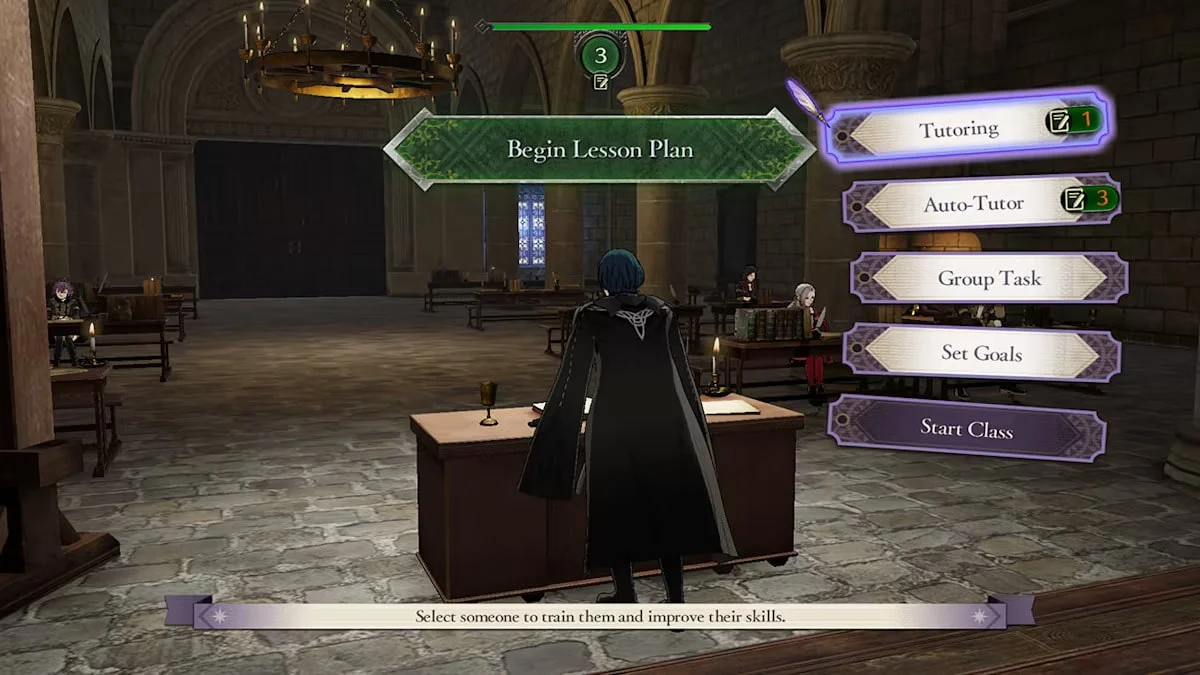
That early choice establishes Byleth’s initial group of students and shapes the perspective through which the larger conflict is experienced. As professor, Byleth’s responsibilities extend beyond combat leadership. Teaching students, building bonds, taking part in monastery activities, and preparing a team are all part of the role.
This professor-student relationship gives the campaign a more personal focus. The students are not simply units assigned to a map; their growth is connected to instruction, class development, support conversations, and optional side stories. Garreg Mach becomes the place where those routines unfold before the pressure of battlefield encounters takes over.
Why Multiple Story Routes Encourage Replayability
Fire Emblem Three Houses routes are closely tied to house selection and player decisions. Choosing a house changes the initial students under Byleth’s guidance and leads players through distinct narrative perspectives on Fódlan’s political landscape and eventual conflict.
The story examines pressures involving friendship, loyalty, duty, and Fódlan’s future. As tensions grow into major conflict, decisions influence how players encounter the events and people involved. This structure makes replayability a meaningful part of the design rather than a simple reason to repeat the same path.
Playing through a different house can reveal another set of students, relationships, and priorities. The game encourages players to revisit Fódlan from more than one angle, especially for those interested in seeing how changing allegiance and story choices affect the journey. Its replay value comes from that shifting perspective as much as from the tactical challenge.
The Monthly Loop: Exploration, Lessons, and Battles
The flow of Fire Emblem Three Houses gameplay is organized around a monthly cycle. Time at Garreg Mach includes exploration, lessons, activities, quests, and seminars, while scheduled battles and other encounters test the team that has been built during the month.
Garreg Mach exploration provides opportunities to find items, complete quests, and interact with the monastery’s routines. Lessons allow Byleth to guide student development, while activities and support conversations help deepen relationships. These segments create room for planning before combat begins.
When battles arrive, the game returns to tactical turn-based maps. Careful movement matters, as do unit placement, abilities, weapon considerations, and the strengths of a particular team. The monthly structure makes preparation feel connected to performance: choices made while teaching students can influence how ready they are for demanding encounters.
Rather than separating social simulation from strategy, the game links them. A stronger relationship can bring combat benefits, and thoughtful training can open more useful options on the battlefield. Players who enjoy managing growth as well as directing units will find that balance especially important.
Recruitment, Paralogues, and Roster Growth
The starting house is important, but it does not have to define the entire team. Players can recruit students from other houses, creating a more flexible roster and adding options for different classes, skills, and battlefield roles.
Recruitment also supports the game’s emphasis on relationships. Since the academy brings together students from across Fódlan, expanding the roster can change the group Byleth trains and deploys. It gives players room to shape their own approach rather than relying only on the initial class.
Paralogues add another useful layer. These side stories offer character development alongside additional battles, giving more context to members of the roster while also providing another opportunity to test strategy. For players invested in individual students, paralogues make progression feel more connected to the people behind each unit.
Class choices, skills, equipment, and instruction combine to make roster growth a continuing process. A team can be adjusted over time, but those adjustments work best when they are considered alongside relationships and upcoming tactical needs.
7 Strategic Priorities for New Professors
- Plan the month. Balance Garreg Mach exploration, lessons, quests, activities, seminars, and battles instead of treating any one part of the schedule as separate from the others.
- Build bonds. Relationships and support conversations are valuable for character development and can provide combat bonuses, making them more than optional background scenes.
- Shape a balanced class. Consider class synergy when developing students, since a team benefits from units that can contribute in different ways.
- Guide growth deliberately. Teaching, skills, classes, and equipment all influence unit progression. Thoughtful development is more dependable than making every choice only for the next battle.
- Respect positioning. Grid-based combat rewards careful placement. Before committing a unit, consider where it can move, what it can reach, and how exposed it may become.
- Watch weapons and equipment. Weapon durability adds another tactical concern, so equipment awareness should be part of battle preparation rather than an afterthought.
- Use Divine Pulse wisely. Divine Pulse can rewind turns and correct mistakes, making it a practical tool for recovering from an unfavorable move or testing a safer tactical line.
Fire Emblem: Three Houses Switch NSP XCI is best suited to players who want tactical battles with a substantial progression loop around them. Its mix of teaching students, developing relationships, recruiting new allies, pursuing paralogues, and navigating multiple story routes gives Fódlan a campaign structure designed for sustained involvement and repeat play.