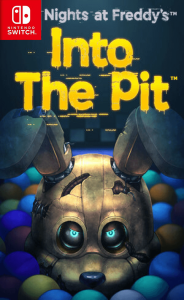
Five Nights at Freddy’s Into the Pit Switch NSP
Report Link Error
Select the broken download file, then submit the report.
Screenshots

About Game
Five Nights at Freddy’s Into the Pit Switch NSP is listed for a July 8, 2024 release in the USA region, bringing an Action-labelled entry in the FNaF universe to Switch. The listed release supports English and Japanese, carries version Dev.5.0.4, and frames its horror around a familiar setting made stranger by memory, mystery, and animatronic danger.
Release Snapshot for Five Nights at Freddy’s Into the Pit on Switch
The July 8, 2024 release places Five Nights at Freddy’s Into the Pit Switch within a long-running horror series known for turning pizza parlors, security systems, and cheerful mascots into sources of tension. Its USA-region listing identifies English and Japanese as supported languages, while Dev.5.0.4 is the stated version.
Although the genre is listed as Action, the supplied premise points strongly toward horror-driven pressure rather than straightforward combat. The central appeal is the uneasy act of observing, reacting, and trying to stay ahead of threats that may be just outside the player’s view. That structure suits a FNaF story especially well: danger is close, information is incomplete, and a quiet moment can feel as threatening as a sudden scare.
The Switch setting also fits a game built around short bursts of escalating suspense. A tense camera check, a quick decision about resources, or a brief search through a darkened room can make progression feel immediate. The source material describes an experience shaped by mounting dread, hidden history, and the need to remain alert as animatronic behavior becomes more aggressive.
Oswald and the Abandoned Freddy Fazbear’s Pizza Premise
The Five Nights at Freddy’s Into the Pit story centers on Oswald, a young boy facing a dull summer and drawn toward an abandoned Freddy Fazbear’s Pizza location. The setting already carries an unsettling contrast: a place associated with childhood entertainment has been left behind, allowing its old colors, mascots, and memories to take on a more ominous meaning.
Oswald’s discovery of a yellow ball pit changes the scale of that mystery. The ball pit is presented as a portal through time, taking him back to the 1980s and placing him near events connected to the animatronics’ troubling past. Rather than treating the past as safely distant, the premise lets it intrude directly on the present.
That time-travel device gives the story more than a simple haunted-location framework. Oswald is not only entering an abandoned Freddy Fazbear’s Pizza; he is confronting the possibility that the location’s history remains active, unstable, and dangerous. The boundaries between old events and current consequences begin to blur, creating room for psychological tension alongside immediate threats.
Familiar Animatronics in an Uncanny Setting
Freddy, Bonnie, and Chica are central names in the FNaF canon, but their familiarity is part of what makes their presence disturbing. They are recognizable mascot figures, designed around the imagery of family entertainment, yet the narrative places them inside an atmosphere of fear and suspicion. Their ordinary identities no longer provide comfort.
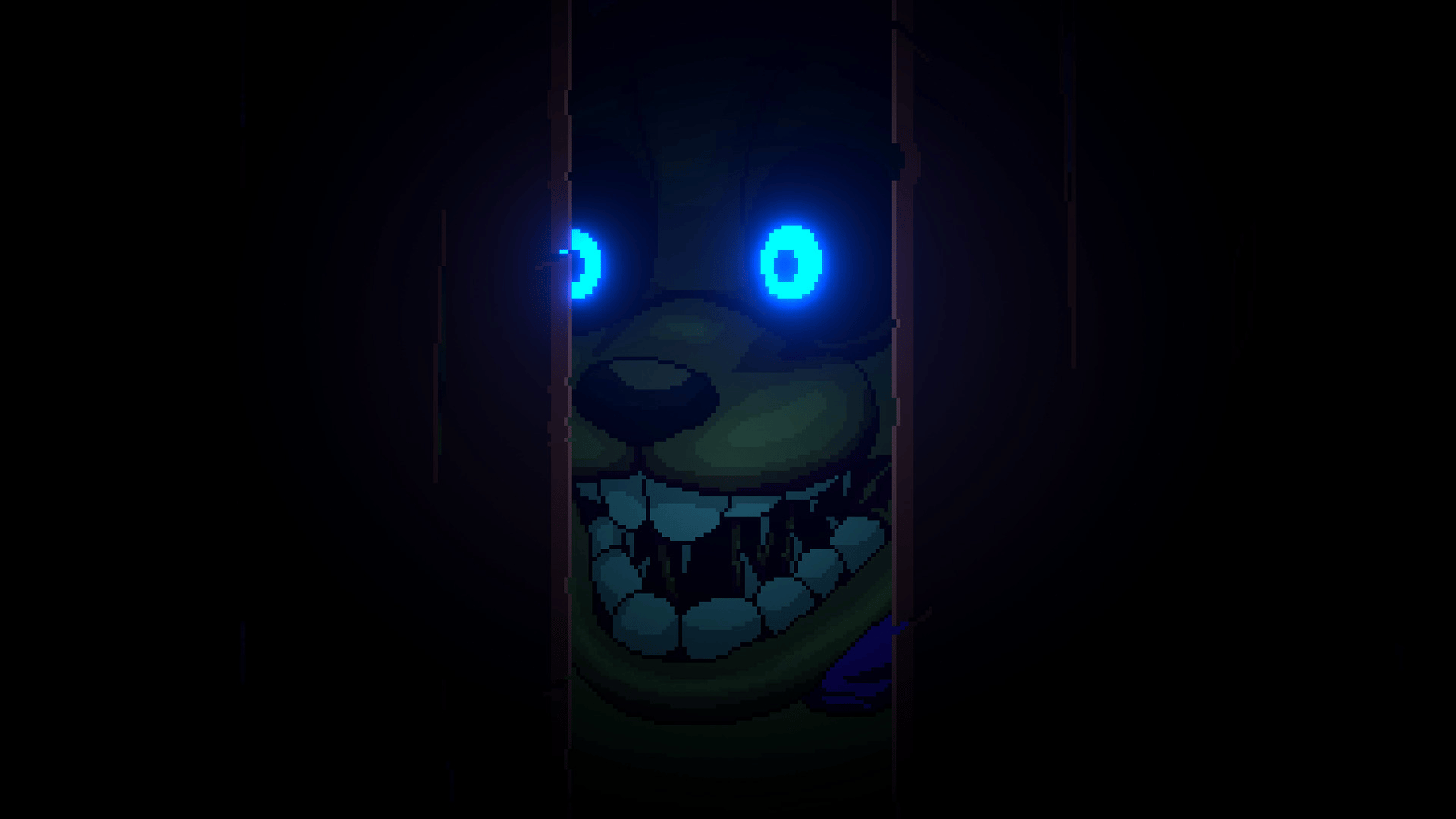
The supplied story setup describes these FNaF characters in uncanny forms connected to their earlier history. That approach makes the animatronic horror feel less like a simple encounter with monsters and more like a confrontation with corrupted nostalgia. A character can be recognizable at a glance while still seeming wrong in movement, timing, or intent.
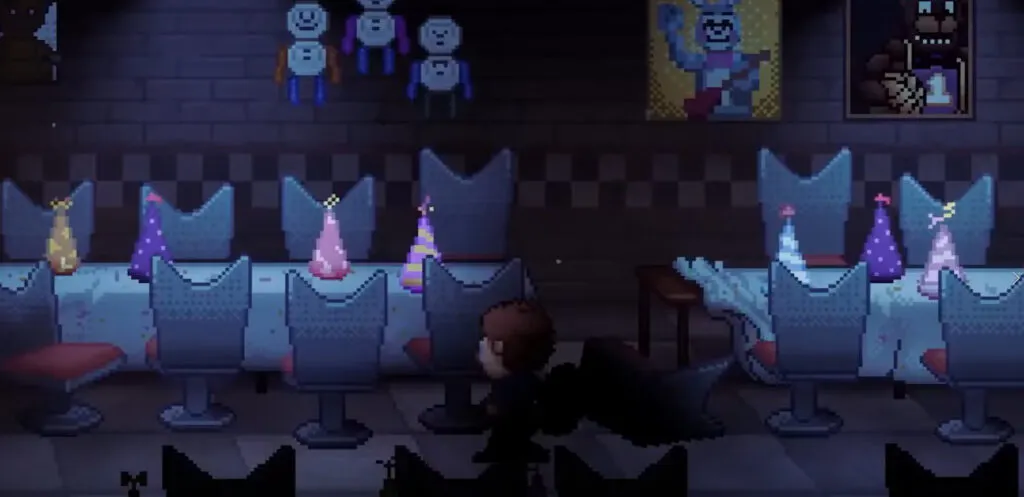
This tension is especially effective in a pizza-parlor setting. Bright colors, party imagery, and familiar characters suggest safety, while abandoned spaces, dark hallways, and unpredictable machines suggest the opposite. The horror does not need to abandon the series’ recognizable imagery; it works by making that imagery feel unreliable.
Themes of Childhood Fear, Nostalgia, and Fazbear Mystery
Childhood fears sit close to the heart of the premise. Oswald’s experience begins with boredom and curiosity, emotions that can lead a young person toward a place adults might know to avoid. Once the ball pit opens a path to the past, curiosity becomes something more dangerous: a route into the unresolved history of Fazbear Entertainment.
The story’s use of nostalgia is deliberately uneasy. Freddy Fazbear’s Pizza evokes a style of entertainment built around games, food, music, and mascot characters, but those associations are shadowed by the location’s dark past. The result is not simple remembrance. It is nostalgia distorted by the knowledge that something terrible may have happened beneath the cheerful surface.
Time travel deepens the mystery because it allows past and present to affect one another. Oswald’s journey can be understood as a search for answers, but the source premise also suggests that witnessing old events carries a personal cost. The lingering horror around Fazbear Entertainment is not presented as a closed chapter. It remains a force capable of shaping what happens next.
Survival-Horror Tension and Environmental Exploration
The gameplay description points toward survival horror in an eerie retro pizza parlor, where observation and restraint matter as much as quick reactions. Players are expected to navigate spaces threatened by animatronics, monitor movement through security cameras, and make careful use of available defenses.
Resource management is a major source of pressure. Power may be needed for doors, lights, and other protective systems, so every use carries a trade-off. Turning on a light or securing an entry may provide temporary safety, but unnecessary use can leave fewer options later. This creates a steady rhythm of checking, waiting, and deciding when danger is close enough to justify action.
Environmental puzzles and hidden lore add another layer to progression. Searching the pizza parlor is not merely about moving from one area to another; it may also reveal story details and open the way forward. Distinct animatronic behaviors encourage players to adjust their approach instead of relying on a single routine. That variety can support replay value, since learning patterns and improving resource use are closely tied to surviving later encounters.
The suitable audience is therefore people comfortable with suspense, jump scares, dark themes, and repeated pressure from threatening pursuers. The appeal lies in concentration as much as shock: paying attention to a sound, a camera feed, or a changing pattern can be the difference between holding on and being caught.
5 Preparation Priorities for Facing Animatronics
- Listen closely. Footsteps and other unsettling audio cues can signal that an animatronic threat is approaching before it is visible.
- Protect the power. Use lights, doors, and related defenses carefully, reserving energy for moments when protection is truly necessary.
- Study patterns. Each animatronic may require a different response, so learning behavior and attack timing is more useful than reacting blindly.
- Watch key cameras. Frequent checks of important security feeds, particularly those near vulnerable areas, help track movement before danger arrives.
- Stay composed. Threats become more aggressive as the nights progress, making calm decisions and flexible tactics essential under pressure.