Shadowrun Returns Switch NSP
Report Link Error
Select the broken download file, then submit the report.
Screenshots
About Game
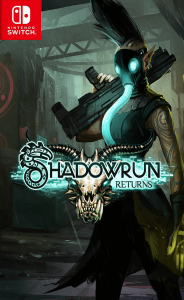
Shadowrun Returns Switch NSP brings a noir-tinged role-playing mystery to Nintendo Switch, placing cyberpunk technology beside high fantasy magic in a dystopian Seattle. Released in the USA on June 21, 2022, this English-language action title from Paradox Interactive centers on a custom Shadowrunner, a dangerous investigation, and tactical encounters where preparation matters.
Shadowrun Returns on Nintendo Switch: A Cyberpunk-Fantasy RPG
The world of Shadowrun is built on productive contrasts. Its Seattle streets are marked by neon, corporate influence, hard-edged mercenary work, and the pressure of surviving on society’s margins. Yet this is not a purely technological future. Magic, spirits, shamans, and mages share the setting with hackers, cyberware, and heavily armed street fighters.
That mixture gives the game its particular atmosphere. A job can involve corporate espionage or information theft, but the wider story also makes room for cults and ancient forces. The result is a cyberpunk fantasy RPG with a grounded detective framework: the player is not simply exploring a futuristic city, but trying to make sense of a murder in a world where technology and mysticism constantly overlap.
On Nintendo Switch, the game’s structure suits play built around conversations, careful exploration, character decisions, and methodical combat. The presentation is less about speed than mood: shadowed streets, uncertain alliances, and a setting where reliable information is difficult to find.
The Seattle Mystery Begins With Sam Watts
The Shadowrun Returns Seattle story starts on a personal note. The protagonist receives a message connected to Sam Watts, an old friend and former crewmate who has been killed. Through a dead man’s switch, Sam hires the player to investigate his own murder after his death.
It is a classic noir premise, but one filtered through Shadowrun’s unusual setting. The initial Sam Watts murder investigation sends a freelance Shadowrunner into a network of secrets, competing motives, and dangerous people. What begins as an attempt to settle the death of someone known to the protagonist grows into a broader conspiracy involving corporate greed, mysterious cult activity, and powerful entities from beyond ordinary street-level conflict.
This structure gives the narrative a strong sense of escalation. The case remains personal, yet Seattle is presented as a place where personal debts can quickly become entangled with larger power struggles. Characters met along the way have their own interests and concealed motives, making trust a scarce resource.
Build a Shadowrunner Around Your Preferred Role
Shadowrun Returns character creation allows players to define a protagonist through race, class, and skills. Rather than forcing one approach to every problem, the game supports several recognizable roles within the setting. These choices shape how a character fits into combat, exploration, and the wider crew.
- Street samurai: Focus on direct combat and weapon-based confrontation when a fight cannot be avoided.
- Mage: Use spells to affect the battlefield and support the team through magical abilities.
- Decker: Enter cyberspace during Matrix runs to hack systems and collect useful intelligence.
- Shaman: Work with spirits and summon supernatural aid for tactical support.
- Custom progression: Develop skills, cyberware, spells, and weapons in ways that suit a chosen role.
The street samurai, mage, decker, and shaman archetypes create distinct identities without removing the importance of party composition. The protagonist is accompanied by recruitable NPC Shadowrunners, each bringing different abilities and personalities to the crew. Building a balanced team is therefore as important as deciding what the main character can do.
Progression also involves managing resources. Karma is used for upgrades, while Nuyen is used for gear. Those systems reinforce the game’s mercenary perspective: improvement comes through considered investment, not just through advancing the story.
Turn-Based Combat, Cover, and Battlefield Positioning
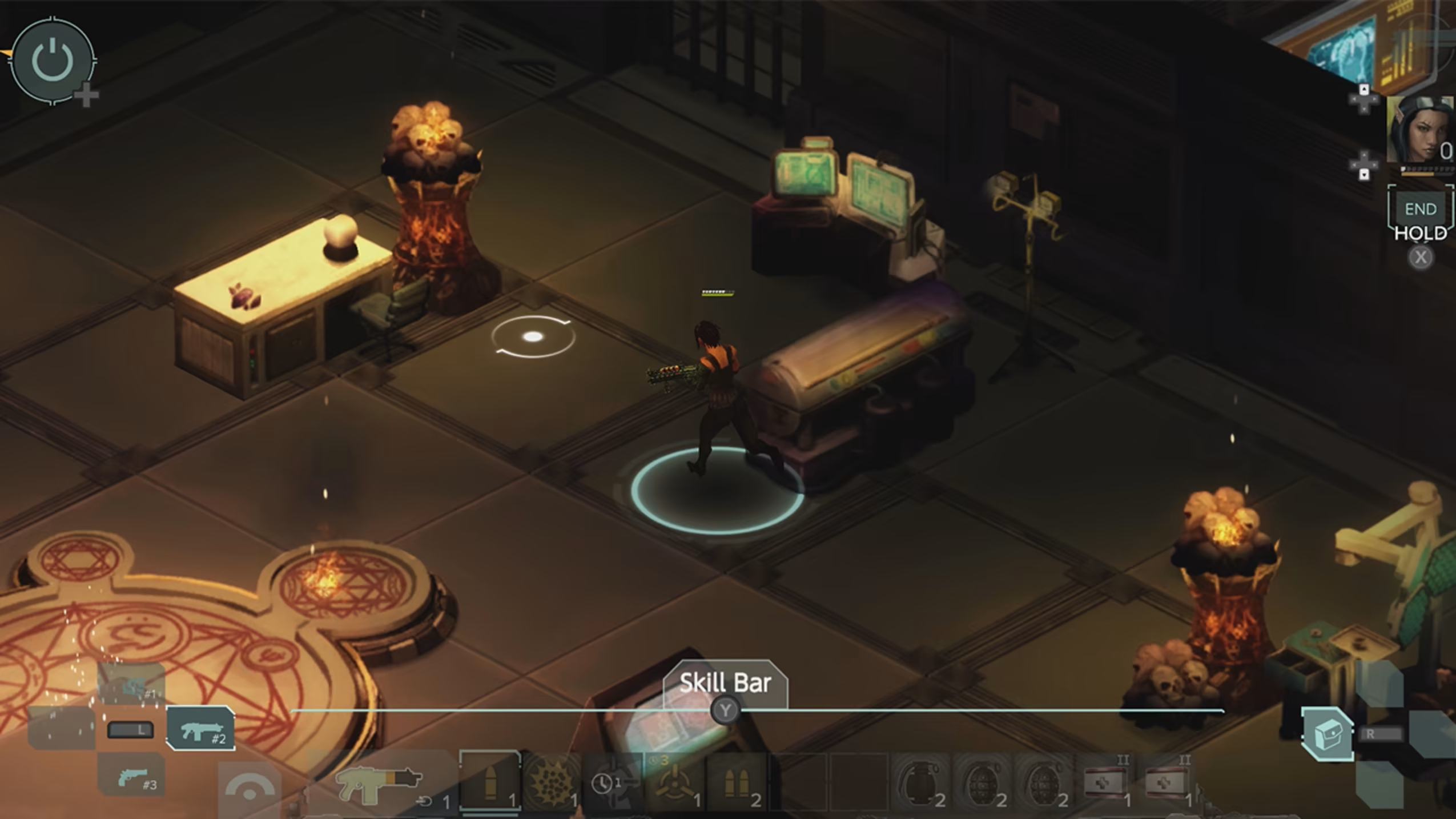
Combat is turn-based and asks players to read the battlefield before committing to an attack. Encounters reward sensible positioning, particularly when cover and environmental hazards are involved. Charging ahead without considering enemy placement can leave a team exposed, while a measured approach can create stronger opportunities for every member of the squad.
Cover is not merely decorative. It is part of the tactical decision-making, alongside movement, ability use, weapon choice, and the location of allies. A mage or shaman may be better placed to support from safety, while a tougher combat-oriented runner can hold a more exposed position. The Decker’s role can add another layer when a mission includes systems that can be hacked for information.
The strongest approach is often to pause and assess the situation: identify hazards, find defensive positions, consider how the team’s skills connect, and avoid wasting actions. Shadowrun Returns tactical combat favors thoughtful battlefield assessment over reckless momentum.
Dialogue Decisions, Information Gathering, and Replay Value
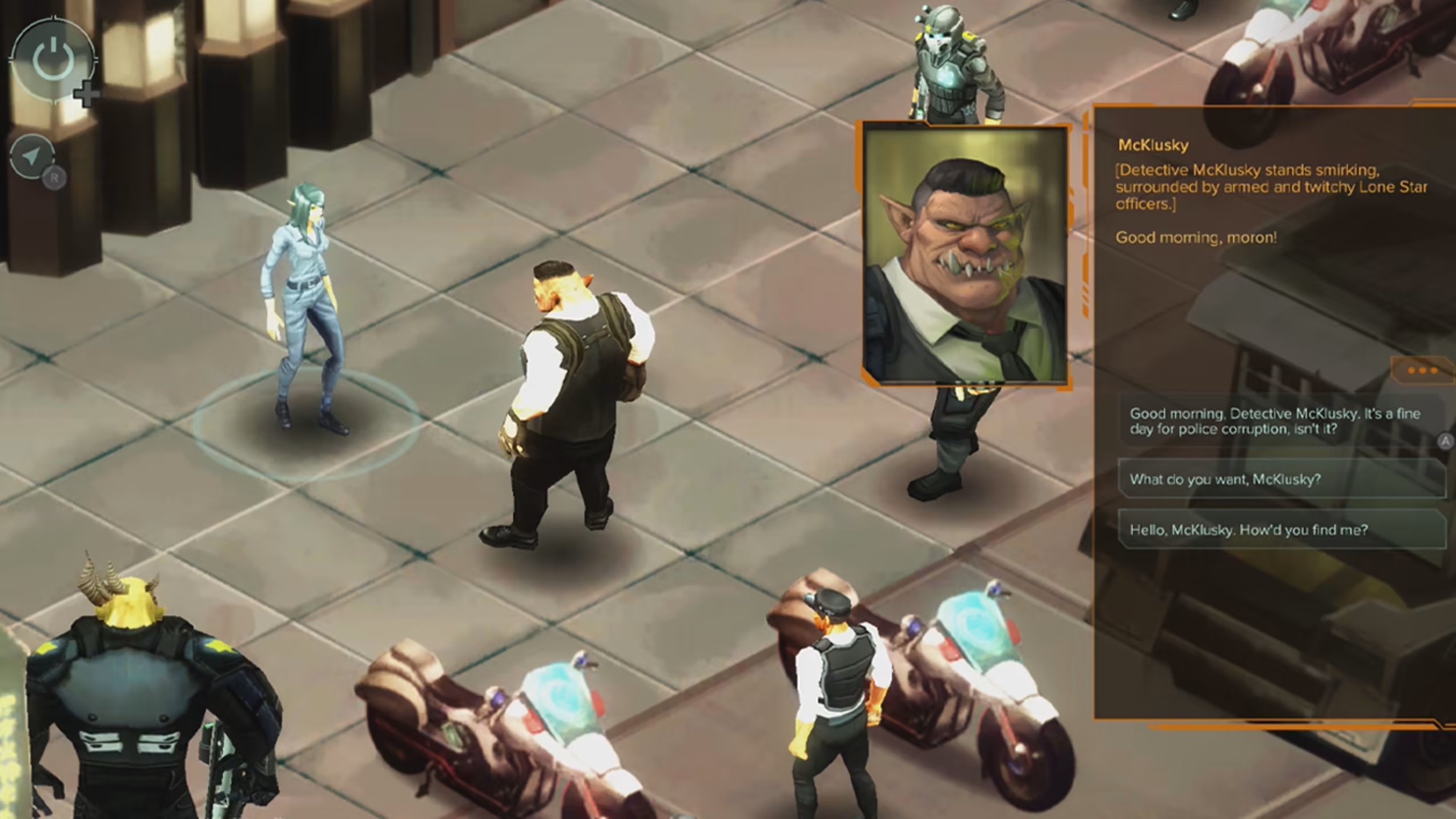
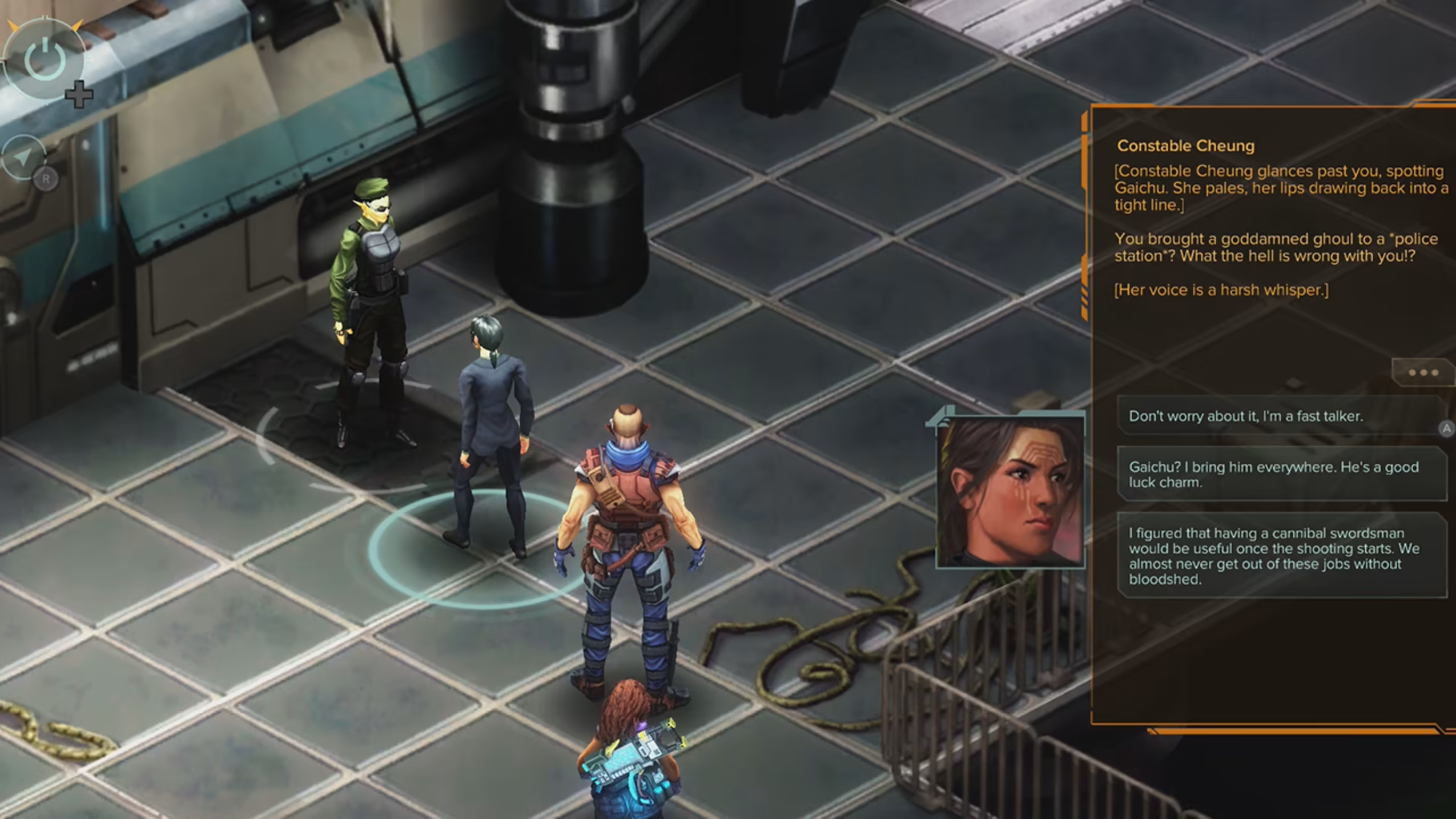
Outside combat, exploration is driven by conversations, leads, and choices. Players interact with NPCs, investigate locations, and gather information that can clarify the central mystery or open the way to further objectives. The game’s detective tone comes through in this steady accumulation of details rather than in combat alone.
Shadowrun Returns dialogue choices may open some paths while closing others. Decisions can influence quests and narrative outcomes, giving exchanges with characters practical weight. A conversation is not only a delivery system for story; it can determine what information becomes available and which direction the investigation takes.
That branching quality supports replay value. Different dialogue decisions and character approaches can change how players move through the story, even when the central Seattle murder case remains the focus. Players who enjoy reading closely, weighing responses, and revisiting a narrative with alternative choices have reason to explore more than one route.
Magic, Cyberware, Weapons, and Matrix Runs
The tools available to a Shadowrunner reflect the setting’s hybrid identity. Cyberware can strengthen a technology-oriented build, while weapons support direct combat roles. Spells offer magical options, and shamans can summon spirits to aid allies. These systems encourage players to think about how individual strengths serve the entire crew.
Matrix runs give Deckers a specialized path through cyberspace. By hacking systems, they can gather intelligence that may be valuable during an investigation or mission. This separates the Decker from a simple combat specialist and reinforces the importance of information in Seattle’s uncertain world.
For players drawn to tactical role-playing, noir mysteries, and settings where a spellcaster can fight beside a cybernetically enhanced mercenary, Shadowrun Returns Switch NSP offers a focused combination of story choices, squad strategy, and flexible character development. Its USA release is listed with Title ID 0100371013B3E000, firmware 14.1.0, and a file size of 1.1 GB.
Recommended Similar Games
 BioShock Remastered Switch NSP XCIView Game
 Mandragora: Whispers of the Witch Tree Switch NSPView Game
 Gunvolt Chronicles: Luminous Avenger iX 2 Switch NSPView Game
 Yakuza Kiwami Switch NSPView Game
 XCOM 2 Collection Switch NSP XCIView Game
 The Legend of Heroes: Trails into Reverie Switch NSP XCIView Game
