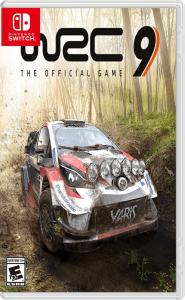
WRC 9 The Official Game Switch NSP
Report Link Error
Select the broken download file, then submit the report.
Screenshots
About Game
WRC 9 The Official Game Switch NSP brings World Rally Championship competition to Nintendo Switch in a racing, sports, and simulation package released on March 11, 2021. Developed and published by Nacon, it places the emphasis on demanding stages, official rally categories, changing conditions, and the steady work of developing a driver’s career. Its appeal comes from the tension between speed and control: every corner, surface change, and co-driver call can affect a run.
WRC 9 on Nintendo Switch: Rally Simulation at a Glance
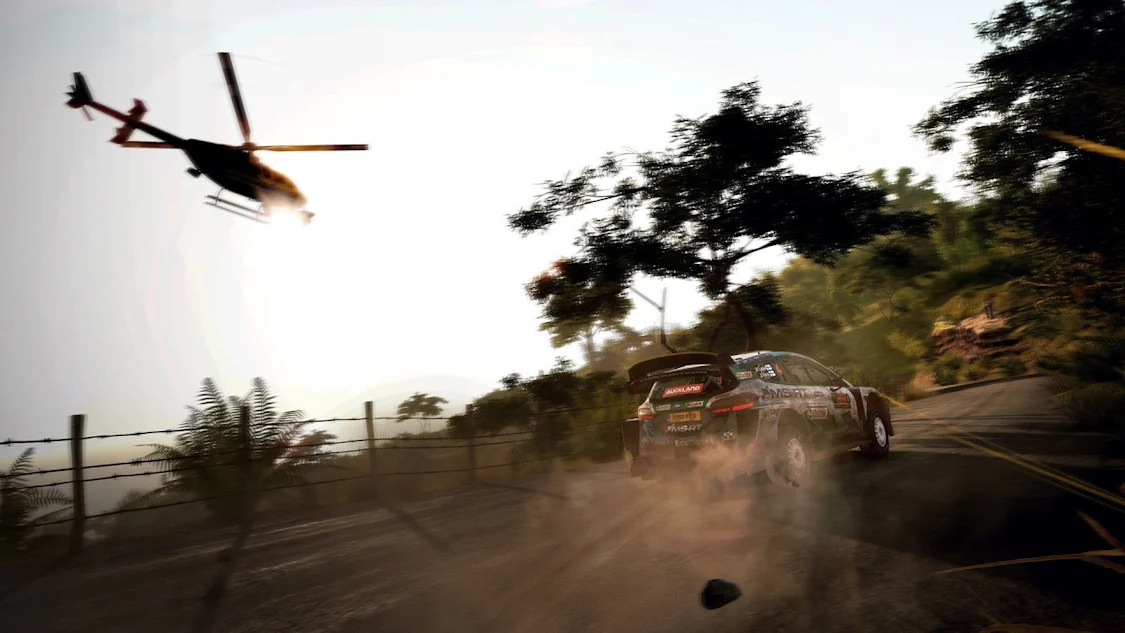
WRC 9 The Official Game approaches rallying as more than a sequence of isolated races. Stages ask players to interpret the road ahead while managing a car through difficult terrain and variable weather. Snow, rain, and mud can influence both handling and visibility, so a route that feels manageable in one condition may demand greater care in another.
As a WRC 9 Nintendo Switch release, the game offers a rally simulation game structure built around official championship competition. Its detailed car physics, pace-note system, vehicle setup options, and resource management all support that focus. The challenge is not simply to reach the finish first; it is to keep the car composed through corners, jumps, and long stages while making decisions that preserve performance.
The atmosphere is shaped by this sense of forward momentum. Dusty routes, snowy mountain sections, and wet or muddy conditions give rallies distinct demands, while the co-driver’s instructions provide a constant practical rhythm. Players are encouraged to listen, react, and prepare rather than rely on the same approach for every stage.
A Career Built From Junior WRC to the Top Category
The WRC 9 career mode provides the game’s central progression path. Rather than following a conventional linear story, it follows a driver’s climb through the championship structure. Players begin in Junior WRC, then pursue advancement through WRC 3, WRC 2, and eventually the premier WRC category.
That WRC championship progression is tied to reputation and contracts. Successful performances help establish the driver’s standing, while career management extends beyond the stage itself. Building a team, managing the crew, upgrading headquarters, and tuning cars all form part of the longer-term campaign. The result is a career mode where a rally is both an immediate test of driving and a step toward larger championship ambitions.
Junior WRC is therefore not treated as a detached side mode. It is the starting point of a ladder that connects the game’s categories, car roster, and career goals. Moving upward gives the progression a clear shape, with each season bringing fresh challenges and opportunities to strengthen a team’s position.
Three Featured Rally Destinations: Japan, Kenya, and New Zealand
Three new rally destinations—Japan, Kenya, and New Zealand—expand the stage selection with distinct settings. The WRC 9 Japan rally, WRC 9 Kenya rally, and WRC 9 New Zealand rally give players more locations in which to confront the game’s combination of surfaces, weather, pace notes, and vehicle control.
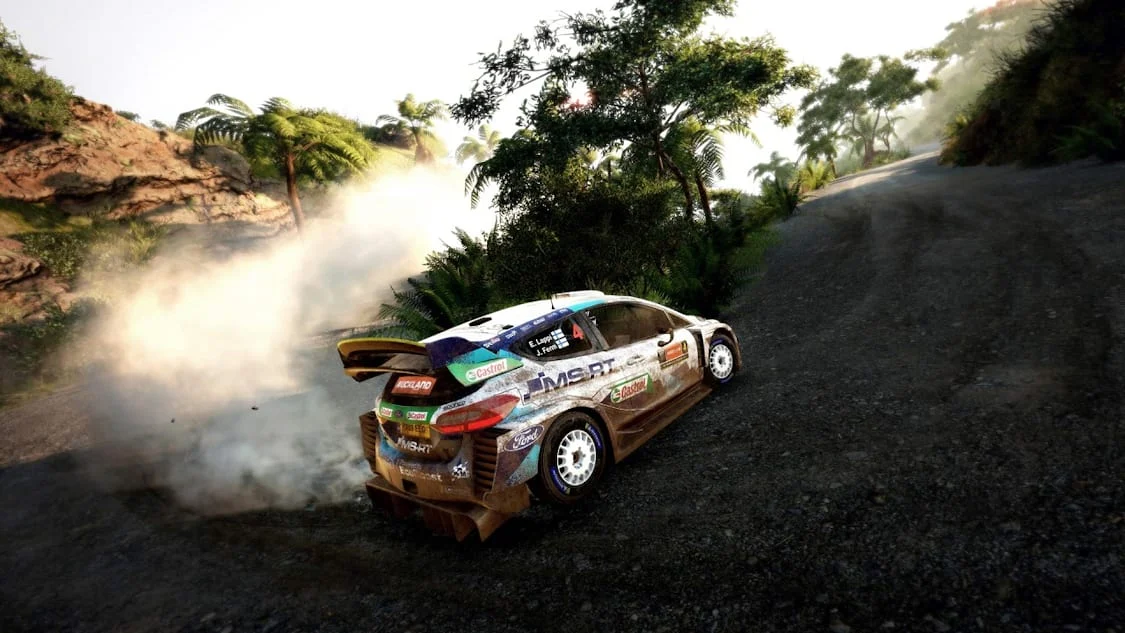
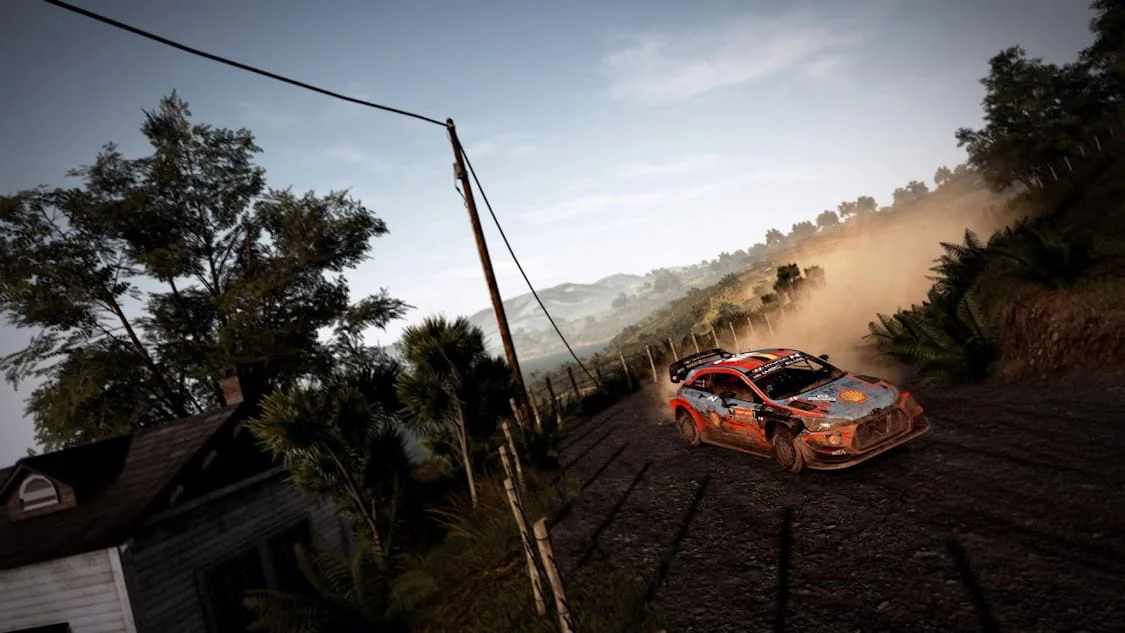
These environments matter because rally driving depends on adaptation. A player cannot treat every section as though it carries the same grip, visibility, or cornering demands. The game’s varied environments, from snow-covered mountain roads to dusty terrain, reinforce the idea that conditions should guide driving style. Dynamic weather adds another uncertainty, changing how confidently a driver can attack a section.
The destinations also support replay value. Returning to stages under different weather conditions, in another vehicle category, or with a revised setup can change the practical challenge. For players who enjoy improving runs through repeated attempts, the variety of rallies and conditions gives each event room to remain demanding.
Official Rally Categories and the Car Roster
WRC 9 official cars are represented through official teams and vehicles across WRC, WRC 2, WRC 3, and Junior WRC. This is closely connected to the career ladder: the categories players encounter while progressing are also reflected in the available rally machinery.
The presence of WRC 2 cars and Junior WRC cars helps make the climb through the championship feel structured rather than abstract. Each category belongs to the same broader rally ecosystem, but the career’s aim remains clear: improve a driver’s reputation, secure contracts, develop the team, and work toward the top WRC class.
Car preparation is an important part of that process. Players can tune vehicles and make team and headquarters upgrades for better performance. These options do not replace careful driving, but they give players a way to prepare for the demands of upcoming stages and refine the car around their needs.
Competing Alone, Online, or in Local Split-Screen
WRC 9 supports several ways to approach its rally events. Quick play offers a direct route to stages, while the career mode provides the longer progression framework. For competitive play, WRC 9 online multiplayer allows players to take on friends and other players worldwide.
There is also WRC 9 split screen for local competition on Nintendo Switch. That option gives two players a more immediate way to compare their rally pace without entering an online event. The game’s daily and weekly challenges add another recurring target, presenting specific conditions and leaderboard goals for players who want a focused test beyond a standard career event.
WRC 9 daily challenges are especially suited to players who enjoy measuring improvement. A leaderboard creates a reason to revisit the driving systems, experiment with setup work, and see how well a careful run holds up against other competitors. Between career advancement, quick play, online racing, local split-screen, and timed challenges, the game gives rally fans several routes back to the road.
7 Driving Priorities for Tough WRC 9 Stages
- Hear the notes. Treat the co-driver’s pace notes as essential information for upcoming corners, jumps, and complex sections.
- Read the weather. Rain, snow, and mud affect handling and visibility, so driving confidence should match the conditions.
- Protect the tires. Tire wear is a key concern, particularly when dealing with longer stages.
- Watch the fuel. Fuel consumption is part of successful rally management and should not be ignored during an event.
- Limit damage. Avoiding unnecessary vehicle damage helps preserve performance when a stage becomes punishing.
- Respect the surface. Snowy, dusty, and muddy routes demand different techniques and a willingness to adjust speed.
- Prepare the car. Use tuning, crew management, and headquarters upgrades to support the team’s performance before taking on the next challenge.
For players drawn to technical driving, official rally categories, and career progression, WRC 9 offers a focused championship experience. Its most satisfying moments come from combining preparation with execution: listening to the calls, judging the conditions, keeping the car intact, and turning a difficult stage into a clean result.