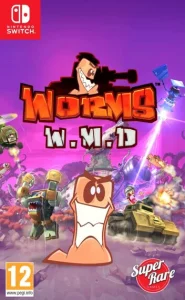
Worms W.M.D Switch NSP
Report Link Error
Select the broken download file, then submit the report.


Screenshots
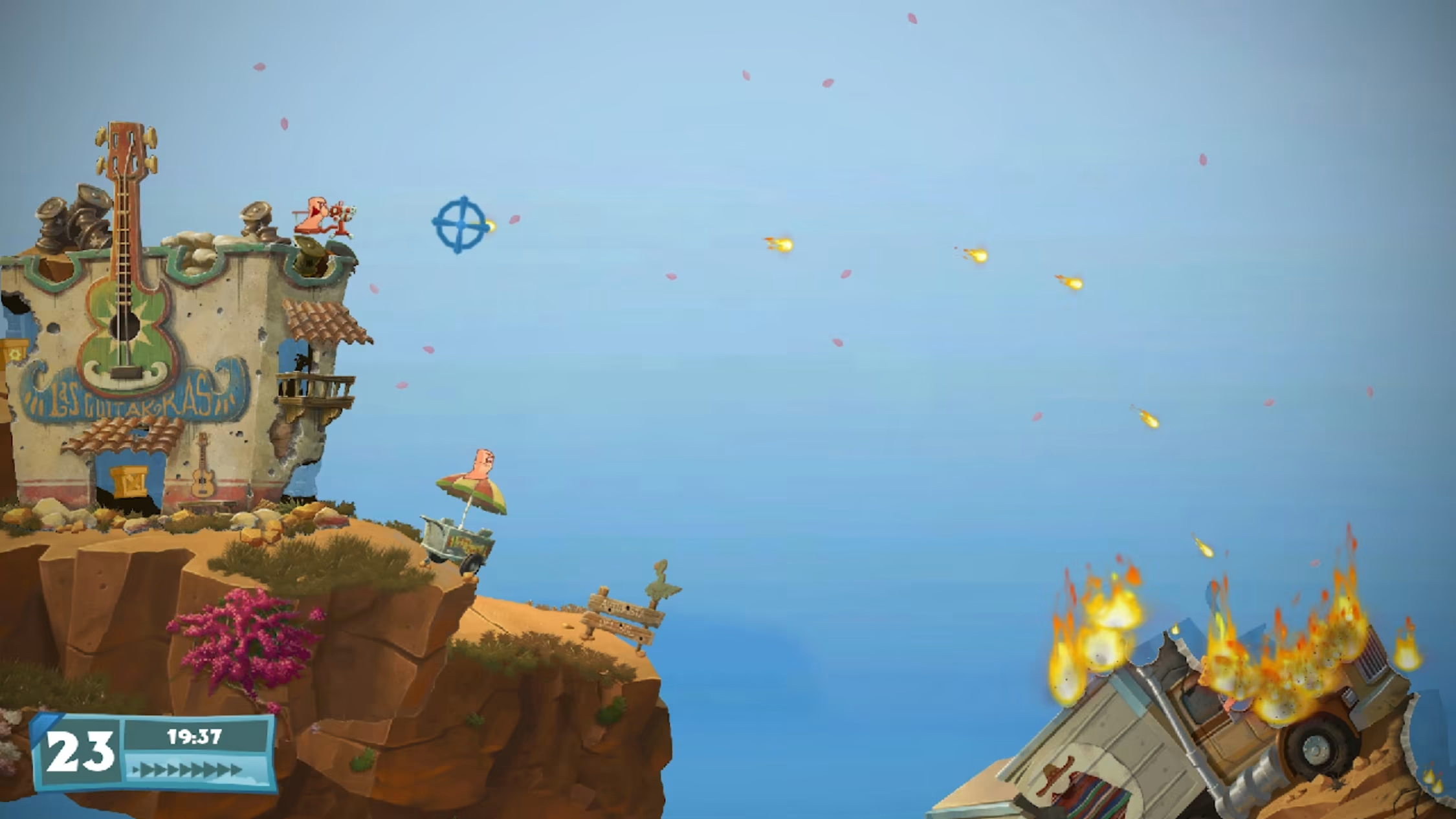
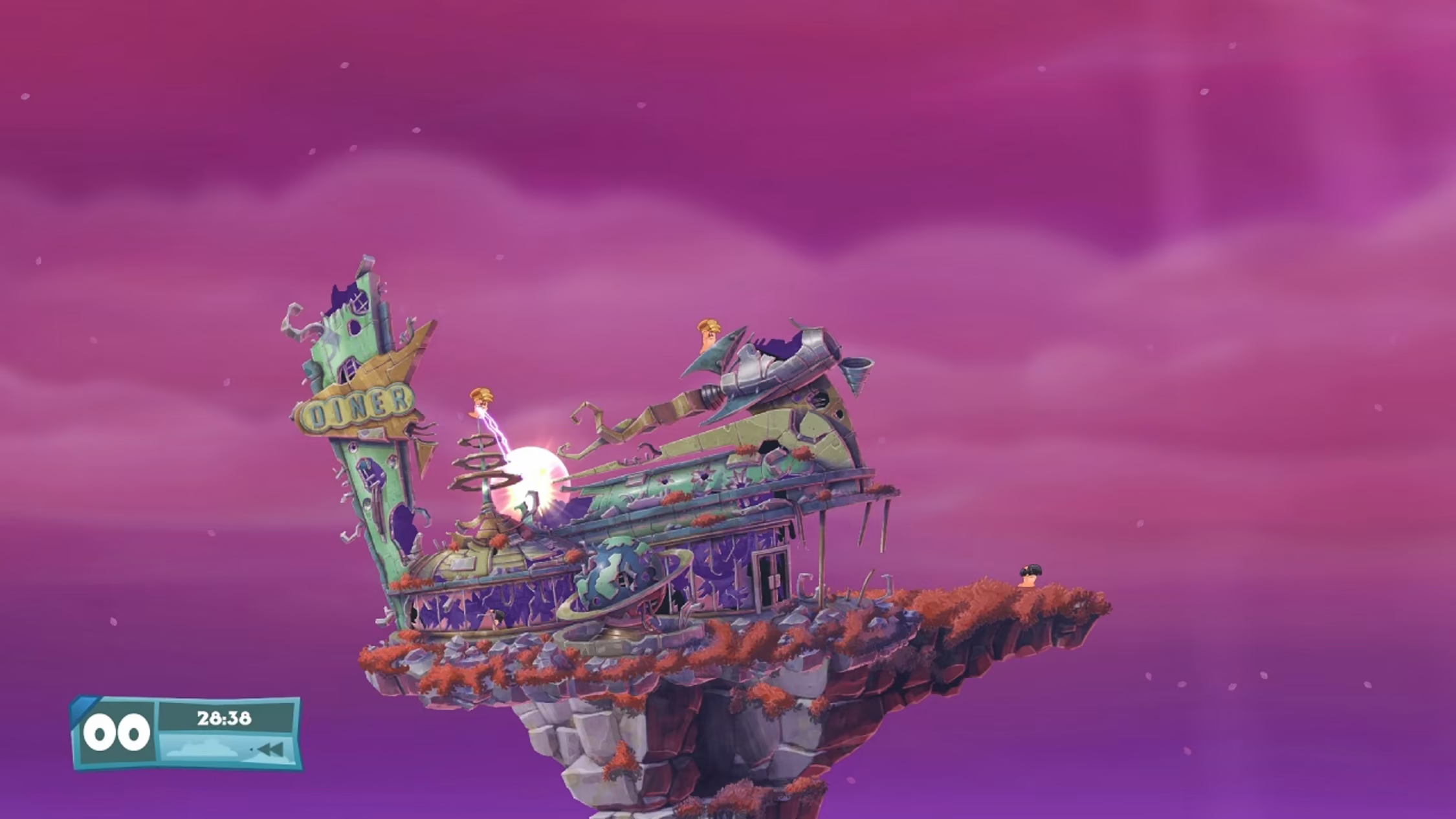
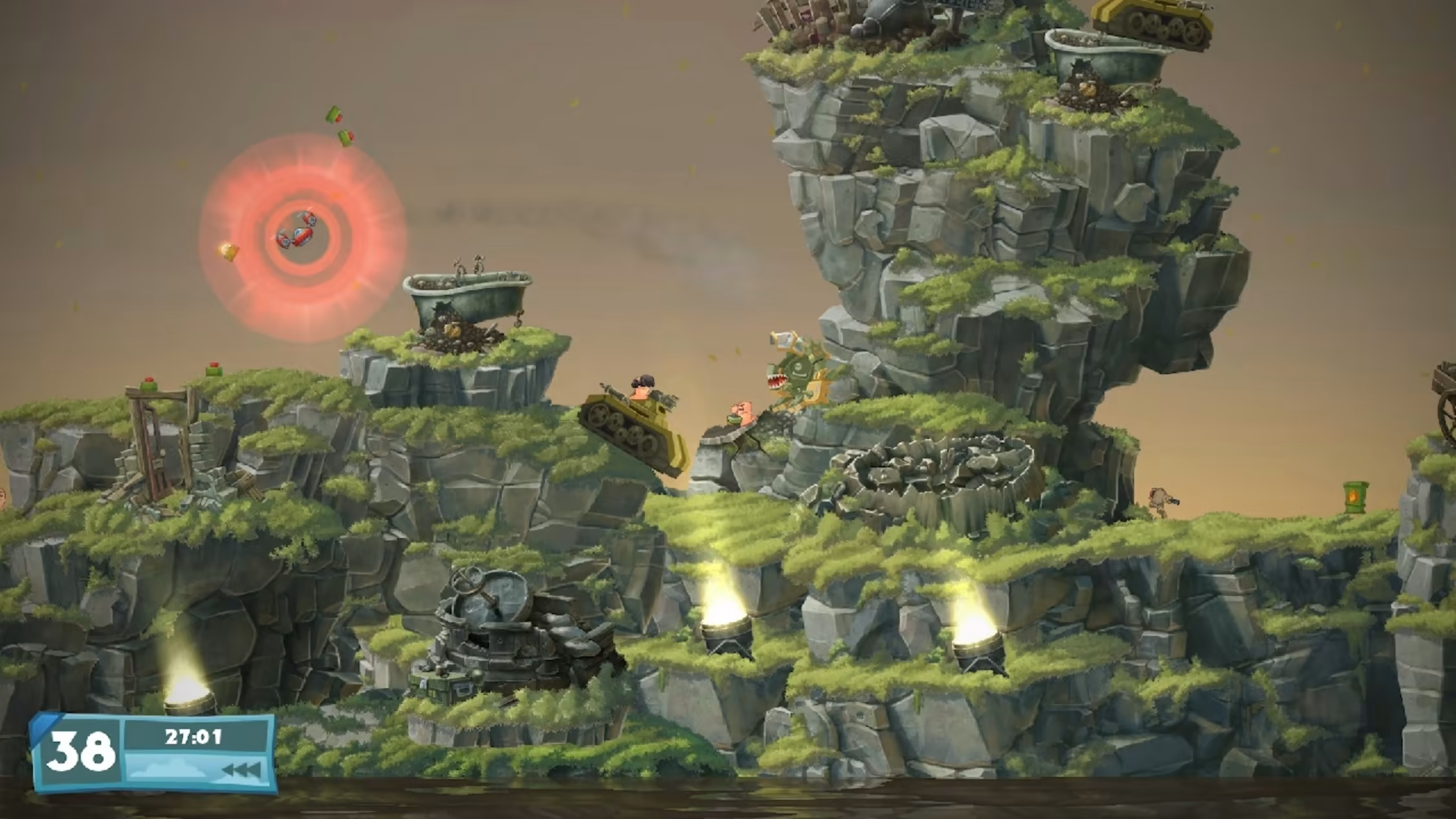
About Game
Worms W.M.D Switch NSP arrived in the USA on November 23, 2017, bringing Team17’s long-running brand of turn-based chaos to Nintendo Switch. Classified as a Strategy game, it frames its battles around deceptively simple goals: guide a team of worms across a destructible landscape, use the right tools at the right moment, and leave the opposing teams with nobody left standing.
Worms W.M.D on Nintendo Switch: A 2017 Strategy Release
Released in 2017 and published by Team17, Worms W.M.D fits comfortably within the Nintendo Switch strategy game library while retaining the playful tone associated with the series. Matches are built around turns rather than speed alone. Players get a limited opportunity to move, line up an attack, use an item, or reposition before control passes to the next team.
That format creates a useful contrast between careful planning and sudden disaster. A player may calculate a strong bazooka shot, only for the projectile to strike an awkward edge of the terrain and send the plan in a completely different direction. The result is strategy with room for mishaps, lucky shots, and decisions that can reshape the field for everyone involved.
The game supports local and online multiplayer, making it suited to competitive sessions with friends nearby as well as battles against other players. Its accessible premise gives newcomers a clear objective, while the large collection of weapons, utilities, vehicles, and battlefield variables gives experienced players plenty to consider.
Turn-Based Artillery Battles and Their Tactical Core
The central objective in Worms W.M.D gameplay is to eliminate rival worm teams before they eliminate yours. Each turn asks players to read the terrain, assess enemy locations, and decide how much risk is worth taking. A worm on an exposed ledge may be an easy target, but reaching that target can require a difficult angle, an awkward jump, or a weapon that could cause collateral damage.
These turn-based artillery battles depend on more than direct hits. Terrain affects movement, sightlines, safe hiding places, and the force of explosions. Blasting away a section of ground can open a route for a later attack, remove cover from an opponent, or accidentally create a dangerous drop for one of your own worms.
Weapon selection adds another layer. The available arsenal includes unusual tools alongside familiar artillery options, so the best choice is often determined by range, positioning, and the state of the landscape. Vehicles such as tanks and choppers bring added mobility and firepower, while mounted turrets can influence an area of the map. Tactical battles become less about repeating a single reliable attack and more about recognizing what the present turn demands.
Crafting Weapons During a Match
Worms W.M.D crafting gives players a way to adapt during battle rather than relying only on what is already available. By scavenging materials, players can create upgraded weapons in the middle of a match. That system rewards awareness: an item that seems unimportant early on may become valuable when the battlefield changes or when an opponent settles into a difficult position.
Upgraded weapons can alter the calculation behind an attack. Instead of treating every turn as a search for immediate damage, players can consider preparation, resource use, and timing. Saving materials for a more threatening situation may be wiser than spending them as soon as they are collected. On the other hand, an early upgrade could provide enough pressure to stop an opposing team from taking control of the map.
This kind of battlefield strategy works well with the game’s unpredictable environments. Crafting does not remove uncertainty, but it gives players another response when a carefully arranged plan falls apart. It also encourages experimentation with the wider collection of weapons and utilities rather than narrowing every match to a few familiar choices.
Hand-Drawn 2D Art and Worm Team Customization
The visual identity is defined by vibrant hand-drawn 2D art. The landscapes and worm characters keep the action readable even when explosions, damaged terrain, and multiple teams compete for attention. The illustrated style supports the game’s comic sense of destruction without making the tactical side feel less important.
Worms W.M.D customization also helps each squad feel distinct. Players can personalize their worm teams with hats, gravestones, and victory dances, adding character to matches that might otherwise be defined only by weapons and damage totals. These options do not change the objective, but they reinforce the series’ lighthearted atmosphere and make memorable moments feel more personal.
The presentation is especially effective because it lets absurdity and strategy coexist. A dramatic attack may be followed by a ridiculous victory dance; a carefully defended position may disappear beneath a large explosion. The game treats that contrast as part of the appeal rather than a distraction from the competitive play.
Why Every Match Creates Its Own Story
There is no deep overarching narrative or character-driven plot guiding Worms W.M.D Switch NSP. Instead, its stories emerge from individual battles. A grenade that bounces unexpectedly, a terrain collapse that changes a safe route, or a risky movement decision that exposes a key worm can become the defining event of a match.
That emergent gameplay gives destructive battles lasting replay value. The same weapons can produce different results depending on the map, the condition of the ground, the position of each team, and the choices made under pressure. A plan that succeeds brilliantly once may be impossible to repeat in the next round.
For players who enjoy competitive games that create anecdotes naturally, this structure is a strength. Matches do not need a large scripted story when a last-second shot, an ill-timed explosion, or an improvised escape can provide a clear beginning, turning point, and finish of its own.
5 Tactical Priorities for Better Worms W.M.D Matches
- Read the terrain. Before moving or firing, check ledges, gaps, cover, and unstable ground. The landscape can protect a worm, block an angle, or turn an explosion into a much larger problem.
- Track opponent positions. Look for clustered worms, exposed targets, and enemies near dangerous edges. A well-placed attack can affect more than one rival or force a team into a weaker position.
- Use utilities with purpose. Damage is not the only useful outcome. Movement tools and other utilities can create access, improve safety, or set up a better attack for a later turn.
- Match the weapon to the situation. Consider range, terrain, obstacles, and the risk to nearby allies before committing. A powerful weapon is not automatically the best weapon when the angle is poor.
- Plan beyond the current turn. Before ending a move, think about where your worm will be left and what opportunities the next team may receive. Good turn-based tactics include protecting tomorrow’s options as well as pursuing today’s hit.