VIVIDLOPE Switch NSP

Report Link Error
Select the broken download file, then submit the report.
Screenshots
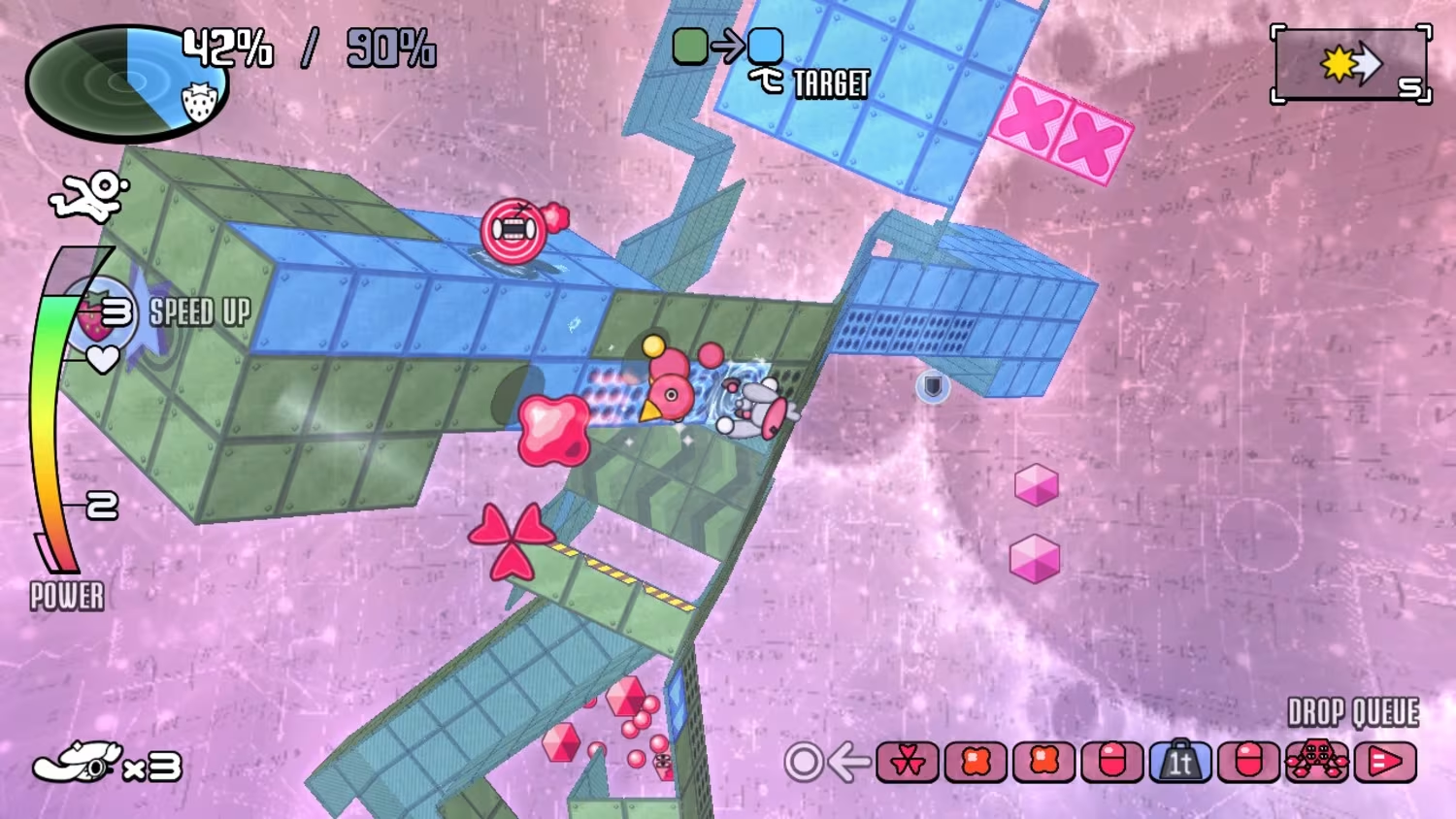
About Game
VIVIDLOPE Switch NSP arrived in the USA region on August 8, 2024, bringing an arcade, action, puzzle, and platforming mix to Nintendo Switch. Developed and published by Jaklub, the game supports English and Japanese and is listed at version 1.0.3. Its premise is built around a world where color is more than decoration: it is a resource, a tool, and the means by which a threatened land can be restored.
VIVIDLOPE on Nintendo Switch: Release Details and Version Information
The VIVIDLOPE release date was August 8, 2024, with the verified release identified for the USA region. Jaklub handles both development and publishing, giving the project a single credited creative source across those roles.
English and Japanese language support allows the game’s story and puzzle-focused progression to be experienced in either language. The listed release is VIVIDLOPE version 1.0.3, with a file size of 886MB. Its base firmware requirement is listed as 18.1.0. These details frame a compact release whose appeal rests less on broad genre labels alone than on the particular role color plays in movement, combat, exploration, and environmental change.
The presentation suggested by the premise is deliberately vivid: a fantasy setting defined by bright hues, but also by the unsettling absence of them when the world’s vitality begins to fade. That contrast gives the game’s visual identity a practical purpose. Restoring color is tied directly to advancing through the world.
Aethelgard and the Threat of Chromatic Decay
VIVIDLOPE Aethelgard is a land in which colors possess real power. Players take the role of a young Color Weaver charged with bringing balance back to the realm as a mysterious blight spreads across it. Known as the Chromatic Decay, this force drains life and color from affected places, leaving landscapes dull and depleted.
The journey moves through different biomes, each shaped in its own way by the decay. This gives the story a clear forward direction while supporting exploration: each area is not simply another backdrop, but a place marked by the consequences of the blight. Along the way, the Color Weaver encounters enigmatic characters, including potential allies and obstacles, while uncovering lore connected to the land’s condition.
The central objective in the VIVIDLOPE story is to collect fragments of pure color called Luminis. These fragments can be hidden inside environmental puzzles or protected by corrupted guardians. As more is learned about the decay and the power of the Luminis, the route leads toward the legendary Heart of Aethelgard, where the source of the corruption lies. The stated goal is not merely to defeat an enemy, but to weave colors back into their proper place and restore peace.
How Color Palette Powers Shape Exploration
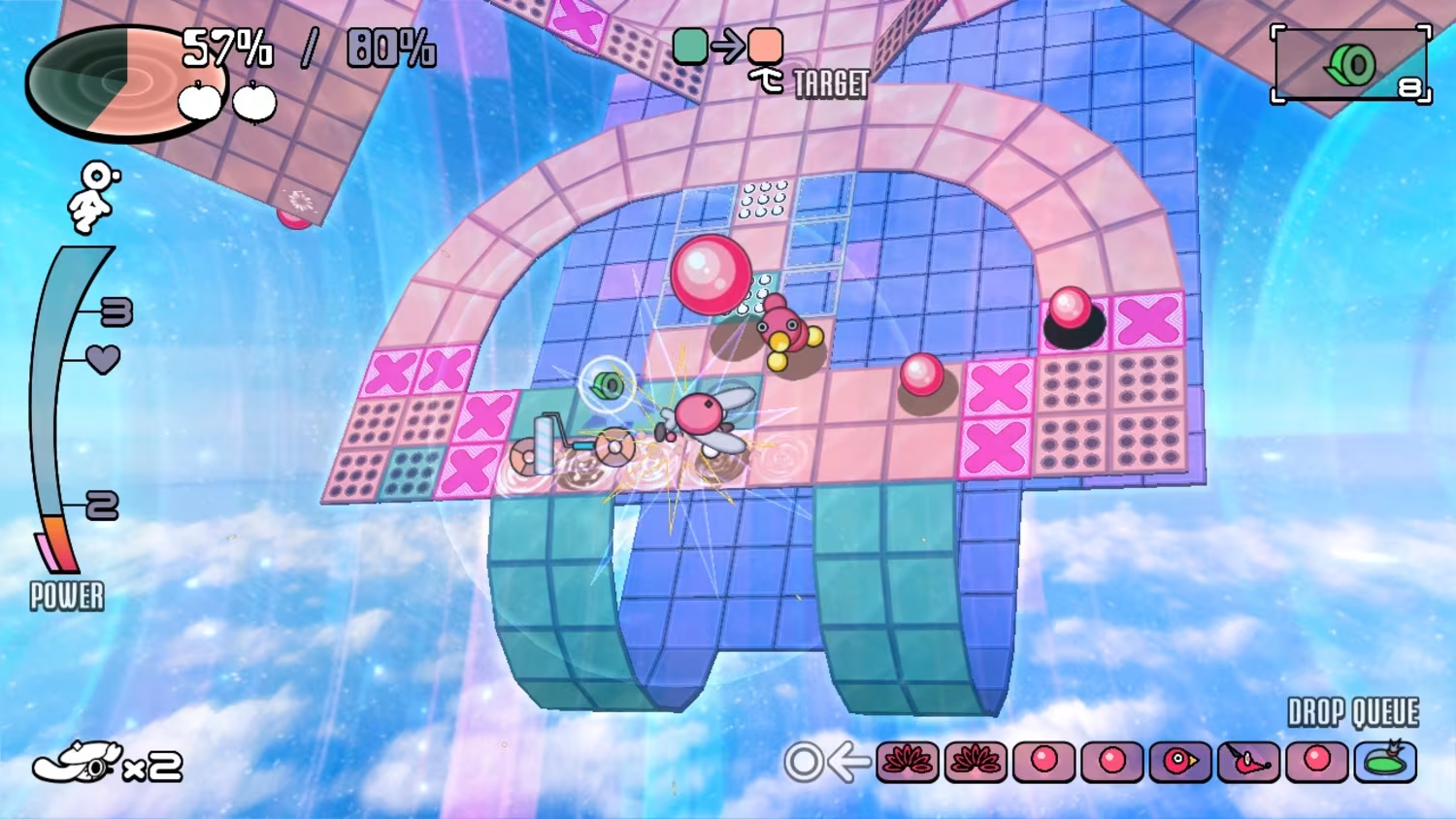
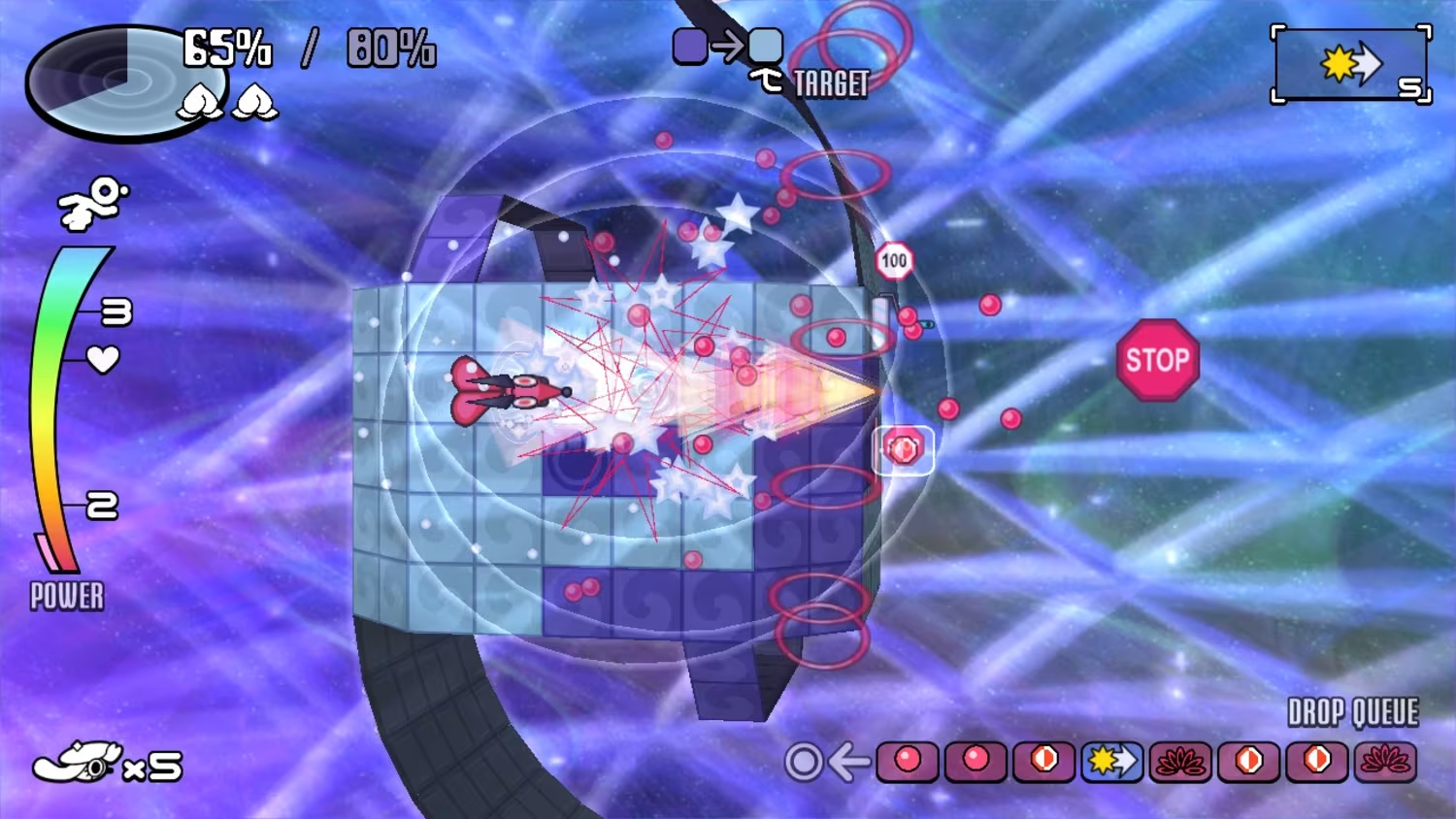
The Color Palette ability provides the game’s defining interaction. Players can absorb specific hues and project them back into the environment, turning color into an active form of problem-solving rather than a passive visual effect. Different hues have distinct properties, and those properties determine what can be changed, crossed, revealed, or accessed.
A projected color may create a solid platform, allowing a route through an otherwise impassable space. Another use can expose hidden paths, rewarding players who inspect the environment instead of treating every obstacle as a simple test of jumping precision. This makes VIVIDLOPE Color Palette mechanics closely tied to exploration. Progress can depend on noticing where a hue might alter terrain, objects, or the behavior of a space.
These color powers also encourage experimentation. A puzzle may ask players to consider not only where to go, but which color should be carried, when it should be used, and what change it can produce. Because the same system affects traversal and environmental interaction, the game’s puzzle design has room to connect movement with observation.
Platforming and Puzzle Design in VIVIDLOPE
VIVIDLOPE platforming combines fluid, responsive movement with intricate level layouts. The movement system supports active exploration, while the level structure gives color abilities meaningful places to be used. Routes may be shaped by gaps, altered terrain, concealed passages, or objects whose properties can be changed through color manipulation.
The result is a progression loop that blends physical execution with deliberate planning. Some moments call for timing and quick reflexes, particularly where traversal or combat creates pressure. Others slow the pace, asking players to read a space and work out how a color interaction can open the way forward. The environmental puzzles are not separate from the platforming; they help determine the platforms, paths, and possibilities available in a given area.
Combat uses the same logic. Enemies have color affiliations, and encounters reward players who recognize and exploit related weaknesses. This gives VIVIDLOPE puzzles and action sequences a shared language: color is consistently the key to understanding a challenge. Resource management adds another consideration, since color energy must be handled carefully during demanding sections and battles.
5 Practical Tips for Mastering VIVIDLOPE’s Color Challenges
- Search before moving on. Take time to examine each area, since hidden routes and puzzle solutions may be tied to environmental details rather than the most obvious path.
- Test each hue. Experiment with color interactions when a route appears blocked. A projected hue may alter terrain, create a platform, or reveal a passage that was not visible before.
- Protect your energy. Color energy is a resource during challenges and combat, so avoid spending it carelessly when a more demanding encounter may be ahead.
- Read enemy colors. Study an opponent’s chromatic affiliation and use the relevant color powers to exploit its weakness instead of relying only on speed or repeated attacks.
- Return with new abilities. The looping system supports revisiting earlier locations after gaining additional color tools, opening sections that could not be reached on a first visit.
Where VIVIDLOPE Fits Across Arcade, Action, Puzzle, and Platformer Genres
The verified genre combination of arcade, action, puzzle, and platformer describes the different demands placed on the player. The arcade element is reflected in quick responses, timing, and the immediate rhythm of movement through hazards. Action comes through combat encounters that require strategic use of color powers against enemy vulnerabilities.
The puzzle side is carried by environmental changes, hidden routes, terrain manipulation, and the need to choose the correct hue for a situation. Platforming remains essential because even the right solution must often be applied while navigating complex spaces. These categories work together rather than appearing as isolated modes.
Replay value is supported by the game’s looping mechanism. Returning to earlier areas with newly acquired abilities can reveal inaccessible sections, secrets, and fresh challenges. That approach suits players who enjoy exploration-driven progression, environmental puzzles, and combat that asks for attention to more than enemy placement. VIVIDLOPE Switch NSP presents its colorful world as both a setting to admire and a system to understand, with every restored hue potentially changing what the player can do next.