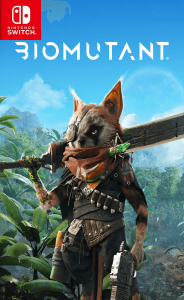
Biomutant Switch NSP
Report Link Error
Select the broken download file, then submit the report.
Screenshots
About Game
Biomutant Switch NSP brings an action RPG to Nintendo Switch with a world defined by mutation, pollution, exploration, and difficult decisions. Published by THQ Nordic, the USA release arrived on May 14, 2024. Its journey mixes martial-arts-inspired fighting, ranged weaponry, character development, crafting, and a post-apocalyptic setting whose future is tied to the fate of a single vital tree.
Biomutant on Nintendo Switch: Release and Game Details
Biomutant is an Action/RPG published by THQ Nordic for the USA region. The Nintendo Switch version supports En, Ja, Pt, Es, Fr, De, Pl, It, Ru, Ko, and Zh, offering a broad language selection for its story-driven adventure. The listed firmware requirement is 17.0.1, while the listed file size is 4.79 GB.
The game’s identity comes from the meeting of open-world exploration and character-focused progression. Players take control of a customizable warrior returning to a troubled land in search of answers about their past. That personal thread unfolds alongside a much larger environmental crisis, giving the adventure both intimate stakes and world-changing consequences.
For players interested in a flexible action RPG rather than a strictly fixed combat path, Biomutant Nintendo Switch offers several ways to shape a character. Melee techniques, guns, abilities, mutations, equipment, and crafted gear all contribute to the player’s approach. The result is a journey designed to leave room for experimentation instead of insisting on one combat style.
A Post-Apocalyptic World Centered on the Tree-of-Life
The central threat in the Biomutant Tree-of-Life story is both immediate and symbolic. Toxic oil is spreading through the world, damaging the Tree-of-Life that sustains all living things. Five enormous Worldeaters are also consuming its roots, worsening a crisis that already appears close to irreversible.
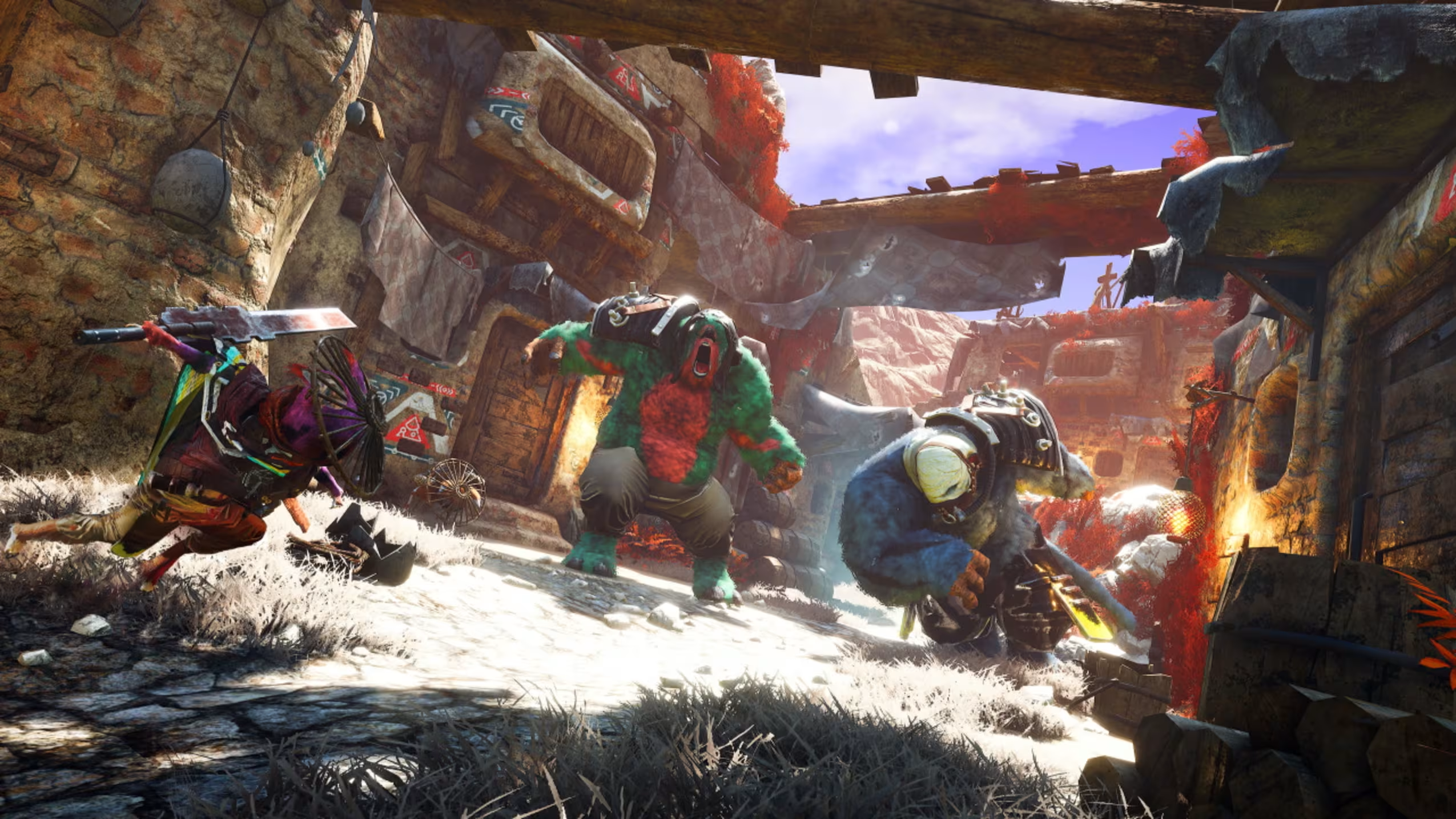
These Worldeaters are more than distant background threats. Their destruction is connected directly to the condition of the tree and, by extension, the future of the world. The setting is broken but still colorful, populated by mutant creatures and shaped by the visible effects of environmental damage. That contrast gives the world an unusual atmosphere: playful and strange on the surface, yet haunted by decay and urgency.
The conflict is complicated further by competing tribes. Some seek unity and the preservation of the Tree-of-Life, while others pursue control or may even push the world closer to collapse. The Biomutant story therefore frames its major decisions around more than simple victory. Alliances, priorities, and responses to the crisis all matter as the player moves through a land where survival and ambition often collide.
The Aura System and Its Impact on the Journey
The Biomutant Aura system tracks actions along a light-and-dark path. Rather than treating choices as isolated dialogue moments, the system gives them a continuing presence throughout the adventure. Decisions influence how characters perceive and react to the player, making the protagonist’s conduct part of the game’s progression.
This approach gives Biomutant morality a practical role in addition to its narrative one. Certain abilities can become available through the player’s alignment, while interactions can reflect the choices already made. A player who consistently follows one direction may encounter a different social response than someone who has taken another route.
The consequences reach beyond individual exchanges. Choices involving tribes and the Tree-of-Life contribute to the world’s eventual fate, with multiple possible endings tied to the direction of the journey. That structure supports replay value without requiring the same character, alliances, or moral route on every playthrough. It also suits players who enjoy pausing to consider the wider effect of an action before committing to it.
Wung-Fu Combat: Melee, Ranged Weapons, and Mutant Powers
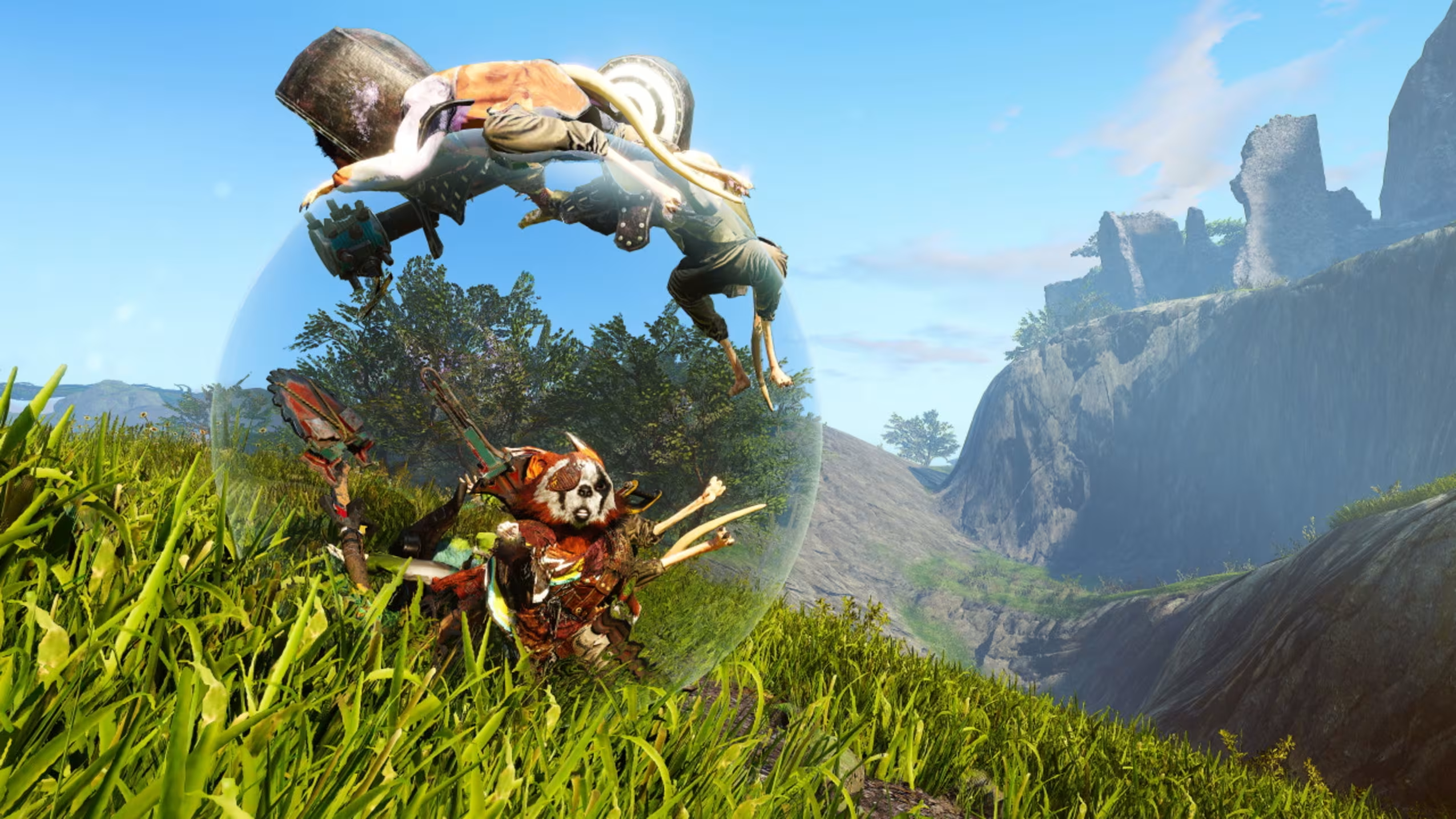
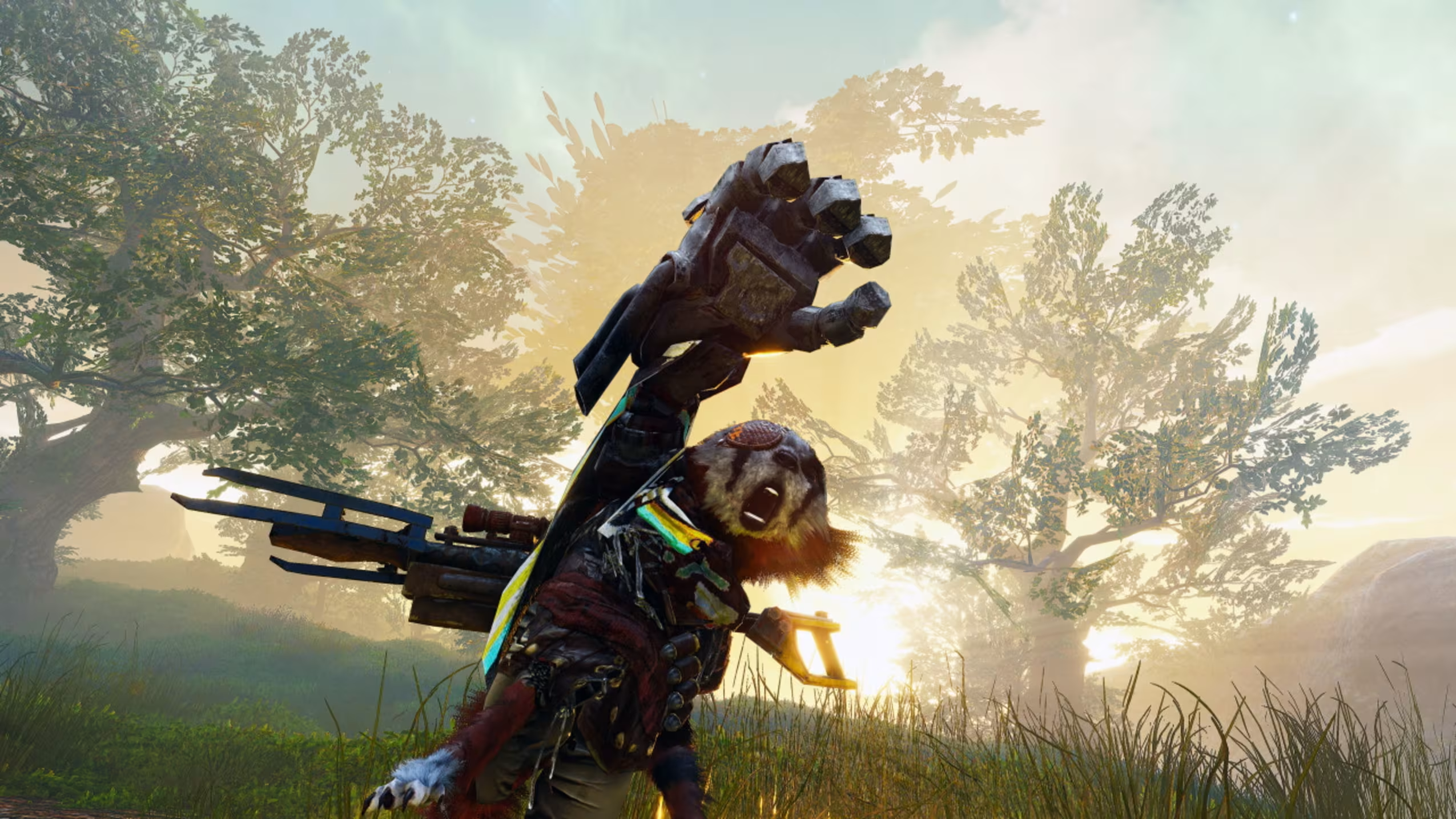
Biomutant Wung-Fu combat combines martial-arts-inspired melee action with firearms and mutant powers. The system is built around mixing these tools rather than separating them into rigid classes. A close-range attack can sit alongside gunfire and unusual abilities, allowing combat to shift as enemies and player preferences change.
This flexibility is important because character growth is not limited to one weapon type. Players can tailor appearance, statistics, and abilities through breed and class choices, then continue evolving through mutations. Those mutations add another layer to combat identity, supporting a warrior built around the player’s preferred balance of direct attacks, ranged pressure, and special powers.
Crafting expands that freedom further. Parts salvaged from the environment can be used to create weapons and armor, encouraging players to treat discovered materials as potential upgrades rather than incidental loot. The appeal is less about following a prescribed build and more about developing gear combinations that feel appropriate for a chosen style of play.
Exploring Biomes, Secrets, and Vehicles Across the Open World
The Biomutant open world is made for movement and discovery. Its varied biomes introduce changing surroundings and environmental challenges, while hidden secrets reward players who look beyond the most direct route. Exploration is not simply downtime between fights; it is part of how the game delivers materials, discoveries, and a sense of place.
Vehicles support travel across the landscape, giving the adventure another way to approach its expansive world. Their presence reinforces the feeling that this is a journey across a damaged environment rather than a sequence of disconnected arenas. Moving through different biomes can reveal the scale of the ecological crisis, from the toxic influence threatening life to the creatures and communities adapting around it.
For an audience drawn to exploratory RPGs, the strongest pull may be the combination of freedom and consequence. The world offers places to search, parts to salvage, combat options to test, and decisions that can affect relationships and endings. Biomutant Switch NSP uses those elements to make progress feel connected to both personal customization and the condition of the wider world.
5 Early Priorities for a Biomutant Switch Adventure
- Test every combat tool. Spend time combining melee strikes, firearms, and mutant powers to find a rhythm that fits your character.
- Search beyond the main route. Explore different biomes, look for hidden discoveries, and use the world’s vehicles to reach more of the landscape.
- Collect useful parts. Salvaged materials can support weapon and armor crafting, giving exploration a direct role in strengthening your equipment.
- Build toward a preferred style. Develop abilities, stats, and mutations with your chosen approach in mind, whether that means close combat, ranged attacks, or a mixture of both.
- Consider the larger cost. Choices involving tribes, character relationships, and the Tree-of-Life can shape reactions, ability access, and the world’s eventual outcome.