Cult of the Lamb Switch NSP
Report Link Error
Select the broken download file, then submit the report.
Screenshots
About Game
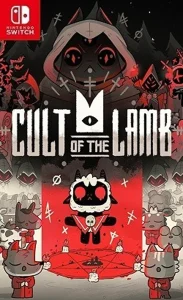
Cult of the Lamb Switch NSP frames a strange, darkly playful world around two connected demands: survive dangerous crusades and keep a growing flock fed, faithful, and productive. The Nintendo Switch release combines Action and Strategy elements in a game where a resurrected lamb becomes both an adventurer and the leader of an increasingly influential cult.
Cult of the Lamb on Nintendo Switch: Key Game Details
The Nintendo Switch version carries title ID 01002E7016C46000 and was released in the USA region on August 11, 2022. Published by Devolver Digital, it is classified in the Action and Strategy genres, an appropriate pairing for a game that moves between quick combat encounters and settlement management.
Supported languages are English, German, Spanish, French, Japanese, Portuguese, Russian, and Chinese. The listed firmware requirement is 14.1.0, while the recorded file size is 783 MB. These details place the Switch edition within a compact package, but the game’s structure supports a broad loop of combat runs, follower recruitment, construction, rituals, and upgrades.
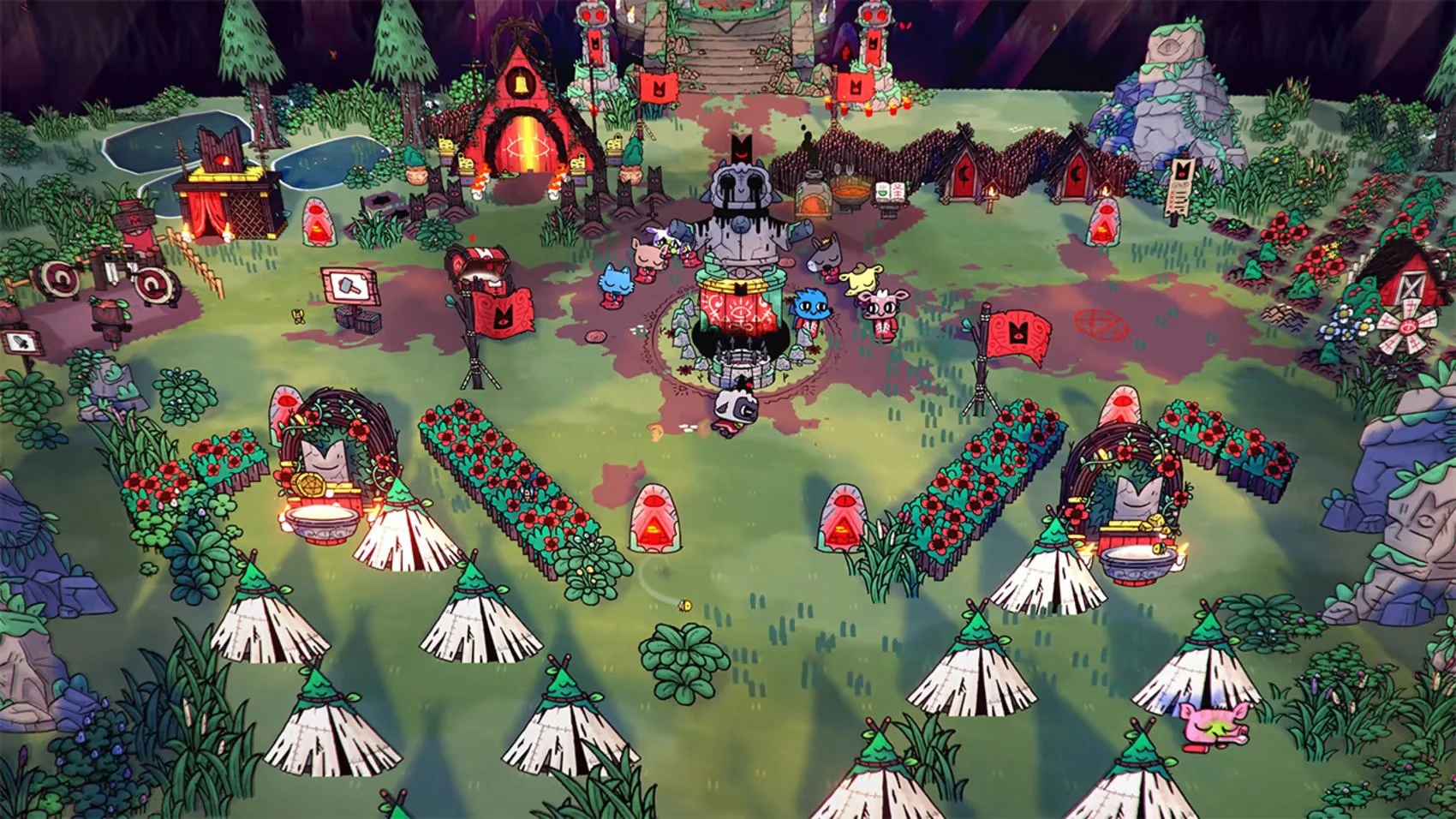
The result is not simply an action game with a decorative home base. A successful cult needs attention between expeditions, and the state of that community affects the player’s ability to keep pursuing the larger conflict. That tension gives the game’s cute-but-sinister presentation a practical purpose: every smiling follower can also represent another need to manage.
A Lamb Resurrected by The One Who Waits
The Cult of the Lamb story begins with a lamb brought to sacrifice by four ancient bishops. Just before death, the lamb is saved by a mysterious being called The One Who Waits. Resurrection comes with dark powers, but it also comes with an obligation.
In exchange for this second life, the lamb must build a devoted following in the name of its rescuer. The player establishes a cult, recruits followers, and expands a settlement while carrying out the will of an imprisoned patron. The premise gives the game a deliberately uneasy contrast. Its animal characters and approachable visual tone sit alongside sacrifices, dark rituals, and the pressure to turn belief into power.
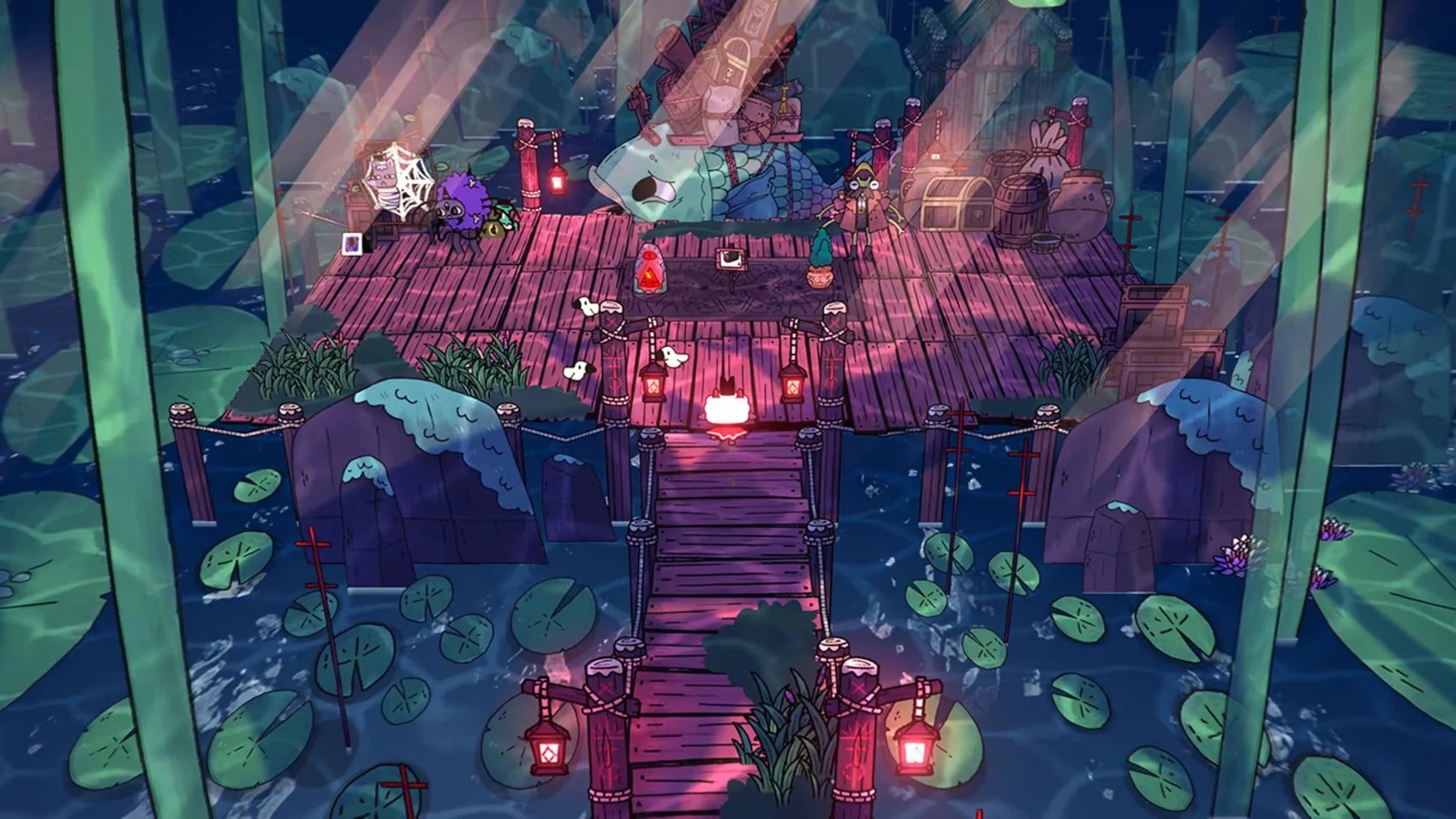
Faith is more than a story theme. Followers have loyalty and needs, and their condition shapes the health of the cult. Sermons and rituals can help maintain belief, while decisions made by the leader can carry consequences for the community. The lamb’s journey is therefore tied to both personal survival and the maintenance of a system built around devotion.
The Four Bishops of the Old Faith
The central opposition comes from the four bishops of the Old Faith, the same figures connected to the lamb’s attempted sacrifice and to the imprisonment of The One Who Waits. The player’s broader objective is to confront and defeat these powerful bishops, eventually freeing the entity that offered resurrection.
This gives the campaign a clear direction through its unusual religious imagery. The story is driven by revenge against those who sought the lamb’s death, faith in the patron who intervened, and liberation from the chains that hold The One Who Waits. Each major confrontation is also a measure of the cult’s growth: the player does not approach the bishops as a lone survivor for long, but as the leader of a community assembled along the way.
The Cult of the Lamb Bishops are presented as major boss challenges, making them natural milestones between the smaller battles and management tasks that fill the game’s rhythm. Their role ties personal conflict to progression, as victory advances both the narrative and the cult’s influence.
How Roguelike Crusades Shape Each Adventure
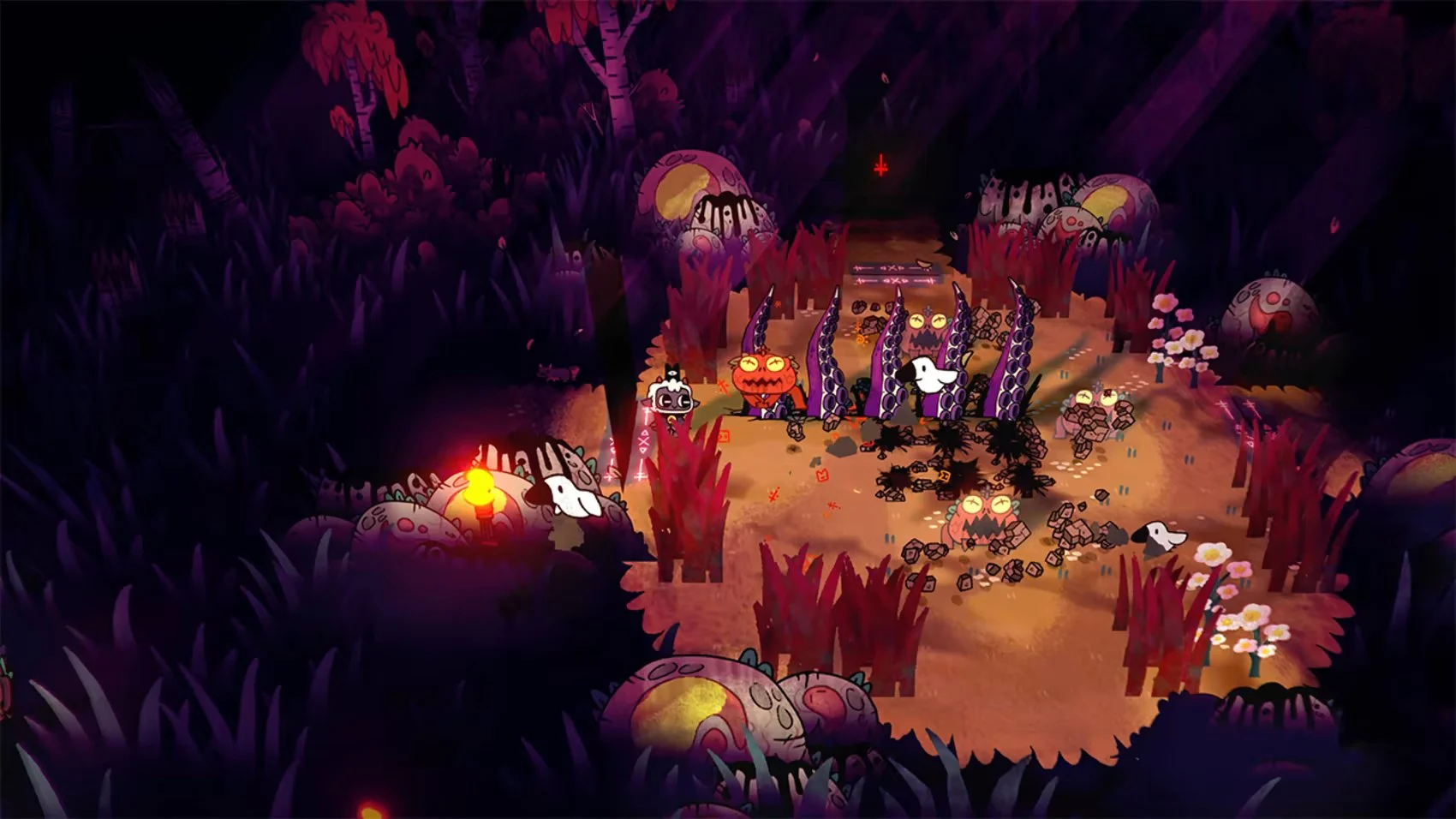
Cult of the Lamb crusades send the lamb into diverse, procedurally generated lands filled with zealots, resources, enemy encounters, and bosses. These excursions provide the action-focused half of the experience. The player fights through hostile spaces, gathers useful materials, and may find new followers who can later join the settlement.
Combat relies on random weapons and curses discovered during runs. That uncertainty gives each crusade a different texture, requiring players to work with the tools available rather than expecting every journey to unfold identically. Fast-paced encounters are balanced by the need to survive long enough to claim resources and continue deeper into dangerous areas.
Boss battles punctuate these routes, especially as the campaign closes in on the bishops of the Old Faith. Between combat rooms, the procedural structure encourages repeated excursions, while the changing mix of weapons, curses, enemies, and rewards helps keep those runs from feeling fixed. Replay value comes from that variation as well as from the continuing demands of the cult back home.
Resources gathered on crusade support construction and upkeep. Food, lumber, and stone matter because a growing settlement cannot run on devotion alone. This connection makes combat rewards meaningful beyond the immediate run: success in the field can become a new structure, better support for followers, or progress toward further doctrines and upgrades.
5 Priorities Before Leaving for a Long Crusade
Long expeditions are easier to manage when the settlement is stable first. These practical priorities follow directly from the game’s mix of resource management, follower care, building, and faith systems.
- Check the flock. Look after follower needs before leaving, since a healthy and content community is easier to sustain while the lamb is away.
- Secure food. Make sure the cult has food available, as feeding followers is part of keeping the settlement functioning.
- Review materials. Track food, lumber, and stone so that resources earned on a crusade can support immediate needs rather than cover an overlooked shortage.
- Build with purpose. Add needed structures before heading into dangerous lands, especially when the settlement’s growth has created new demands.
- Support faith. Use sermons, rituals, and other available means to protect loyalty and strengthen the cult before committing to a longer run.
These are not separate chores from the adventure. They are preparation for it. A neglected settlement can make the return from a successful crusade feel less secure, while a well-supported flock gives the player a stronger foundation for taking risks.
Why the Action and Strategy Blend Defines Cult of the Lamb
Cult of the Lamb action strategy works because neither side of the design is merely optional decoration. Crusades deliver the pressure of roguelike combat, random equipment, curses, enemies, resources, and boss fights. The settlement asks for planning: recruit followers, build structures, manage supplies, maintain faith, and make choices that can affect loyalty.
Progression moves through both systems. New followers increase the scope of the community. Resources enable construction. Rituals, sermons, doctrines, and upgrades develop the cult’s beliefs and the lamb’s abilities. Meanwhile, each successful journey into hostile territory brings the player closer to the bishops and the imprisoned patron at the center of the story.
The game is suited to players who enjoy shifting between immediate action and ongoing management rather than remaining in only one mode. Cult of the Lamb Switch NSP presents a world where charm and menace share the same space, and where leadership is measured not just by winning a fight, but by returning to a flock that still believes.