Tokyo Mirage Sessions #FE Encore Switch NSP XCI
Report Link Error
Select the broken download file, then submit the report.
Screenshots
About Game
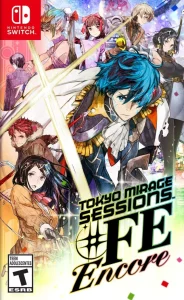
Tokyo Mirage Sessions #FE Encore Switch NSP XCI frames a role-playing adventure around an unusual collision of ambitions: young performers chase careers in Tokyo’s entertainment world while confronting invaders from another dimension. Developed by Atlus and published by Nintendo, this January 17, 2020 release turns idol training, creative expression, and turn-based battles into parts of the same colorful JRPG journey.
A JRPG Where Tokyo Showbiz Meets Otherworldly Conflict
Tokyo Mirage Sessions #FE Encore draws much of its personality from the Japanese entertainment industry. Its cast is not simply preparing for a distant heroic destiny; they are working toward performances, photoshoots, and the practical demands of becoming entertainers. That showbiz focus gives the game a distinct atmosphere, pairing bright pop presentation with a fantasy conflict that threatens Tokyo.
The central danger comes from hostile Mirages, otherworldly enemies that target human creativity. The heroes must protect people from these attacks while continuing to develop as performers. The result is a JRPG where the pressure of a stage appearance and the pressure of a dungeon battle belong to the same larger story. Music, costumes, and career growth are not separate decoration around the adventure; they help define its tone.
Itsuki, Tsubasa, and the Fortuna Entertainment Team
The story follows Itsuki Aoi, Tsubasa Oribe, and other aspiring performers connected to Fortuna Entertainment. Their careers develop alongside their responsibilities as defenders of Tokyo, giving the narrative room for friendship, personal growth, and individual goals. Tsubasa’s path as a rising idol and Itsuki’s involvement in the group help establish the balance between everyday creative ambitions and escalating supernatural threats.
Fortuna Entertainment provides the setting for much of that contrast. The team has to navigate showbiz opportunities while keeping its unusual mission hidden from ordinary people. Character-focused side stories add more context to the performers’ personalities and relationships, while also giving players practical rewards in the form of new skills or passive abilities. That connection between story material and progression makes time spent with the supporting cast matter beyond the main plot.
Fire Emblem Mirages and the Threat to Human Performa
The group’s abilities come through their connections with Mirages associated with the Fire Emblem universe. These allies allow the performers to fight, unlock their potential, and use powerful attacks against hostile forces. The premise brings Fire Emblem-linked figures into a setting shaped by Tokyo pop culture rather than a traditional medieval fantasy world.
The enemy threat is tied to Performa, the creative energy drawn from humans. Malevolent Mirages siphon that energy, turning artistic drive and personal expression into something that needs protection. As the Tokyo Mirage Sessions story unfolds, the party works to uncover the source of these attacks while defending the city. Performa also supports gameplay progression: collecting it can be used through Carnage Unity to forge weapons and develop abilities for the party.
Exploring Idolaspheres Inspired by Tokyo Districts
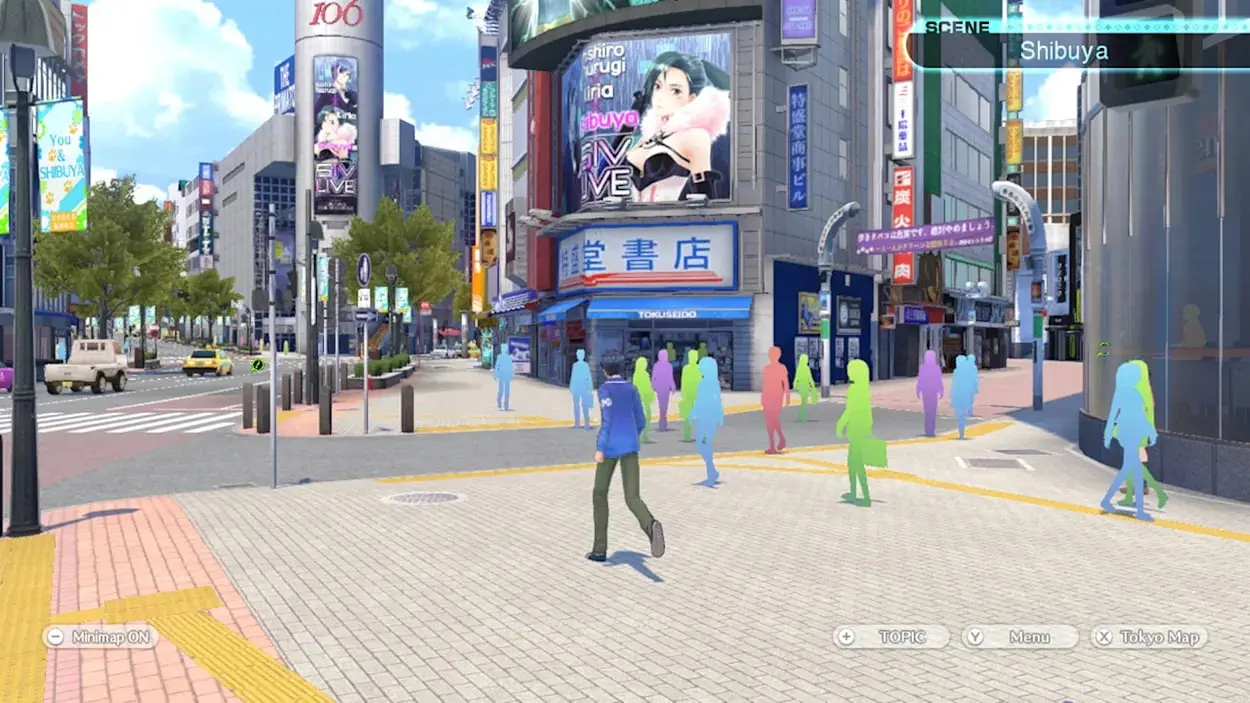
Outside combat, the adventure moves through Tokyo locations including Shibuya and Harajuku. These recognizable districts connect the game’s entertainment-world setting to its fantasy spaces, creating a city backdrop for both career activity and the investigation of Mirage incidents.
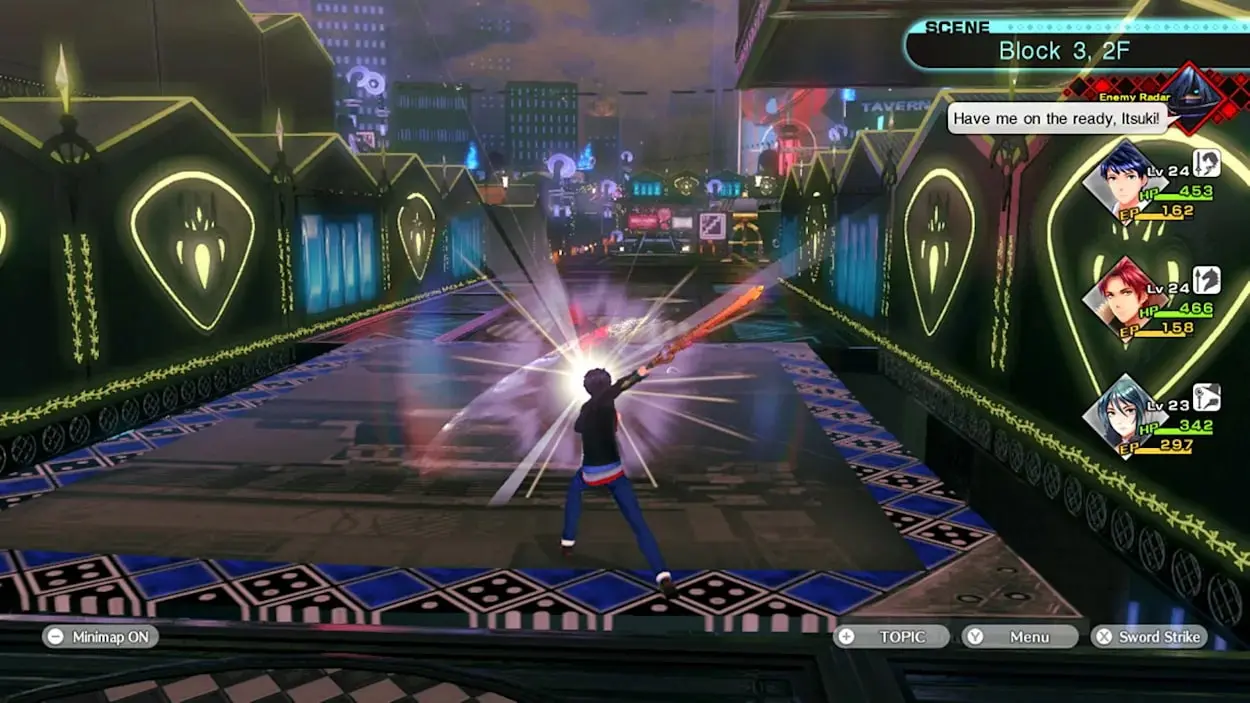
The major dungeon areas are called Idolaspheres. Their themed environments are linked to Tokyo-inspired locations, but they become stranger and more hostile than the streets outside. Exploration involves navigating these spaces, dealing with puzzles, and encountering enemy Mirages. The shift from lively city districts to stylized dungeon zones reinforces the game’s dual identity: Tokyo is a place for auditions, events, and public life, but it is also the front line of a hidden conflict.
That structure gives the adventure a useful rhythm. Time in the city can advance character stories and showbiz activities, while Idolaspheres focus attention on combat and exploration. The game does not treat those sides as competing ideas. Instead, each one supports the other, making the performers’ public-facing lives feel connected to their growth as fighters.
Performances, Outfits, and the Idol-Driven Presentation
The showbiz presentation is one of the game’s clearest defining traits. Idol performances bring musical numbers into the experience, while outfit changes and photoshoots underline the cast’s work as entertainers. These elements help make the group’s careers feel visible rather than merely described in dialogue.
There is a deliberate contrast between polished stage life and the dangers found in Idolaspheres. A character may be working on a performance or personal career goal in one moment, then facing Mirages in turn-based battles in the next. That contrast gives the presentation its energy. Tokyo Mirage Sessions #FE Encore Switch NSP XCI is therefore best understood as a game where pop spectacle and fantasy combat share the same spotlight.
The available metadata identifies the game as a Role-Playing Game with English, French, Japanese, and Korea language options. Its Asia region release is listed with Title ID 0100A9400C9C2000, firmware v9.1.0, and an 11GB file size.
5 Combat Priorities for Building Better Sessions
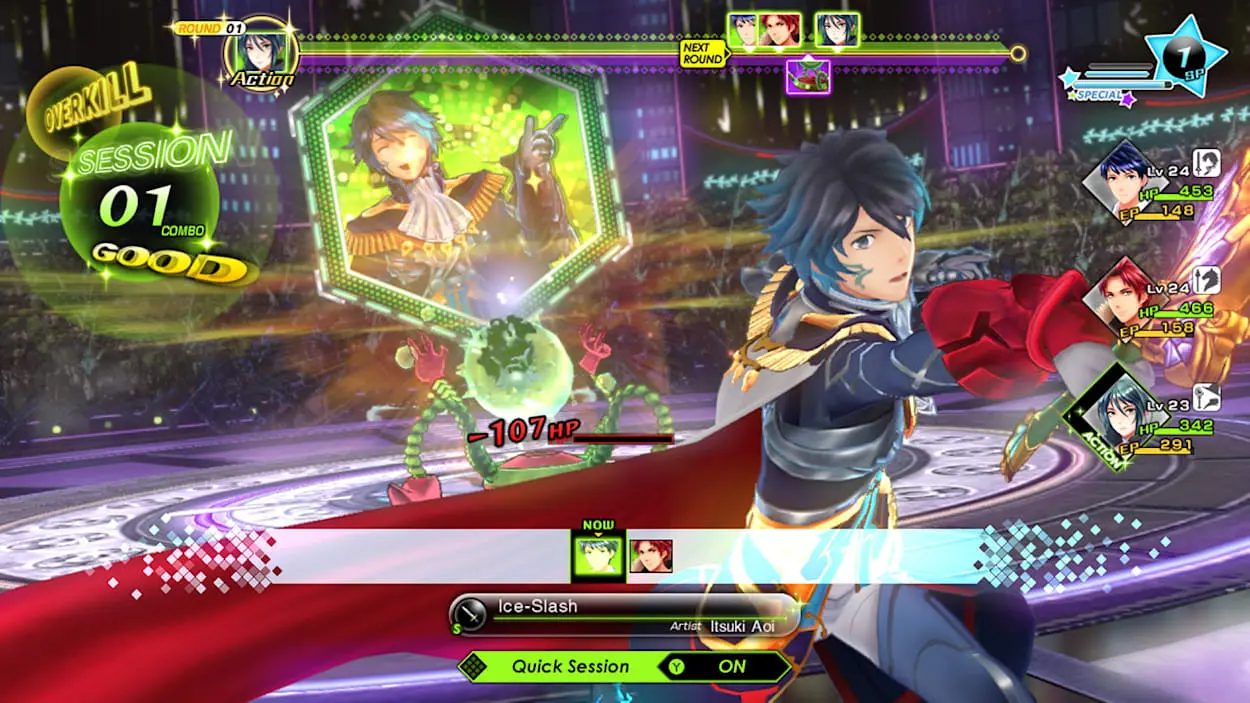
Combat uses a turn-based structure built around exploiting enemy vulnerabilities. The key mechanic is the Session system, where hitting a weakness can lead to coordinated follow-up attacks from party members. The following priorities reflect the systems presented in the game:
- Identify weaknesses first. Pay attention to enemy vulnerabilities, since striking the right weakness is the route into stronger coordinated attacks.
- Trigger Session attacks. A successful weakness hit can begin a chain in which the party follows up, increasing damage through linked attacks.
- Use Performa for growth. Collect Performa and use Carnage Unity to create weapons and abilities that expand a character’s combat options.
- Consider party setup. Different party members and abilities affect which follow-ups are available, so composition matters when planning Sessions.
- Complete side stories. Character-specific quests can unlock additional skills or passive abilities while also adding depth to the Fortuna Entertainment team.
This is a fitting JRPG for players interested in turn-based combat, character progression, Japanese idol culture, and a fantasy story built around creativity under threat. Its Sessions reward tactical attention, while its performances and career-focused scenes give the adventure a presentation unlike a conventional dungeon-focused role-playing game.