The Legend of Zelda Echoes of Wisdom Switch NSP XCI

Report Link Error
Select the broken download file, then submit the report.
Screenshots
About Game
The Legend of Zelda Echoes of Wisdom Switch NSP XCI places Princess Zelda at the center of a Hyrule crisis shaped by mysterious rifts. As people begin disappearing into these portals, including Link, Zelda receives the Tri Rod, a relic that lets her create echoes of objects and use them to change how she moves through the world. The premise gives the adventure a different rhythm: progress depends not only on bravery, but on observation, experimentation, and a willingness to test unusual ideas.
How the Tri Rod Defines Echoes of Wisdom Gameplay
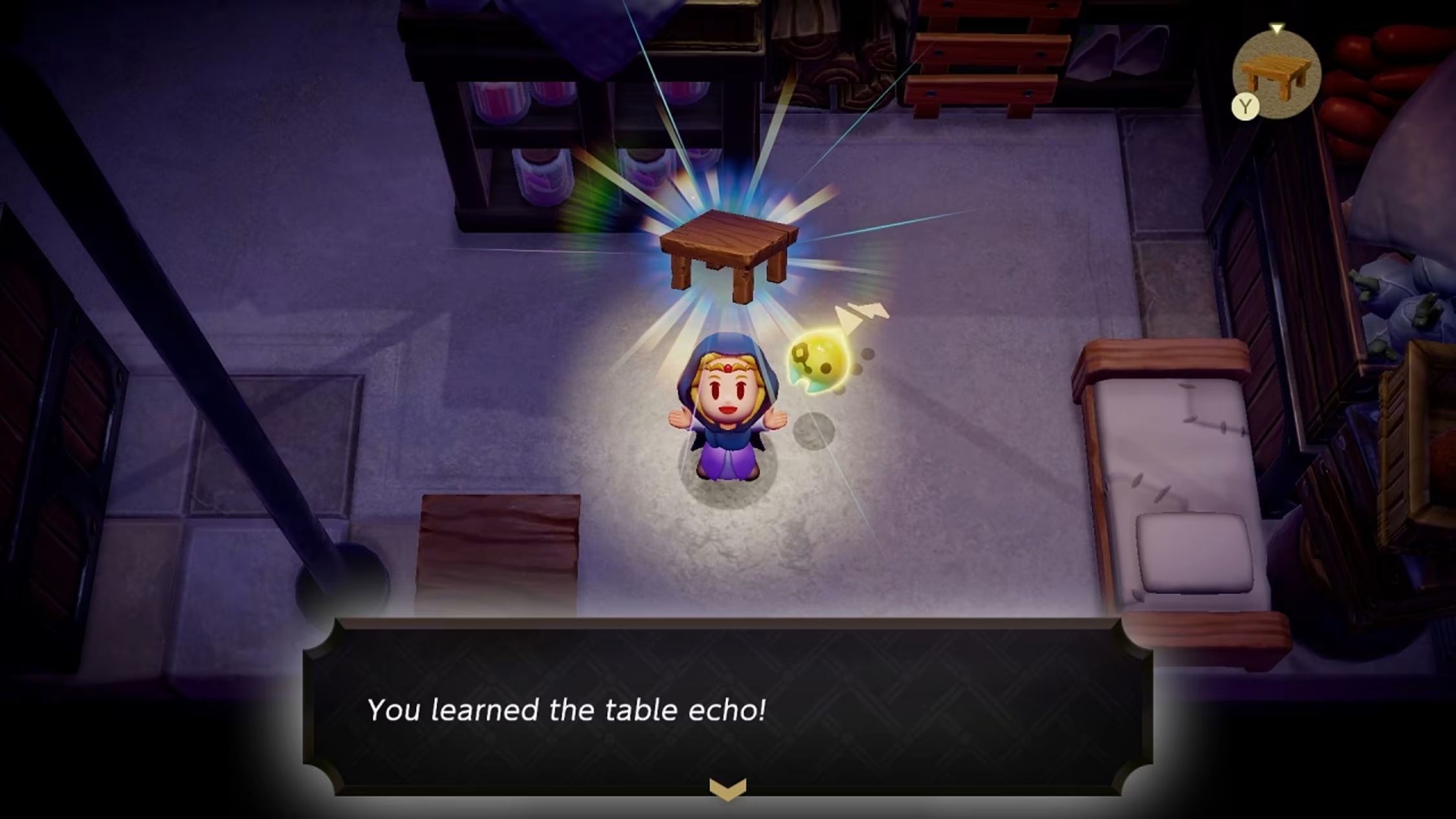
The Tri Rod is the foundation of Zelda’s abilities and the game’s central source of problem-solving. With it, Zelda can create echoes of objects in the environment, turning ordinary items into tools for traversal, puzzle-solving, and strategic encounters. A heavy block can become a way to activate a switch. Replicated items can help form a route across a gap. Temporary platforms can provide access to places that initially seem unreachable.
That flexibility gives each obstacle more than one possible reading. Instead of treating a barrier as a simple stop sign, players are encouraged to look at the space around it: what objects are available, where they could be copied, and how several echoes might work together. The strongest use of the Tri Rod is not merely producing a copy; it is recognizing what a copy can accomplish in a specific setting.
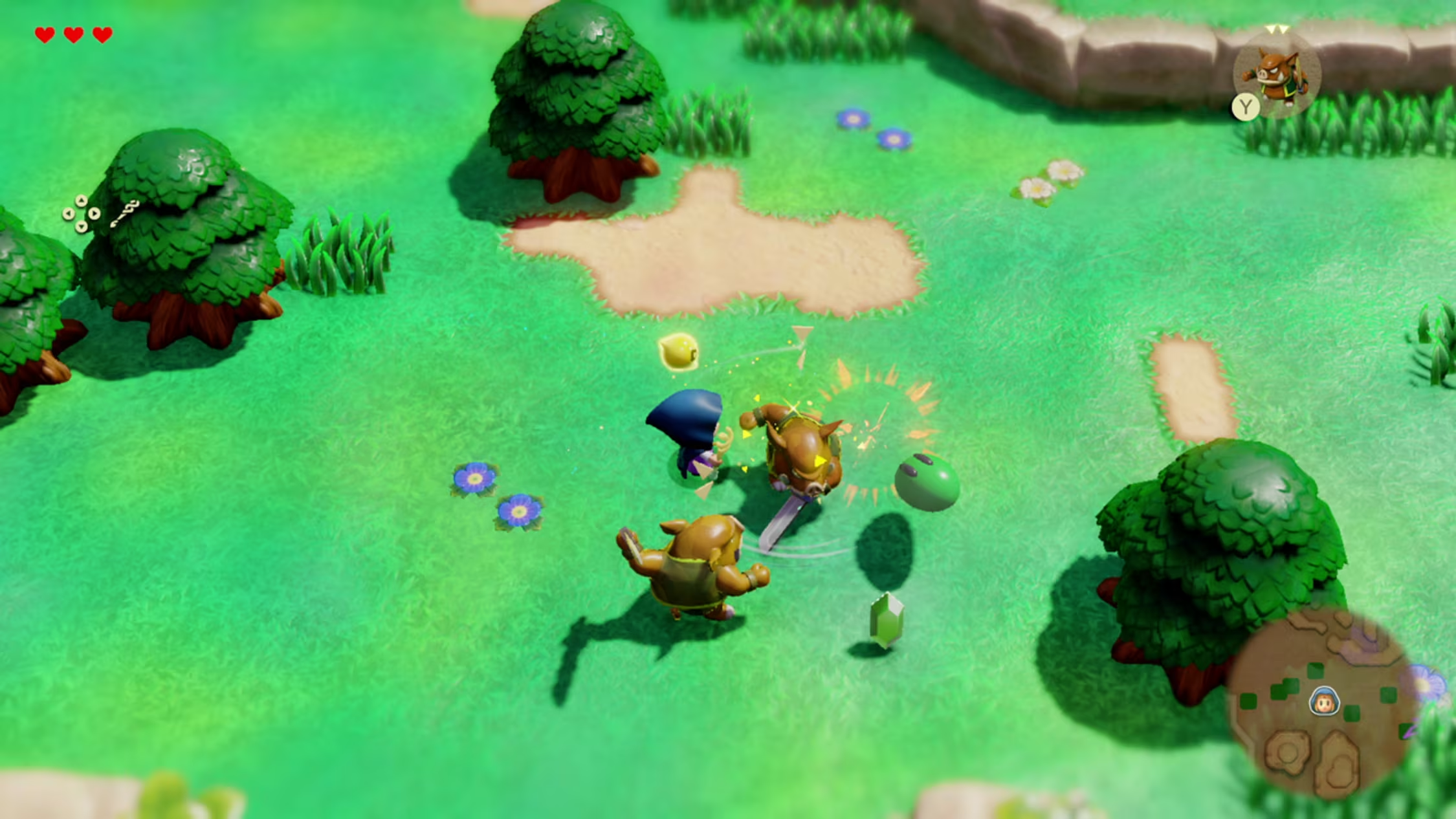
Echoes also affect combat. Zelda can use echoed objects or enemies for tactical advantages, including disrupting foes or creating protection from attacks. This does not separate combat from exploration. Both rely on the same habit of assessing the environment and applying the right echo at the right moment. The result is an action-adventure structure where creative problem-solving is consistently tied to Zelda’s role in the story.
Exploring Familiar but Changed Areas of Hyrule
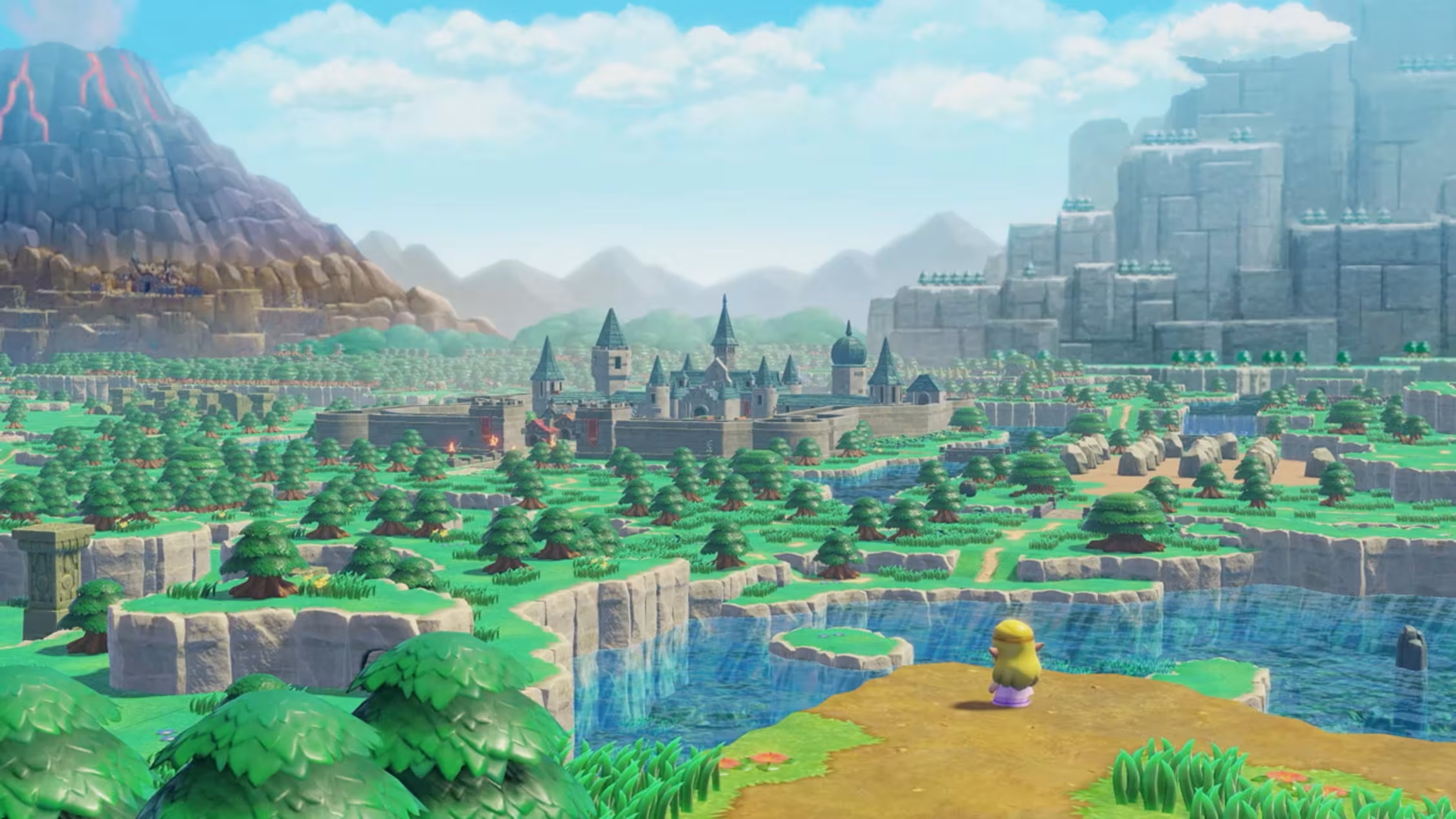
Hyrule remains the setting, but its landscapes have been altered by the appearance of rifts and the disappearances surrounding them. Familiar places are therefore not simply revisited for recognition. They become part of a wider mystery, with changed conditions, new encounters, hidden areas, and obstacles that demand fresh uses of the Tri Rod.
Exploration has a clear connection to progression. Discovering secrets and reaching new locations can open the path forward, while clever applications of echoes help Zelda access areas that would otherwise remain out of reach. The adventure also includes new foes and allies, giving the journey a sense of movement beyond its environmental challenges.
This approach supports an atmosphere of uncertainty without losing the recognizable identity of Hyrule. The rifts are not just a story device; they give Zelda a reason to search widely, gather clues, and keep moving through a kingdom that has become unstable. Hidden areas and environmental puzzles reward attention, while the larger mission—to find the missing people and uncover the truth—keeps exploration focused.
Dungeons, Bosses, and Clever Environmental Challenges
Dungeons provide concentrated tests of the mechanics introduced across Hyrule. Their challenges emphasize puzzle-driven progression, asking players to use Zelda’s echoing powers with increasing care. A solution may involve duplicating an item, arranging multiple copies for a larger interaction, or finding a new way to use an echo that previously seemed straightforward.
The presence of formidable bosses adds pressure to this system. Boss encounters test the player’s ability to think strategically with echoes, rather than treating the Tri Rod as a tool used only outside combat. Objects can help create openings, while echoes may be used to block attacks or interfere with enemies. The same imagination that opens a route through a dungeon can matter when facing a powerful opponent.
These dungeon puzzles give the game’s progression a practical sense of learning. As Zelda gains upgrades and abilities that enhance her echoing powers, the player’s understanding of possible interactions can expand alongside her options. The challenge is not only to find a solution, but to notice that the environment may permit one.
A Practical Ordered List of Echo Ability Strategies
- Read the room: Examine nearby objects, gaps, switches, and elevated spaces before committing to an approach. Environmental details can suggest where an echo may be useful.
- Test alternatives: Try different echoes when an obvious answer does not work. The Tri Rod encourages experimentation, and a less direct object may create a more useful result.
- Build in layers: Combine copies when a single echo is not enough. Multiple objects can support more complex interactions, including routes through difficult spaces.
- Use height wisely: Temporary platforms and replicated items can help Zelda reach areas above her normal path or cross spaces that lack a direct bridge.
- Plan for conflict: In encounters with enemies, use echoes for tactical effects such as blocking attacks, stunning foes, or creating advantageous positioning.
- Respect limits: Larger or more complex objects may have limitations, so resources should be used thoughtfully rather than spent on every possible copy.
Languages, Region, and Release Details for the Nintendo Adventure
The Legend of Zelda Echoes of Wisdom Switch NSP XCI is a Nintendo-published Action and Adventure title released on September 26, 2024. The listed region is USA. Its supported languages are English, Japanese, Spanish, French, German, Portuguese, Italian, Dutch, Russian, Korean, Chinese, and Traditional Chinese.
Those language options suit a game whose central ideas are communicated through action as much as dialogue. Zelda’s path is built around interacting with the world, identifying obstacles, and finding ways to reshape a situation through echoes. The game’s stated focus on exploration, environmental manipulation, dungeons, bosses, and story progress gives it the structure expected of a Hyrule adventure while shifting the primary perspective to Zelda.
Why Wisdom and Experimentation Are Central to Zelda’s Adventure
Zelda’s mission is driven by a direct crisis: people have vanished, Link is among them, and Hyrule must be restored. Yet the game frames her response through more than force. Courage matters, but so do intellect and patience. The Tri Rod turns those qualities into playable actions, asking Zelda to study her surroundings and discover practical, sometimes surprising uses for the echoes she creates.
That makes creative problem-solving central to both the narrative and the gameplay. Zelda is not simply traveling from one objective to another; she is working through a kingdom disrupted by rifts, one challenge at a time. Each hidden area, dungeon puzzle, and enemy encounter can reinforce the same idea: a difficult situation may change when viewed from another angle.
For players drawn to adventure games with environmental puzzles, exploratory progression, and room for experimentation, this structure offers a natural reason to revisit challenges and try different approaches. The continuing appeal lies in the question the Tri Rod raises throughout the journey: not just what is in front of Zelda, but what she can make of it.