Sea of Stars Switch NSP XCI
Report Link Error
Select the broken download file, then submit the report.
Screenshots
About Game
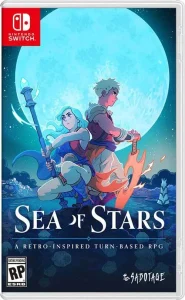
Sea of Stars Switch NSP XCI refers to the Nintendo Switch release of Sabotage Studio’s adventure RPG, a pixel-art journey built around turn-based battles, exploratory movement, and a story of two young heroes facing a growing threat. Its mix of classic JRPG influences and modern combat ideas gives the adventure a deliberate pace without limiting the player to the main path.
Sea of Stars on Nintendo Switch: Key Release Details
Sea of Stars launched in the USA region on August 29, 2023. Published by Sabotage Studio, it is listed in the Adventure and RPG genres and carries the Title ID 01008C0016544000.
The supported language list includes English, German, Spanish, French, Portuguese, Russian, Japanese, Chinese, and Korean. Its listed firmware requirement is 15.0.1, while the recorded file-size metadata is 3.88 GB. These details frame the Switch edition as a substantial RPG release rather than a brief side adventure.
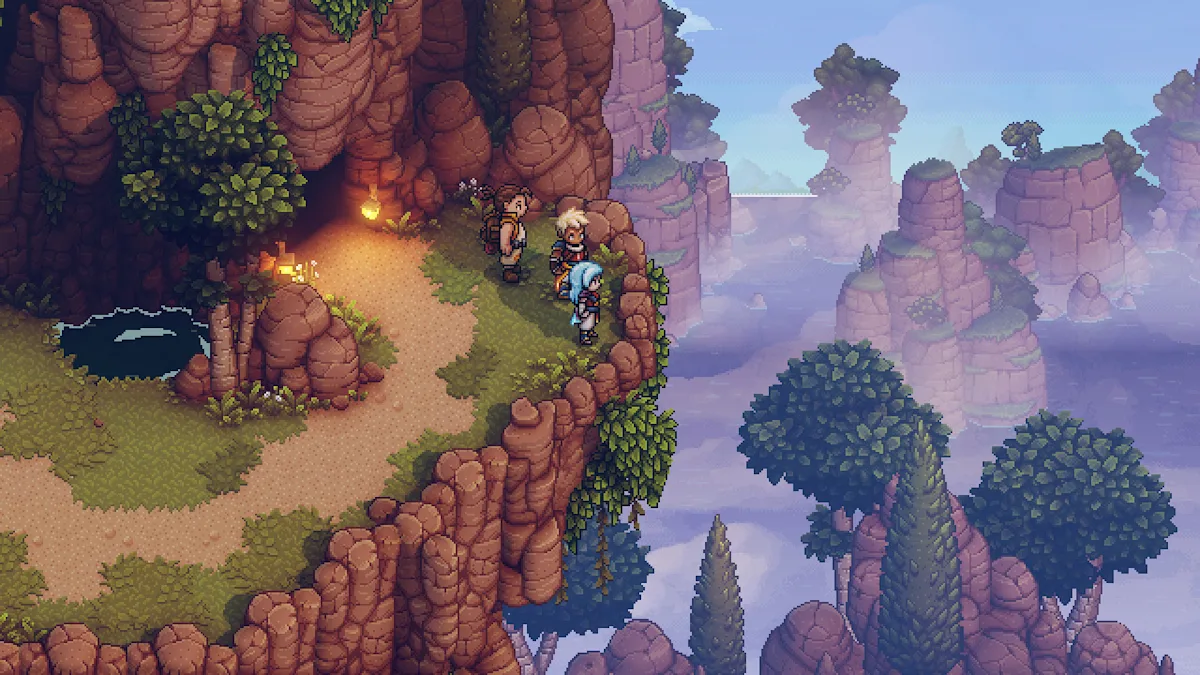
For players searching for Sea of Stars Switch information, the central appeal is easy to identify: a colorful pixel-art world paired with strategic, timing-focused encounters. The game’s presentation supports its fantasy setting without separating exploration from the action. Areas are designed for movement, investigation, and small discoveries, while combat asks players to pay attention to an enemy’s next move.
A World Shaped by Destiny, Friendship, and Ancient Lore
The Sea of Stars story follows Valere and Zale, two Children of the Solstice born on the same day but linked to different celestial powers. Valere is the Lunar Monk, while Zale is the Solar Blade Dancer. Their path leads toward becoming Solstice Warriors, a role tied to protecting their world from the creations of the Fleshmancer.
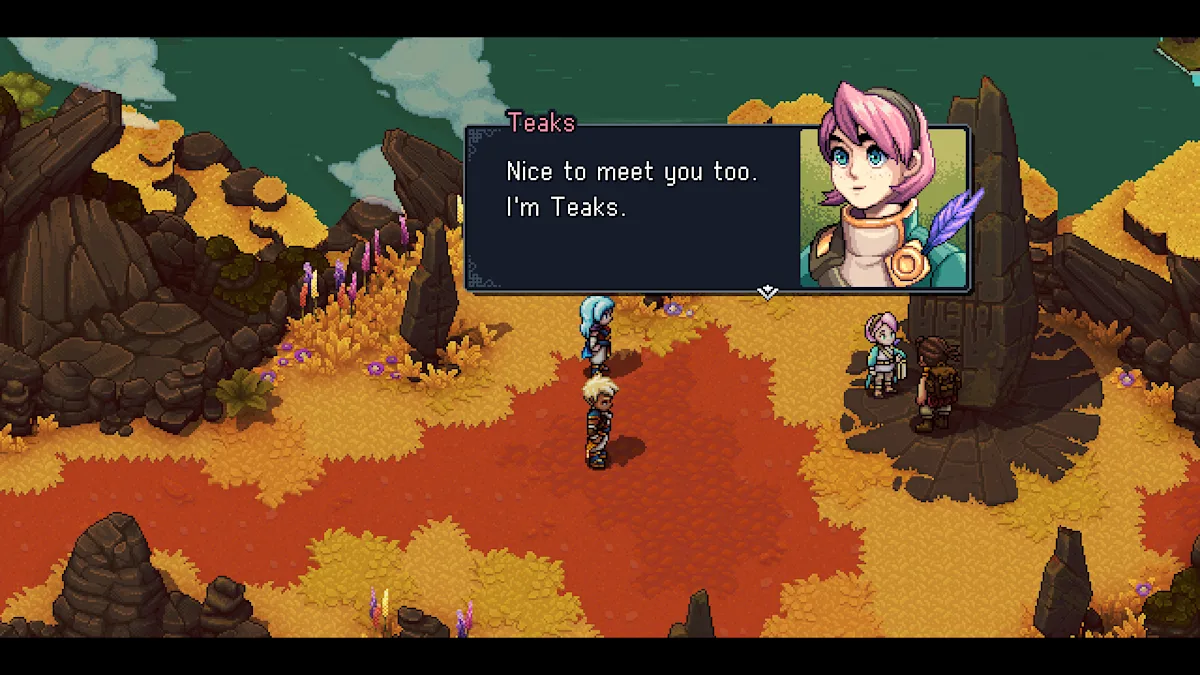
Their journey is not presented as a simple march from battle to battle. As the pair travel, they encounter characters, uncover old secrets, and learn more about the world they are trying to defend. Ancient lore and personal connections give greater weight to their mission, particularly as questions of purpose and sacrifice become harder to avoid.
Light and darkness form an important part of the adventure’s dramatic shape, but the story also makes room for companionship. Valere and Zale grow in strength while discovering what their responsibilities demand of them. The threat of the Fleshmancer gives the quest urgency, while the heroes’ relationships and discoveries provide its more personal side.
This makes the game suitable for players looking for a fantasy RPG that values both worldbuilding and character-driven stakes. Its themes of destiny, friendship, and difficult choices fit naturally with a long-form adventure in which progress means learning more about the world as well as gaining power within it.
Combo Attacks and the Lock System
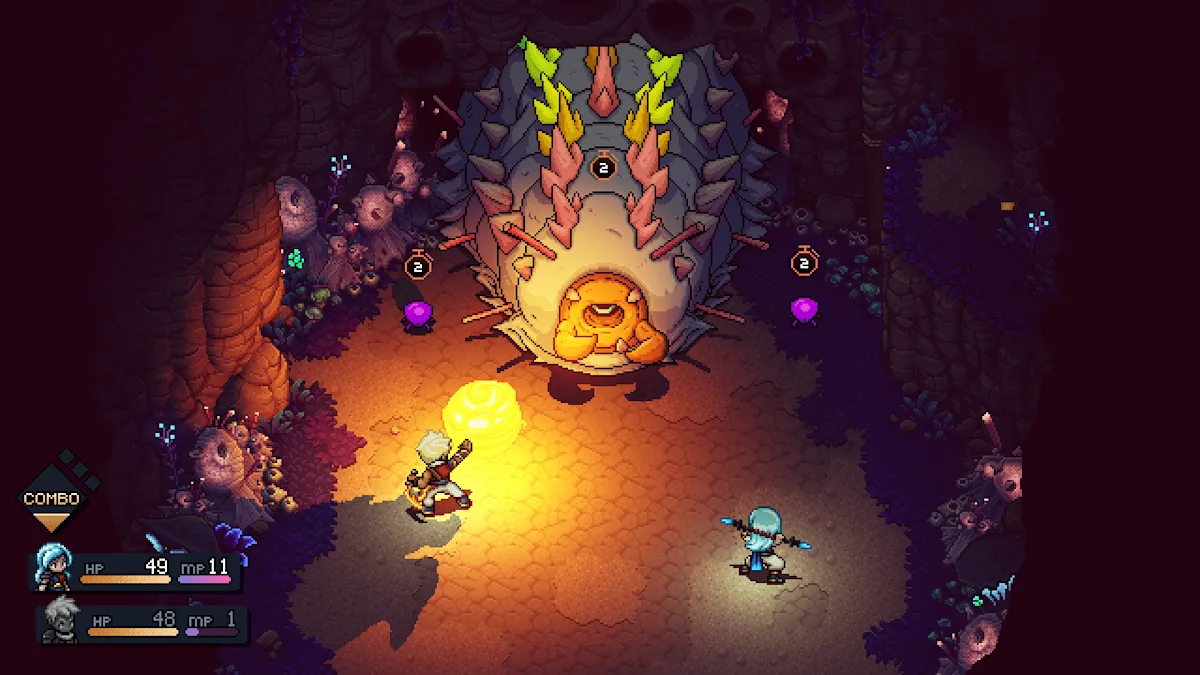
Combat uses a turn-based structure, though the outcome is not determined by menu choices alone. Timed actions matter, encouraging players to pay attention during attacks and other battle moments rather than treating every turn as automatic. This creates a more active rhythm than a purely passive command system.
Sea of Stars combo attacks allow character skills to be combined for more powerful results. These attacks reward awareness of the party’s available tools and can be particularly valuable when an opponent needs to be pressured quickly. The system supports planning without abandoning the accessible clarity of turn-based combat.
The Sea of Stars lock system adds another tactical layer. Enemies can prepare spells or special actions marked by locks, and players can interrupt those actions by breaking the locks with the appropriate damage types. A poor response can leave an enemy’s move intact; a well-chosen attack can disrupt it before it is carried out.
That interaction gives battle strategy a practical focus. Players are not only deciding how much damage to deal, but also considering which threat deserves immediate attention. Timing, skill combinations, and correct damage types work together, making encounters feel responsive and purposeful.
Exploration, Platforming, and Visible Enemies
Sea of Stars exploration places a strong emphasis on moving through the world rather than merely selecting destinations from menus. Traversal is fluid, with platforming elements and interactive spaces that invite players to inspect their surroundings. Hidden routes, environmental puzzles, and secrets encourage careful movement through each location.
The game’s pixel-art presentation helps make those spaces readable while preserving a bright fantasy atmosphere. Areas are not only backdrops for the story; they are places to cross, investigate, and revisit as players search for paths that are less obvious than the main route.
Combat encounters are visible on the map, supporting the game’s no random encounters approach. Players can see enemies and decide whether to approach or avoid them. That choice makes exploration less disruptive, particularly for players who want to focus on puzzles, side activities, or simple travel for a time.
A day-and-night cycle also changes the world as time passes, affecting gameplay and world interactions. Together with the platforming and visible foes, this gives travel a sense of movement and variation beyond the main quest.
Fishing, Cooking, and Side Activities Beyond the Main Quest
Adventure progress is not limited to narrative scenes and difficult fights. Sea of Stars fishing provides a quieter activity for gathering resources, while cooking turns those materials into beneficial meals. These systems offer a useful connection between exploration and preparation: time spent away from battle can still help the party face what comes next.
Sea of Stars cooking is especially relevant because meals can support the party before tougher encounters. Resource gathering therefore has a clear gameplay purpose, not merely a decorative one. Fishing and cooking also add variety for players who enjoy pausing between major story developments.
Side quests further widen the scope of the world. They give players reasons to engage with locations and activities outside the central mission involving Valere, Zale, and the Solstice Warriors. For an audience that enjoys exploration with optional objectives, these diversions help the adventure feel fuller without taking attention away from the main conflict.
5 Practical Ways to Prepare for Tougher Battles
The tactical systems in Sea of Stars Switch NSP XCI reward preparation more than hurried decisions. These practical habits are supported by the game’s combat and customization tools:
- Practice the timing. Timed actions are an important part of combat, so learning their rhythm can improve performance during demanding encounters.
- Use combo attacks. Combine character skills when a stronger response is needed, especially when an enemy must be pressured quickly.
- Read the locks. When an opponent prepares a spell or special attack, target its locks with suitable damage types to interrupt the action.
- Prepare meals. Fishing and resource gathering can feed into cooking, giving players beneficial meals before difficult battles.
- Adjust relics. The relic system can make the experience easier or more challenging, allowing players to shape the level of pressure they prefer.
These choices make the game a good fit for players who appreciate turn-based RPGs with room for individual adjustment. The relic system can help tailor the challenge, while visible enemies, side activities, and exploratory routes allow the pace to remain flexible between major fights.