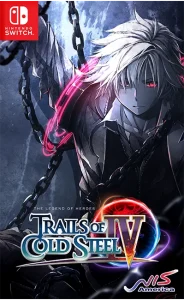
The Legend of Heroes Trails of Cold Steel IV Switch NSP XCI
Report Link Error
Select the broken download file, then submit the report.
Screenshots
About Game
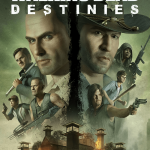
The Legend of Heroes Trails of Cold Steel IV Switch NSP XCI brings the Erebonian arc to Nintendo Switch in a USA release dated April 9, 2021. Published and developed by NIS America, this English-language Adventure, RPG, and Action title places a large-scale political crisis alongside a deeply personal story of missing allies, old bonds, and a continent pushed toward war.
A Nintendo Switch Overview of Trails of Cold Steel IV
The Legend of Heroes Trails of Cold Steel IV arrives on Nintendo Switch as a substantial chapter in the broader Zemuria setting. Its April 9, 2021 release places the game’s dramatic finale in a portable format, while the USA version supports English. NIS America serves as both publisher and developer for this edition, identified by Title ID 0100D3C010DE8000.
The game’s 10GB scope reflects an adventure built around lengthy story progression, a broad cast, major battle systems, and environments designed for continued exploration. It is not framed as a small side story. The stakes are continental, but the narrative repeatedly returns to the people carrying those stakes: Class VII, their allies, and Rean Schwarzer, whose absence hangs over the opening conflict.
Its genre mix is useful shorthand for what players can expect. The RPG structure supports character growth and tactical battles, the adventure side encourages exploration and relationship-building, and the action label fits the intensity of its attacks and cinematic combat moments rather than replacing its turn-based foundation.
Political Intrigue, Ancient Curses, and Personal Sacrifice
Erebonia has been thrown into turmoil by the Great Twilight. The Imperial Army, apparently influenced by a sinister force, threatens to turn an already fragile situation into an all-consuming war. Against that backdrop, Class VII must face a painful immediate problem: Rean is missing, and the people who could help avert disaster are scattered across a continent under pressure.
The story draws strength from its intersecting journeys. Allies from Crossbell and Liberl join the effort, widening the sense of Zemuria while keeping the focus on a shared rescue mission and the larger conspiracy connected to Ouroboros. Political intrigue is not merely background decoration here; it shapes the urgency of every alliance, betrayal, and decision.
Ancient curses add another layer to the conflict, suggesting forces that extend beyond ordinary military ambition. Yet the drama is not limited to grand lore. Personal sacrifice gives the narrative its emotional weight, as characters confront fear, responsibility, and the cost of protecting one another. The central hope is not simply to stop a battle, but to find a path toward lasting peace in Erebonia.
How Tactical Turn-Based Combat Builds Strategy
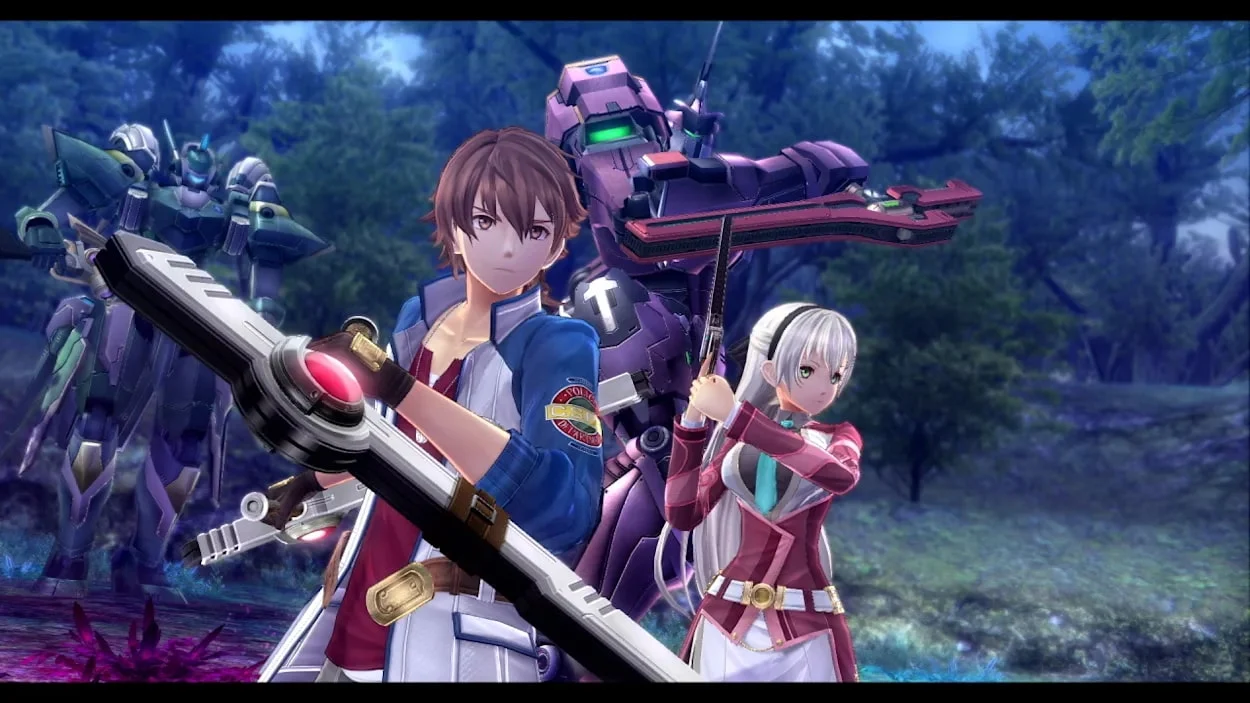
Combat is tactical and turn-based, asking players to make decisions about more than raw damage. A party includes heroes with distinct abilities and battle styles, so composition matters before a fight begins. The best group is not necessarily a collection of the strongest individual fighters; it is a team whose roles, attacks, and support options work together.
Battle positioning is an important part of that planning. Where characters stand can affect the flow of an encounter, particularly when abilities target areas or when enemies create pressure across the field. This gives fights a measured rhythm: observe the situation, choose the right response, then prepare for the enemy’s next move.
The ARCUS II battle orbment system supports extensive customization of character statistics and artes. That flexibility lets players shape a party around preferred tactics rather than relying on a single fixed setup. Link Attacks, Brave Orders, and Orders further deepen the system by rewarding coordinated timing and deliberate use of party resources.
S-Crafts provide another decisive option. These cinematic, powerful attacks can turn a difficult situation, but their impact is greatest when used with purpose instead of immediately. The result is a combat system where character synergy remains central: individual strengths matter, but coordinated choices carry the battle.
5 Gameplay Priorities for Tough Encounters
- Read the enemy. Pay attention to enemy weaknesses before committing to an attack pattern. Targeting a weakness can make an encounter more manageable and help direct the party’s next actions.
- Respect resistances. Elemental resistances matter as much as weaknesses. A powerful-looking artes choice may be inefficient if an opponent can withstand that element.
- Plan the party. Build around complementary battle styles rather than treating each character as an isolated unit. A considered party strategy makes Link Attacks, Orders, and support options more useful.
- Customize with ARCUS II. Use the orbment system to adjust character statistics and access powerful artes. Customization gives the party room to respond to different kinds of threats.
- Spend abilities strategically. Brave Orders and S-Crafts are most effective when they answer a specific danger or create a clear advantage. Timing can be as important as strength.
These priorities make the game’s difficult battles feel less like simple tests of endurance. The system encourages observation, adjustment, and a willingness to revise a party plan when an enemy’s strengths demand a different answer.
Exploration, Side Quests, and Bonding Events
Outside combat, the adventure opens into expansive environments with hidden secrets to uncover. Exploration creates breathing room between major story developments, allowing players to engage with the setting beyond its largest confrontations. Side quests add further activity and help make the journey feel broader than a straight sequence of required battles.
Bonding events give the cast room to develop away from the immediate pressure of the main crisis. These scenes strengthen relationships and can unlock powerful abilities, tying character interaction directly to progression. That connection is important: the game treats companionship as more than optional flavor, making it part of how the party becomes more capable.
The contrast between looming war and quieter companion moments helps shape the atmosphere. There is a sense of danger throughout the journey, but also a repeated emphasis on trust, reunion, and the reasons the characters continue fighting. Beautifully rendered environments support that balance, presenting spaces worth searching even as the story drives toward an urgent resolution.
Mini-Games That Break Up the Journey
For players looking for a pause from political conflict and tactical planning, Trails of Cold Steel IV includes Vantage Master and Pom-Pom Party. These JRPG mini-games offer lighter diversions within a story otherwise focused on curses, war, and difficult choices.
Vantage Master adds a separate activity to return to between larger objectives, while Pom-Pom Party provides a more playful change of pace. Their presence helps vary the journey without distracting from its main purpose: guiding Class VII and its allies through an increasingly dangerous struggle for Zemuria’s future.
The Legend of Heroes Trails of Cold Steel IV Switch NSP XCI is best suited to players who want a story-heavy RPG with an interconnected cast, strategic turn-based combat, customizable party systems, and optional activities beyond the central campaign. Its appeal rests on the combination of high-stakes conflict and the smaller relationships that give that conflict meaning.