The Walking Dead: Destinies Switch NSP XCI

Report Link Error
Select the broken download file, then submit the report.


Screenshots
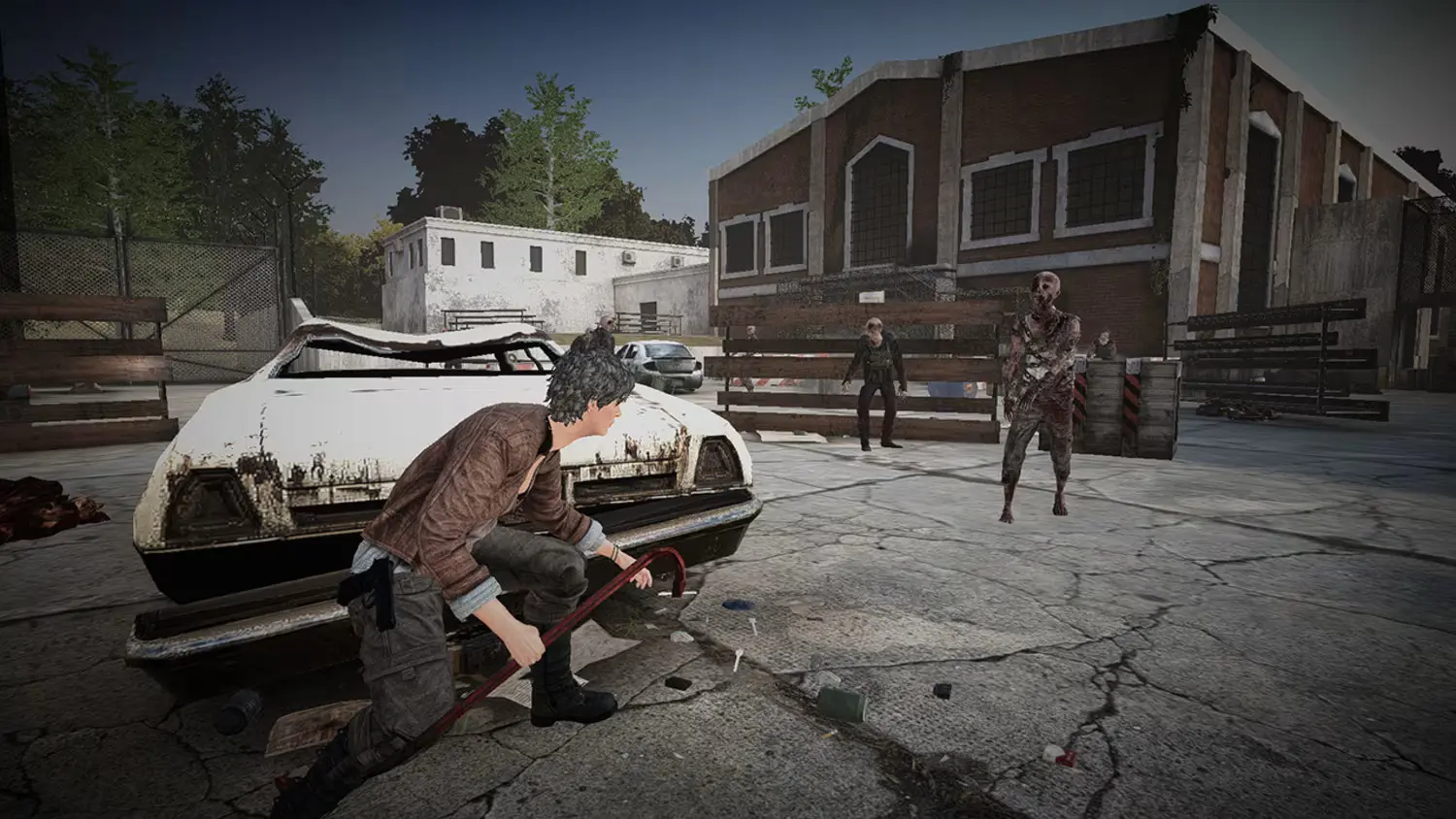
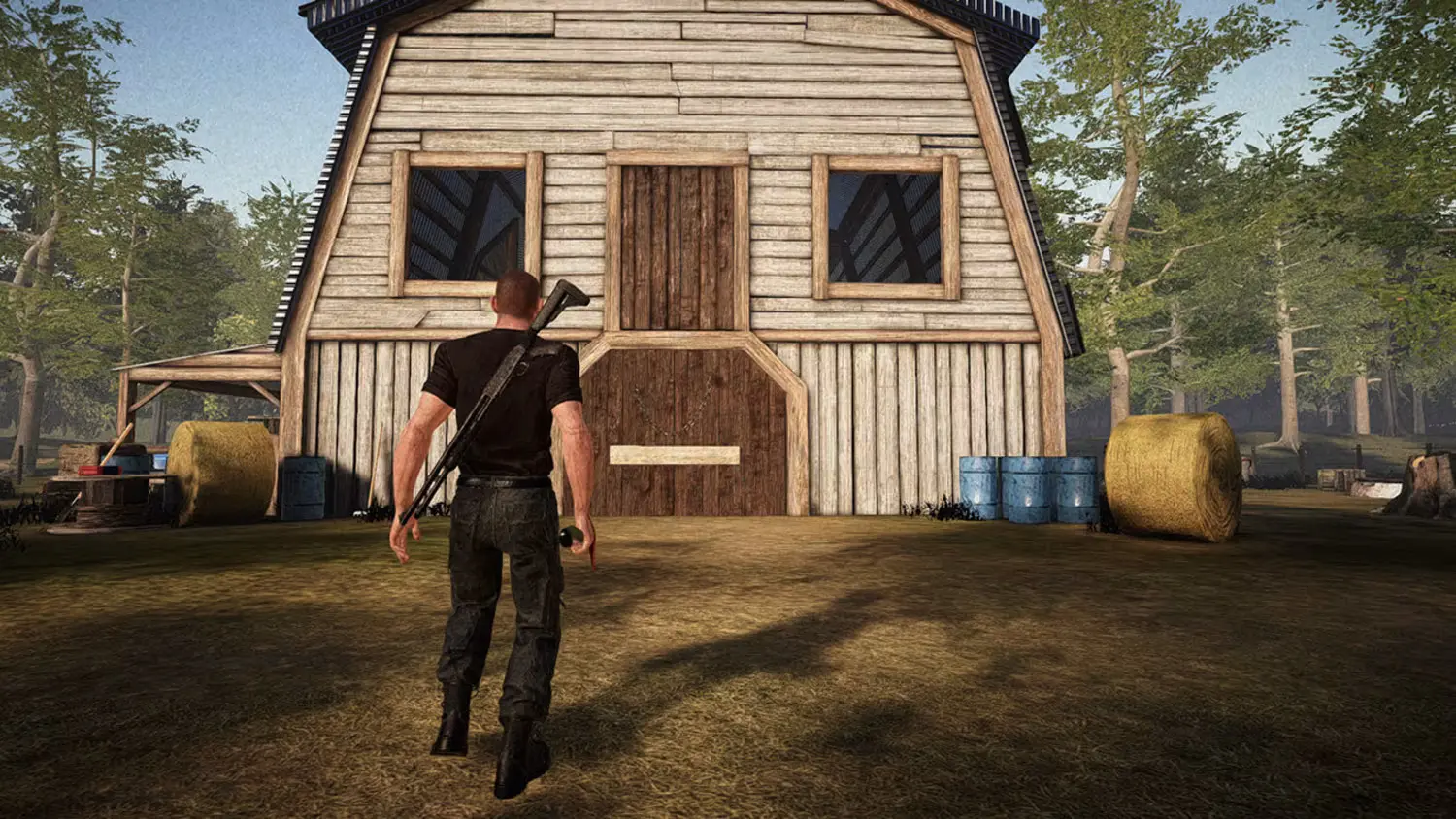
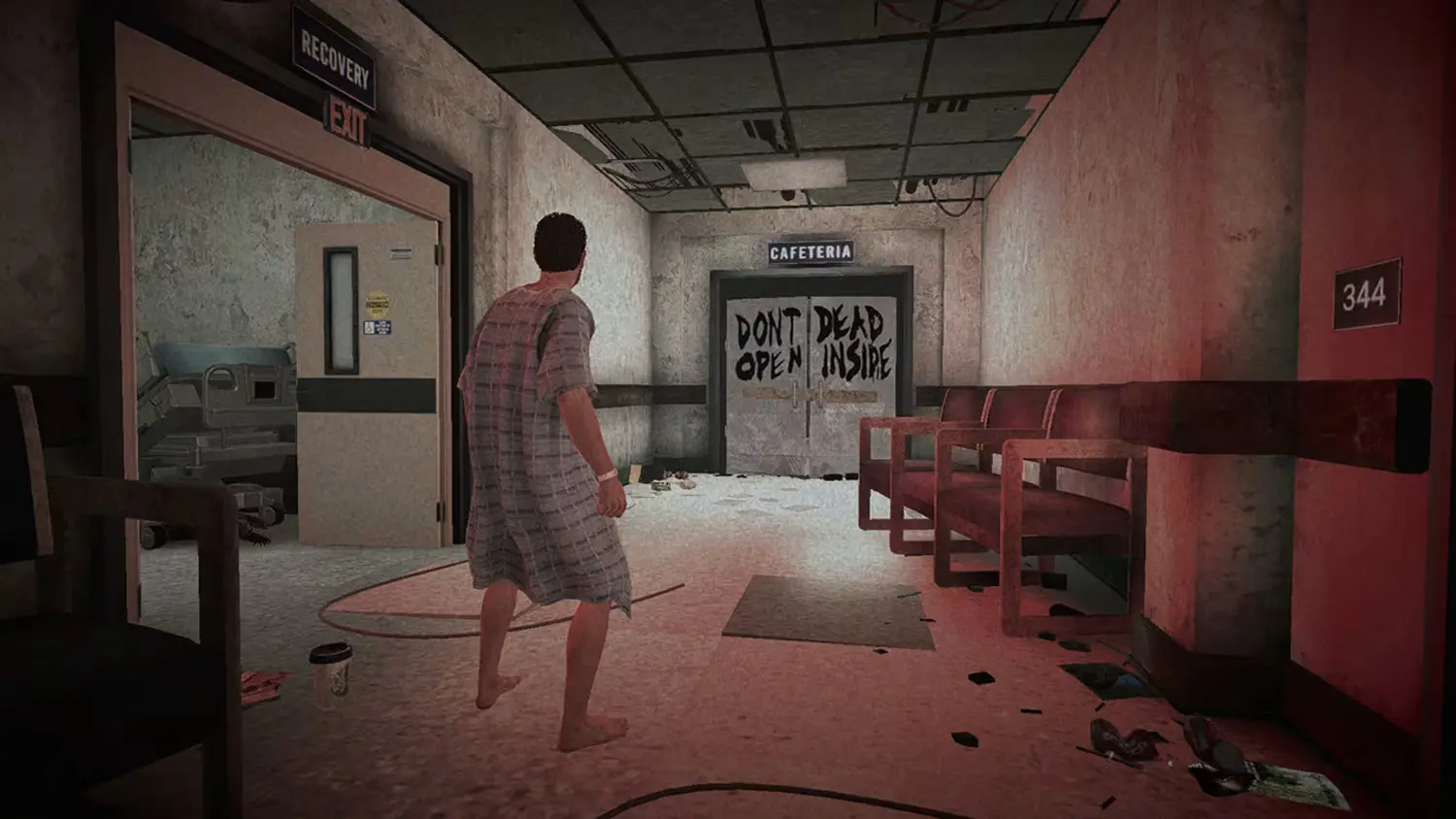
About Game
The Walking Dead: Destinies Switch NSP XCI revisits the first four seasons of the television series as a choice-led action-adventure, placing familiar events in the hands of the player. Its premise is simple but consequential: scenes associated with Rick Grimes and his fellow survivors can unfold along different paths when decisions change alliances, relationships, and who remains alive.
A Choice-Driven Return to The Walking Dead Seasons 1–4
The Walking Dead: Destinies draws its story material from Seasons 1–4 of The Walking Dead TV series. Rather than treating those events as fixed, the game uses them as a framework for alternate outcomes. Players revisit major moments from the show while making choices that can redirect the group’s future.
That structure gives the narrative its tension. Decisions are not presented as background flavor; they can affect character relationships and survival. A choice made during a confrontation, an alliance, or a moral dilemma may shift how a familiar situation develops. The result is a version of the television story that recognizes its best-known beats while making room for different survivor paths.
The atmosphere remains rooted in a hostile zombie apocalypse. Walkers are a constant danger, but human antagonists and difficult group decisions add another pressure point. The game’s action-adventure format therefore serves two connected ideas: staying alive through immediate threats and deciding what kind of group survives afterward.
Rick Grimes and the Survivor Paths Players Can Reshape
The story begins with Rick Grimes waking into a world overtaken by the undead. From there, his journey parallels the series’ opening era, but the player is not limited to the outcomes established on television. Key decisions involving characters such as Shane, Michonne, and Daryl can be changed, allowing established relationships and plot points to diverge.
This focus on survivor choices gives familiar characters a different role from simple cameos. Their lives, loyalties, and connections to the group can be influenced by player actions. Some decisions may carry immediate consequences, while others can reshape the wider survival picture over time.
That makes replay value a natural part of the design. A first run can show one route through the story, while later playthroughs can test alternate decisions and examine how the fate of the group changes. The appeal is not just in recognizing scenes from the series, but in asking how they might have played out under different leadership and different priorities.
Third-Person Combat Against Walkers and Human Threats
Combat is presented from a third-person perspective and places players against walker hordes as well as hostile human opponents. The threats are varied enough to support a survival-minded approach: walkers can overwhelm through numbers, while human enemies introduce a different kind of confrontation.
Players can use firearms and melee tools, with each option fitting a different situation. Guns provide a way to respond at range, but ammunition is limited and worth preserving. Melee weapons can help handle manageable dangers without spending bullets, though close combat naturally carries greater risk when enemies crowd in.
Stealth also has a place in the game’s survival rhythm. Avoiding detection can prevent unnecessary fights and help conserve resources for encounters that cannot be bypassed. Health, ammunition, and crafting materials are all described as vital resources, so combat is not merely about clearing every area. It is about choosing when a fight is worth the cost.
The Walking Dead: Destinies Switch NSP XCI frames these encounters around pressure rather than constant spectacle. A horde, a narrow supply situation, or a hostile encounter can all force a quick response, while the larger narrative keeps consequences in view.
Exploring Familiar Locations as Interactive Spaces
Recognizable locations from The Walking Dead TV series are reimagined as spaces for exploration. Instead of functioning only as remembered settings, they become places where players search for supplies, encounter threats, and make choices that affect the ongoing story.
This interactive exploration supports the game’s sense of unease. Familiar surroundings do not guarantee safety, and every area can hold a need for supplies, a potential ambush, or a reason to avoid attention. The locations connect the game to the series while giving the player room to approach danger through combat, stealth, or careful resource use.
For viewers who know the early seasons, that combination of recognition and uncertainty is central to the presentation. The game follows material associated with the show, yet player agency means the expected route is not necessarily the one that follows.
Character and Weapon Upgrades for Survival
Progression is tied to improving a survivor’s effectiveness against growing dangers. Character stats, survivor abilities, gear, and weapons can be upgraded, providing practical support for tougher encounters. These systems reinforce the idea that survival depends on preparation as much as on reactions during a fight.
Weapon upgrades can make available tools more useful when walker pressure rises or human threats become harder to manage. Improvements to character abilities and gear similarly offer a way to shape a survivor around the demands of the journey. Because supplies are scarce, progression works alongside resource management rather than replacing it.
The game is best suited to players interested in a television-based narrative that invites alternate outcomes, alongside third-person action and survival systems. Its choices, exploration, stealth segments, and upgrades all serve the same bleak setting: keeping the group alive in circumstances where no option is entirely without cost.
7 Survival Priorities for a First Playthrough
- Search thoroughly. Explore available spaces for supplies, since ammunition, healing items, and crafting materials are important to survival.
- Save ammunition. Treat bullets as a limited resource and keep them available for tougher encounters or emergencies.
- Use melee wisely. When a threat is manageable, melee options can reduce reliance on firearms and help preserve ammo.
- Watch health. Health is a vital resource, so avoid taking unnecessary damage during combat or exploration.
- Use stealth. Avoiding detection can prevent fights, limit danger, and conserve supplies for situations that demand direct action.
- Consider consequences. Narrative decisions can influence relationships, survival, and the direction of familiar story events.
- Develop your survivors. Improve abilities, gear, character stats, and weapons to prepare for more demanding threats.
Released on November 17, 2023, The Walking Dead: Destinies is an Action and Adventure title published by Game Mill. The USA release supports English, French, German, Italian, Spanish, Portuguese, and Dutch.
Recommended Similar Games
 Planet of Lana Switch NSPView Game
 Made in Abyss: Binary Star Falling into Darkness Switch NSP XCIView Game
 METAL GEAR SOLID 4: Guns of the Patriots – Master Collection Version Switch NSPView Game
 Diablo III: Eternal Collection Switch NSP XCIView Game
 LumenTale: Memories of Trey Switch NSPView Game
 Earth Defense Force 4.1 for Nintendo Switch NSP XCIView Game