Summer Sweetheart Switch NSP XCI

Report Link Error
Select the broken download file, then submit the report.


Screenshots

About Game
Summer Sweetheart Switch NSP XCI frames its romantic drama around a familiar seasonal return: a protagonist comes back to their hometown for summer break, where old connections and new encounters begin to reshape the weeks ahead. With sunshine, town outings, and several possible romantic interests in the background, the game presents a relationship-focused story built around personal decisions rather than a single fixed route.
Summer Sweetheart on Nintendo Switch: A Summer Romance Premise
The hometown setting gives Summer Sweetheart a clear emotional starting point. Returning for the summer means reconnecting with childhood friends while also meeting personalities whose goals, secrets, and perspectives are not immediately apparent. The protagonist is drawn into a web of potential relationships, with each person offering a distinct direction for the story.
That premise leaves room for both lighter scenes and more serious dilemmas. Summer activities and chance meetings provide the outward rhythm, but the narrative also points toward long-forgotten memories and hidden truths involving the town and its residents. Rather than treating romance as a detached feature, the game places it within a wider hometown story in which familiar places can carry personal history.
The result is a summer romance adventure with an intentionally intimate scale. Its focus is not on saving a world or completing large-scale quests; it is on conversations, emotional uncertainty, and the consequences of choosing how to spend a limited stretch of time.
How Player Choices Shape Relationships and Endings
Interactive dialogue is central to progression. Players select responses during conversations, and those decisions influence how characters respond and how relationships develop. A reassuring answer, a risky remark, or a choice that reflects one character’s preferences may all send an emotional arc in a different direction.
This branching dialogue structure gives the game’s romantic scenarios their sense of agency. The relationships are not simply observed from a distance: decisions affect the path the protagonist takes with potential sweethearts and help determine the outcomes reached by the end of the summer. Multiple endings add a practical reason to revisit key moments and explore responses that were previously left unchosen.
- Read the room: Character personalities and preferences can help make dialogue decisions more informed.
- Take conversational risks: An unexpected response may reveal another plot thread or lead to a favorable result.
- Follow a connection: Giving attention to a chosen romantic interest supports a more focused relationship path.
- Notice the emotional stakes: Choices can shape more than a single scene, influencing later relationship development and endings.
- Return with a new perspective: Different decisions and relationship scores create room to pursue alternate outcomes.
For players interested in a dating simulation where words matter, that structure is the game’s main source of replay value. The appeal comes from seeing how small shifts in tone or attention can alter the wider summer narrative.
Exploring the Town Between Key Encounters
Town exploration provides the spaces between major conversations. Players can visit different locations around the hometown, and these summer locations may trigger events or character encounters that add context to the story. Exploration is therefore tied to narrative discovery rather than functioning as a separate action-oriented challenge.
Environmental details and cues can deepen the experience by drawing attention to the setting and the people who inhabit it. A location may become meaningful because of the memories associated with it, the character encountered there, or the event that unfolds during a visit. In a story concerned with returning home, that connection between place and memory is especially fitting.
The town also helps maintain the seasonal atmosphere. Its encounters break up the daily routine while giving players opportunities to learn more about residents, discover new developments, and spend time with characters outside the most direct romantic scenes.
Time Management in the Daily Summer Schedule
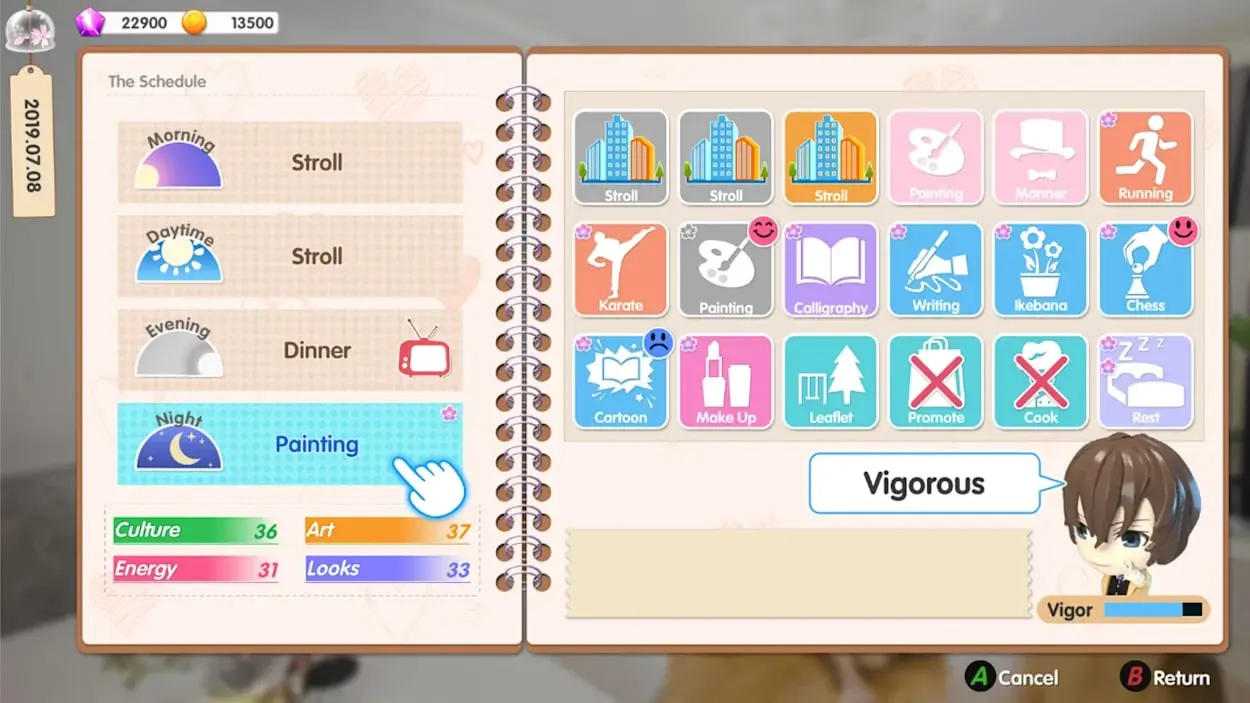
Summer Sweetheart asks players to divide their days between social events, personal pursuits, and romantic opportunities. This daily schedule adds a planning element to the relationship simulation: time spent in one direction can affect how much attention remains for another.
Managing activities carefully matters when pursuing a particular relationship path. Dates and conversations compete with other ways of spending the day, so a player who wants to maximize interactions with a specific sweetheart must consider where to go and how to allocate available time. The design turns an ordinary summer routine into a series of choices about priorities.
That system complements the branching dialogue. Conversation choices define the tone of a relationship, while time management helps determine which interactions can happen in the first place. Together, they create a progression loop based on planning, exploring, and responding to people rather than on reflexes or combat.
Summer Sweetheart’s Visual Presentation and Portable Appeal
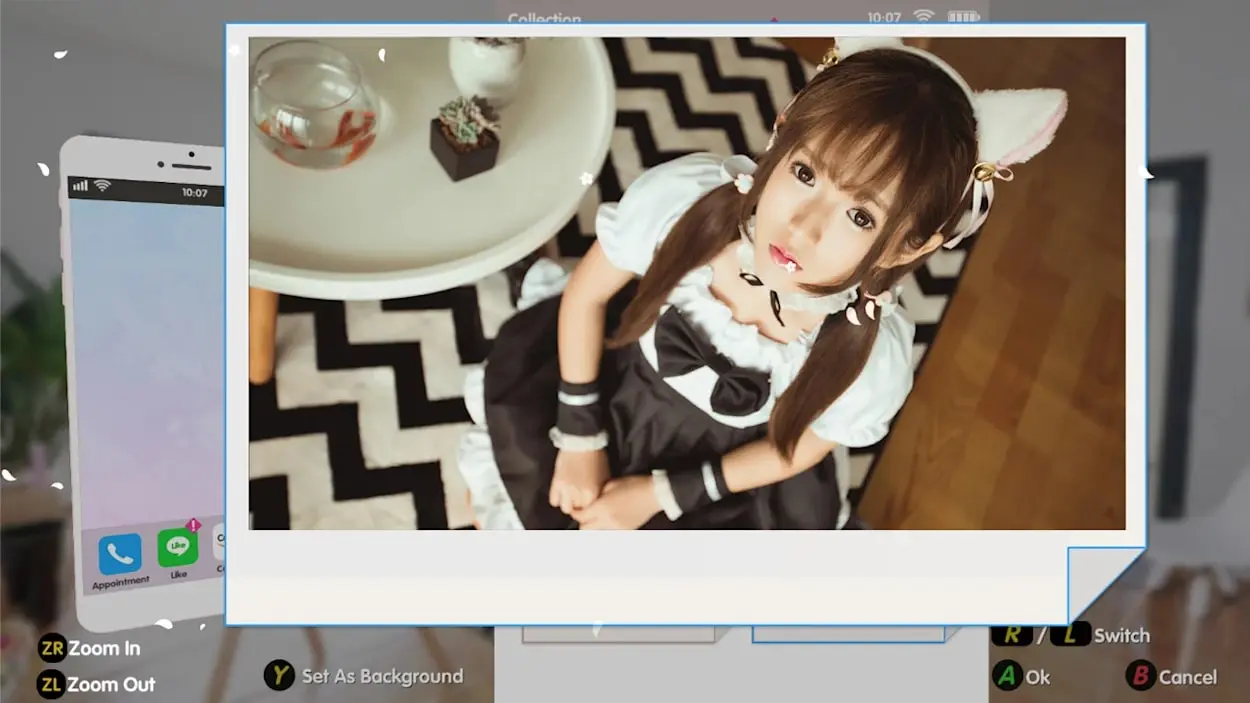
The game supports its romantic mood with character art and vibrant summer scenery. Those visual elements suit a narrative centered on warm weather, hometown streets, personal encounters, and the changing emotional tone of a summer break. The presentation is positioned to highlight both the characters and the places that frame their stories.
As a Nintendo Switch romance game, it also fits the portable nature of a dialogue-led role-playing and simulation experience. Short sessions can accommodate a few conversations, a town visit, or a bit of schedule planning, while longer play can follow a relationship arc through several connected events. The format is particularly appropriate for players drawn to character-focused stories that unfold through choices.
The exact title Summer Sweetheart Switch NSP XCI is associated with this blend of visual-novel-like decision making, town exploration, and dating simulation planning. Its atmosphere is defined by bright seasonal imagery, but its progression depends on the attention given to each relationship.
Release and Platform Details for Summer Sweetheart
Summer Sweetheart was released on October 17, 2019. Fengyun served as both publisher and developer. It is categorized in the Role-Playing and Simulation genres, reflecting its combination of choice-driven narrative progression, relationship building, exploration, and daily activity management.
The game is listed for Europe, the USA, Asia, and Japan. Available languages are English, Japanese, and Chinese. These regional and language options support the game’s focus on dialogue and character interaction, where understanding conversations is essential to following the story’s different paths.
For players looking for a contained summer story with branching dialogue, multiple endings, and a hometown full of possible encounters, Summer Sweetheart offers a romance-centered simulation shaped by the decisions made from one day to the next.
Recommended Similar Games
 Made in Abyss: Binary Star Falling into Darkness Switch NSP XCIView Game
 Sailing Era Switch NSPView Game
 TT Isle Of Man: Ride on the Edge Switch NSPView Game
 The Legend of Heroes: Sen no Kiseki II: Kai – The Erebonian Civil War Switch NSP XCIView Game
 Moonlight Peaks Switch NSPView Game
 Tribes of Midgard Switch NSPView Game