SUPER ROBOT WARS 30 Switch NSP XCI
Report Link Error
Select the broken download file, then submit the report.
Screenshots
About Game
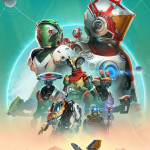
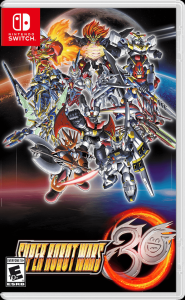
SUPER ROBOT WARS 30 Switch NSP XCI places a large-scale anime mecha crossover on Nintendo Switch, pairing tactical decision-making with elaborate robot battles. Released on October 28, 2021, it brings together heroes, machines, and settings from multiple series for a conflict built around converging worlds and a common threat.
SUPER ROBOT WARS 30 on Nintendo Switch: Release and Platform Details
Bandai Namco developed and published SUPER ROBOT WARS 30, a Nintendo Switch release classified across the RPG and simulation genres. Its October 28, 2021 launch positioned it as a portable-friendly entry in a series known for combining strategic maps with anime spectacle.
The listed regions are Asia and Japan, with language support for English, Japanese, Korean, Taiwan, and Chinese. The game’s tactical structure is designed around directing a force of pilots and mechs through scenario-based battles, while its crossover format gives those encounters a particularly broad range of characters and machines.
Rather than treating strategy and presentation as separate ideas, the game connects them closely. A carefully considered move on the map can lead directly into an animated attack sequence, allowing the player’s decisions to carry both tactical and visual weight.
A Mecha Crossover Story of Converging Realities
The SUPER ROBOT WARS 30 story unfolds through converging realities. Heroes from different anime worlds are drawn into the same escalating conflict as a mysterious invading force emerges. The premise makes room for unlikely alliances, as characters with separate histories and priorities must work together against a shared enemy.
Fate, choice, and the bonds formed between disparate allies shape the story’s emotional framework. Its crossover setup is not only about gathering recognizable machines in one place; it is also about creating opportunities for pilots and heroes from separate worlds to interact under pressure. Those connections help give the conflict a sense of scale beyond any single series.
The result is a narrative atmosphere that moves between looming danger and celebratory team-ups. Colossal threats demand cooperation, while the presence of multiple worlds keeps the stakes expansive. For players drawn to mecha stories that value both big confrontations and character encounters, the setup provides a natural reason for different groups to fight side by side.
Edge Sainklaus and Az Sainklaus: The Original Protagonists
At the center of the conflict are two original protagonist options: Edge Sainklaus and Az Sainklaus. Players step into the role of one of these characters as the invading force and the larger collision of realities begin to reshape their circumstances.
Edge and Az provide an original viewpoint within a crossover filled with established anime heroes. Their place in the story gives the player a route into the unfolding events while leaving room for the wider cast to become part of the same campaign. As the conflict grows, the protagonists remain connected to the alliances, choices, and confrontations that define the journey.
This structure also supports the game’s sense of discovery. The player is not simply observing a gathering of familiar names; they are moving through the crisis alongside an original lead character whose path intersects with the broader mecha crossover.
Anime Worlds and Heroes United in One Conflict
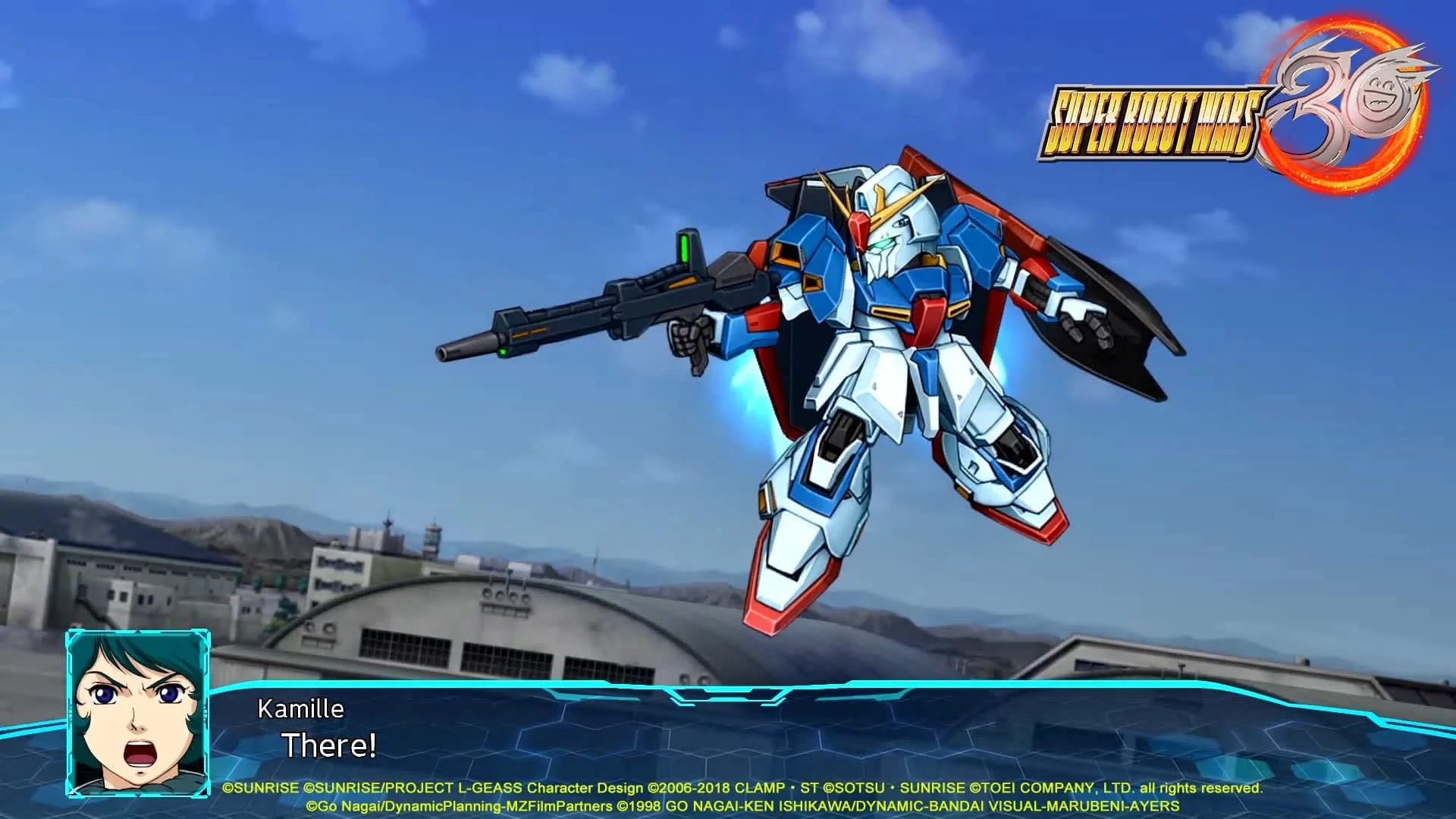
The appeal of the SUPER ROBOT WARS 30 crossover comes from seeing separate anime properties share the same battlefield. Examples include Mazinger Z: Infinity, Code Geass, and Gundam, all represented within a conflict that asks characters and machines from different worlds to cooperate.
That meeting of series gives the game its distinctive atmosphere. Iconic mechs do not appear in isolation: they can be positioned alongside allies from other franchises, and their pilots can take part in interactions created by the crossover premise. The shared enemy provides the practical reason for these meetings, while the contrast between worlds supplies much of the dramatic interest.
For longtime followers of anime mecha, this arrangement offers a chance to see familiar robots operate in unexpected company. Newcomers, meanwhile, can approach the game through its central crisis and learn the roles of its varied heroes as the campaign progresses.
Turn-Based Grid Combat and Tactical Planning
In battle, SUPER ROBOT WARS 30 uses a turn-based tactical RPG structure. Players command a squad of pilots and mechs on grid-based maps, where movement and targeting require more than simply choosing the strongest available attack. Terrain, attack range, positioning, and enemy placement all affect the shape of a turn.
The combat loop rewards planning before committing. A unit’s location can influence its ability to attack, defend, or support the wider formation, while enemy positions determine where pressure is greatest. Resource management also matters as players work through encounters and decide how to use their forces efficiently.
- Read the terrain: Map conditions are part of the tactical calculation when placing units.
- Measure attack range: Effective targeting depends on where a mech can reach from its current position.
- Protect the formation: Positioning affects both offensive opportunities and defensive security.
- Track enemy placement: Opposing units shape the safest routes and the most useful attack order.
- Develop the squad: Mechs can be upgraded with weapons, armor, and special abilities, while pilots can receive skills that improve their capabilities and unit synergy.
Customization adds progression between the fights. Players can upgrade unit statistics, equip parts, and develop pilot skills to shape a force around preferred approaches. Spirit Commands, special pilot abilities that can heal units, are also part of the tactical toolkit. These systems encourage consideration of how individual units function together rather than treating every mech as interchangeable.
Because the game combines squad building with map-by-map planning, its replay value is tied to experimentation. Different choices in unit development, equipment, skills, and battlefield use can change how a player approaches the same strategic challenges.
Why Attack Animations Matter to the Mecha Experience
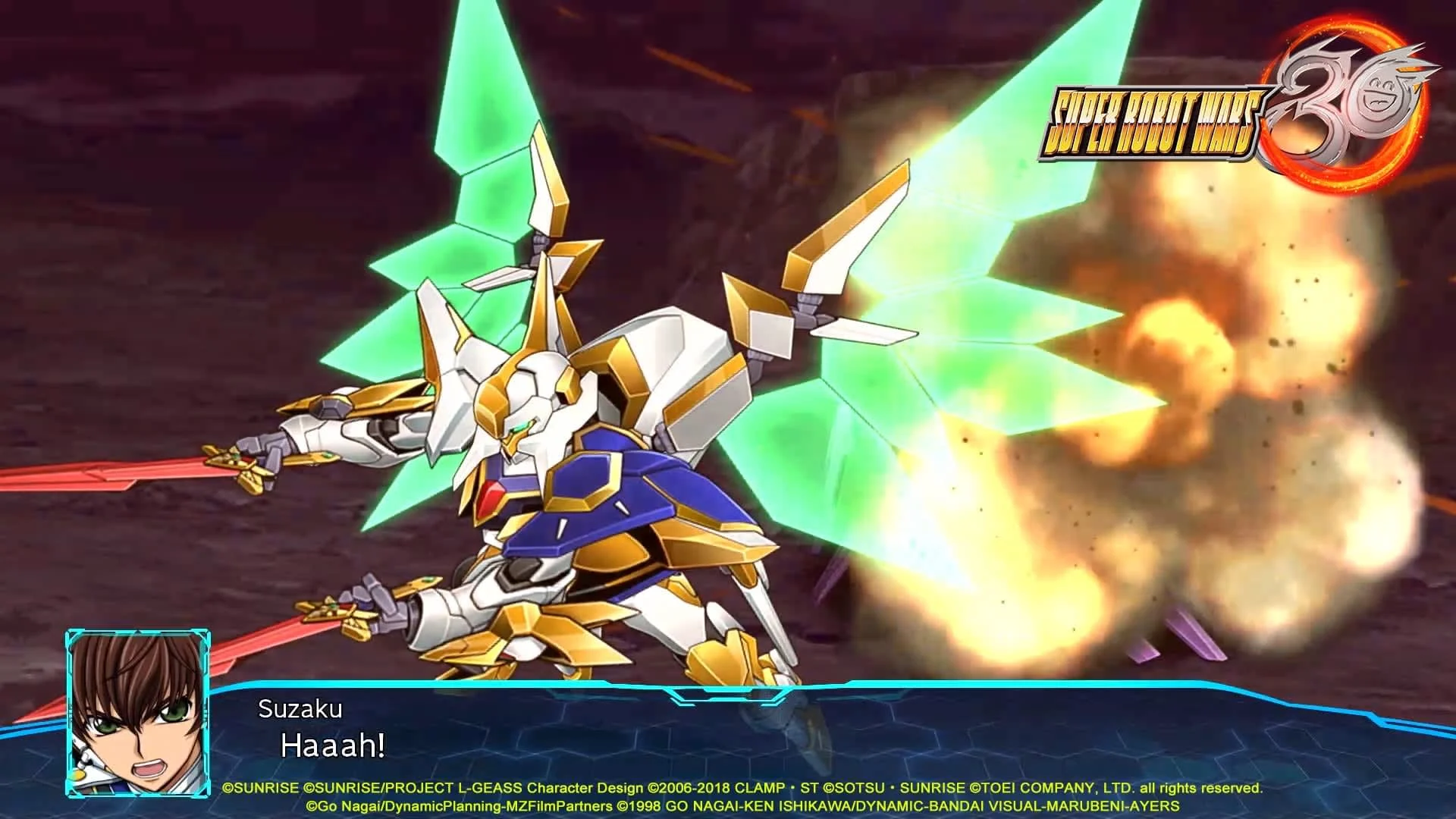
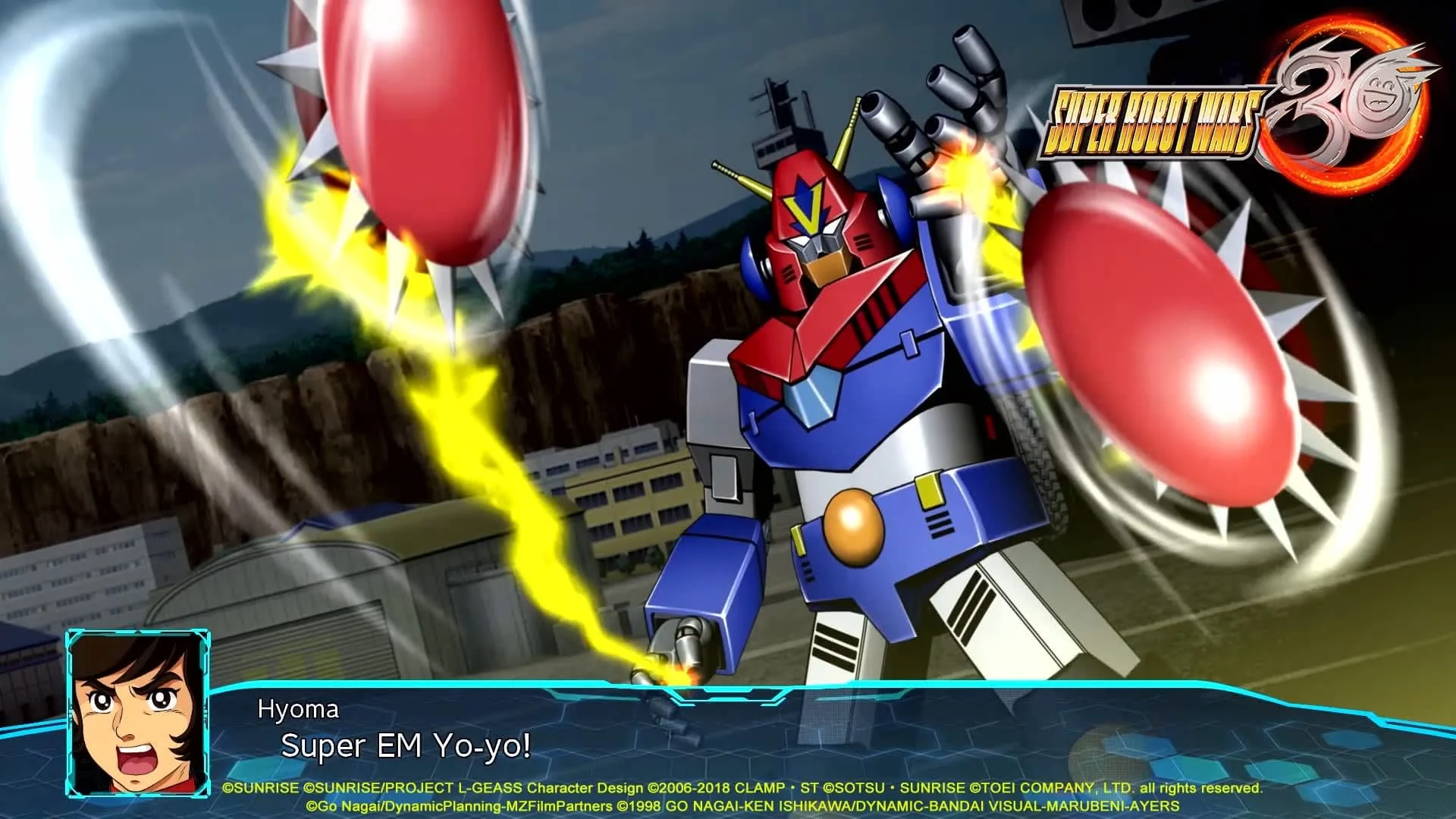
The spectacle of attack animations is an important part of SUPER ROBOT WARS 30 Switch NSP XCI. After the player makes a tactical choice on the grid, the game presents powerful attacks through dynamic anime-style combat sequences. This gives iconic mechs a vivid presence and turns a successful plan into a visual payoff.
Those scenes are especially suited to a crossover of this scale. Robots associated with different anime worlds can fight alongside one another, and their attacks help communicate the identity of each machine within the larger squad. The presentation supports the strategy rather than replacing it: planning determines the action, then the animation gives that decision force and personality.
SUPER ROBOT WARS 30 is therefore best suited to players who enjoy deliberate, turn-based mech strategy and who value animated combat as part of the reward for careful play. Its blend of tactical maps, squad progression, original protagonists, and cross-series alliances makes it a focused celebration of giant robots facing a shared crisis.