Summer Games Challenge Switch NSP
Report Link Error
Select the broken download file, then submit the report.
Screenshots
About Game
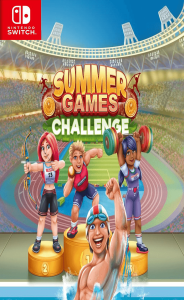
Summer Games Challenge Switch NSP arrives as a compact sports-focused experience built around the pressure of competition, personal improvement, and the pursuit of medals. Published by TREVA, it released in the USA on May 09, 2024, bringing Sports and Simulation elements to Nintendo Switch in English, Spanish, French, German, Italian, and Russian.
Summer Games Challenge on Nintendo Switch: Release and Game Details
Summer Games Challenge is positioned around familiar summer athletics, giving players a series of events in which performance is measured in small but important gains. Its May 2024 release places it among Nintendo Switch sports releases designed for quick sessions as well as longer attempts at mastering a championship run.
TREVA’s sports game combines competitive event play with simulation-minded mechanics. That balance matters because success is not presented as automatic: individual disciplines call for attention to timing, reactions, and the particular demands of each challenge. The game supports a broad language selection, with text or presentation available in English, Spanish, French, German, Italian, and Russian.
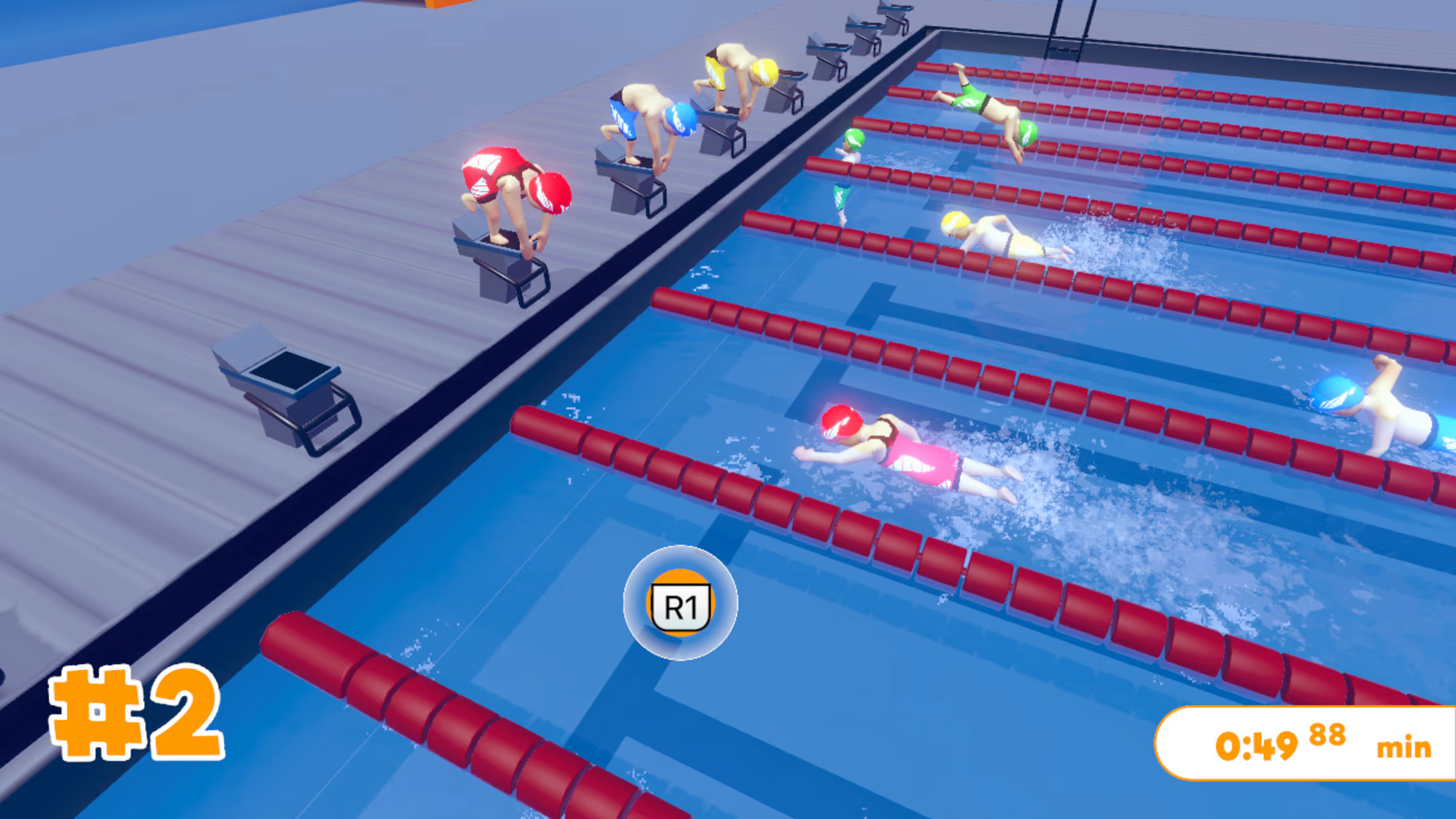
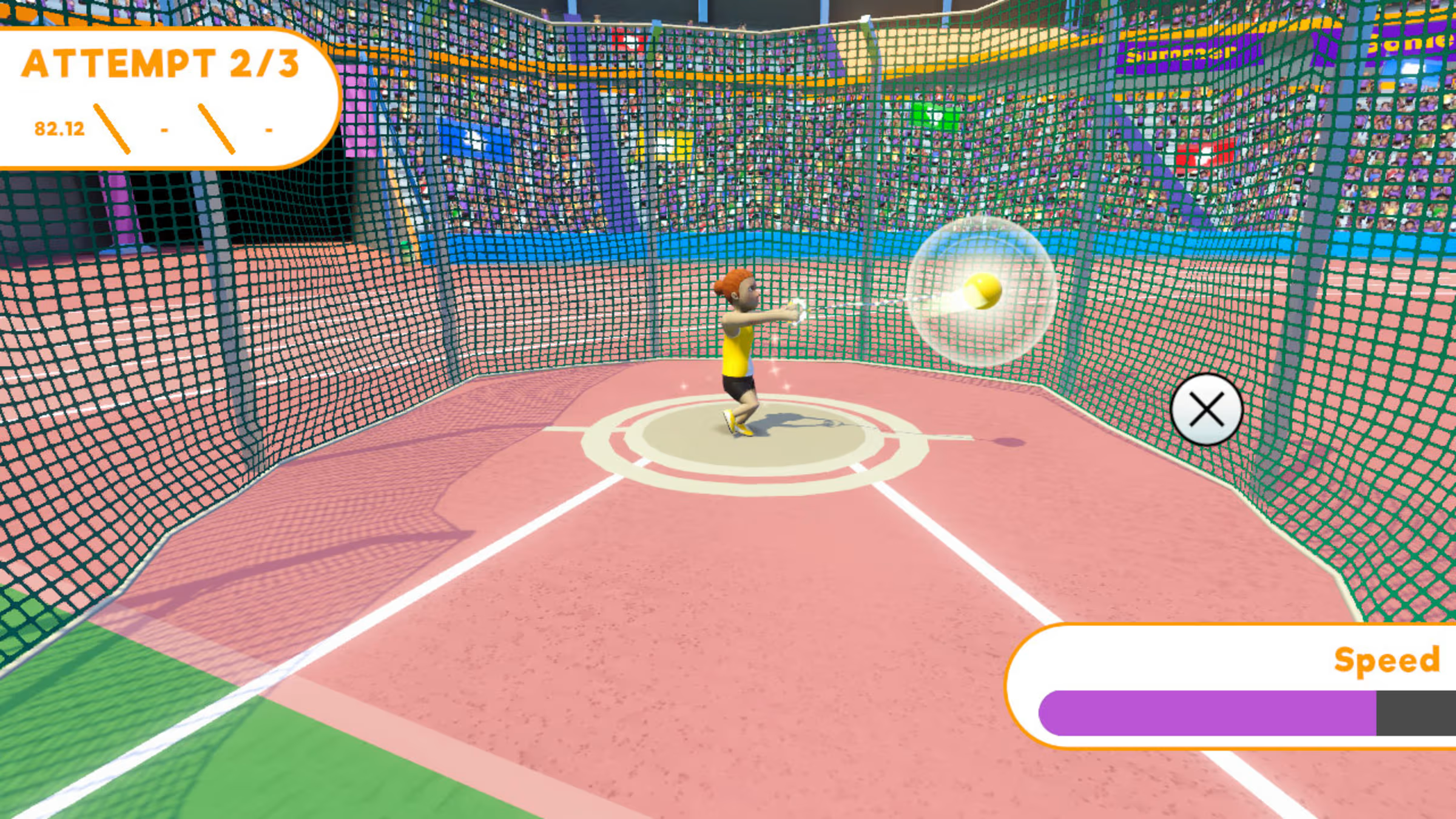
The focus is athletic variety rather than a single sport. Sprinting, swimming, hurdles, and javelin throw are among the events named for the game, creating a format in which players move between different types of physical tests. A strong result in one discipline does not necessarily carry over to the next, which gives the competition a useful sense of change.
An Athlete’s Journey Built Around Competition
There is no traditional cinematic plot guiding the action. Instead, Summer Games Challenge Switch NSP frames its progression through an athlete’s developing record. Medals, improved scores, and broken records supply the momentum that a story campaign might otherwise provide.
This approach suits a game about repeated attempts. The objective is to become a summer sports champion, but the path is measured event by event. A narrow miss can become a reason to replay a discipline; a better rhythm in a sprint or more controlled execution in another event can shift a result. The player’s journey is therefore based on persistence and the gradual satisfaction of cleaner performances.
For players who enjoy self-directed goals, that structure gives each result a place in a larger career. The emphasis is not on scripted drama but on the simple competitive appeal of seeing a previous best fall. It is a sporting narrative told through results.
How the Controls and Core Challenges Work
The controls are described as intuitive and responsive, allowing players to begin competing without a long learning period. Accessibility, however, does not remove the demand for precision. Many events depend on accurate button inputs, and strong results come from understanding when to act rather than merely acting quickly.
Timing and reflexes are central to the challenge. Each sport has its own nuances, so players are encouraged to learn the mechanics specific to a discipline and adjust their approach when a result is not improving. In events built around pace, technique, or endurance, small decisions can affect the final score or position.
- Learn the rhythm. Precise button presses are important across many events, making practice useful for improving consistency.
- Read each event. In-game tutorials provide guidance on mechanics that differ from one athletic challenge to another.
- Adjust the approach. Experimenting with strategies can lead to stronger scores when an initial method is not working.
- Manage effort. Endurance-based events ask players to consider when to push harder and when to hold back.
- Value every point. Consistent performances across events support better championship results.
The resulting gameplay loop is clear: enter an event, understand its demands, attempt a better performance, and carry that improvement into the next challenge. That makes the game suitable for players who prefer direct, skill-based sports action over more elaborate systems.
Career Progression and Unlockable Challenges
Career-oriented progression gives the collection a longer-term purpose beyond isolated matches. Players advance through challenges while working toward the status of a legendary athlete. New challenges can be unlocked through that progress, providing a reason to continue after learning the basics of the first available events.
The career structure also gives the game’s broad event selection a sense of direction. Instead of treating every discipline as entirely separate, it asks players to build an all-round sporting record. Championship play reinforces that idea by placing value on performance across multiple competitions, where consistency matters as much as a standout result in one event.
Replay value comes naturally from this design. The pursuit of higher scores, stronger placements, records, and medals invites repeated runs, while different events require different skills. Players can return to improve a weakness, refine a familiar discipline, or pursue a more complete championship performance.
Local Multiplayer for Friendly Rivalries
Local multiplayer adds a more social use for the event format. Friends and family can compete on one console, turning the same timing tests and athletic challenges into direct rivalries. The immediate nature of individual sports events makes them well suited to short competitive sessions, where players can compare results without needing to commit to a lengthy campaign.
This mode should appeal to groups looking for a family competition game with understandable objectives. A race, throw, swim, or hurdle event communicates its stakes quickly: react well, execute the mechanics, and post the better result. The variety of disciplines can also help keep sessions moving, since players are not confined to repeating one type of contest.
There is a useful contrast between career play and local competition. Career progression centers on the player’s long-term improvement, while multiplayer puts the same skills under the pressure of a nearby opponent. Both modes support the game’s emphasis on performance rather than spectacle alone.
Custom Athletes and Stadium Presentation
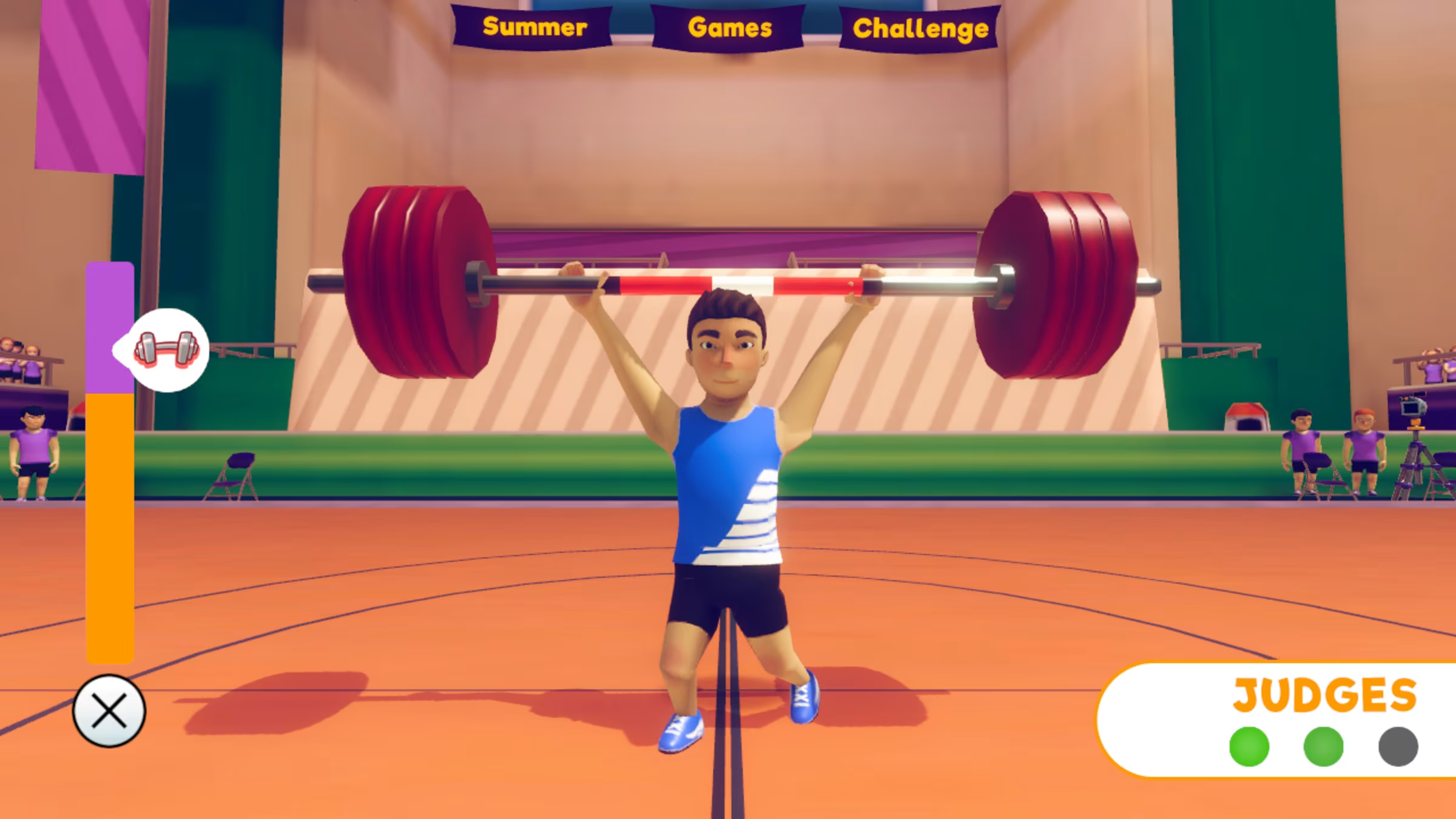
Players can personalize their athletes through different outfits and appearances, adding a small element of ownership to the competitive journey. Customization does not replace the importance of performance, but it gives competitors a chance to create an athlete that feels distinct while pursuing medals and records.
The sporting atmosphere is supported by vibrant stadiums and arenas. These environments provide a fitting backdrop for the game’s events, helping each competition feel like part of a larger summer games setting. The presentation works alongside the athletic variety: track-based contests, swimming, hurdles, and throwing events all benefit from being staged in dedicated sporting spaces.
Summer Games Challenge is best suited to players who enjoy accessible athletic challenges with room for practice and improvement, as well as households interested in local competitive play. Its appeal lies in the steady cycle of learning an event, sharpening timing, and trying again for a better result.