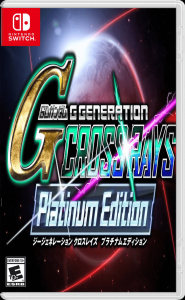
SD Gundam G Generation Cross Rays Platinum Edition Switch NSP XCI
Report Link Error
Select the broken download file, then submit the report.


Screenshots
About Game
SD Gundam G Generation Cross Rays Platinum Edition Switch NSP XCI brings a broad Gundam strategy experience to Nintendo Switch, placing mobile suits, pilots, warships, and major conflicts from several celebrated series into one tactical framework. Released on March 25, 2021, this Bandai Namco title is built around deliberate planning: assembling forces, reading battlefields, completing changing objectives, and steadily improving a roster across lengthy campaigns.
Platinum Edition Overview: A Strategy Gundam Collection on Switch
Developed and published by Bandai Namco, SD Gundam G Generation Cross Rays Platinum Edition is a strategy game centered on the SD-styled side of the Gundam universe. Its appeal comes from the scale of the collection rather than a single self-contained conflict. Players command teams made up of mobile suits, mobile armors, pilots, operators, and warships, then take those forces through missions inspired by four separate Gundam continuities.
The structure supports both the immediate pleasure of a carefully planned battle and the longer-term satisfaction of roster building. A successful mission can bring new recruits, additional units, and further opportunities to refine a team. That progression gives the campaign a steady sense of momentum, while the game’s customization systems invite attention between missions as much as during them.
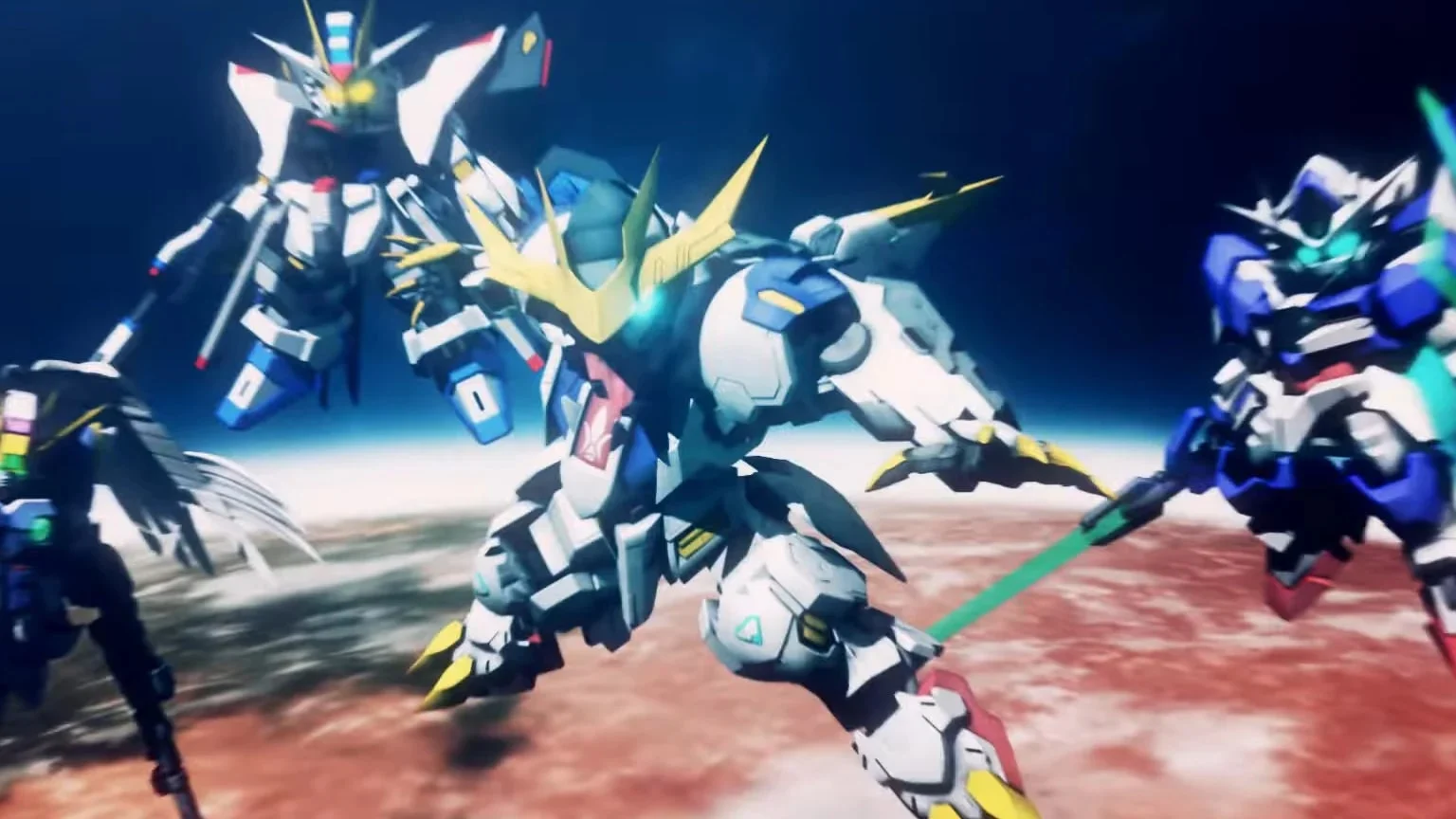
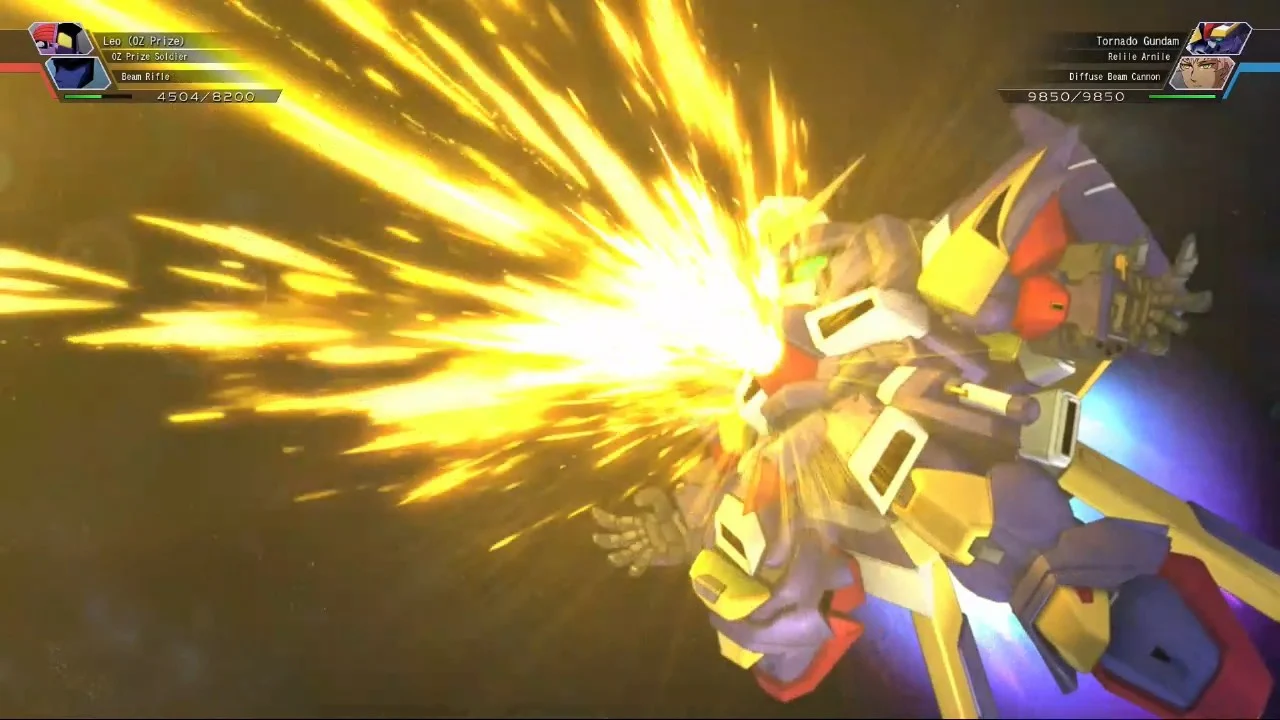
Combat presentation is also part of the experience. Attacks receive dynamic animations, lending familiar machines and powerful abilities a sense of occasion without changing the game’s measured, turn-based pace. The result is suited to players who enjoy Gundam’s expansive cast and hardware alongside the slower, more analytical rhythm of a tactical campaign.
Four Gundam Timelines at the Center of the Campaign
The campaign does not rely on one wholly original storyline. Instead, it draws narrative material from Mobile Suit Gundam Wing, Mobile Suit Gundam SEED, Mobile Suit Gundam 00, and Mobile Suit Gundam Iron-Blooded Orphans. These four timelines provide the foundation for its missions, conflicts, characters, and recruitable forces.
That approach gives the game a cross-series scope while allowing each featured setting to retain its own dramatic context. Players revisit pivotal events and battles associated with the four series, encountering their notable characters and mobile suits as the campaign progresses. The contrast between timelines is a meaningful part of the atmosphere: political tension, personal rivalries, military operations, and large-scale clashes all feed into the mission structure.
For newcomers, the format offers a guided way to encounter several Gundam worlds in one place. For players already familiar with those stories, the attraction is in seeing recognizable events reframed through a strategy game that emphasizes command decisions, recruitment, and development.
How Grid-Based Turn-Based Battles Work
Battles unfold as turn-based strategy encounters on grid-based maps. Before and during a mission, tactical deployment matters. Mobile suits and warships must be placed with care, then moved according to the positions of allied units, enemy formations, terrain, and the current mission objectives.
Winning is not simply a matter of sending the strongest unit forward. Positioning influences how effectively forces can support one another, while pilot skills and unit capabilities affect which matchups are worth pursuing. The game asks players to consider range, movement, target priority, and the order in which enemies should be engaged. As opposing forces become more demanding, a scattered team can quickly lose the advantage.
Warships serve an important strategic purpose, providing support and carrying units as part of a wider formation. Their presence encourages a more organized approach to the battlefield, particularly when a mission requires forces to cover multiple areas or respond to threats in succession. Chain Tension and Awakening systems further add to the range of combat options available during confrontations.
Resource management extends beyond any one fight. Unit development, upgrades, and pilot training shape what a team can do in later missions. A mobile suit that fits one stage well may need support or improvement before facing a tougher objective, making progression an ongoing tactical consideration rather than a separate menu exercise.
Story Branches, Character Interactions, and Alternate Outcomes
The recreated events from the featured timelines are joined by original character interactions and branching story elements. This gives the campaign room to move beyond straightforward retellings, with story branches and alternate outcomes adding another layer to missions based on familiar material.
Optional challenges are particularly useful in this structure. They provide reasons to look beyond the most direct route through a scenario, while hidden units and secret abilities reward careful exploration of the game’s systems. These elements strengthen replay value without requiring the campaign to abandon its four-series foundation.
The alternate scenarios also complement the roster-building side of the game. Recruiting pilots and acquiring machines changes the possibilities available to a player’s team, so revisiting missions or pursuing different challenges can serve both narrative curiosity and practical development. SD Gundam G Generation Cross Rays Platinum Edition Switch NSP XCI is therefore less about a single fixed path than a continuing process of expanding and refining a personal force.
Ordered List: 7 Tactical Priorities for Early Missions
- Plan deployment. Place units and warships with the mission map and likely enemy approach routes in mind before committing to an advance.
- Watch positioning. Keep allies in useful supporting distances instead of allowing fast units to become isolated targets.
- Match strengths. Pair pilots with units that suit their abilities, and consider which mobile suits are best equipped for a given enemy or objective.
- Use warship support. Treat warships as part of the formation, using their support role and carrying capacity to keep the team organized.
- Develop units. Use the progression systems to upgrade and develop machines, preparing the roster for more demanding encounters.
- Train pilots. Pilot improvement matters alongside unit growth, especially as increasingly capable enemy forces appear.
- Read objectives. Check each mission’s requirements and optional challenges so that movement and target selection serve more than simple elimination.
Switch Release Details and Language Availability
Title ID: 010055700CEA8800
Release date: March 25, 2021
Genre: Strategy
Publisher / Developer: Bandai Namco
Regions: Asia, Japan
Languages: English, Japanese, Chinese, Taiwan, Korean
Firmware: Base – v9.2.0 | Update – v11.0.1
File size: 17GB
With its mix of grid-based battles, warship-led formations, unit development, pilot training, and stories drawn from four Gundam timelines, this release is aimed at players prepared to spend time with tactical planning. Its strongest qualities are found in the connection between mission decisions and long-term customization: each battle can contribute to a stronger, more flexible Gundam force for the next one.