Yu-Gi-Oh! EARLY DAYS COLLECTION Switch NSP XCI

Report Link Error
Select the broken download file, then submit the report.
Screenshots
About Game
Yu-Gi-Oh! EARLY DAYS COLLECTION Switch NSP XCI brings an assortment of early Yu-Gi-Oh! video game experiences to Nintendo Switch, inviting players back to an era when deck construction, familiar monsters, and carefully timed card plays shaped every duel. It is a compilation built for returning duelists who remember these formative games, while also giving first-time players a route into the older competitive style.
What Yu-Gi-Oh! EARLY DAYS COLLECTION Brings to Nintendo Switch
Yu-Gi-Oh! EARLY DAYS COLLECTION presents classic Yu-Gi-Oh! games in one Switch package, with its appeal rooted in the changing rules, available cards, and competitive pressures of the franchise’s earlier video game history. Rather than asking players to approach every duel through the expectations of contemporary Yu-Gi-Oh!, the collection encourages them to engage with the systems as they appeared in their original eras.
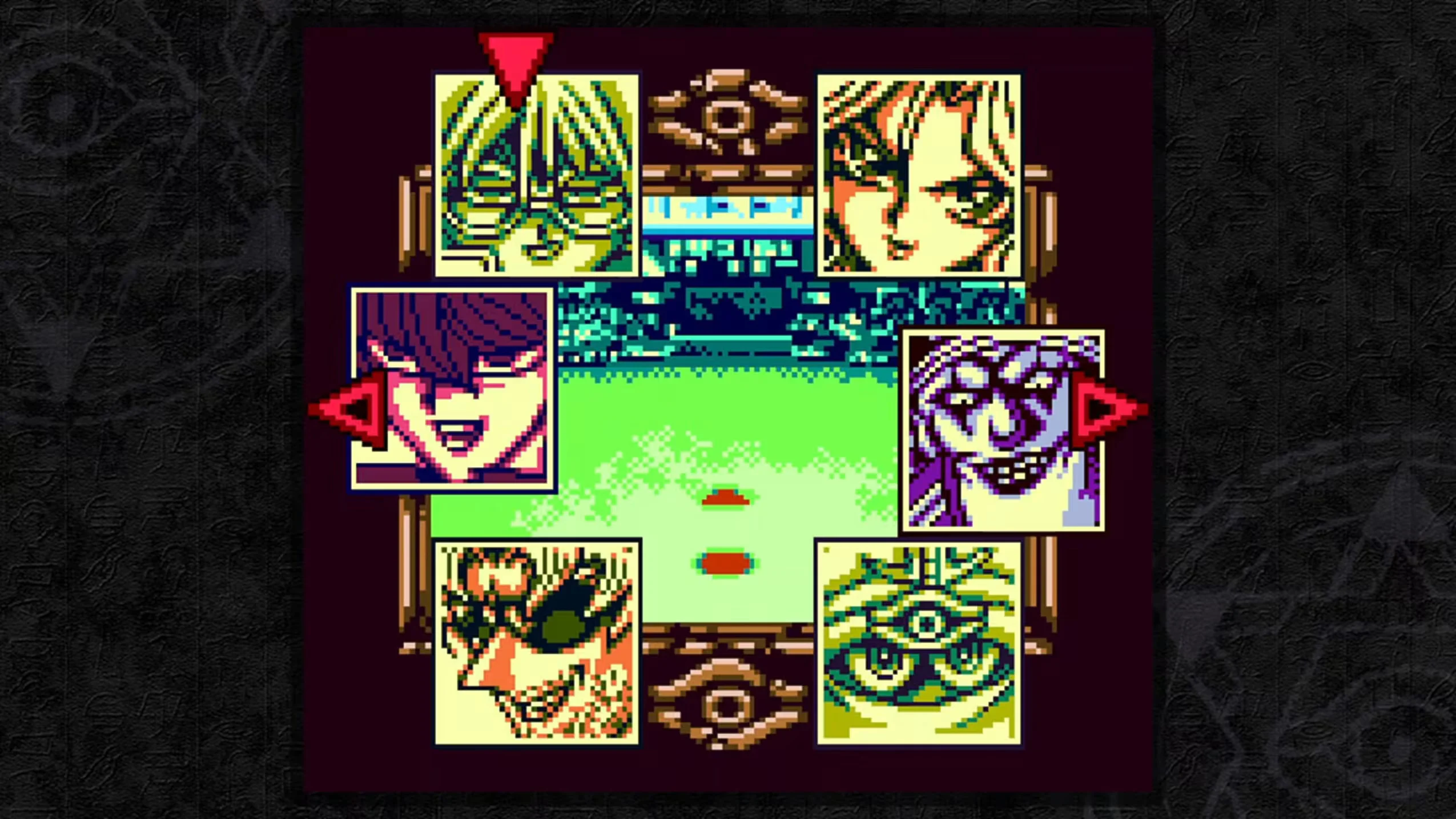
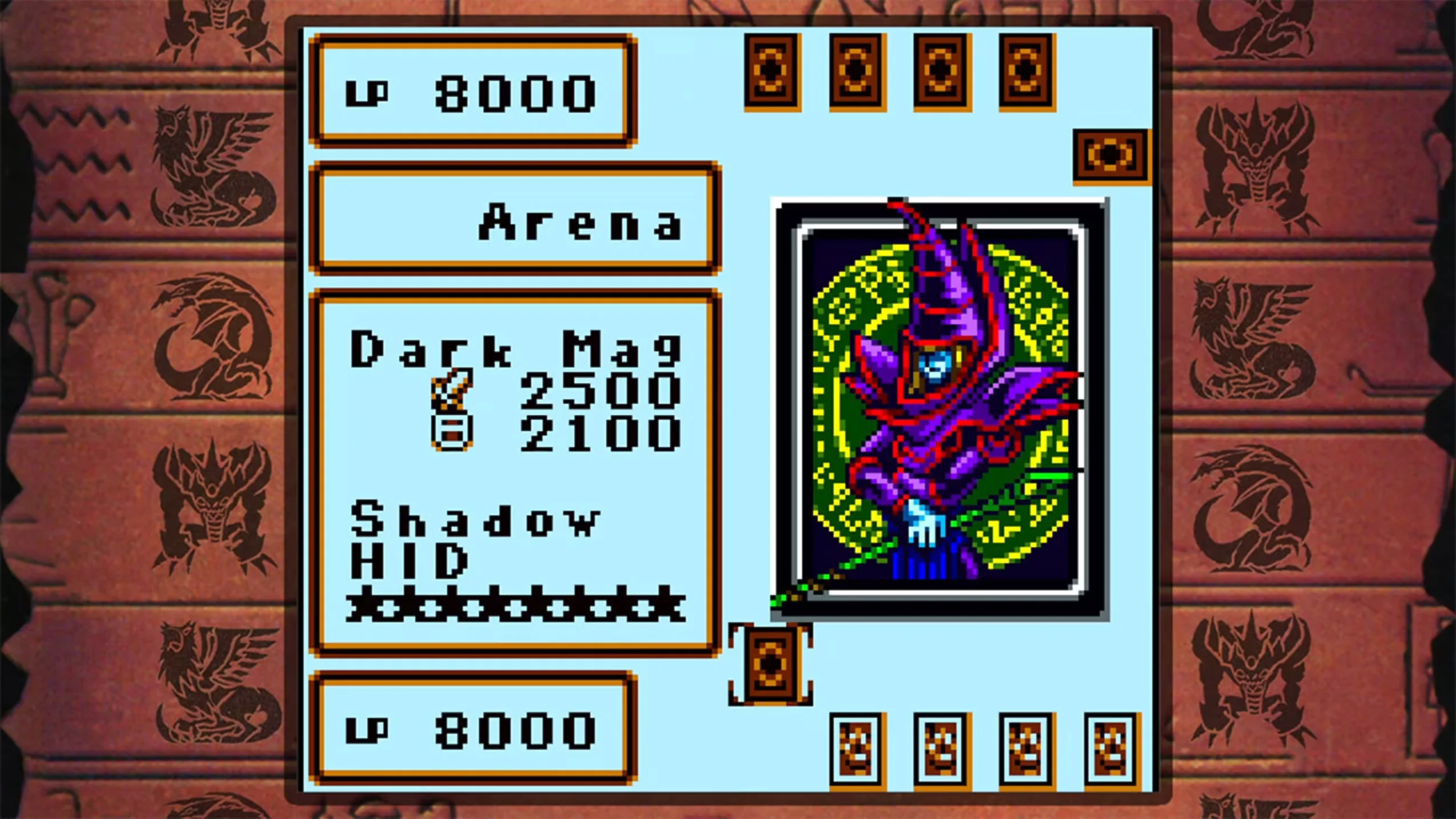
The atmosphere is shaped by recognizable duelists, tournament-style challenges, booster packs, and the steady satisfaction of adding stronger cards to a developing deck. Players face opponents, progress through individual game structures, and work toward more capable strategies through repeated play. Familiar characters and early anime- and manga-inspired settings help give the collection a nostalgic tone without reducing the experience to simple reminiscence.
For newcomers, these games can offer a clearer view of how the card game’s strategic identity developed over time. For experienced players, the draw is partly the chance to revisit older card interactions and constraints. The Switch format brings those separate experiences together, but the identity of each game remains important.
A Collection Built Around Early-Era Dueling
This is not framed around one continuous storyline. Instead, the collection centers on the competitive spirit of early Yu-Gi-Oh!: building a deck, meeting a series of duelists, entering challenges or tournaments, and improving through new card access. Each included game has its own opponents, progression structure, and strategic rhythm.
That distinction matters because early Yu-Gi-Oh! is not one fixed rules environment. Classic rulesets and card pools change from game to game, affecting what counts as a reliable play, which cards are worth pursuing, and how quickly a deck can establish control. A card that feels essential in one title may be unavailable, harder to obtain, or less useful in another.
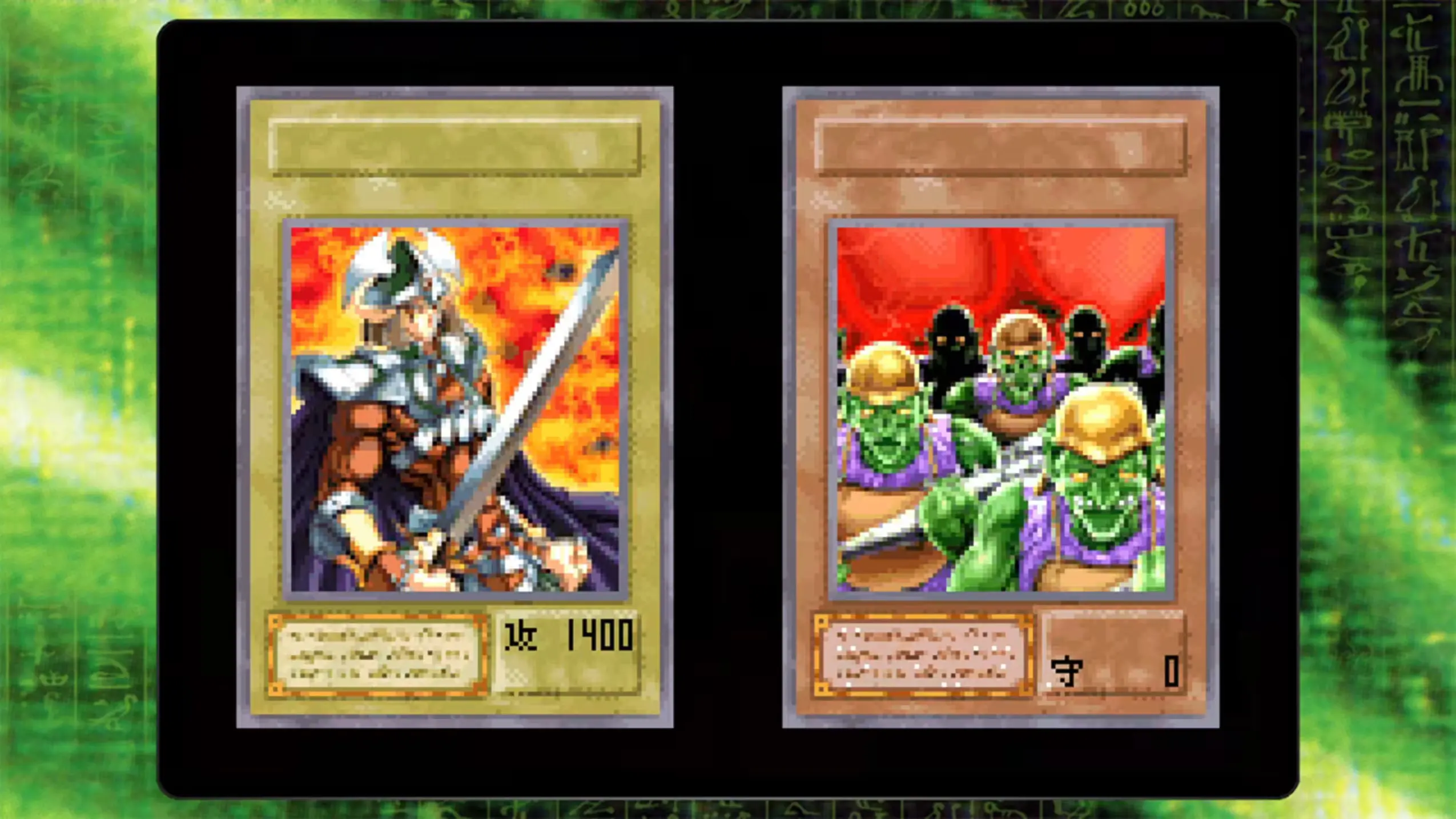
The collection’s broader value comes from this historical variety. It captures a period when dueling could be defined by direct monster confrontations, selective use of Spell and Trap Cards, and the gradual discovery of powerful combinations. The goal is not merely to win one duel, but to understand the particular conditions under which each game asks players to compete.
Fusion and Ritual Summons in Their Early Context
Fusion Summons and Ritual Summons are part of the Yu-Gi-Oh! mechanics represented by these earlier game experiences. Their presence gives players a chance to consider these summoning methods within the card pools and rules environments of the time, rather than treating them as isolated techniques.
A Fusion Summon can reward preparation: players need the appropriate materials and supporting cards, then must decide whether the payoff justifies the deck space and setup involved. In an early-game context, that calculation can feel especially significant because access to cards and available options may be more limited.
A Ritual Summon similarly asks for planning around required cards and tribute choices. The strongest route is not always the most elaborate one. A dependable monster, a well-placed defensive card, or a simple attack sequence can sometimes be more valuable than holding out for a difficult summon. These choices give the duels their tactical texture, making every hand and every turn a small test of priorities.
Why Each Included Game Calls for a Different Strategy
Players should resist the urge to carry one deck-building assumption across the entire collection. The early card effects, available booster packs, opponents, and game-specific card pools can all change the value of a strategy. A high-attack monster may be a central threat in one game, while a more balanced approach becomes safer in another.
This makes experimentation part of the experience. Decks can be adjusted for offense, defense, card advantage, or particular summoning plans, but the best choice depends on the title and the challenge at hand. A player who learns the details of one game’s environment will be better prepared to identify useful cards, recognize weaknesses, and refine a deck instead of relying on a familiar template.
Progression supports that process. Unlocking booster packs and rare cards creates reasons to revisit deck choices, while repeated duels provide opportunities to test new combinations. The replay value is therefore tied to strategy as much as completion: revisiting a difficult opponent with a changed deck can reveal a completely different path forward.
5 Practical Tips for Winning Early Yu-Gi-Oh! Duels
- Build for balance. Include dependable monsters alongside cards that support defense, offense, and card advantage. A deck made entirely of powerful attackers may struggle when a duel calls for patience or recovery.
- Study the card pool. Learn which cards are available in each game before committing to a plan. Older card effects and acquisition paths can make seemingly modest cards much more valuable.
- Test different approaches. Try varied deck directions instead of forcing one preferred style. Fusion- or Ritual-focused ideas can be rewarding, but straightforward monster pressure may suit a particular challenge better.
- Replay difficult duels. Returning to the same challenge helps clarify where a deck is failing. Small changes to monster choices, defensive options, or supporting cards can alter the result.
- Watch opponent patterns. Repeated encounters can reveal how certain rivals tend to play. Recognizing those habits makes it easier to anticipate threats and save the right response for the right turn.
Release Details and Switch Version Information
Yu-Gi-Oh! EARLY DAYS COLLECTION Switch NSP XCI is listed for a USA release on February 27, 2025. Konami is the publisher, and the collection is categorized in the RPG and Strategy genres. Supported languages are English, Japanese, French, German, Italian, and Spanish.
The Nintendo Switch Title ID is 01000D001FF18000. The listed firmware requirement is 19.0.0, and the listed file size is 4.93 GB. These details accompany a collection aimed at players interested in early dueling rules, historical card pools, deck experimentation, and the distinct competitive character of classic Yu-Gi-Oh! games.