MARVEL ULTIMATE ALLIANCE 3: The Black Order Switch NSP XCI
Report Link Error
Select the broken download file, then submit the report.


Screenshots
About Game
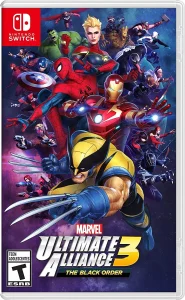
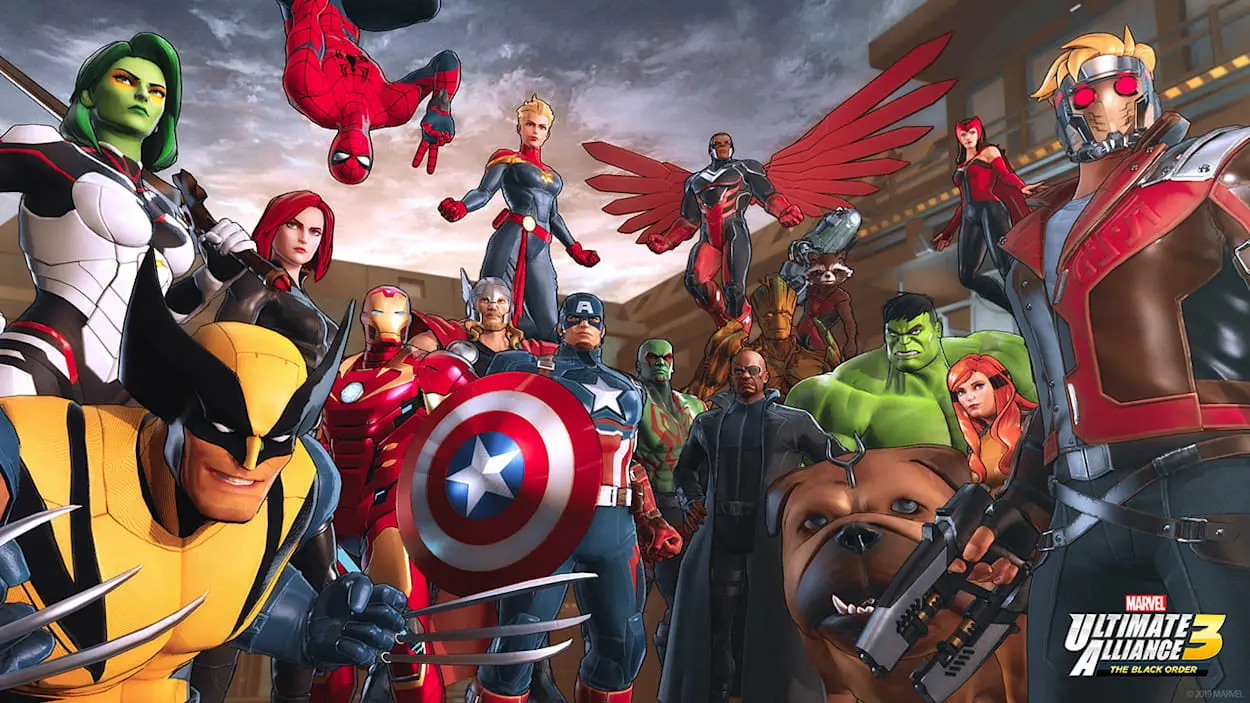
MARVEL ULTIMATE ALLIANCE 3: The Black Order Switch NSP XCI brings a large cross-section of Marvel characters into a fast-moving role-playing game built around cooperation, escalating threats, and colourful super-powered combat. Developed by Team Ninja and published by Nintendo, it asks players to assemble a squad from across the Marvel Universe and take the fight to Thanos and his forces.
A Marvel Crossover Built Around the Infinity Stones
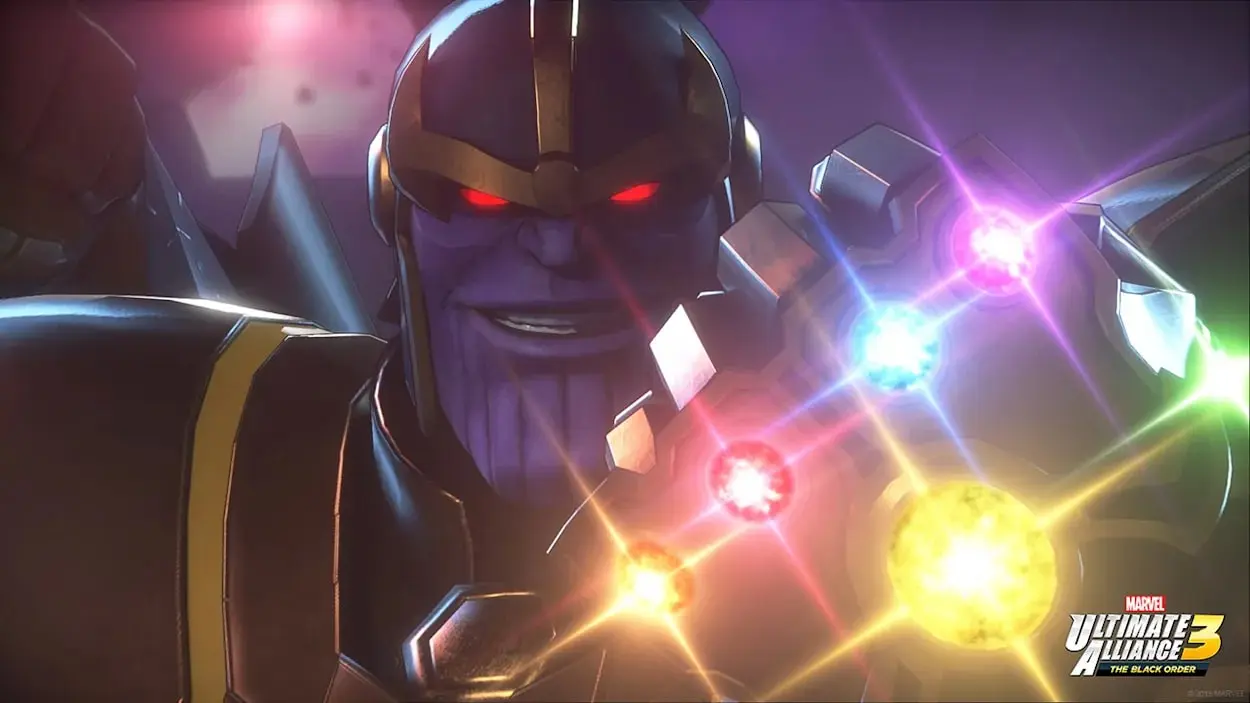
The story begins when the Guardians of the Galaxy encounter the Infinity Stones, objects powerful enough to draw the attention of Thanos and the Black Order. Their pursuit turns a discovery into a universe-spanning emergency. No isolated group of heroes can reasonably handle the scale of the threat, so familiar faces from different corners of Marvel’s world are drawn into a shared alliance.
That premise gives the game room to move between varied Marvel settings, including Wakanda, the Negative Zone, the Dark Dimension, and the X-Mansion. The shifting locations help sell the scope of the conflict: this is not a crisis limited to one city or one team. Marvel heroes with very different backgrounds, powers, and personalities are placed on the same side because the Infinity Stones raise the stakes beyond any single group’s usual mission.
Thanos remains the central danger, while the Black Order provides a continuing source of pressure and major encounters along the way. The narrative is framed through multiple character perspectives, allowing the crossover structure to emphasize the unusual pairings that make a Marvel alliance appealing. Heroes and villains with established identities are brought together in a campaign shaped by cosmic danger, iconic adversaries, and a clear race to stop a devastating outcome.
How Four-Hero Teams Shape the Action RPG Combat
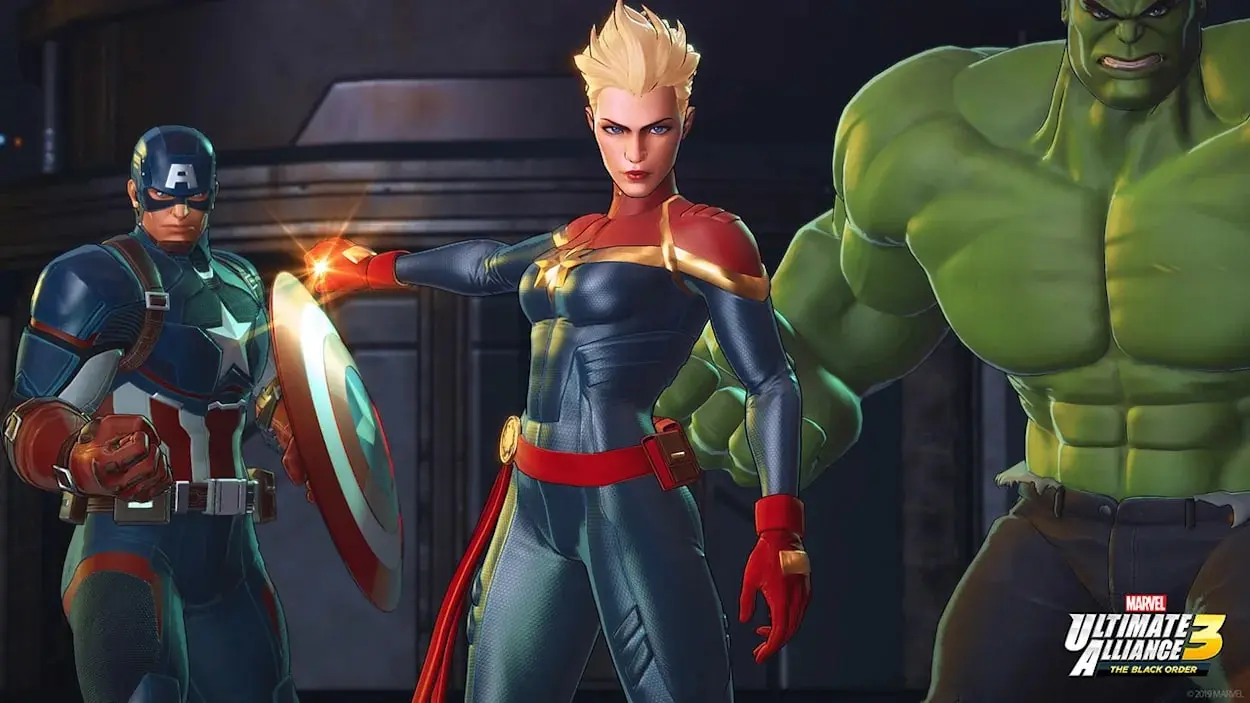
The action is organized around a four-hero team. Players choose a group of Marvel characters, then battle through enemies in real time while managing movement, attacks, abilities, and positioning. Rather than treating the roster as a simple collection of costumes or interchangeable fighters, the game gives each hero signature moves that influence how a team operates.
Hero swapping is an important part of that structure. A team may need a different approach as an encounter changes, and switching characters during combat allows players to bring another hero’s strengths forward. Some characters are better suited to direct pressure, while others can help create opportunities with their own distinctive attacks. The result is an action RPG that pairs quick reactions with choices about who should lead the fight.
Team composition matters because a group’s individual abilities can complement one another. A balanced selection can make it easier to respond to crowds, tougher opponents, and boss encounters, while experimentation can reveal combinations that suit a particular play style. The game also supports up to four players locally or online, making the four-character format a natural fit for cooperative play as well as solo control.
Heroic Abilities, Synergy Attacks, and Alliance Extreme Attacks
The combat system has more to offer than basic attacks. Each character has unique Heroic Abilities, giving the Marvel roster a practical identity during battles. These abilities help distinguish one hero from another and encourage players to consider how their chosen squad works together rather than relying on a single character throughout every situation.
Synergy attacks add another layer to combat strategy. By coordinating attacks between heroes, players can create more forceful responses to dangerous groups and demanding encounters. This makes teamwork meaningful even when one person is controlling the whole squad, since the value of a team comes from how its members interact as much as from their individual power.
For larger moments, Alliance Extreme Attacks provide a more dramatic option. These coordinated moves suit the game’s high-energy presentation, where flashes of powers, enemy hordes, and familiar Marvel abilities can fill the screen at once. They also reinforce the central fantasy of the game: a broad alliance is strongest when its heroes act together. In MARVEL ULTIMATE ALLIANCE 3: The Black Order Switch NSP XCI, the most effective answer to a large-scale threat is often a well-timed group response.
5 Practical Combat Priorities for New Teams
- Test team pairings. Build different four-hero teams and pay attention to how their abilities work together. Experimentation is useful because each character brings distinct strengths and weaknesses.
- Switch with purpose. Change heroes during real-time combat when another character is better suited to the immediate threat or can help set up a stronger coordinated attack.
- Block and dodge. Defensive movement is especially important when enemies become more aggressive. Avoiding damage can be as valuable as pushing for another attack.
- Upgrade ISO-8. Collect ISO-8 and use it to improve the team’s abilities and defenses. Progression is not only about leveling heroes and unlocking skills; customization also helps shape a stronger squad.
- Prepare for bosses. Tougher boss battles demand more awareness of team synergy, defensive options, and available high-impact attacks than ordinary encounters.
Why Team Ninja’s Combat Focus Fits the Marvel Roster
Team Ninja’s role-playing game approach places fast-paced combat at the centre of the experience. That focus suits a Marvel roster whose appeal lies partly in the contrast between characters: heroes can differ sharply in their abilities, yet still contribute to the same battle. The game turns that variety into its core rhythm, moving from enemy-filled encounters to major villain confrontations while inviting players to adjust their squad.
The presentation supports this direction with vivid special effects and a constant sense of motion. Combat is designed to feel busy and energetic, particularly when several heroes are using abilities together. Diverse environments and recognizable enemies provide the backdrop, but the main attraction remains the chance to see different Marvel characters share the field and combine their powers.
Progression gives the action a longer-term structure. Heroes can level up, unlock skills, and have their stats customized, while ISO-8 offers further ways to improve abilities and defenses. Hidden secrets and challenges add reasons to revisit areas and try different teams. This makes the game suitable for players who enjoy building a preferred roster as well as for groups looking for cooperative, real-time superhero action.
Release and Nintendo Switch Game Details
Recommended Similar Games
 Persona 5 Strikers Switch NSP XCIView Game
 World of Final Fantasy Maxima Switch NSPView Game
 Atelier Rorona ~The Alchemist of Arland~ DX Switch NSPView Game
 Chocobo’s Mystery Dungeon Every Buddy! Switch NSPView Game
 Disgaea 6: Defiance of Destiny Switch NSP XCIView Game
 Tokyo Mirage Sessions #FE Encore Switch NSP XCIView Game