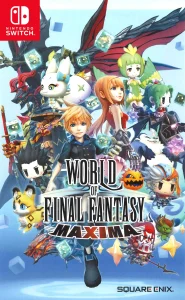
World of Final Fantasy Maxima Switch NSP
Report Link Error
Select the broken download file, then submit the report.
Screenshots
About Game
World of Final Fantasy Maxima Switch NSP takes a playful route through familiar Final Fantasy ideas, placing them in a smaller-scale world filled with chibi heroes, collectible creatures, and tactical turn-based battles. Developed and published by Square Enix, this role-playing game arrived on November 06, 2018, bringing the tale of two amnesiac siblings to Grymoire across Europe, the USA, Asia, and Japan.
Grymoire Through Lann and Reynn’s Lost Memories
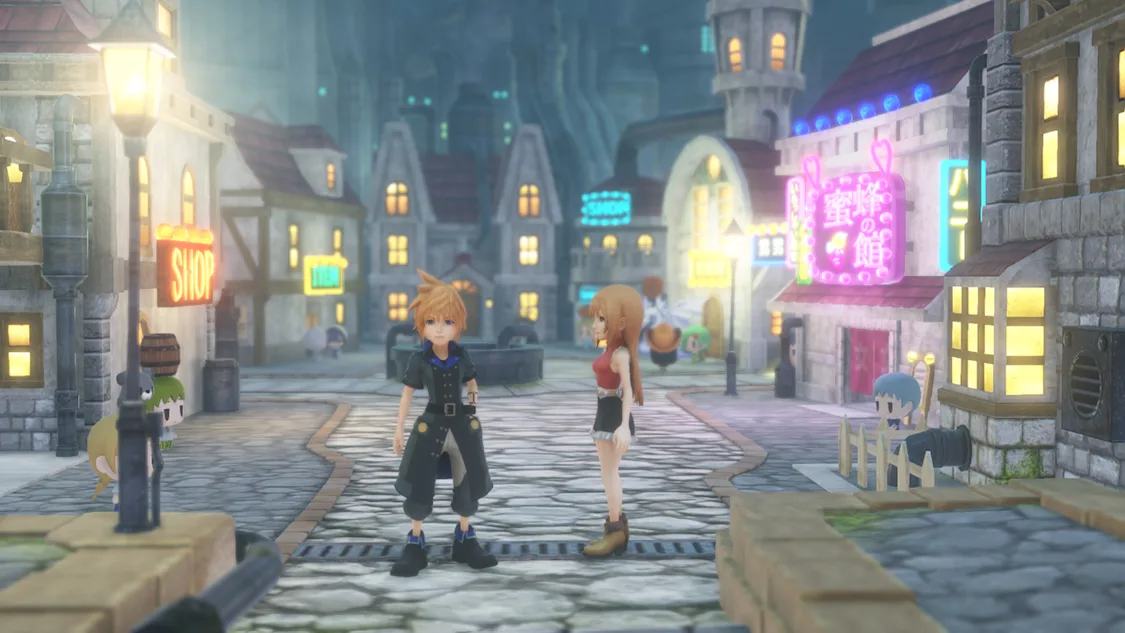
Lann and Reynn begin their story in Grymoire with a serious gap in their understanding of themselves: they have lost their memories. The world around them is unfamiliar, yet their connection to it appears to be important. Their journey becomes an attempt to recover their past while confronting a danger that is steadily growing across Grymoire.
That premise gives the adventure a useful emotional direction. Lann and Reynn are not simply travelling from one destination to the next; they are trying to understand why Grymoire matters to them and what role they have in its fate. The story combines self-discovery, destiny, companionship, humour, and more heartfelt moments, drawing on themes that have long been associated with Final Fantasy.
Grymoire also creates room for a more whimsical presentation than the premise might suggest. Recognizable heroes and creatures appear in chibi form, while the twins move through a world where charming visual design sits beside an escalating threat. World of Final Fantasy Maxima Switch NSP uses that contrast well: it can feel light on the surface while keeping the search for lost memories at the centre of the RPG adventure.
How Mirage Stacking Shapes Every Battle
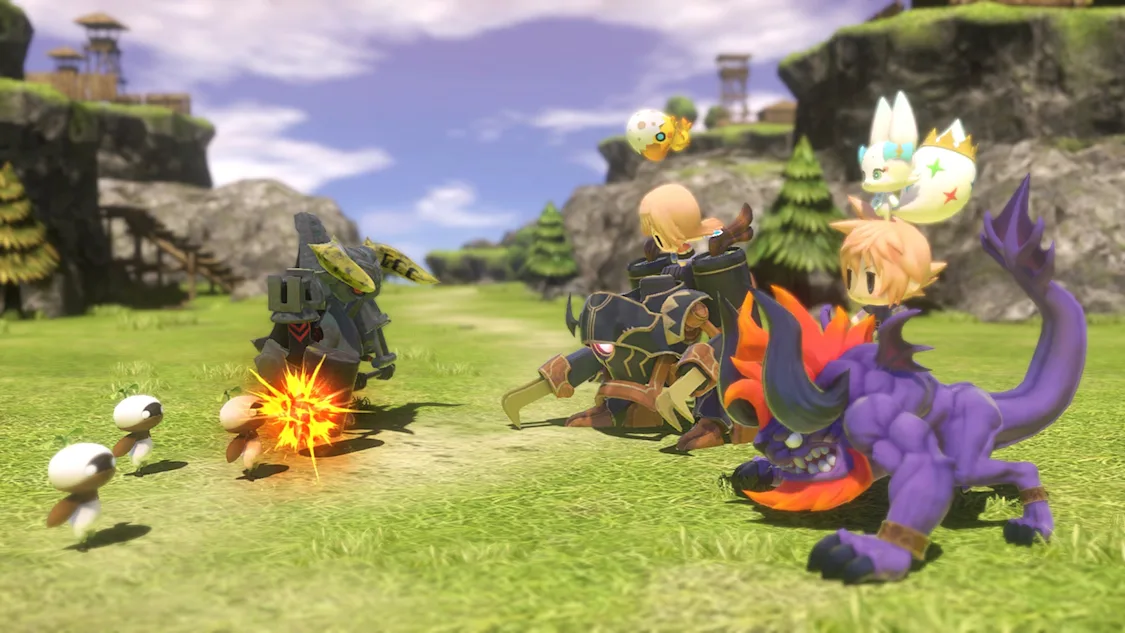
The defining combat idea is Mirage stacking. Lann and Reynn can capture and command creatures known as Mirages, then combine Mirages of different sizes into stacks. These arrangements affect a party’s stats, available abilities, and practical options in turn-based combat.
Size is not merely cosmetic. The twins can switch between Jiant, their normal-sized form, and Lilikin, their chibi-sized form. Those forms affect how they can participate in stacking, making party construction part of battle strategy rather than a background preparation step. A successful stack is built around the Mirages that fit together, the abilities they provide, and the situations a player expects to face.
The combat system uses Active Time Battle principles, so command decisions and timing matter. A battle is not only about selecting the strongest attack available. Players must consider which Mirages are active, which elemental affinities are relevant, and how their chosen stacks support the commands they want to use. This gives the game a strategic layer without losing the accessible appeal of creature collection.
Mirages can be captured, levelled, and evolved into stronger forms with new skills. That progression creates a reason to keep experimenting. A newly obtained Mirage may offer a different elemental option, a useful ability, or a size that changes how an entire stack can be arranged.
Classic Final Fantasy Champions in Chibi Form
Grymoire is populated by more than its original cast. The game brings in Final Fantasy Champions, recognizable characters who appear in the same chibi-styled presentation as much of the world around them. Cloud, Squall, and Lightning are among the heroes who can lend their aid and guidance to Lann and Reynn.
These Champions help connect the game to the wider Final Fantasy legacy without taking focus away from the twins’ personal story. Their appearances offer familiar faces during the journey, while their role as allies gives encounters with them a purpose beyond recognition alone. For players who know those characters, the chibi interpretation adds a deliberately lighter visual angle; for newcomers, they function as part of Grymoire’s growing circle of companions and guides.
The presentation is central to the game’s atmosphere. Legendary heroes, creature collecting, and a world under threat are filtered through an affectionate, miniature-styled look. That approach supports the game’s humour while leaving room for the more serious questions surrounding Lann and Reynn’s past.
Exploring Grymoire’s Environments and Light Puzzles
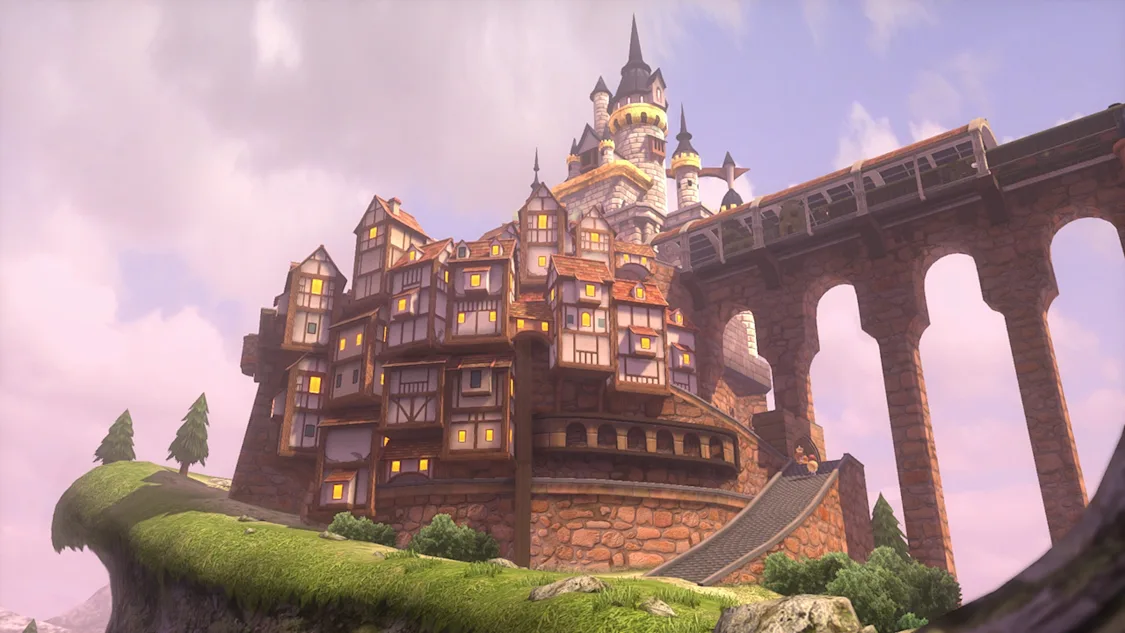
Combat is only one part of the journey. Grymoire exploration leads through varied environments, including lush forests and ancient ruins, with secrets to uncover along the way. The world encourages movement beyond battle arenas, giving the adventure a sense of place as the siblings travel toward new answers.
Light puzzles add another pace to the RPG structure. They provide breaks between encounters and reinforce the idea that progress depends on more than building a powerful party. Meeting Final Fantasy characters, discovering hidden elements of the world, and navigating different environments all contribute to the broader rhythm of the adventure.
This balance suits the game’s tone. Grymoire is presented as vibrant and inviting, but its locations are also part of the twins’ search for truth. Exploration, story revelations, and creature collection feed into one another: travelling introduces new characters and challenges, while new Mirages can broaden the possibilities available in battle.
What the Maxima Additions Bring to Grymoire
The Maxima version expands the journey with additional Champions, additional Mirages, and a challenging post-game dungeon. These additions extend the range of allies and creatures available while giving players more to pursue after the main adventure has progressed.
The extra Mirages are particularly relevant to a game built around collection and stacking. More creatures mean more possible combinations, new abilities to consider, and further reasons to revisit party setups. Additional Champions similarly strengthen the game’s link to Final Fantasy history, while the post-game dungeon provides a tougher objective for players looking to test their developed teams.
That makes the Maxima content a natural fit for the existing systems. The game already rewards curiosity about Mirages, evolutions, elemental choices, and stack construction; extra options make those decisions broader rather than changing the core appeal of the adventure.
5 Gameplay Priorities for a Stronger Mirage Team
- Collect broadly. Gather varied Mirages instead of relying on only a small group. Different creatures bring different abilities and elemental affinities, giving a team more answers in combat.
- Respect size. Consider each Mirage’s size when planning a stacking strategy. The arrangement of a stack affects what Lann and Reynn can bring into battle and how their party functions.
- Use elements wisely. Pay attention to elemental affinities when choosing attacks and Mirages. A flexible elemental strategy can be more useful than repeating the same command in every encounter.
- Build through progression. Level Mirages and evolve them to gain stronger forms and new skills. This is an important route to improving Mirage abilities over the course of the adventure.
- Choose commands carefully. Turn-based Active Time Battle encounters reward attention to timing and command selection. A well-considered action can make better use of a stack’s strengths than an automatic choice.
With English, Japanese, French, German, Italian, Spanish, Korean, and Chinese language support, the game presents a broad invitation into its distinctive mix of Final Fantasy nostalgia and creature-focused strategy. Its strongest audience is likely to be players who enjoy collecting and developing teams, experimenting with battle setups, and exploring a lighter-toned RPG world that still carries a story about memory, responsibility, and protecting Grymoire.
Recommended Similar Games
 FINAL FANTASY CRYSTAL CHRONICLES Remastered Edition Switch NSP XCIView Game
 Minecraft Dungeons Switch NSP XCIView Game
 Cat Quest Switch NSPView Game
 Persona 5 Strikers Switch NSP XCIView Game
 Story of Seasons: Pioneers of Olive Town Switch NSP XCIView Game
 Chocobo’s Mystery Dungeon Every Buddy! Switch NSPView Game
