Lords of Exile Switch NSP

Report Link Error
Select the broken download file, then submit the report.
Screenshots
About Game
Lords of Exile Switch NSP frames its dark-fantasy quest in the language of demanding retro action games: precise jumps, hostile rooms, close-range sword strikes, and bosses that ask players to pay attention before they press forward. Its world of Exilia is under a curse cast by the sorcerer Galagar, leaving Sir Gabriel—the last of the Knights of Exilia—to confront monsters, haunted places, and the force behind the kingdom’s decline.
An 8-Bit-Inspired Action Platformer
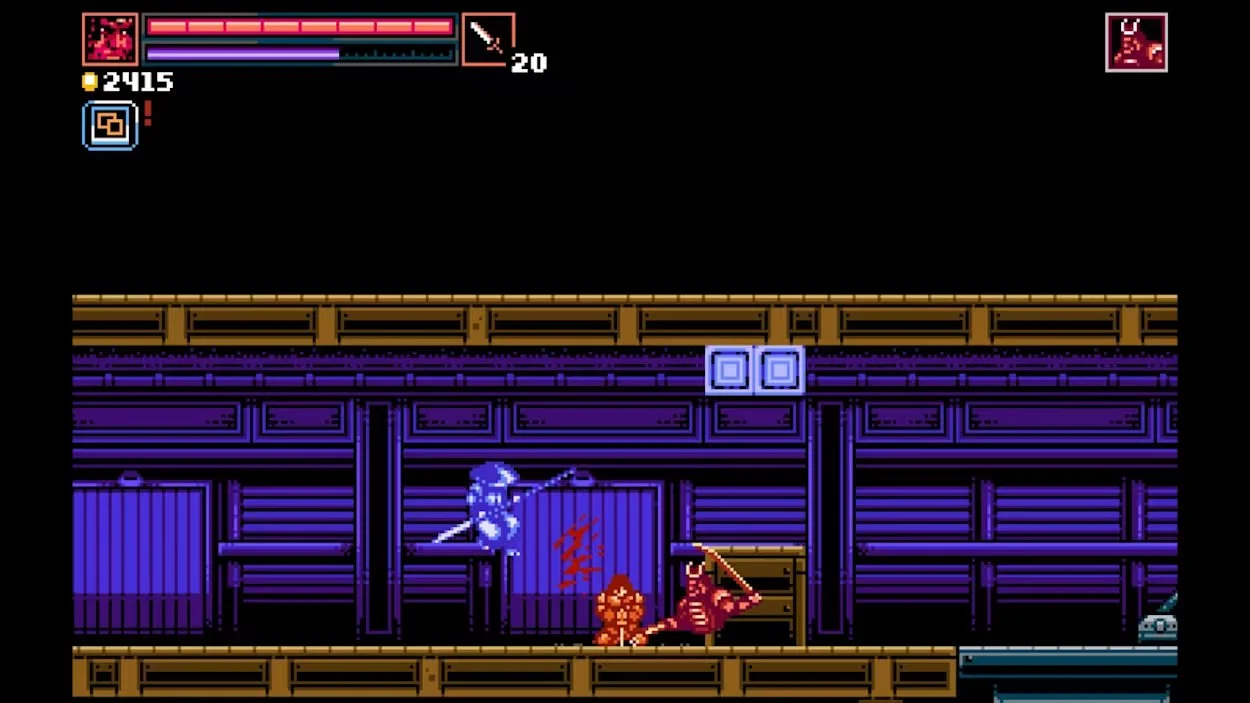
The game’s 8-bit inspired identity is central to its appeal. Lords of Exile leans into the focused structure associated with classic action-platformers, where movement and combat carry equal weight. Platforming is not simply a route between encounters; jumps must be judged carefully when traps, enemies, and dangerous terrain fill the path ahead.
Gabriel’s journey is presented through dark-fantasy pixel art, giving forests, dungeons, and castles a deliberately old-school visual character. The chiptune soundtrack supports that presentation, pairing the game’s dangerous settings with music shaped by the sound and feel of an earlier era. This is a game built for players who enjoy readable hazards, deliberate inputs, and the satisfaction of clearing a difficult stretch after several careful attempts.
The challenge also comes from the need to stay composed. Quick reflexes matter, but the game’s action platformer design asks for more than speed. Successful progress depends on timing attacks, choosing when to move, and recognizing when a seemingly straightforward route contains a threat waiting to punish impatience.
Eight Levels of Traps, Enemies, and Secrets
The adventure unfolds across eight levels, each with its own theme and a boss encounter at the end. That structure gives the quest a clear forward momentum: survive the hazards of one area, learn its threats, and prepare for the confrontation that closes it. The environments range through places such as haunted forests, treacherous dungeons, and desolate castles, all shaped by Galagar’s influence.
Within those levels, exploration has a practical purpose. Hidden paths and secret areas can reward players who resist the urge to sprint straight ahead. A suspicious section of terrain or an alternate route may offer an advantage, while the broader level design keeps the pressure on with ambushes and enemy encounters.
Platforming traps make this exploration more than a casual detour. Each jump can demand attention, particularly when danger is combined with hostile creatures. The result is a progression system that rewards familiarity: returning to a difficult segment with a better understanding of its layout, enemies, and timing can be as valuable as raw reflexes. Multiple difficulty settings also allow players to approach the challenge at a level that suits them.
Sword Combat and Ranged Sub-Weapons
Gabriel’s core tool is his sword, used for close-quarters attacks against the creatures occupying Exilia. Sword combat is direct, but it is not presented as a solution for every situation. Enemies have their own attack behaviors, making distance and timing important parts of each exchange. A poorly timed melee strike can put Gabriel in danger; a patient opening can turn a difficult encounter into a manageable one.
The game expands that combat with ranged sub-weapons, including throwing daggers and axes. These options give Gabriel ways to deal with threats from farther away and create a tactical choice between immediate sword pressure and a more controlled ranged approach. Different enemy types can call for different tools, so experimenting with sub-weapons is part of learning the game’s combat rhythm.
This balance gives the action a measured quality. The sword remains essential, yet the ranged arsenal prevents every fight from becoming the same close-range test. Effective play comes from recognizing when an enemy is safer to approach, when it is better to keep space, and when a chosen weapon can create the needed opening.
Boss Battles Built Around Pattern Recognition
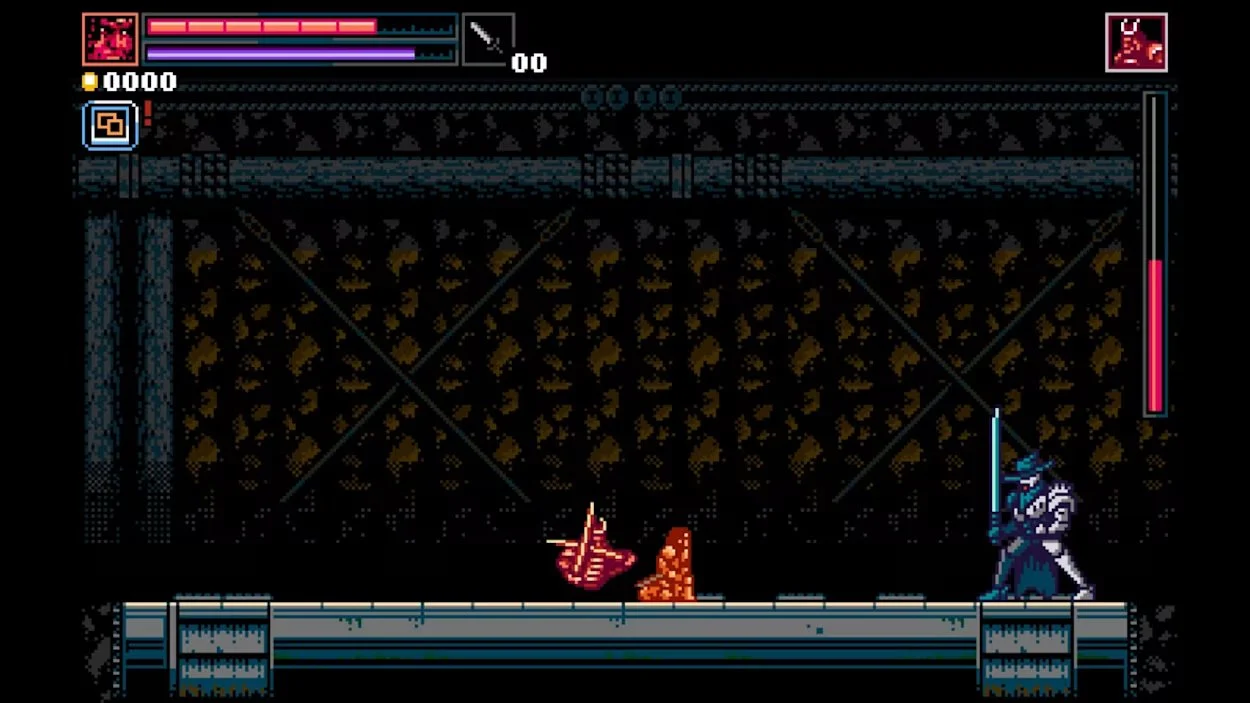
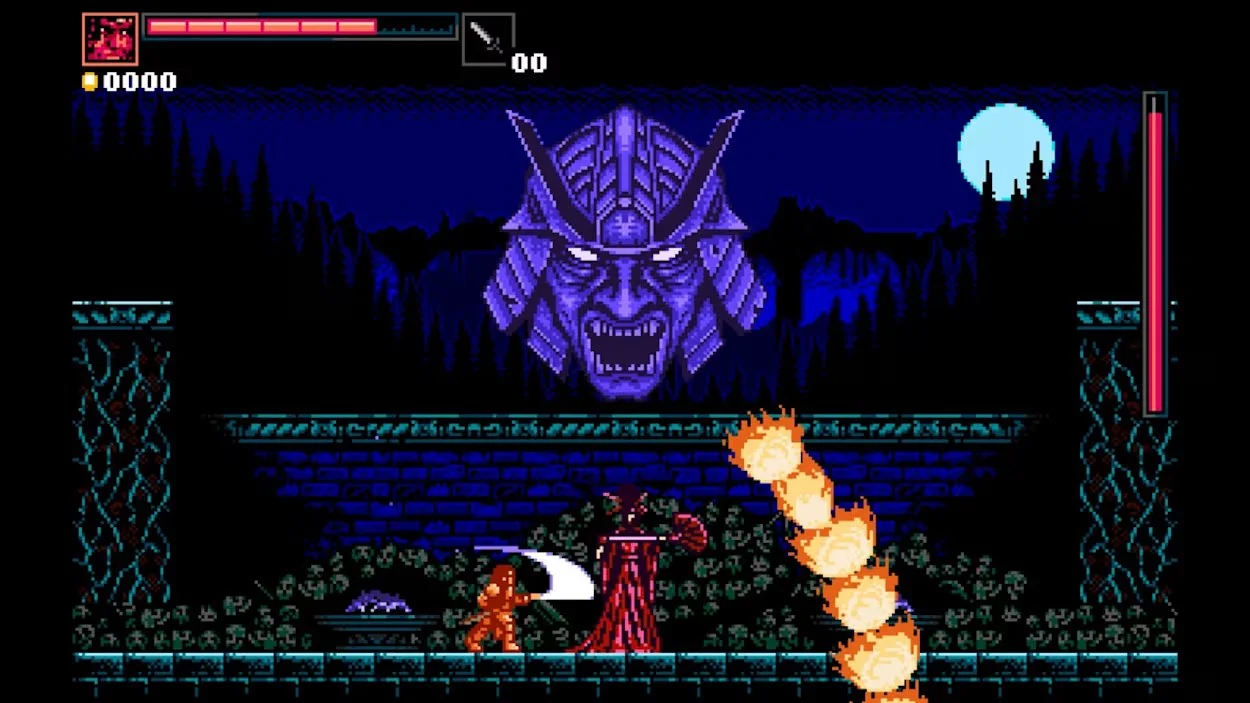
Each level ends with one of the game’s formidable boss battles. These encounters serve as a concentrated test of the skills developed throughout the preceding area: movement, positioning, weapon choice, and composure under pressure. They are not merely larger enemies. Their attacks require players to observe, react, and adjust.
Learning enemy patterns is especially important. A first attempt may reveal the range or rhythm of an attack; later attempts can turn that knowledge into safer movement and more reliable openings for damage. This makes patience a meaningful part of the experience. Instead of forcing a quick victory, players are encouraged to watch for repeatable behavior and act when the moment is right.
Good combat timing connects the game’s platforming and fighting demands. A missed jump can be costly, but so can attacking without understanding the opponent’s next move. For players who enjoy bosses that reward observation as much as aggression, Lords of Exile’s end-of-level confrontations provide a strong reason to master each stage rather than simply rush through it.
How to Approach Lords of Exile’s Tougher Encounters
- Watch first. Learn enemy and boss attack patterns before committing to an aggressive response. Recognition creates safer opportunities to move and strike.
- Resist the rush. Difficult rooms and boss encounters reward patience. Careful movement is often more useful than trying to force progress through a hazard.
- Test the arsenal. Use a sub-weapon strategy suited to the enemy in front of you. Throwing daggers and axes can offer useful ranged options against certain foes.
- Choose melee moments. Sword combat is powerful at close range, but it works best when Gabriel has a clear opening rather than when an enemy is actively threatening him.
- Save magic points. Conserve magic points for moments when powerful special abilities are genuinely needed, particularly in tougher encounters.
Nintendo Switch Release Details and Language Support
The Nintendo Switch release arrived on February 14, 2024. Plug In Digital is credited as both publisher and developer, and the release is listed for Europe, the USA, and Japan. Lords of Exile Switch NSP supports English, French, German, Italian, Japanese, and Spanish.
For players drawn to a compact, difficult retro-style adventure, the combination of themed levels, hidden areas, sub-weapons, and multiple difficulty settings gives the game room for repeated attempts and deeper familiarity. Its appeal lies in learning its routes, reading its opponents, and steadily turning dangerous territory into conquered ground.