Imagine Earth Switch NSP
Report Link Error
Select the broken download file, then submit the report.
Screenshots
About Game
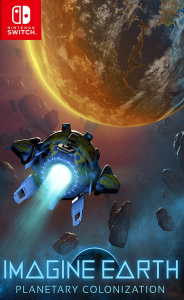
Imagine Earth Switch NSP frames planetary expansion as a test of planning, restraint, and responsibility. The strategy-puzzle game asks players to establish colonies on distant worlds while keeping their ecosystems viable, turning every new settlement into a balance between industrial ambition and long-term survival.
Imagine Earth on Nintendo Switch: Release and Game Details
Imagine Earth arrived in the USA on Nintendo Switch on May 09, 2024. Published by Serious Brothers, it is classified as a Strategy and Puzzle title, combining colony construction with resource planning and environmental decision-making.
The game supports English, Japanese, Portuguese, Spanish, French, German, Italian, Russian, Korean, and Chinese. Its verified Nintendo Switch metadata lists Title ID 0100E2701A3D8000, firmware version 17.0.1, and a file size of 1.0 GB. Those details sit alongside a game built around large-scale settlement management rather than quick, isolated puzzles.
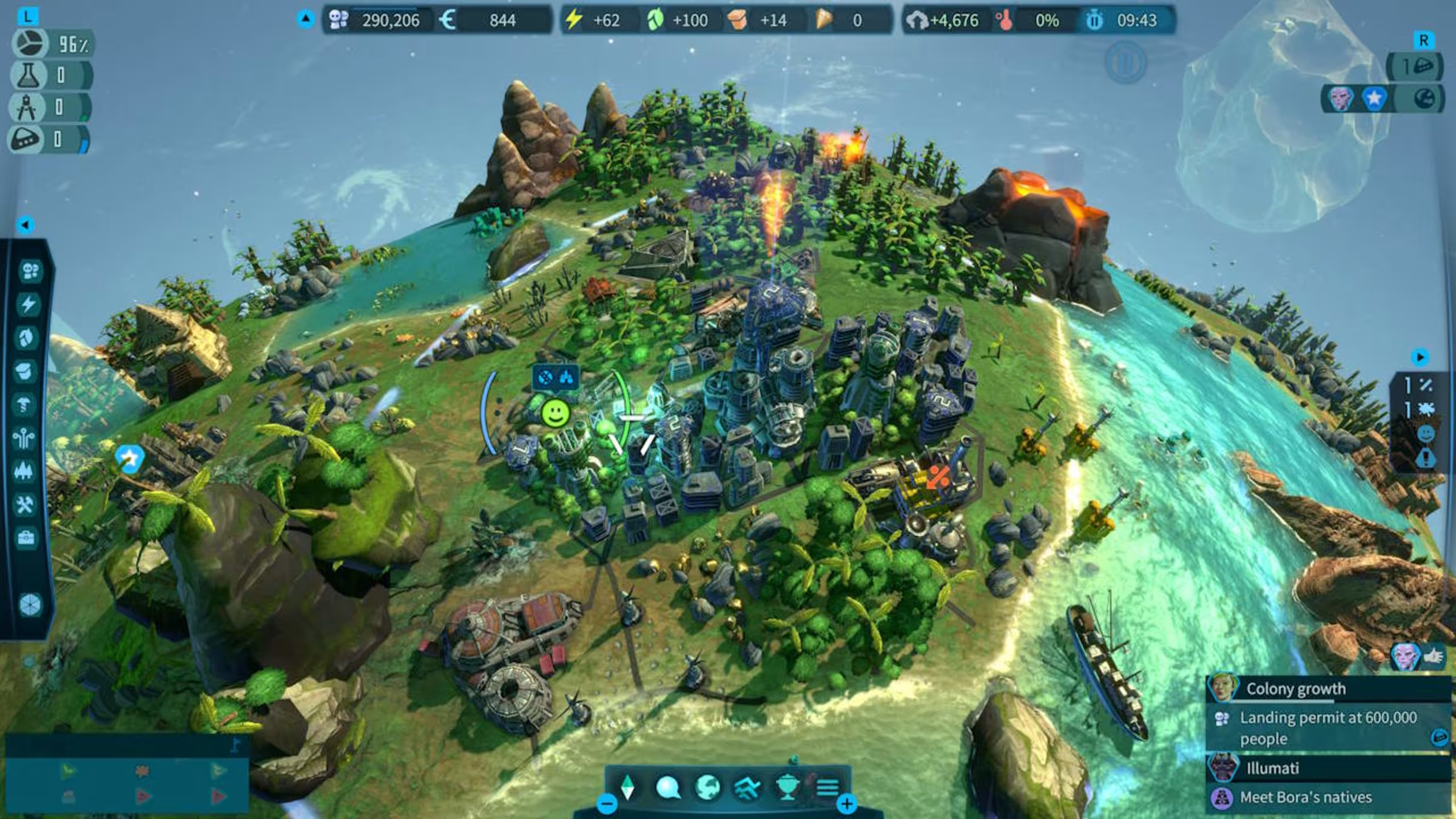
The presentation supports that scope with distant planets to survey, infrastructure to place, and expanding colonies to oversee. Its visual identity is tied to the contrast between promising new worlds and the marks left by extraction, pollution, and unchecked growth.
A Colony CEO’s Mission Across New Worlds
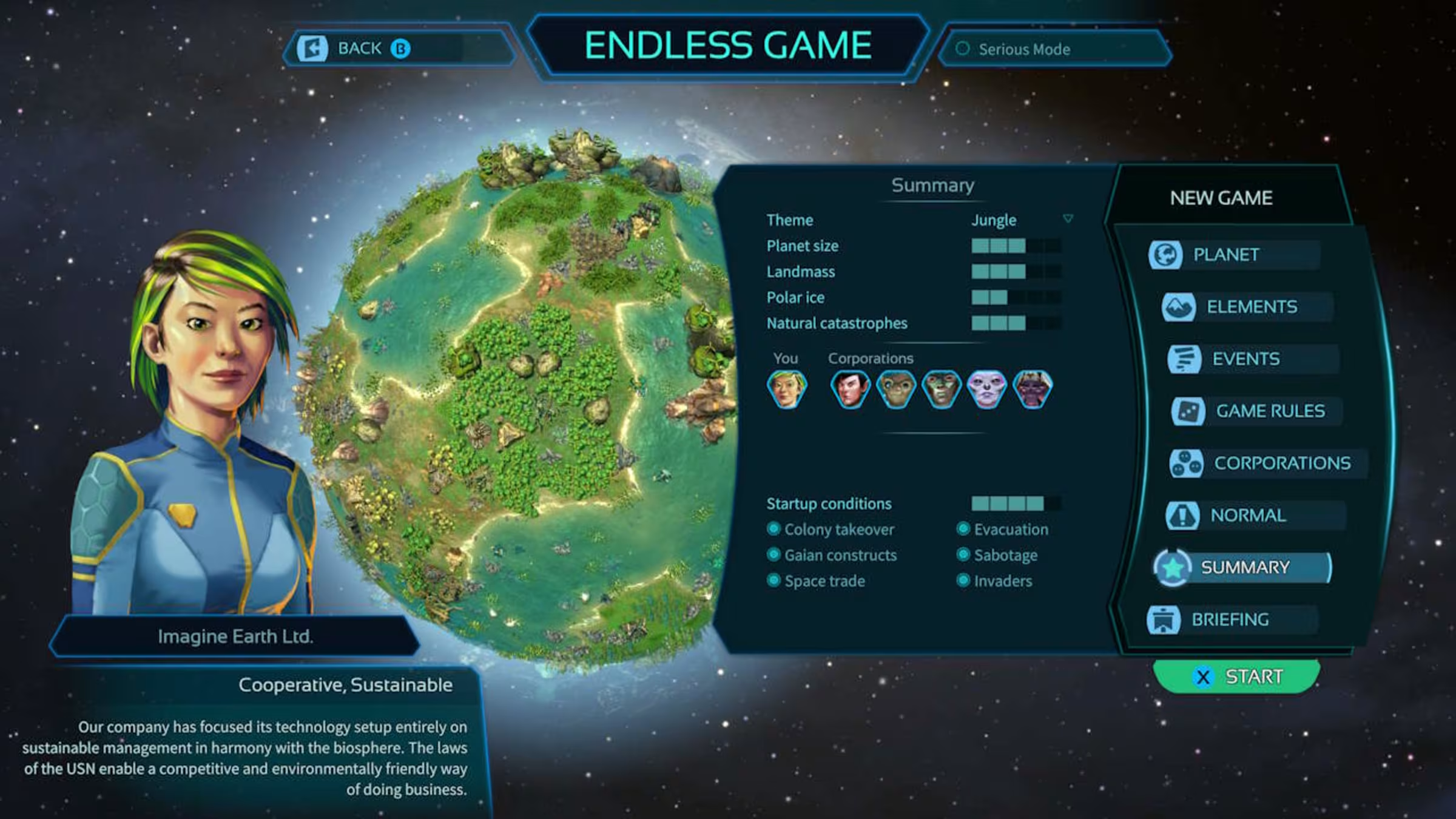
The Imagine Earth story begins with humanity facing the consequences of an exhausted home planet. New worlds become necessary rather than merely desirable, and the player takes the role of a colony CEO working for a space-colonization company. The assignment is clear in broad terms: settle remote planets, develop them into functioning homes, and keep those communities self-sufficient.
That role gives the game’s space colonization strategy a corporate edge. Expansion can bring opportunity, but it can also create pressure to exploit a planet faster than its systems can support. Rival corporations may be competitors or trading partners, while alien civilizations and ancient artifacts add uncertainty to exploration. Some encounters can offer benefits; others call for caution.
Progression comes through reaching new planets, extending infrastructure, and researching improvements that make a colony more capable. Procedurally generated worlds also give the campaign a changing foundation. A plan that works well on one planet may need adjustment on another, because available resources, environmental conditions, and settlement layouts can alter the immediate priorities.
Resource Management: Food, Energy, and Raw Materials
Imagine Earth resources form the practical center of colony life. Food, energy, and raw materials must be available in sufficient quantities if a settlement is to grow without interruption. Farms, power plants, mines, homes, and other infrastructure are not separate concerns; they are parts of connected production chains.
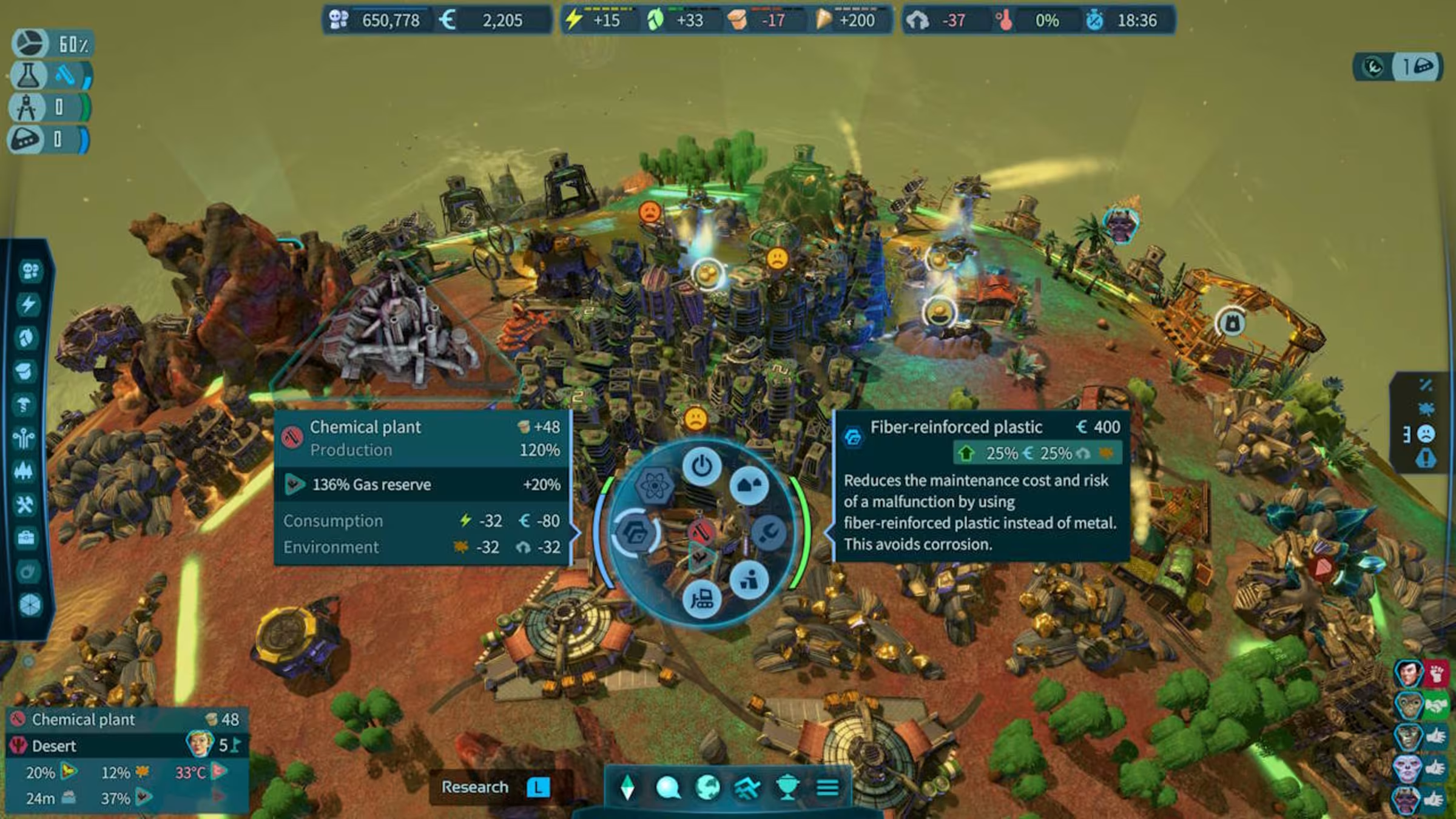
Building more is not automatically the same as building better. A mine may support industrial development, but its placement and environmental effects matter. A power source may meet current demand, yet a growing population can quickly expose weaknesses in an energy plan. The game encourages players to think ahead about logistics, production bonuses, and the order in which facilities are added.
This gives strategy management a steady, deliberate rhythm. Early decisions shape later options, particularly when a colony begins to depend on several resources at once. Diversified production can reduce vulnerability to shortages and market shifts, while trade routes can help fill gaps that a single planet cannot immediately cover.
Environmental Stewardship and Planetary Balance
Industry is necessary, but Imagine Earth environment systems make its costs visible. Pollution, ecosystem damage, and excessive extraction can threaten the same world that is meant to sustain the colony. The goal is not simply to produce more goods; it is to preserve enough planetary balance for the settlement to remain livable.
That focus gives ecological strategy a meaningful place alongside city-building. Protected areas can limit the impact of expansion, while efficient building placement helps avoid wasteful development. Monitoring pollution and ecosystem conditions is part of routine management, not an optional side activity to consider only after a crisis begins.
The game’s atmosphere is shaped by this tension. New planets can feel full of possibility, yet each industrial project carries consequences. The player is encouraged to treat a world as more than a blank map for construction. A healthy environment supports productive settlers and provides a stronger basis for continued growth, while ecological collapse can undermine years of work.
Planetary Hazards and Defensive Planning
Careful management must also account for dangers that cannot be solved by production alone. Imagine Earth disasters include meteor impacts, acid rain, and other environmental pressures capable of disrupting settlement plans. Resource scarcity can intensify these problems, especially when a colony has little reserve capacity.
Defensive planning therefore belongs beside expansion. Colonies need enough infrastructure to withstand setbacks rather than operating at their limit every moment. A strong economy, researched technology, and sensible placement of key facilities can all improve resilience. Preparing before a disaster is more useful than trying to rebuild after essential systems have already failed.
Competition adds another layer of pressure. Rival space corporations can affect access to trade and opportunities, so a colony leader must decide when to cooperate, when to compete, and how much independence to maintain. The result is a strategy game where environmental threats and commercial concerns can arrive together.
7 Early Priorities for a Sustainable Colony
For players starting Imagine Earth Switch NSP, the most reliable approach is to establish a stable foundation before pursuing rapid expansion. These early priorities reflect the game’s emphasis on sustainability, efficiency, and readiness.
- Choose renewable power. Start with sustainable energy options such as solar or wind power to support growth with less environmental strain.
- Watch the ecosystem. Monitor pollution and planetary conditions closely so warning signs are addressed before they become major damage.
- Place buildings deliberately. Arrange farms, mines, power facilities, and homes with production benefits and logistics in mind.
- Preserve protected space. Balance extraction with environmental protection zones instead of treating every available area as industrial land.
- Research for efficiency. Pursue technologies that improve sustainability and make existing systems more effective.
- Diversify production. Avoid relying on a single resource source or economic path when trade conditions and shortages can change.
- Prepare for disasters. Maintain defenses and reserve capacity for meteor impacts, acid rain, and other planetary emergencies.
Imagine Earth suits players who enjoy colony management with consequences that extend beyond profit or population totals. Its central challenge is thoughtful: create a thriving settlement, but do so without repeating the mistakes that left Earth exhausted in the first place.
Recommended Similar Games
 Puzzle Girls: Seductive Nights Switch NSPView Game
 Mercenaries Rebirth: Call of the Wild Lynx Switch NSPView Game
 Child of Light Ultimate Edition + Valiant Hearts: The Great War SWITCH NSPView Game
 Yu-Gi-Oh! Legacy of the Duelist: Link Evolution Switch NSP XCIView Game
 The DioField Chronicle Switch NSP XCIView Game
 Overcooked 2 Switch NSP XCIView Game
