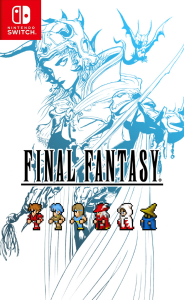
Final Fantasy Switch NSP
Report Link Error
Select the broken download file, then submit the report.
Screenshots
About Game
Final Fantasy Switch NSP is identified in the supplied release information as a Square Enix role-playing title for Nintendo Switch, carrying Title ID 01000EA014150000. Released on April 19, 2023, it is listed for Europe, USA, Asia, and Japan, with a broad selection of language options. Those practical details establish the release profile, while the wider Final Fantasy tradition supplies the appeal: long-form fantasy journeys, strategic parties, and worlds built for patient exploration.
Final Fantasy Switch NSP: Verified Release Profile
The verified record lists Title ID 01000EA014150000, a release date of April 19, 2023, and the role-playing genre. Square Enix is credited as both publisher and developer. The listed regions are Europe, USA, Asia, and Japan, making this a release profile with notably wide regional coverage.
Its supplied technical information includes firmware requirements of Base – v15.0.1 and Update – v16.0.1, alongside a listed file size of 608MB. More importantly from an editorial perspective, the genre classification sets reasonable expectations. A Square Enix RPG carries the association of narrative-led adventure, character development, tactical decisions, and an emphasis on sustained progress rather than quick, self-contained play sessions.
The exact entry-specific story, battle system, and progression structure are not detailed in the supplied information. It is therefore more accurate to view this profile through the lens of the broader Final Fantasy approach described in the reference, rather than assigning features from another game to this particular release.
A Final Fantasy RPG Experience on Nintendo Switch
Final Fantasy has long been associated with fantasy settings where a party of characters moves through conflict, discovery, and high-stakes storytelling. Across the series-style experience described in the reference, the journey often involves heroes confronting powerful threats, ancient forces, or crises that place entire communities and civilizations in danger. Friendship, sacrifice, destiny, loss, redemption, magic, and technology can all shape that dramatic atmosphere.
On Nintendo Switch, that kind of role-playing adventure suits both brief periods of play and longer sessions. Portable access changes the rhythm of a sprawling RPG: a visit to a town, a dungeon expedition, or a few carefully planned encounters can feel meaningful even when the larger narrative remains unfinished. The appeal is not simply scale. It is the sense of returning to a living adventure, with a party’s next objective always waiting beyond the last save point.
Different Final Fantasy adventures create their own lore, casts, locations, and emotional tone. That variety matters. The series framework may be recognizable, but each world can present a distinct fantasy identity, from intimate character moments to grand confrontations over the fate of a wider realm.
- Long-form journeys: Role-playing stories can build momentum through a party’s changing goals, relationships, and challenges.
- Portable sessions: Nintendo Switch play is well suited to returning to towns, dungeons, and major story routes in manageable stretches.
- Party focus: A group of characters with different motivations supports both narrative variety and tactical decision-making.
- Fantasy scale: Magic, dangerous villains, old legends, and world-level threats help create a sense of adventure.
- Room to explore: Optional discoveries and side activities can reward players who look beyond the main path.
Combat Styles Across Final Fantasy-Inspired Adventures
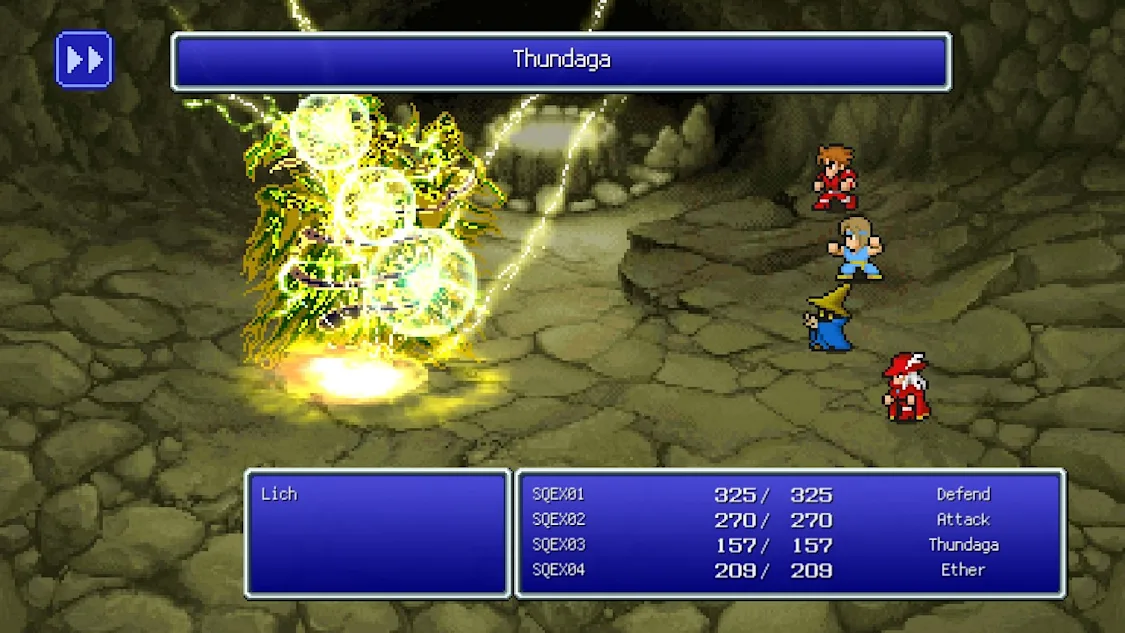
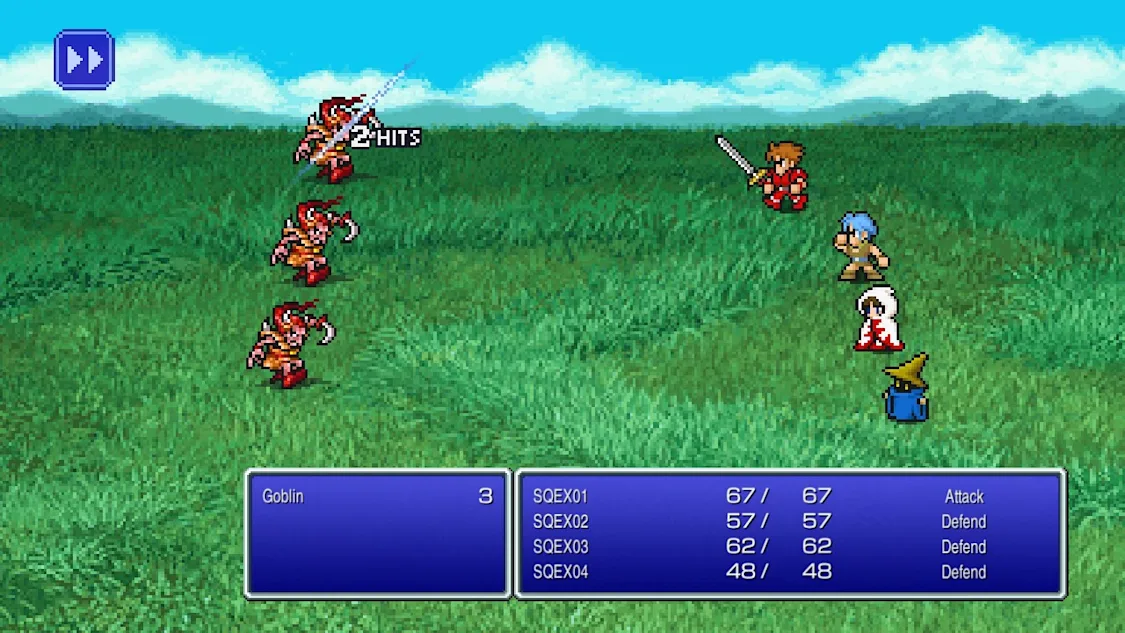
The reference makes clear that Final Fantasy combat is not limited to one format. Some adventures use traditional turn-based RPG battles, where players can consider commands and party roles before committing to an action. Others use Active Time Battle systems, adding pressure through gauges that demand timely choices. More action-oriented real-time engagements also appear across the broader range of games discussed.
This variation is worth emphasizing because the supplied metadata does not confirm which combat model belongs to this release. What can be said is that Final Fantasy combat commonly values strategic party decisions. Selecting attacks, healing at the right moment, using spells efficiently, and adapting to bosses are recurring RPG concerns. The most satisfying battles tend to turn preparation into payoff: a well-chosen ability, a useful piece of equipment, or a properly balanced party can alter the course of a difficult encounter.
That design philosophy gives the action a measured dramatic quality. Major enemies are not only visual or narrative milestones; they are tests of planning. For players who enjoy thinking through a battle rather than relying solely on speed, this side of the Final Fantasy tradition remains central to its identity.
Character Growth, Equipment, and Party Strategy
Progression is one of the strongest reasons to settle into a substantial RPG. The reference describes character growth through abilities, spells, equipment, and party management, all of which give players reasons to reconsider how their group operates as the adventure develops. Better tools are not merely rewards; they can open new tactical possibilities.
Examples named in the reference include Materia, Sphere Grids, and Job systems. These should be understood as examples from Final Fantasy-style progression across different titles, not confirmed systems for Title ID 01000EA014150000. Their shared purpose is clear, however: they provide ways to shape a party around preferred tactics, specialized roles, or changing challenges.
Equipment choices can influence both preparedness and play style. Spells and abilities may encourage a player to build around offense, recovery, elemental coverage, or utility. Party management then connects those decisions, asking who should lead an attack, who should preserve resources, and when a defensive approach is wiser than pushing for damage. This depth gives RPG progression a degree of replay value, since different choices can change how players approach encounters and optional content.
Exploration, Side Content, and World Discovery
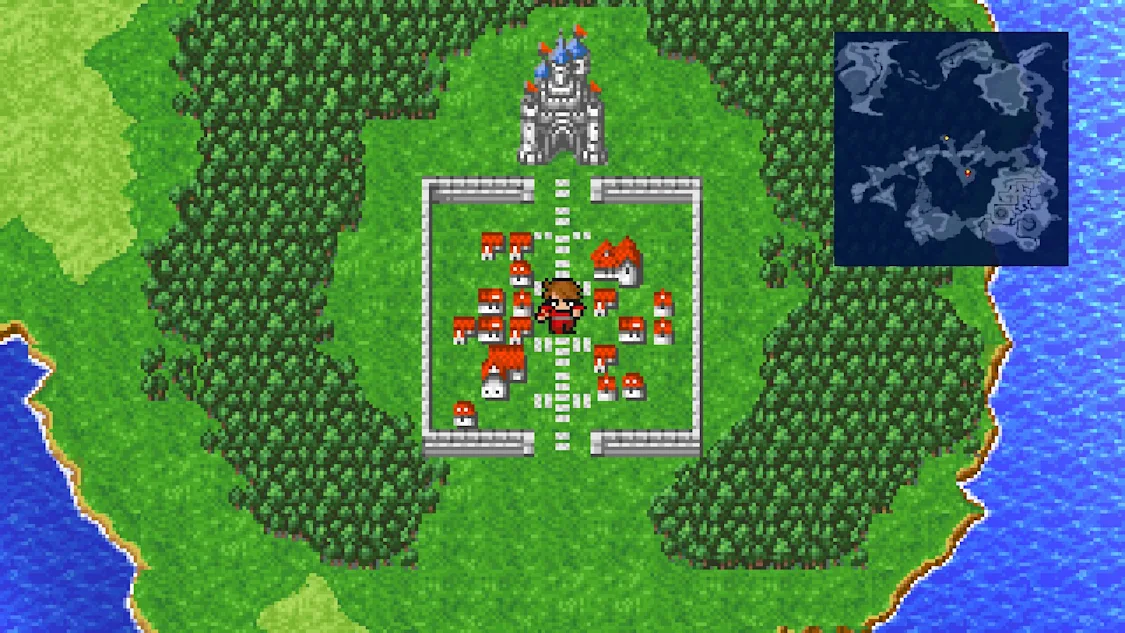
Exploration gives fantasy role-playing worlds their texture. The reference points to overworlds, dungeons, towns, hidden areas, secrets, side quests, mini-games, and valuable items. These elements make an adventure feel broader than its critical story route. A town may offer a pause between dangerous areas; a dungeon can test resource management; an overlooked path may hide equipment or a useful reward.
Careful play is encouraged by that structure. Searching beyond obvious routes can reveal hidden items, optional areas, and opportunities to strengthen the party. Side quests and mini-games also break up the emotional intensity of major story events, bringing variety to a lengthy journey without losing the broader sense of place.
This is where the atmosphere of a Final Fantasy adventure often becomes most personal. The main narrative may deliver dramatic turns, but exploration creates quieter memories: finding a secret, preparing for a difficult battle, or taking an unexpected detour through a place that was not required. For players who enjoy completion, experimentation, and discovering what a game world has tucked away, that sense of possibility is a meaningful part of the experience.
Language and Regional Availability
The listed regional availability for Final Fantasy Switch NSP includes Europe, USA, Asia, and Japan. Its supported languages are English, French, German, Italian, Japanese, Korean, Portuguese, Russian, Chinese, and Spanish.
That multilingual range is especially relevant to a narrative-focused RPG, where dialogue, character motivations, and world-building carry much of the experience. Players in the listed regions can look to the language information when considering how they prefer to engage with a lengthy fantasy story. Combined with the verified Square Enix credits and role-playing classification, the profile presents a release aimed at audiences drawn to strategic combat, party growth, exploration, and expansive adventure storytelling.
Recommended Similar Games
 Harvest Moon: The Winds of Anthos Switch NSPView Game
 Pokémon Let’s Go Pikachu Switch NSP XCIView Game
 Xenoblade Chronicles 3 Switch NSP XCIView Game
 Library Of Ruina Switch NSPView Game
 That Time I Got Reincarnated as a Slime ISEKAI Chronicles Switch NSP XCIView Game
 My Time at Sandrock Switch NSPView Game
