House Flipper Switch NSP

Report Link Error
Select the broken download file, then submit the report.


Screenshots
About Game
House Flipper Switch NSP presents renovation as a steady climb from modest handyman work to full property flipping. Released on June 12, 2020, this simulation game from Ultimate Games places the player in a hands-on role: clean neglected spaces, reshape rooms, furnish them, and turn rundown houses into more appealing places to live. Its appeal comes less from a traditional scripted story than from the visible results of each job.
From Solo Renovator to Property Flipper
The progression in House Flipper begins on a small scale. You start as a solo renovator with a small office, taking on work that builds practical experience as well as income. The early routine establishes the game’s rhythm: accept a job, assess the condition of a property, complete the required work, and use the rewards to open further opportunities.
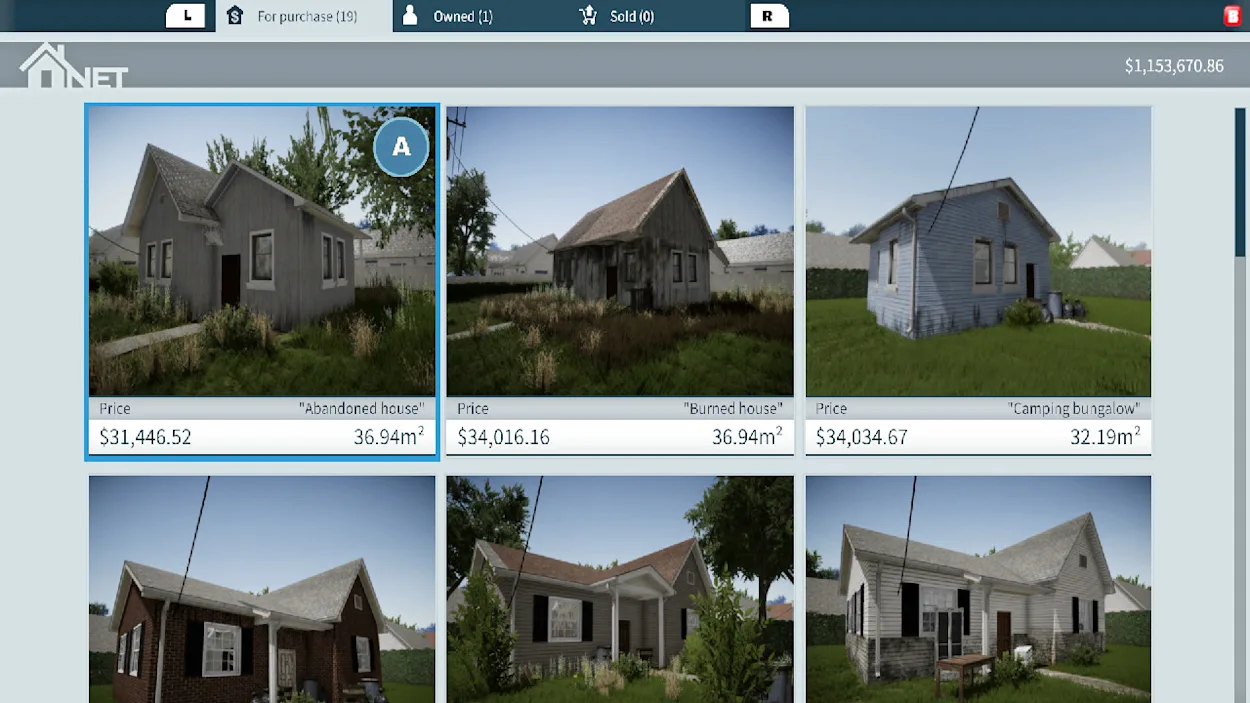
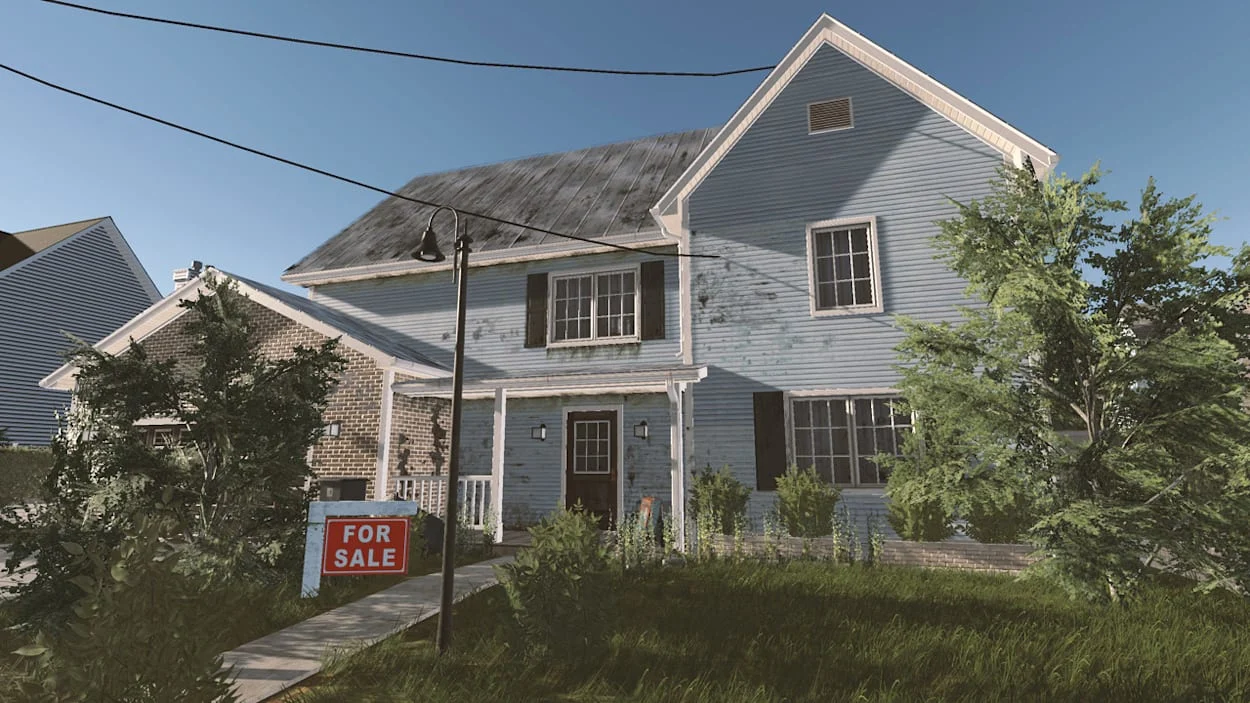
That structure gives the game a clear sense of movement without relying on cutscenes or a linear campaign. Individual tasks become the framework for the player’s career, gradually leading from simple assignments to more demanding renovation work. As money and opportunities grow, the focus can shift toward buying neglected properties, improving them, and selling them for profit.
This property-flipping loop makes each completed job feel connected to a larger goal. Cleaning a dirty room or fitting a basic fixture may be a small step, but those steps support the eventual ambition of renovating entire houses for resale. The atmosphere is practical and workmanlike, yet there is room for satisfaction when a previously run-down interior begins to look coherent and welcoming.
Client Jobs and the Path to Bigger Projects
Client jobs provide the early direction for the renovation progression. Each assignment offers a different set of renovation challenges, beginning with straightforward work and moving toward more substantial projects. Some jobs ask for cleaning and tidying; others involve changing the structure of a room, installing essential items, or adding furnishings and decoration.
These requests give players useful goals while they learn the available tools. Following the client’s needs is important in the early stages, since the jobs are designed around particular tasks rather than unrestricted redesign. The work also introduces the broader systems of the house renovation simulation in manageable pieces.
For a player approaching House Flipper Switch NSP as a relaxed project-based game, that gradual escalation is central to its replay value. Different properties can call for different combinations of cleaning, construction, installation, and decorating. The work remains grounded in repeated practical actions, but the changing condition of each space encourages a fresh approach to the next assignment.
Cleaning Neglected Rooms Before Renovation
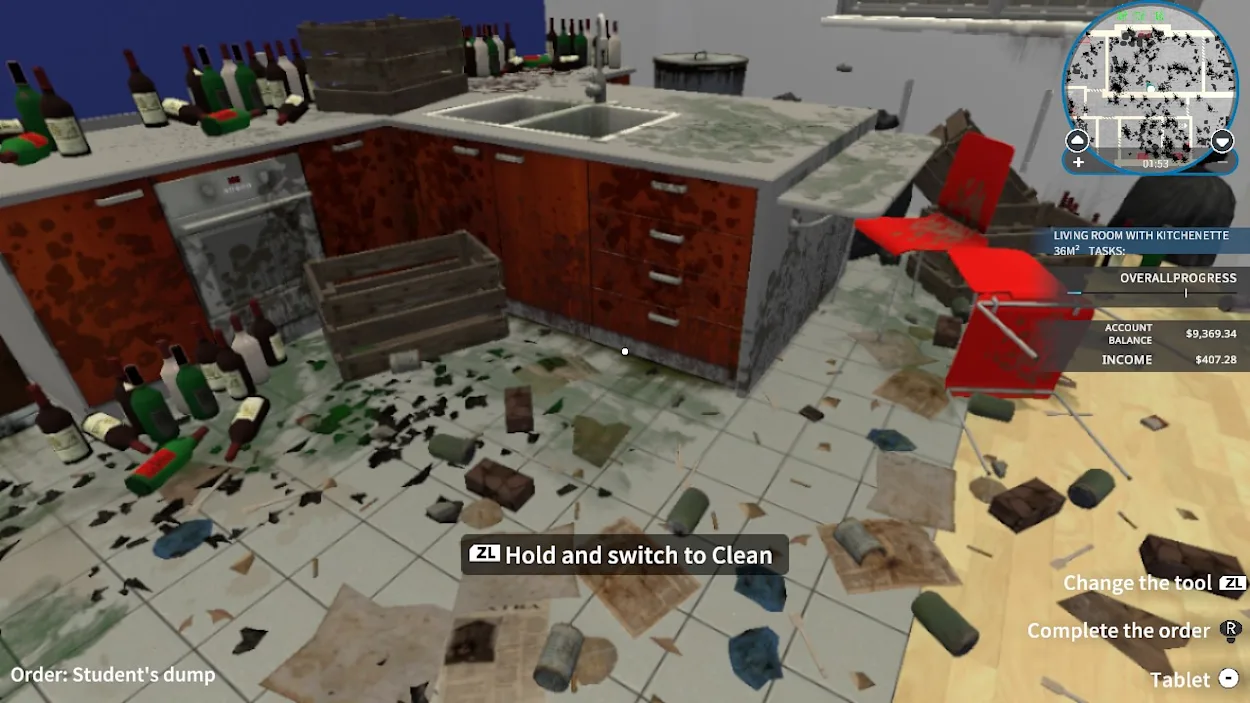
Before a room can look attractive, it often needs basic care. Cleaning gameplay starts with the visible problems: trash scattered through interiors, untidy spaces, and grime on surfaces. Removing waste, tidying rooms, and scrubbing dirty areas prepares a property for the more dramatic changes that follow.
These tasks are not simply decorative preliminaries. They establish the condition of the house and make later renovation easier to appreciate. A dirty, cluttered room can feel neglected; once it has been cleared and cleaned, its layout and remaining potential become more obvious.
The routine also suits the game’s deliberate pace. There is a directness to moving through a room, dealing with what is immediately wrong, and watching the space become usable again. For players who enjoy orderly, visible progress, trash removal and cleaning can be as satisfying as larger remodeling work. The transformation begins with small corrections before it reaches paint, furniture, or new construction.
Reshaping Interiors With Demolition and Construction
More extensive renovation begins when the existing layout no longer suits the intended space. Wall demolition allows players to break down walls and create more open interior layouts. This can change the character of a property quickly, replacing cramped divisions with a broader room arrangement.
Construction tools provide the other half of that process. New walls can be built to redefine the interior, while doors and windows can be fitted to alter how rooms connect and how the house is organized. The result is a renovation process that goes beyond surface improvements. Players are not limited to making an old room cleaner; they can reshape its basic structure.
That freedom supports both functional and creative decisions. A player can approach a house methodically, identifying where a wall should come down or where a new division is needed before moving on to finishing work. The construction side also makes the larger projects feel more substantial, because the house can be changed from the inside out rather than merely redecorated.
Painting, Furniture, and Decorative Choices
Once a room is clean and its layout is in place, painting rooms and decorating them become the most personal part of the process. Players can choose paint colors and wallpapers, then add furniture and decorations to give an interior a more finished identity. A plain room can be turned into something brighter, more comfortable, or more deliberately styled through these choices.
Furniture placement matters because it changes how the room reads after construction is complete. The player is not only filling empty space; they are deciding how a renovated home should feel. Decorations provide another layer, allowing rooms to move beyond basic functionality.
This creative freedom gives the simulation a quieter form of replay value. Even when the same broad tasks return—clean, repair, build, paint, furnish—the final appearance can vary according to the player’s decisions. The game supports careful, detailed work, but it also leaves room to experiment with different design styles. For an eventual sale, those choices can be balanced against the appeal a buyer may want from the finished property.
5 Practical Priorities for Efficient House Flipping
- Follow the brief. During client jobs, prioritize client requests so each assignment is handled according to its stated needs.
- Plan the sequence. Tackle work in a logical order: clear trash and grime before moving into structural changes, installations, and decoration.
- Use the right tool. Cleaning, wall demolition, construction, and fitting items each call for different tools, so switching efficiently helps keep renovation work focused.
- Think beyond the current room. When renovating houses for resale, consider buyer appeal alongside personal design preferences and experiment with styles carefully.
- Finish the details. Small touches can matter, from cleaned surfaces and orderly rooms to furniture, decorations, and the final look of the interior.
House Flipper is suited to players who enjoy gradual improvement, practical tasks, and creative control within a simulation format. Its Nintendo Switch presentation keeps the emphasis on direct renovation work: one room, one wall, one coat of paint, and eventually one transformed property at a time.