Cooking Simulator Switch NSP XCI

Report Link Error
Select the broken download file, then submit the report.
Screenshots

About Game
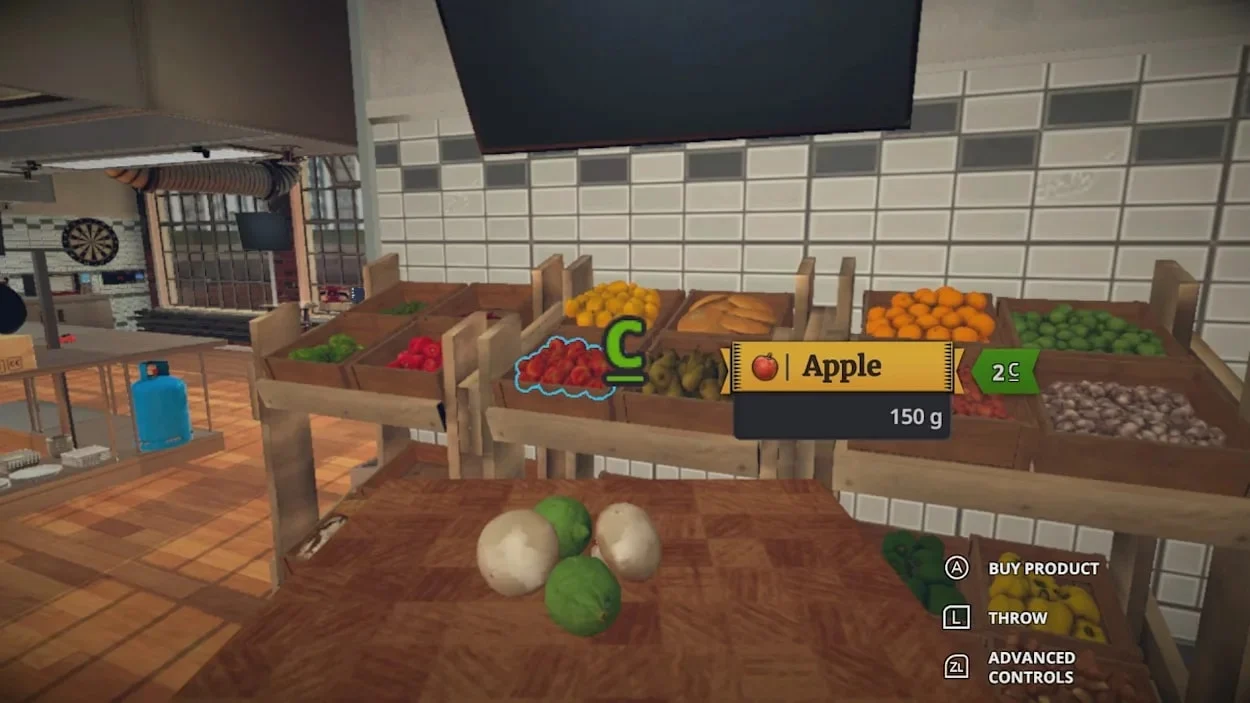
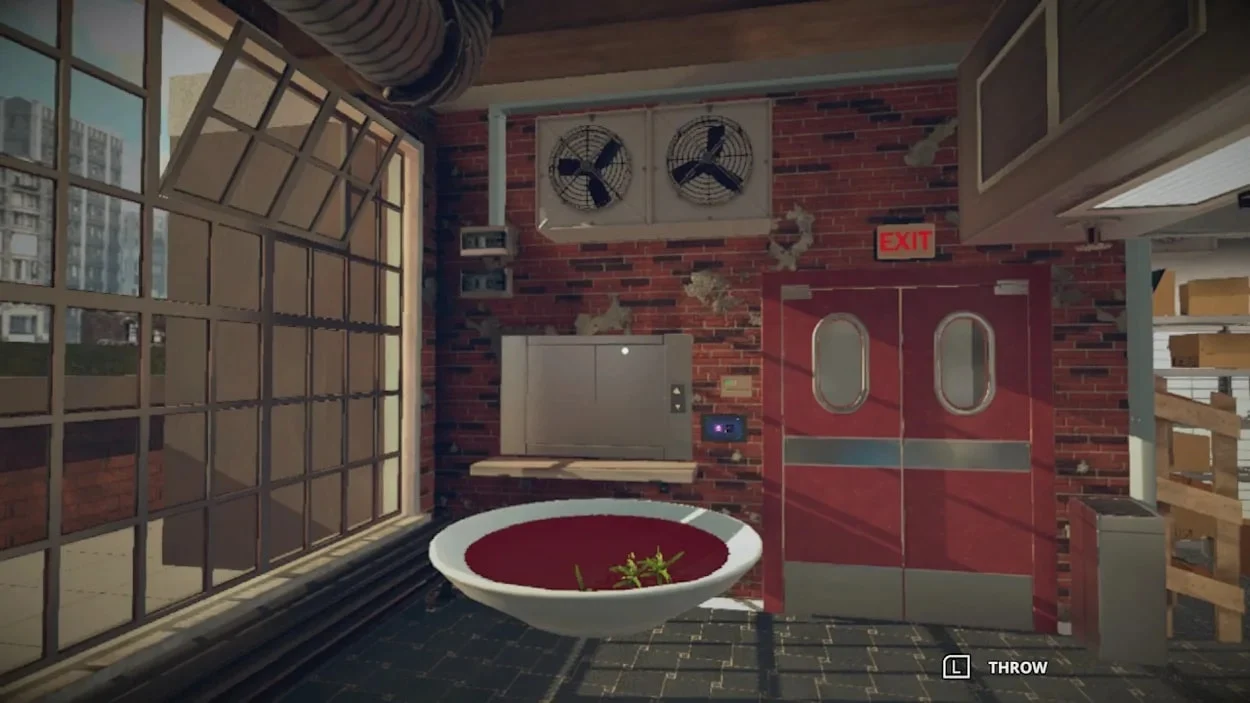
Cooking Simulator Switch NSP XCI places the player in a virtual professional kitchen where preparation is handled through direct interaction. Ingredients, tools, heat, timing, and presentation all matter as dishes move from a recipe’s first step to the final plate. The result is a kitchen simulation built around careful work rather than a traditional character-driven story.
Cooking Simulator on Nintendo Switch: A Hands-On Kitchen Experience
Cooking Simulator Switch focuses on the practical rhythm of preparing food. Players work in a stocked kitchen, picking up cookware, handling ingredients, and using a broad selection of appliances and utensils. The experience is designed around individual actions: selecting the right item, preparing it correctly, keeping an eye on the cooking process, and assembling a finished dish for service.
The kitchen’s interactive approach gives routine tasks real weight. A vegetable is not simply marked as prepared; it must be sliced. Food is not instantly cooked; it needs to be fried, baked, or otherwise handled according to the recipe. This gives the simulation a deliberate pace, especially when several tasks require attention at once. A pan left too long, an overlooked order, or a rushed plate can affect the result.
Its atmosphere comes from that constant activity. The kitchen is a workspace full of ingredients, equipment, and incoming expectations rather than a passive backdrop. Professional tools such as blenders and deep fryers support the sense that the player is operating within a functional culinary environment. The game’s dynamic physics also shape the process, with ingredients and cooking actions responding through its simulated kitchen systems.
Career Mode: Building a Reputation as an Aspiring Chef
Career mode provides the game’s main progression structure. The player begins as an aspiring chef working from a modest restaurant kitchen, then takes on increasingly demanding customer orders. There is no conventional linear plot with heroes or villains; advancement is tied instead to culinary performance, customer expectations, and the reputation earned through successful service.
Orders create the pressure behind the kitchen work. Customers request particular dishes with specific preparation and delivery requirements, making accuracy and timing important. A well-executed meal helps build reputation, while failure to meet expectations can lead to dissatisfied customers. This turns each service into a test of organization as much as cooking knowledge.
As progress continues, new recipes, ingredients, and equipment become available. The stated objective is to reach five-star-chef status and manage a successful eatery. That journey gives the simulation a useful sense of direction: the player is not only completing isolated recipes, but gradually expanding a culinary repertoire and facing broader restaurant challenges.
- Start organised: Keep ingredients and tools arranged so repeated tasks are easier to manage.
- Watch the clock: Multiple orders demand clear priorities to avoid missed delivery deadlines.
- Follow recipes closely: Each step contributes to the finished dish, from preparation through cooking.
- Respect the heat: Frying and baking require attention so food is not left unattended.
- Finish with care: Presentation is part of service, so plating deserves time as well.
Core Cooking Tasks: Chop, Fry, Bake, and Plate
Cooking Simulator gameplay is built from recognizable kitchen tasks. Chopping and slicing are central parts of preparation, while frying and baking move ingredients toward their required finished state. Recipes provide the framework, but the player still has to manage the sequence of actions and maintain control of the kitchen while orders continue to arrive.
Precision is emphasized throughout. Taking a pot, preparing vegetables, monitoring temperatures, and arranging food on a plate all contribute to the final result. The game asks players to pay attention to detail while also multitasking. A simple recipe may be manageable on its own, but the challenge grows when several customer orders require different ingredients, cooking methods, and completion times.
Plating is especially important because it closes the loop between preparation and service. The player is expected to deliver dishes that are not only cooked but also presented appropriately. This makes the kitchen work feel connected: ingredients, tools, heat, recipe instructions, and visual presentation all lead toward the same customer-facing outcome.
Recipes, Ingredients, and Professional Kitchen Tools
The available kitchen content supports a wide range of culinary tasks. Cooking Simulator includes more than 80 recipes, spanning appetizers, main courses, and desserts. Those recipes are supported by hundreds of ingredients, giving players plenty of material to prepare as they work through career challenges or spend time experimenting in the kitchen.
There are also more than 140 utensils and appliances. The selection includes tools associated with everyday preparation as well as equipment such as blenders and deep fryers. This breadth gives the kitchen a practical, working feel, with different tools serving different stages of a dish’s production.
The recipe book and equipment range also help sustain replay value. Career progression gradually opens access to additional recipes, ingredients, and kitchen equipment, while the number of available combinations encourages repeat visits to familiar processes. Players can improve their timing, refine their workflow, or approach a recipe more confidently after earlier attempts.
Sandbox Mode and Culinary Experimentation
For players who prefer freedom over restaurant pressure, sandbox mode offers a different pace. It removes the immediate demands of career orders and provides space to test ingredients, cooking techniques, temperatures, and flavors. The focus shifts away from deadlines and toward curiosity.
This mode is suited to recipe experimentation and original dish ideas. Players can use the interactive kitchen to explore how tools and ingredients work together without needing to satisfy a specific customer request. It is a fitting option for people who enjoy the process of virtual cooking itself, as well as for those who want to become more comfortable with the game’s systems before returning to career mode.
Cooking Simulator Switch NSP XCI therefore has room for two distinct approaches: structured restaurant progression and pressure-free creative cooking. The former rewards efficiency and attention to orders, while the latter gives the kitchen’s ingredients and tools space to be explored more openly.
Cooking Simulator Switch Edition: Release and Game Details
Cooking Simulator on Nintendo Switch was released on May 14, 2020. It is classified as a Simulation Game, with Forever Entertainment serving as both publisher and developer. The release is listed as Region Free.
Supported languages are English, German, Spanish, French, Italian, and Russian. Its combination of recipe-based tasks, restaurant progression, and sandbox experimentation makes it most relevant to players interested in detailed cooking gameplay, kitchen management, and the satisfaction of turning a sequence of careful actions into a completed dish.
Recommended Similar Games
 RollerCoaster Tycoon 3 Complete Edition Switch NSP XCIView Game
 MudRunner – American Wilds Switch NSP XCIView Game
 Cook, Serve, Delicious! 3?! Switch NSPView Game
 Hunting Simulator 2 Switch NSPView Game
 Famicom Detective Club: The Girl Who Stands Behind Switch NSPView Game
 Goat Simulator: The GOATY Switch NSP XCIView Game
