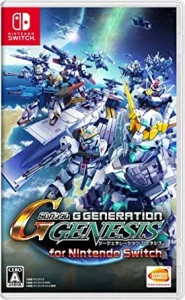
SD Gundam G Generation Genesis for Nintendo Switch NSP XCI
Report Link Error
Select the broken download file, then submit the report.


Screenshots
About Game
SD Gundam G Generation Genesis for Nintendo Switch NSP XCI brings a large-scale Gundam strategy experience to Nintendo Switch, combining familiar machines, pilots, and conflicts with deliberate turn-based combat. Its appeal is rooted in the Universal Century material it draws from, but the practical rhythm is tactical: assess a map, organize a force, move carefully, and develop the units that survive the next operation.
SD Gundam G Generation Genesis at a Glance
Released on March 25, 2021, SD Gundam G Generation Genesis is a Strategy Game published by Bandai Namco and developed by Tom Create. The Switch version is listed for the Asia and JPN regions, placing it within a release that supports several language options for players across those markets.
The game frames Gundam’s immense machine roster through the compact SD style, while preserving the importance of individual units, pilots, and fleet organization. Rather than treating a mobile suit as a simple collectible, it asks players to consider where that machine belongs in a squad and which pilot can make the most of its strengths. The result is a game with a broad historical canvas and a methodical battlefield focus.
Its portable Nintendo Switch format suits the structure well. Missions can involve substantial planning, but the core loop remains clear: enter a scenario, command a formation of mobile suits and warships, earn opportunities to improve the roster, then prepare for the next challenge.
A Universal Century Strategy Journey
The campaign revisits key material from the Universal Century, the long-running setting that supplies many of Gundam’s defining wars, characters, and mobile suit designs. The game covers story material beginning with Mobile Suit Gundam and continuing through Mobile Suit Gundam Unicorn, giving its missions a sense of movement through multiple eras of the same timeline.
That range is important to the game’s atmosphere. Battles are not presented as isolated tactical exercises; they are tied to recognizable conflicts and character arcs from Gundam storylines. Players encounter a historical sweep of mobile suit warfare, from early conflicts to later developments in the Universal Century. For people who know these series, the appeal comes from revisiting major moments through direct command. For players less familiar with the source material, the structure still provides a route through a large collection of connected events.
The game’s perspective is more strategic than cinematic. It invites players to participate in famous battles by directing the units on the field, choosing how to approach threats and how to deploy the machines available to them. That balance between established story material and player-controlled combat gives the campaign its particular character.
Grid-Based Tactical Battles and Positioning
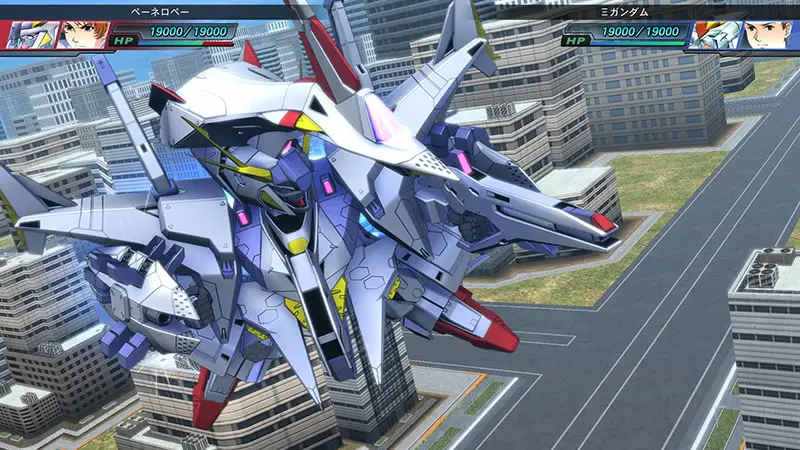
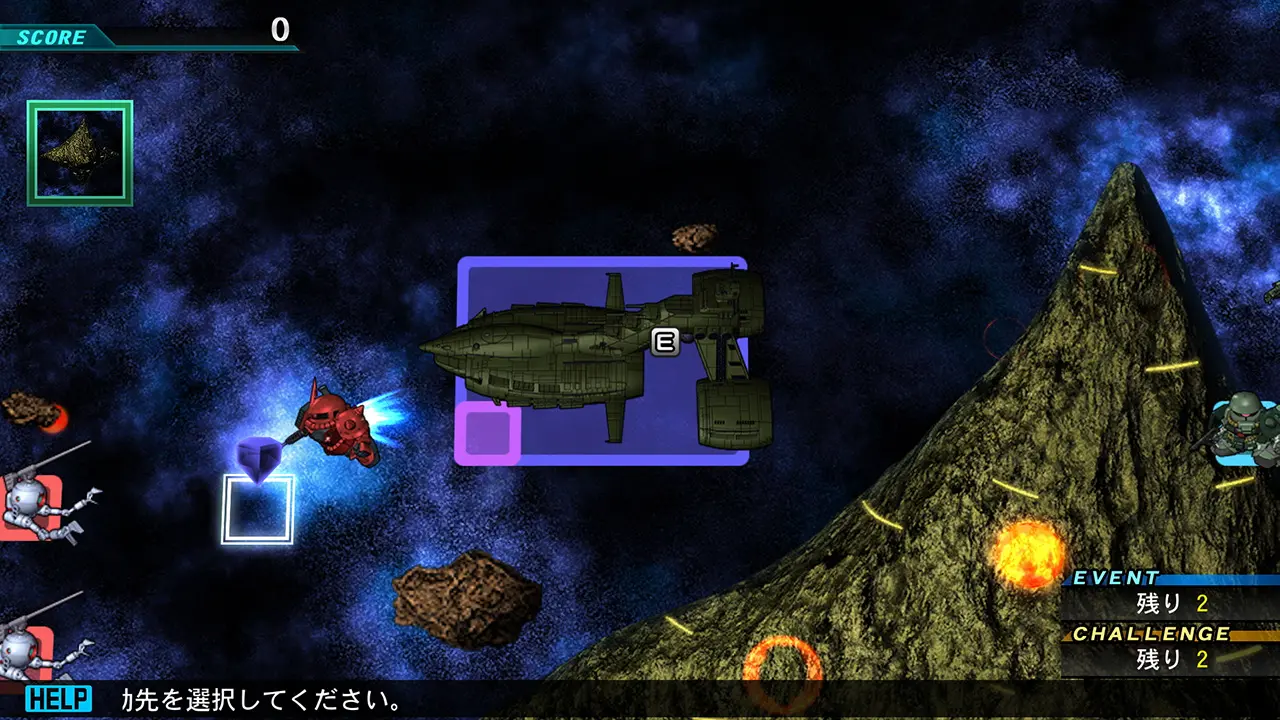
Combat follows the traditions of a turn-based tactical RPG. Mobile suits and warships operate across grid-based battlefields, where movement, attack range, and the order of actions shape every engagement. A powerful unit can still be placed poorly, and a careful formation can reduce the pressure created by a stronger opposing force.
Positioning matters because units do not fight in a vacuum. Keeping allies within useful locations, accounting for the space between forces, and deciding when to commit an attack are essential parts of each turn. Terrain is another consideration before engaging an opponent, adding a practical reason to look beyond the most immediate target.
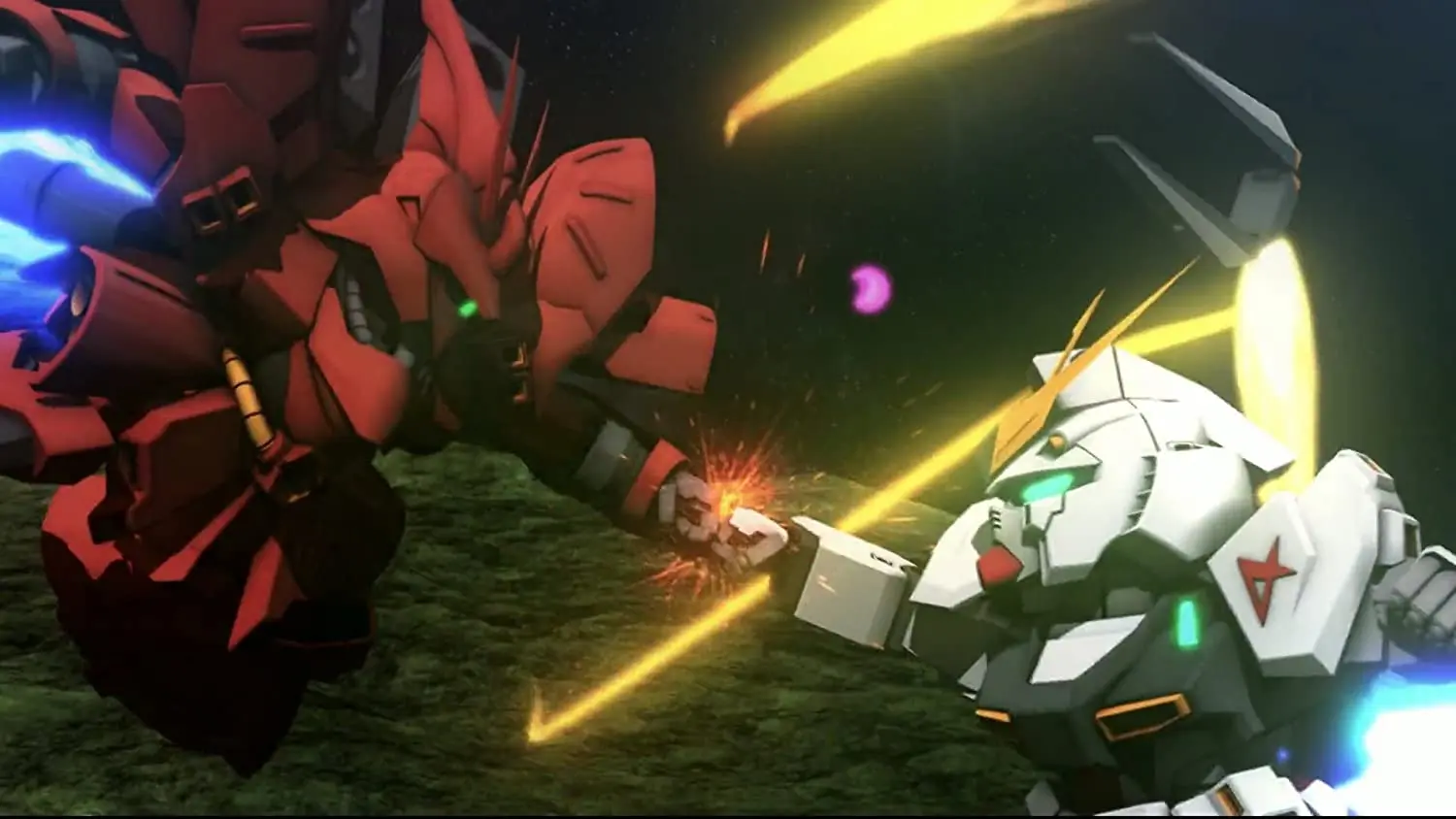
Warships add another layer to the command structure, while mobile suits provide the more individual tactical pieces. The battlefield can therefore feel like a fleet operation rather than a sequence of isolated duels. Dynamic battle animations accompany attacks, giving the action a visual payoff after the slower work of planning movement and selecting targets.
The pace rewards patience. Rushing forward without checking enemy capabilities can leave units exposed, while a measured advance gives a squad more control over where and when fights happen. The strongest decisions are often made before an attack animation begins.
Building a Squad of Mobile Suits and Pilots
Progression centers on recruiting and developing mobile suits and pilots. A growing roster gives players room to experiment with combinations, but it also makes team building a genuine strategic task. Unit types can serve different purposes: some are more suitable for close combat, others are better at range, and support-focused options can help a broader formation function effectively.
Pilot skills matter alongside the machine itself. Assigning a pilot to a compatible mobile suit and considering the relationship between individual abilities and unit roles can improve a team’s performance. This encourages players to think in terms of squad synergy rather than simply fielding a collection of favorites.
Units and pilots can be upgraded as the game progresses, and mobile suits can also be combined and evolved into stronger forms. Those systems make development more than a numerical exercise. A main squad can be shaped gradually, with attention given to the machines that consistently contribute in battle and the pilots who best support the intended plan.
An extensive unit encyclopedia supports the game’s interest in lore and statistics. It gives the roster added context while also fitting the detail-oriented nature of a strategy game built around comparison, development, and customization.
Five Tactical Priorities for Early Missions
- Build balance early. Develop a squad with a mix of close-range, ranged, and support-minded roles instead of relying on one approach to every encounter.
- Upgrade with purpose. Improve the mobile suits and pilots that form the core of the team, since regular development can make later missions more manageable.
- Read enemy stats. Check an opponent’s strengths and weaknesses before committing to combat, especially when a direct attack could place a unit at risk.
- Use terrain and spacing. Consider terrain advantages and keep formation in mind; effective positioning can matter as much as raw unit strength.
- Follow the objective. Review mission objectives and adjust the plan to fit them rather than treating every map as a straightforward elimination battle.
These priorities do not remove the need to adapt. Different maps, enemy formations, and objectives can change the value of a unit or position. The useful habit is to treat each mission as a new tactical problem while continuing to strengthen the squad between battles.
Language and Release Information for the Switch Version
The listed language support for SD Gundam G Generation Genesis for Nintendo Switch NSP XCI includes English, Japanese, Korean, Taiwan, and Chinese. Its regional designation is Asia/JPN. For a game that moves through a substantial range of Universal Century material, the availability of English language support is particularly relevant for players looking to follow its story material and menu-driven strategy systems in English.
Japanese language, Korean language, Taiwan, and Chinese are also included in the listed options. Alongside the Asia region and JPN designation, these details identify the release as one designed for a broad set of players in its listed markets. The game remains focused on the same central proposition across those options: command a developing force, revisit Universal Century conflicts, and make each grid-based decision count.