Touhou Genso Wanderer – FORESIGHT Switch NSP

Report Link Error
Select the broken download file, then submit the report.
Screenshots
About Game
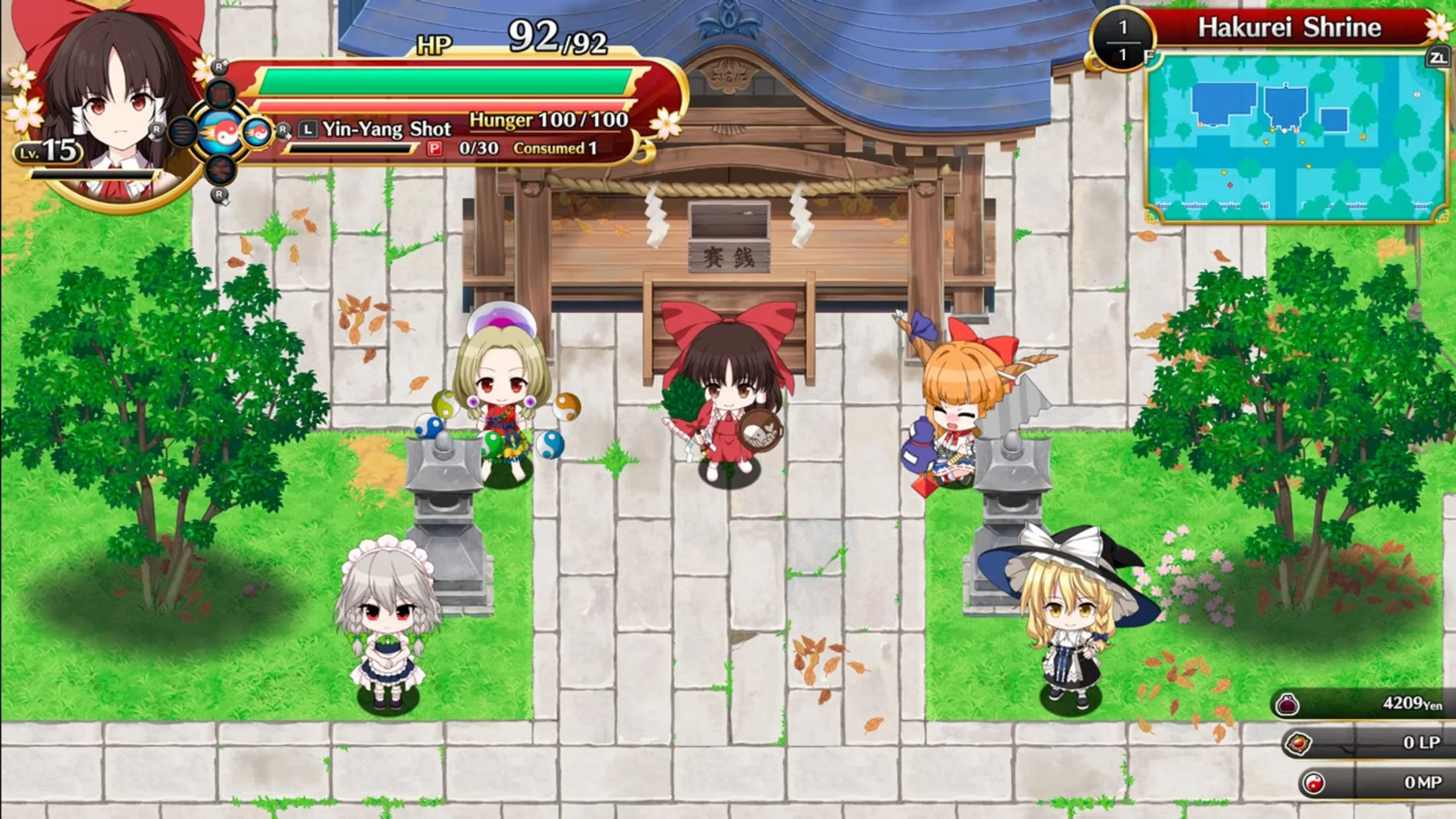
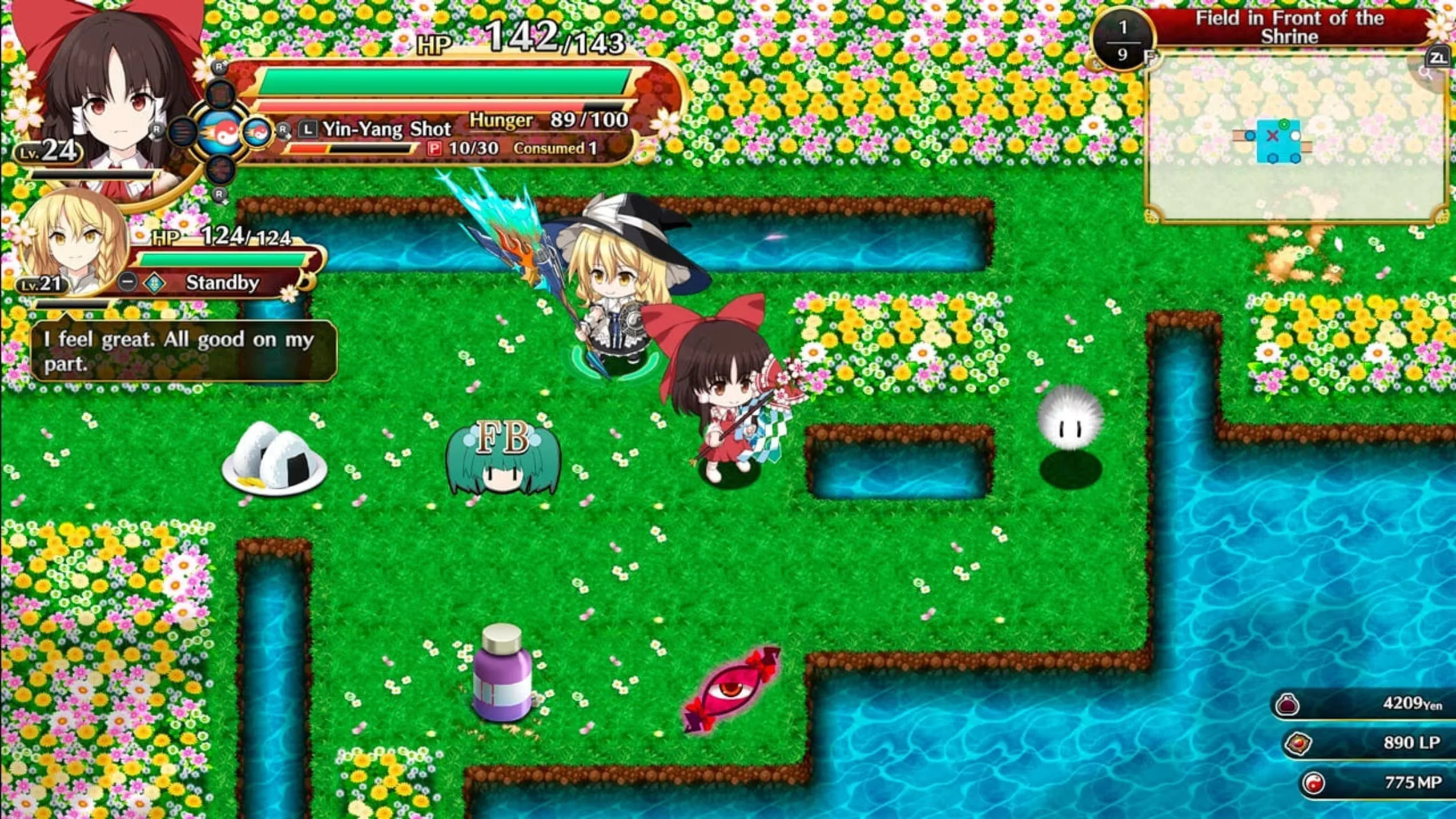
Touhou Genso Wanderer – FORESIGHT Switch NSP sends Reimu Hakurei into another unsettled corner of Gensokyo, where a newly appeared tower has become the center of a growing crisis. Released on September 19, 2024, this Adventure/RPG from Phoenixx frames its mystery through roguelike dungeon exploration, turn-based decisions, and a familiar cast whose abilities can change the shape of each expedition.
Gensokyo’s New Mystery: The Foresight Tower Incident
The trouble begins with the sudden arrival of the Foresight Tower. Its presence brings an uneasy atmosphere to Gensokyo, with strange anomalies spreading across the land and ordinary expectations giving way to unpredictable outcomes. Reimu Hakurei, Gensokyo’s shrine maiden, is drawn into the investigation as the tower’s influence becomes harder to ignore.
The central Gensokyo incident is not simply about an unexplained structure. The tower is tied to a phenomenon in which people’s futures are being manipulated, creating chaos and unforeseen events. That idea gives the adventure a useful tension: the party is not only descending through dangerous floors, but also trying to understand why events across Gensokyo have begun to move in unnatural directions.
Reimu is joined by Marisa Kirisame and other Touhou figures as the investigation develops. The search leads into the tower itself, where the route forward is rarely fixed for long. The result is a story built around discovery, shifting circumstances, character encounters, and the effort to identify the force responsible for the disturbance.
A Roguelike Dungeon Crawl Built Around Changing Runs
The game’s dungeon crawling is shaped by procedurally generated dungeons. Layouts change between runs, and the path through a dungeon can bring different enemies, traps, items, and discoveries. This structure makes each attempt feel less like a memorized route and more like a fresh assessment of the situation.
That changing design supports the roguelike adventure format well. A promising run can become complicated after an unexpected trap or a difficult enemy encounter, while a useful item or piece of equipment can create an opening where none seemed available. Exploration is therefore more than moving toward the next floor; it is a continuing process of judging risk, preserving resources, and deciding when to push forward.
Progression is closely tied to what a run provides. Items, equipment, and powerful Fusions can influence how a party handles later challenges, while hidden secrets and unlockable content give exploration an additional purpose. The tower’s shifting nature also suits the premise: a place connected to altered futures should not feel entirely dependable from one descent to the next.
- Read the floor: Changing layouts, traps, and enemy placements make early observation valuable.
- Respect resources: Item management and inventory decisions can determine whether a difficult stretch remains survivable.
- Study opponents: Learning enemy patterns helps turn dangerous encounters into manageable ones.
- Build around strengths: Character abilities, stats, and partner skills can support different tactical plans.
- Know when to retreat: Moving to a safer floor can be the smarter response when a run becomes too risky.
Turn-Based Battles Where Every Step Matters
Combat uses a turn-based structure that gives movement and positioning real weight. Advancing carelessly can place a character in a poor spot, invite pressure from several enemies, or leave too little room to respond to a trap. The measured pace encourages players to think ahead rather than treating dungeon rooms as simple obstacles between story scenes.
Strategic gameplay comes from reading enemy patterns and considering the immediate consequences of each action. A single step can change the distance between allies and opponents, affect the usefulness of a skill, or force a decision about whether to spend an item now or save it for a later problem. The game’s difficulty is connected to that caution: preparation matters, and an unprepared advance can be costly.
Boss encounters reinforce the same approach. These stronger foes are presented as tests of tactical understanding, asking players to make practical use of their party, equipment, and available resources. Rather than relying on one solution for every floor, the game encourages adaptation to the enemies and conditions a run presents.
Reimu, Marisa, and a Wider Cast of Touhou Characters
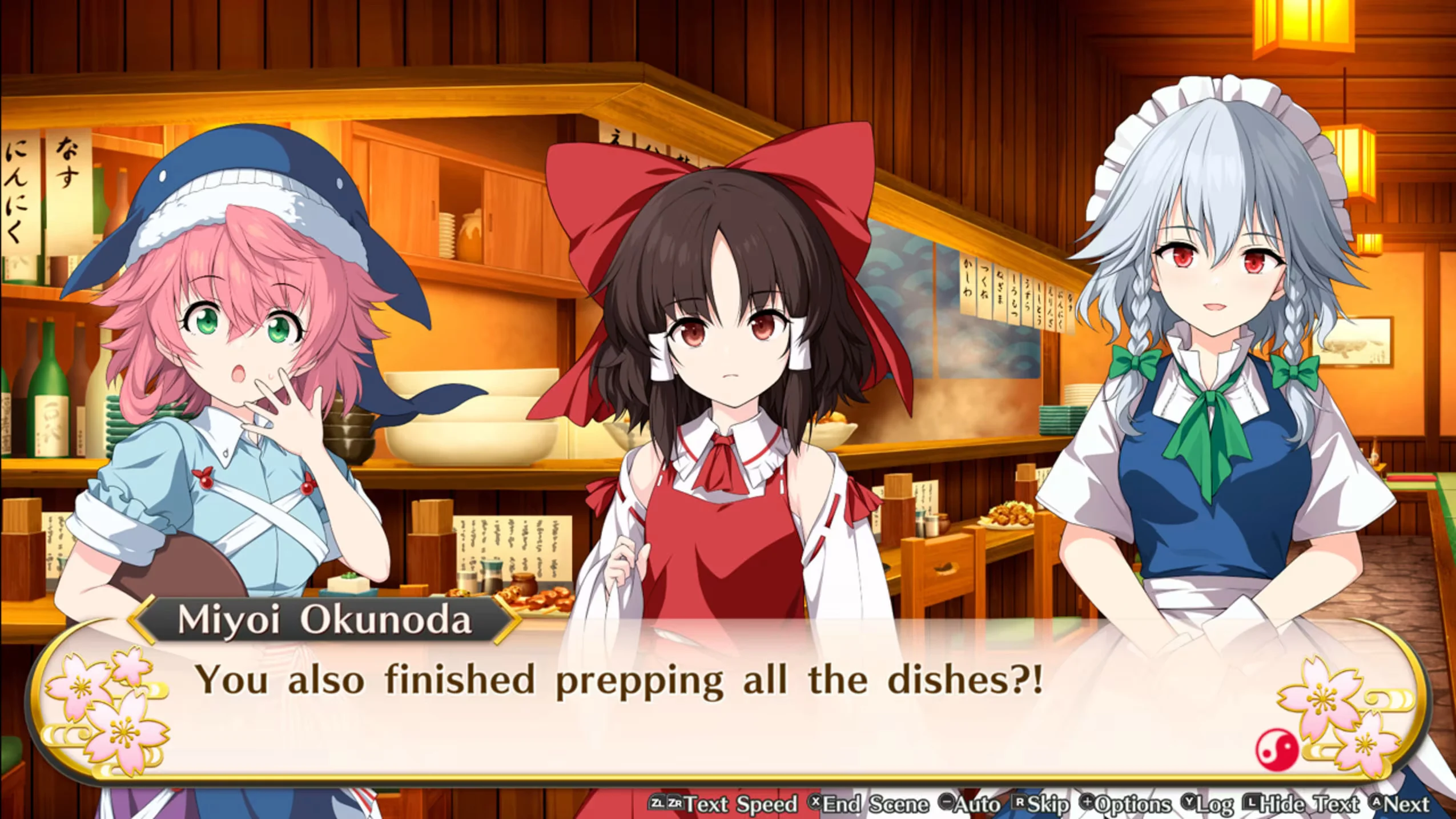
Reimu remains the main figure in the investigation, but the story is not carried by her alone. Marisa Kirisame is a key companion, and the journey includes both familiar and new Touhou characters with their own motivations and parts to play in the mystery. Their conversations provide room for witty dialogue and character interaction amid the tension surrounding the tower.
In play, the cast matters for more than narrative recognition. Different characters have distinct abilities and stats, giving them different practical uses in a dungeon. One party arrangement may be better suited to a cautious, resource-focused approach, while another may support a more direct response to enemies and boss fights.
This blend of story roles and mechanical identity helps the wider roster feel relevant. Characters are part of the search for answers in Gensokyo, but they are also tools for solving the changing problems created by the dungeon structure.
Party Building, Partner Skills, and Flexible Strategies
Party customization gives players room to adjust their approach as they learn the tower’s demands. Characters can be swapped, and a party can be recruited and customized around preferred abilities, stats, and tactical needs. Because dungeon conditions do not remain consistent, flexibility has clear value.
Partner skills add another layer to combat planning. Using them effectively can support a party during difficult encounters, especially when enemies, traps, and limited resources begin to overlap. Character combinations are not presented as a single fixed answer; experimentation is part of the appeal, with different setups opening different strategic possibilities.
That flexibility also strengthens replay value. Procedurally generated dungeons already ensure that runs do not unfold in exactly the same way, and the ability to try alternate party compositions gives players another reason to revisit the tower. Touhou Genso Wanderer – FORESIGHT Switch NSP is consequently suited to players who enjoy learning from failed or difficult expeditions and returning with a revised plan.
How Altered Futures Drive the Touhou Story
The manipulated futures at the heart of the story give the adventure more direction than a simple tower climb. As Gensokyo falls into disorder, Reimu and her companions must determine how the Foresight Tower is connected to the phenomenon and who is behind it. Each descent is part of that larger search for the source of the chaos.
The premise also complements the game’s changing-run design. A world where futures are being interfered with naturally supports uncertainty, unexpected developments, and a sense that familiar circumstances may no longer be reliable. Between the tower’s unstable challenges and the cast’s differing perspectives, the story has room for both mystery and character-driven exchanges.
For players interested in Touhou characters, tactical turn-based combat, and dungeon runs that demand patience, the game’s appeal lies in that combination. Gensokyo is facing a problem that cannot be solved by rushing forward alone; it requires observation, adaptable party choices, and a willingness to confront the consequences of every step.