Lost in Random Switch NSP
Report Link Error
Select the broken download file, then submit the report.
Screenshots
About Game
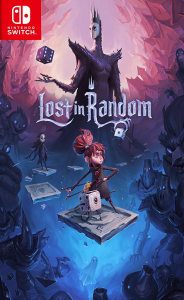
Lost in Random Switch NSP arrived on Nintendo Switch on September 10, 2021, bringing Electronic Arts’ action-adventure tale to a darkly whimsical kingdom where a dice roll can decide a person’s future. It follows Even, a girl from the poor district of Onecroft, as she searches for her sister Odd after the ruling Queen takes her to Sixtopia. Accompanied by Dicey, a living dice with a crucial role in both the story and combat, Even crosses the strange realms of Random to challenge the system that has shaped the kingdom.
Lost in Random on Nintendo Switch: Game Overview
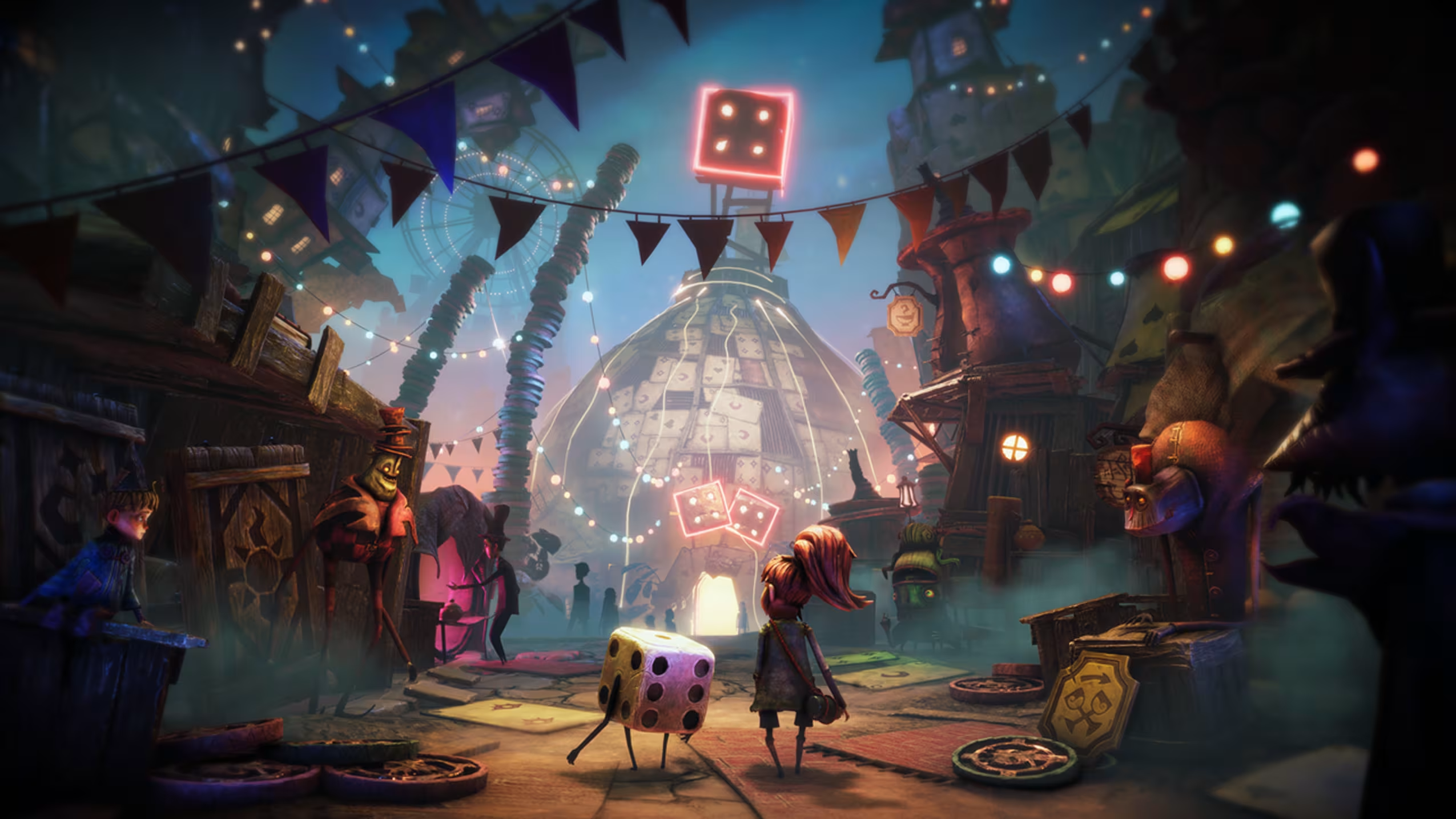
Released in 2021, Lost in Random is an Electronic Arts action-adventure built around a memorable premise: in the Kingdom of Random, every child receives a dice roll at age twelve, and that result determines the district in which they will live. The kingdom is divided into six areas, from Onecroft through Sixtopia, and the Queen’s authority hangs over them all.
Even’s journey begins with a personal goal—rescuing Odd—but expands into a confrontation with the Queen and the mystery surrounding dice that have been outlawed. Dicey becomes her companion along the way, giving the adventure a playful counterpoint to its grim setting. The result is a game that mixes story exploration, environmental puzzles, unusual inhabitants, and combat driven by chance without leaving strategy behind.
For players looking for a Nintendo Switch adventure with a clear single-player narrative and an unconventional battle system, Lost in Random Switch NSP presents a world where timing and decision-making matter as much as the roll itself.
How Dicey Rolls Drive Combat Strategy
Lost in Random combat combines direct movement with a card-based tactical layer. During encounters, Even gathers energy crystals from enemies. That energy is needed to roll Dicey, and each roll produces randomized combat cards that can be used for attacks, abilities, traps, or summoned companions.
This structure gives combat a changing rhythm. Instead of using a fixed set of moves in the same order, players must respond to the cards available after each Dicey roll. A useful hand may encourage an aggressive play, while another roll may call for patience, repositioning, or a different use of the battlefield. The random element affects the options on hand, but the player still chooses when to roll, which card to spend, and how to make those cards work together.
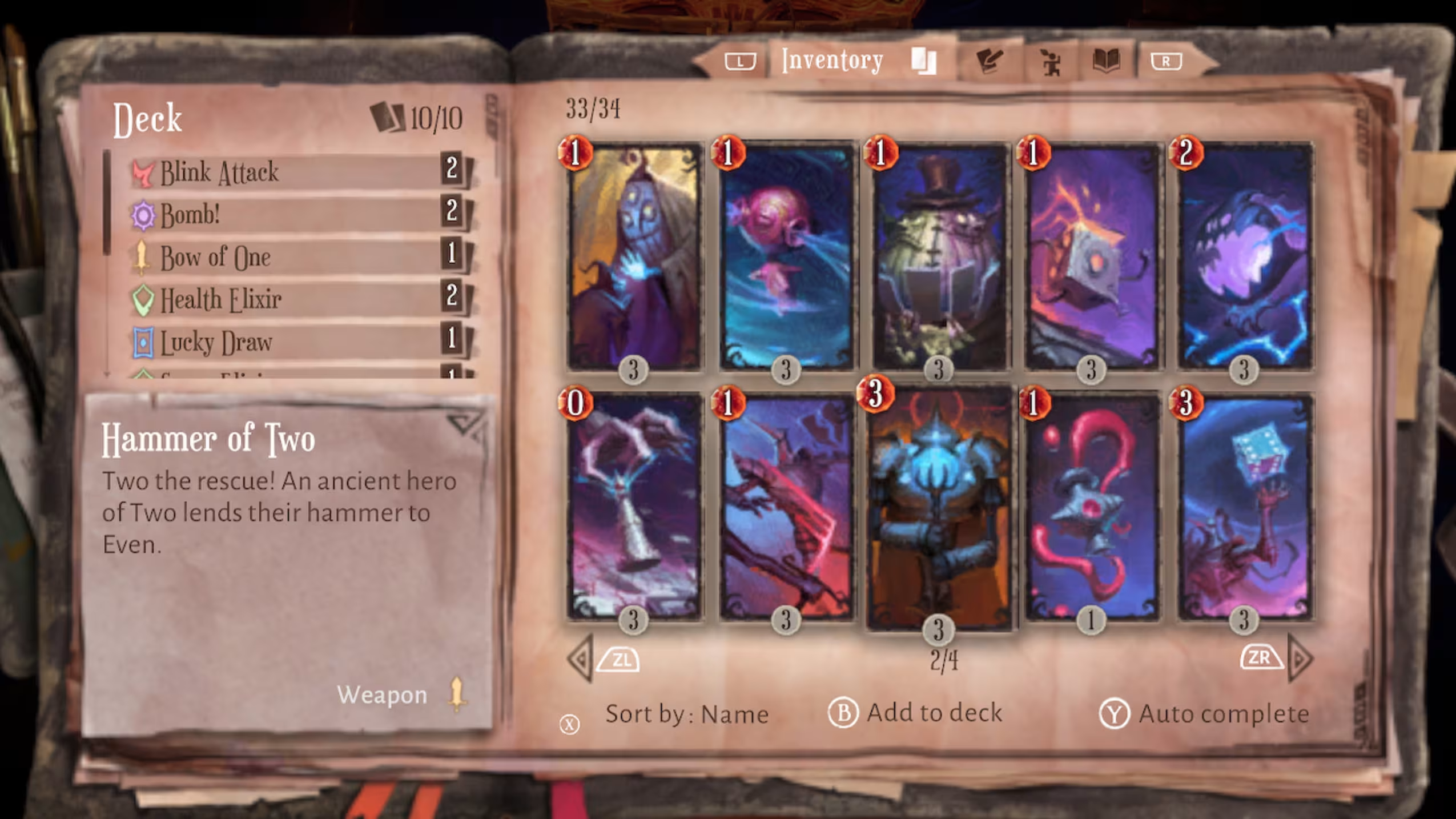
Cards are collected into a deck, making deck choices part of the combat strategy. Experimenting with different selections can help shape a preferred approach, from relying on attacks to using traps or companion-related effects. The game’s tactical identity comes from balancing immediate danger against the potential value of another roll.
Real-Time Movement and Tactical Positioning in Battles
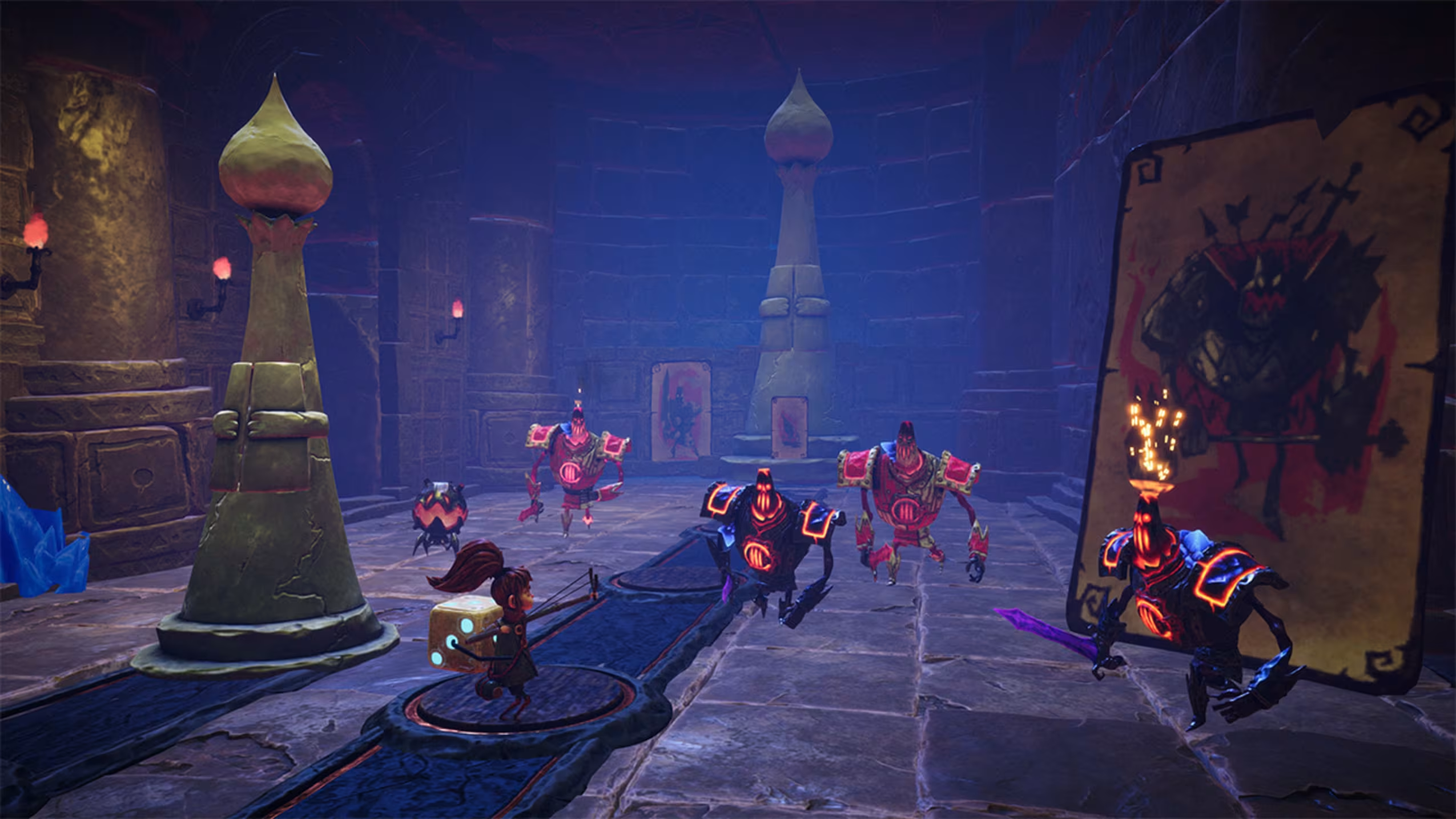
The card system does not replace action. Even must move through battles in real time, avoid incoming attacks, and collect the energy crystals required for Dicey’s rolls. Dodging is therefore not just a defensive tool; it creates room to continue building energy and prepare the next tactical decision.
Positioning is equally important. Since combat cards can deliver attacks, deploy traps, or summon help, their value depends in part on where Even is standing and where enemies have gathered. A player who rolls Dicey at the wrong moment may be exposed, while a well-timed roll can turn collected energy into a useful response.
This mixture of movement and planning keeps encounters from being purely luck-driven. Dicey introduces uncertainty, but Even’s actions remain central: keep moving, avoid danger, collect resources, and decide when the available cards justify committing to a play. The best moments come from treating the battlefield as more than an arena for simple attacks.
Exploration, Environmental Puzzles, and Eccentric Inhabitants
Outside combat, the adventure takes Even and Dicey across the kingdom’s six distinctive realms. These areas support the game’s story of a society divided by dice results, while giving the journey a varied route through the unusual world of Random. Exploration includes finding secrets, meeting eccentric characters, and working through environmental puzzles.
The puzzle-solving side complements the action rather than competing with it. It slows the pace, asks players to observe the environment, and gives the setting room to develop beyond its battles. Conversations with the kingdom’s inhabitants also reinforce the offbeat character of the world, which is full of strange personalities shaped by its bizarre rules.
That balance makes the adventure suitable for players who want more than continuous combat. Even’s search for Odd provides the forward momentum, while puzzles and exploration create pauses for discovery. The game’s progression is tied to moving through new realms, uncovering secrets, and developing a stronger understanding of the Queen’s kingdom and its missing dice.
Why Lost in Random’s Dark Fairytale Art Style Stands Out
The visual identity of Lost in Random is one of its defining features. Its world is gothic-inspired, but not limited to gloom. The presentation combines grim imagery with whimsical design, creating a dark fairytale atmosphere that fits the story’s blend of danger, humor, and eccentricity.
Random is ruled by a tyrannical Queen and organized around a ritual that determines a child’s life with one throw, so the uneasy mood has a clear narrative purpose. The unusual architecture, strange districts, and memorable inhabitants make the setting feel tied to that oppressive system rather than simply decorative.
Dicey also helps establish the tone. A sentient dice companion is naturally odd, but in this world it is also significant because dice have been outlawed. That contrast—something charming and playful carrying real narrative weight—captures the game’s dark fairytale aesthetic. It is a good fit for players drawn to stylized fantasy worlds with a gothic edge rather than realistic presentation.
5 Strategic Tips for Lost in Random Combat
- Gather energy first. Collect as many energy crystals as possible during encounters, since Dicey needs that energy before a roll can generate combat cards.
- Choose Dicey’s moment. Do not roll without considering enemy pressure and Even’s position. A safer moment can give more time to assess the randomized cards that appear.
- Test different decks. Combat cards can support attacks, companions, and traps, so experiment with a deck that matches the way you prefer to handle encounters.
- Look for combinations. Some cards work well together. Paying attention to those pairings can make a hand more effective than using every card separately.
- Upgrade useful cards. Improve cards when opportunities arise, particularly the ones that regularly support your preferred strategy and help make future battles more manageable.
The game’s replay value is rooted less in a fixed combat routine than in the changing cards created by Dicey’s rolls and the freedom to experiment with deck choices. Its combination of tactical decisions, real-time dodging, environmental puzzles, and a deliberately strange story makes it best suited to players who enjoy action-adventure games willing to make chance part of the plan.