The Long Dark Switch NSP
Report Link Error
Select the broken download file, then submit the report.
Screenshots
About Game
The Long Dark Switch NSP brings Hinterland Studio’s frozen survival adventure to Nintendo Switch, placing players in a world where preparation matters as much as movement. Released on September 17, 2020, this Adventure Game is both published and developed by Hinterland Studio, with a bleak Canadian wilderness serving as its central challenge. The pressure does not come from spectacle alone; it comes from the next decision, the next stretch of bad weather, and the supplies that may not last until morning.
The Long Dark on Nintendo Switch: Game Overview
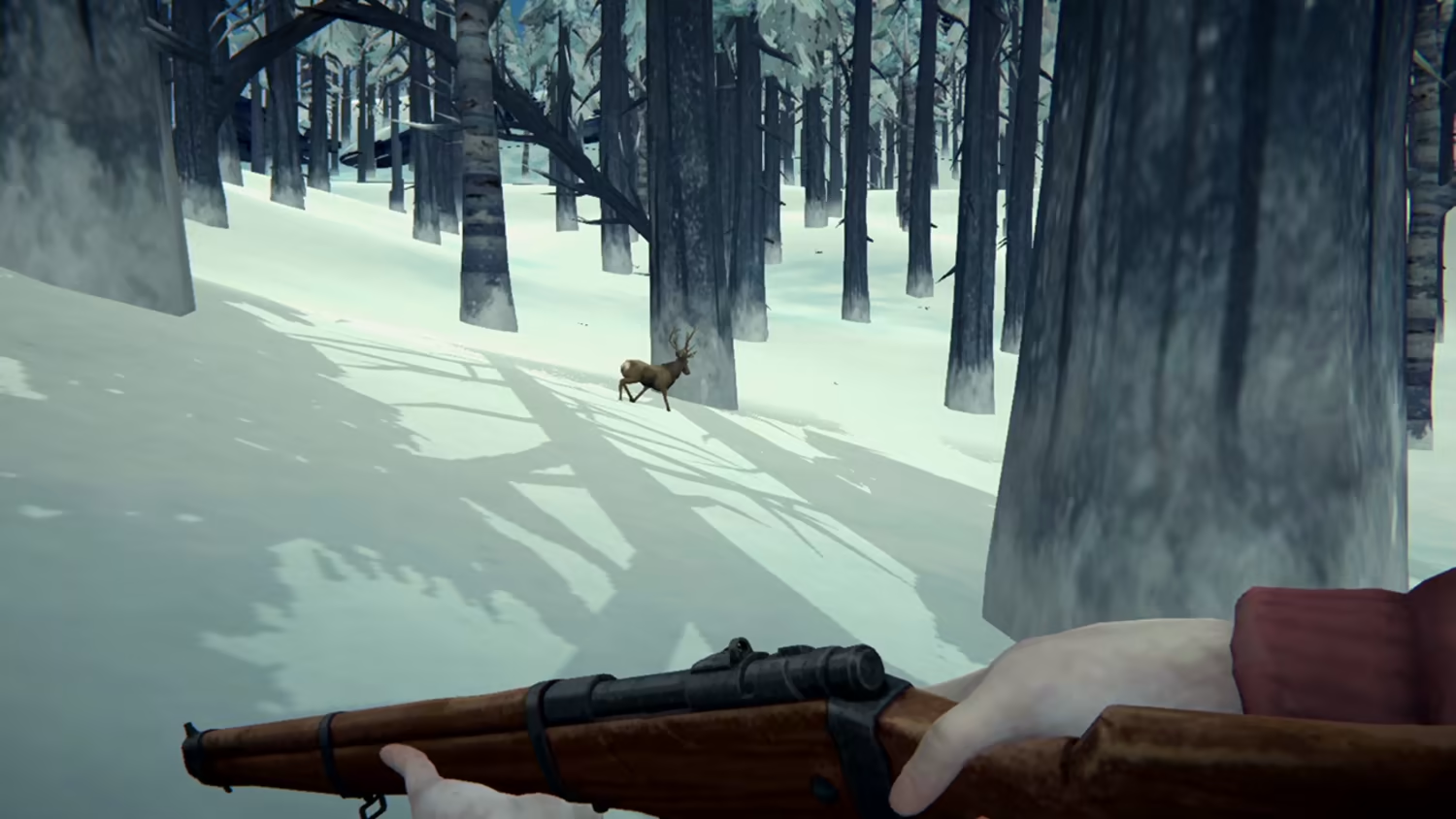
The Long Dark Switch presents survival as a measured, first-person journey through isolated, snowbound regions. Its adventure-game framing supports an experience built around exploration, difficult choices, and the slow accumulation of knowledge. A player may begin with little more than an immediate need for shelter, but the world steadily asks for broader planning: where to travel, which resources to carry, when to rest, and when to turn back.
Hinterland Studio handles both the publishing and development of the game, giving the experience a focused identity. The wilderness is not merely a backdrop for action. It is the main opposing force, made threatening by cold, limited resources, changing weather, and the distance between safe places. The atmosphere depends on quiet spaces, uncertain visibility, and the persistent awareness that a simple journey can become dangerous.
The release supports English, Japanese, Spanish, French, Italian, Russian, Taiwan, and Chinese language options across the USA and EUR regions. On Switch, the game’s deliberate rhythm suits players willing to spend time observing their surroundings rather than rushing through them.
A Silent Apocalypse in the Canadian Wilderness
The Long Dark story begins after a mysterious geomagnetic disaster disables modern technology. The result is a silent apocalypse in which survivors are cut off from familiar systems and left to face the environment with limited means. Instead of presenting a world rebuilt around the disaster, the game concentrates on its aftermath: cold landscapes, broken connections, and people trying to endure.
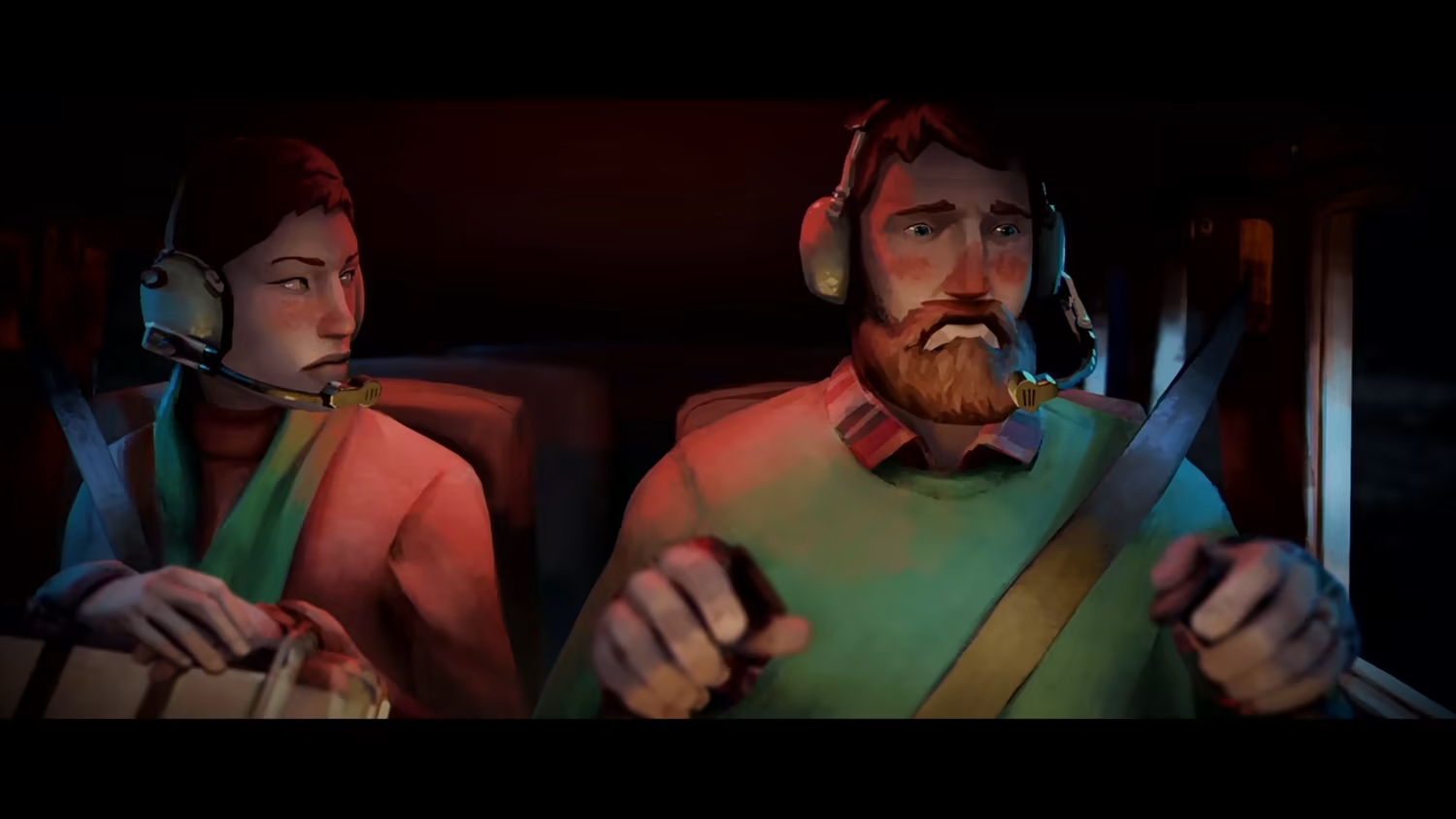
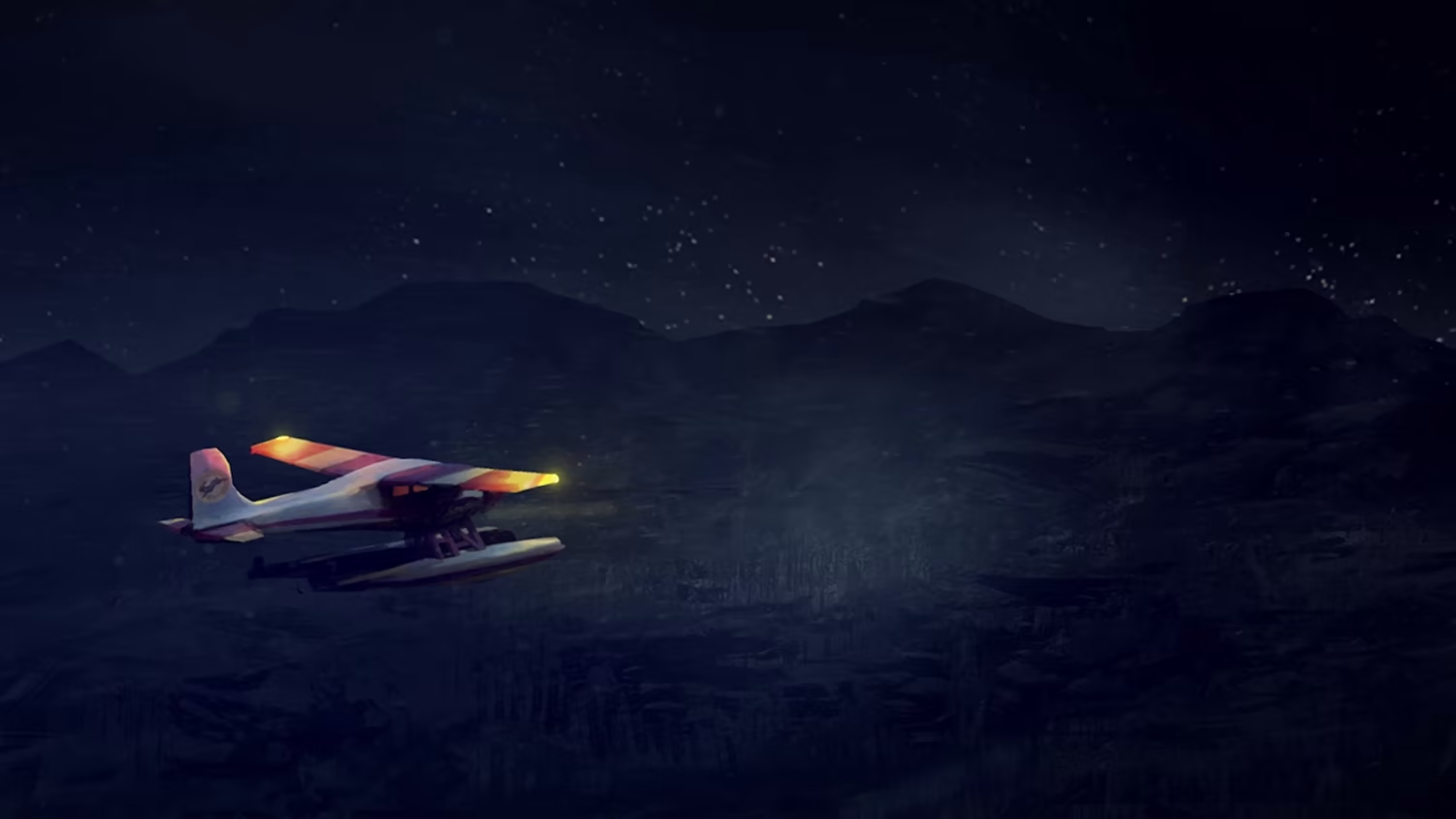
The story mode, Wintermute, follows bush pilot Will Mackenzie after a plane crash in the Canadian wilderness. Separated from his estranged wife, Astrid, Mackenzie searches for her while navigating harsh terrain and meeting other survivors. These encounters add human stakes to a setting already defined by isolation. Each person has their own problems and secrets, while the wider situation remains shaped by the failure of technology and the demands of daily survival.
This premise gives the game a restrained kind of drama. A geomagnetic disaster may be the cause of the crisis, but the immediate concerns are practical: finding a way through dangerous country, staying warm, and making it through another night. The Canadian wilderness feels vast because travel has consequences, especially when weather and fatigue begin to narrow the margin for error.
Managing Cold, Hunger, Thirst, and Fatigue
The Long Dark survival systems place the body at the center of every decision. Body temperature, hunger and thirst, fatigue, and health all require attention. A trip that looks productive on paper may become a mistake if it leaves too little energy for the return journey or exposes the player to worsening cold.
Warmth is especially important. Shelter, fuel, clothing, and sensible timing can make the difference between a manageable outing and a dangerous one. Blizzards, fog, and changing conditions mean that the safest route is not always the fastest route. Day and night also alter the pace of travel, encouraging players to think about where they will be when visibility falls or the weather turns.
Food and water are not passive counters to refill whenever convenient. They are part of a wider routine that includes gathering supplies, conserving effort, and judging risks. Rest restores a necessary resource, yet stopping in the wrong place can create new problems. The game’s tension comes from these connected needs: cold can force a retreat, fatigue can limit exploration, and a poor supply decision can reshape the next day’s plan.
Exploration, Scavenging, and Crafting for Survival
The wilderness exploration loop is built around interconnected regions and the resources scattered through them. Players search for useful supplies such as food, water, fuel, and materials, while also harvesting natural resources including wood, plants, and animal carcasses. Every discovery has potential value, but carrying too much and traveling too far can introduce its own risks.
The Long Dark crafting supports a practical progression rather than a flashy one. Materials can be turned into tools, clothing, and repair items that improve a survivor’s chances in the cold. Repairing equipment matters because worn gear can undermine plans that depend on warmth, travel, or access to essential resources. The same is true of clothing: it is part of the player’s protection against a hostile climate, not just a cosmetic choice.
Resource management gives scavenging a cautious edge. A useful cache of supplies may justify a difficult route, while an empty building or poor weather can make the same journey costly. The game encourages players to learn the terrain, identify safer zones, and maintain an awareness of what is needed for the return trip. Its first-person presentation helps keep that attention close to the ground: a shelter, a path, a source of fuel, or an approaching threat can all matter immediately.
Sandbox Mode and Open-Ended Survival Challenges
Beyond Wintermute, The Long Dark Switch NSP includes Sandbox mode, an open-ended survival alternative focused on enduring as long as possible. Rather than following the story of Mackenzie and Astrid, players face the broader challenge of making a life in different wilderness regions under variable conditions.
Sandbox mode strengthens replay value through its uncertain combination of weather, available resources, travel choices, and wildlife danger. Dynamic conditions can change how a region feels from one attempt to the next. A familiar area may become more difficult when a blizzard closes in, when supplies are scarce, or when a long route requires more energy than expected.
This mode is suited to players who enjoy creating their own survival goals. There is room for careful exploration, cautious stockpiling, and repeated attempts to improve decision-making. Its appeal lies less in a fixed ending than in the ongoing question of how long a survivor can adapt.
7 Early Survival Priorities in The Long Dark
- Find shelter first. A protected place provides a foundation for planning, resting, and responding to cold weather rather than reacting to it in the open.
- Protect your warmth. Watch body temperature closely, use clothing and fuel wisely, and treat blizzards as serious threats rather than minor delays.
- Secure water and food. Scavenge supplies and use natural resources with an eye on immediate needs as well as the next journey.
- Respect fatigue. Energy affects what can safely be attempted. Rest before a difficult route becomes an exhausting return through worsening conditions.
- Conserve effort. Travel with purpose, avoid unnecessary detours, and remember that every trip needs enough strength and resources for the way back.
- Maintain essential gear. Crafting and repairs help preserve the tools, clothing, and items that support longer-term survival.
- Weigh wildlife risks. Wolves and bears are dangerous encounters. Avoidance, preparation, and tactical judgment are often more valuable than impulsive confrontation.
The Long Dark is best suited to players who appreciate deliberate survival systems, quiet exploration, and a demanding wilderness strategy. Its frozen setting rewards patience, observation, and the ability to accept that retreating can be the smartest form of progress.