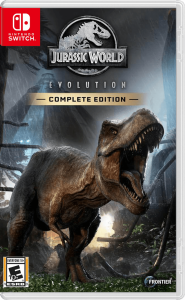
Jurassic World Evolution Complete Edition Switch NSP
Report Link Error
Select the broken download file, then submit the report.
Screenshots
About Game
Jurassic World Evolution Complete Edition Switch NSP brings FRONTIER’s dinosaur park-management adventure to Nintendo Switch, placing the pressure of running a prehistoric attraction in the player’s hands. Released on November 03, 2020, this Complete Edition presents a management experience built around ambitious construction, scientific research, guest expectations, and the unavoidable risks of keeping dinosaurs behind fences.
Jurassic World Evolution Complete Edition on Nintendo Switch: Game Overview
Jurassic World Evolution Nintendo Switch is framed as a park-building adventure with a clear Jurassic World identity. Players are not simply arranging decorative attractions; they are responsible for facilities, dinosaur welfare, safety measures, research projects, and the financial demands of a functioning visitor destination. The appeal comes from balancing those competing needs while watching a custom park become increasingly busy and unpredictable.
Developed and published by FRONTIER, the game is available across the USA, EUR, and JPN regions. Its listed language options are English, Japanese, Portuguese, Spanish, and French. The Complete Edition also incorporates the base experience alongside additional content and expansions, giving its campaign structure more scenarios and dinosaur-focused challenges to explore.
The atmosphere shifts between wonder and tension. A newly created dinosaur can be a major attraction, but it is also an animal with distinct requirements. A park that looks successful from a distance can quickly become difficult to manage when storms, equipment failures, or containment problems interrupt normal operations. That push between spectacle and responsibility defines much of this FRONTIER game.
Managing Parks Across the Muertes Archipelago
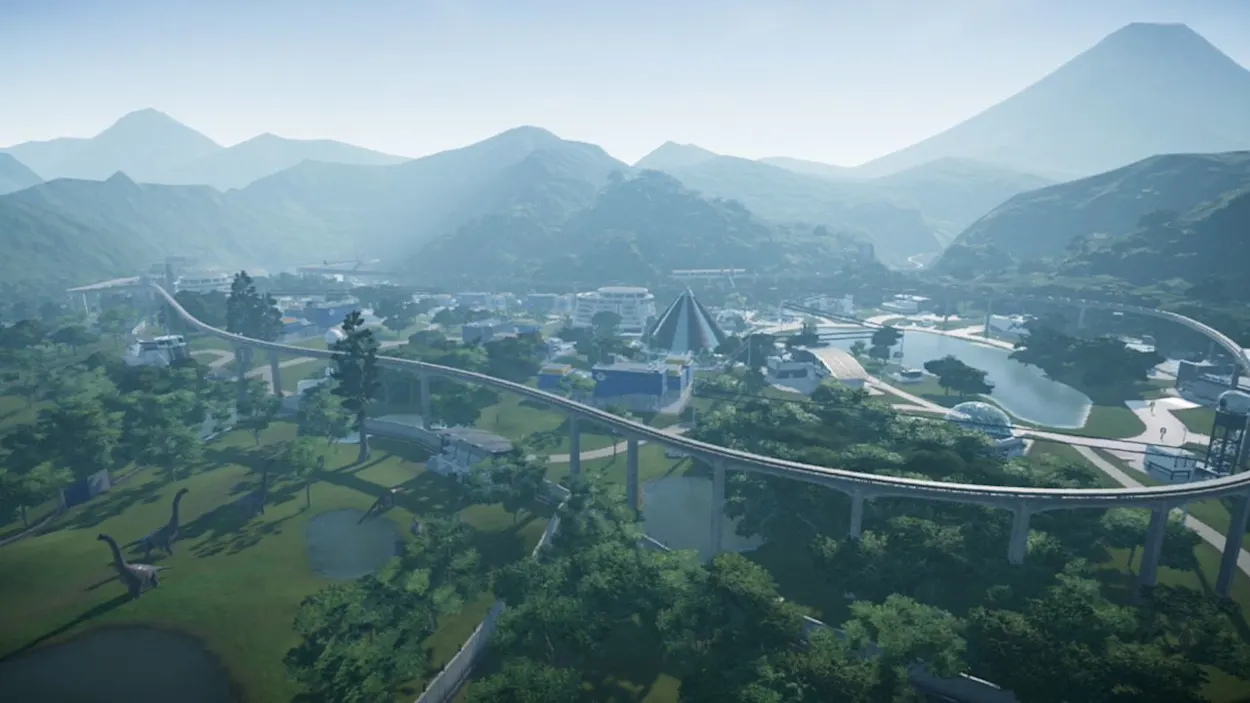
The central campaign places players in charge of operations across the Muertes Archipelago. Rather than treating every location as a blank copy of the last, the game uses its islands to introduce different conditions, demands, and opportunities. Progression involves moving through these settings while building a stronger understanding of how a Jurassic park needs to function.
Each of the Jurassic World Evolution islands asks the player to consider more than simple expansion. Available space, park ratings, dinosaur needs, guest services, and research choices all influence the direction of an operation. The result is a campaign that encourages adaptation. A strategy that works for one park may need adjustment when a new island presents a different set of problems.
That structure supports replay value in a practical way. Players can revisit park designs, improve earlier operations, pursue better ratings, or experiment with alternative layouts and management priorities. The management loop remains accessible in concept, but its interconnected systems leave room for careful planning and recovery when plans go wrong.
Building a Dinosaur Park From the Ground Up
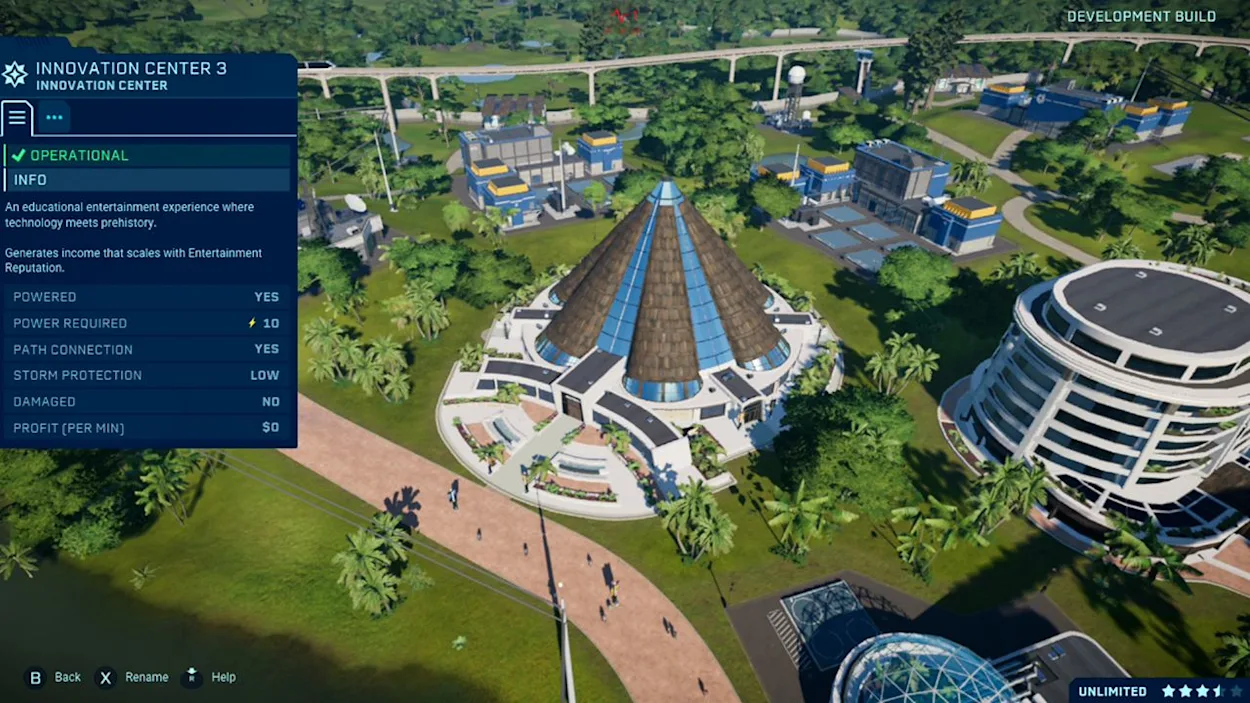
Jurassic World Evolution park construction begins with the essentials: places for dinosaurs to live, routes for visitors to move through the park, and the operational facilities needed to keep everything running. Dinosaur enclosures form the visual and practical center of each site, but they depend on a wider network of support structures.
Players can create visitor attractions, research facilities, power stations, and other park infrastructure. These choices shape both appearance and function. A successful layout must account for visitor satisfaction while also supporting staff activity, power needs, and dinosaur safety. Building is therefore not only about presenting a convincing prehistoric destination; it is about creating a system that can cope with the demands placed upon it.
- Containment first: Enclosures provide the space and boundaries needed to house dinosaur species safely.
- Visitor appeal matters: Attractions and amenities help support guest satisfaction within the park.
- Research drives growth: Facilities unlock access to new genes, buildings, and upgrades through research trees.
- Power keeps systems active: Power stations are part of the essential infrastructure behind daily operations.
- Emergencies test planning: Storms, dinosaur breakouts, and equipment failures can disrupt even a carefully arranged park.
The construction side suits players who enjoy seeing practical decisions take visible form. A new enclosure or facility is not merely a menu selection: it changes the rhythm of a park, expands its possibilities, and can create fresh responsibilities.
Dinosaur Care, Incubation, and Genetic Research
The dinosaur roster is central to the game’s sense of progression. Players can breed, incubate, and care for more than 60 prehistoric species, with each species bringing its own behaviors and needs. This gives dinosaur management a role beyond collecting impressive animals for display. Welfare and safety remain part of the daily workload.
Dinosaur incubation is tied to the broader research process. Expedition teams can be sent to excavate fossils, yielding DNA that supports the creation of additional dinosaurs. Fossil DNA research also connects to genetic engineering, allowing players to work with genes as part of their park-development decisions.
That scientific layer adds a measured sense of discovery. New species, genetic options, buildings, and upgrades are not all available at once. They are gained through research and continued progress, giving the campaign a steady flow of new management possibilities. The presentation of large prehistoric creatures remains an obvious attraction, but the game asks players to think about the systems required to keep those creatures cared for and contained.
Campaign Guidance From Ian Malcolm and Claire Dearing
The story framework draws on familiar Jurassic World figures, including Ian Malcolm Jurassic World Evolution guidance and the involvement of Claire Dearing. Missions provide direction as players expand their operations, while ethical choices help shape the wider management narrative. The tone is not limited to building a profitable attraction; it also acknowledges the consequences of creating and controlling dinosaurs.
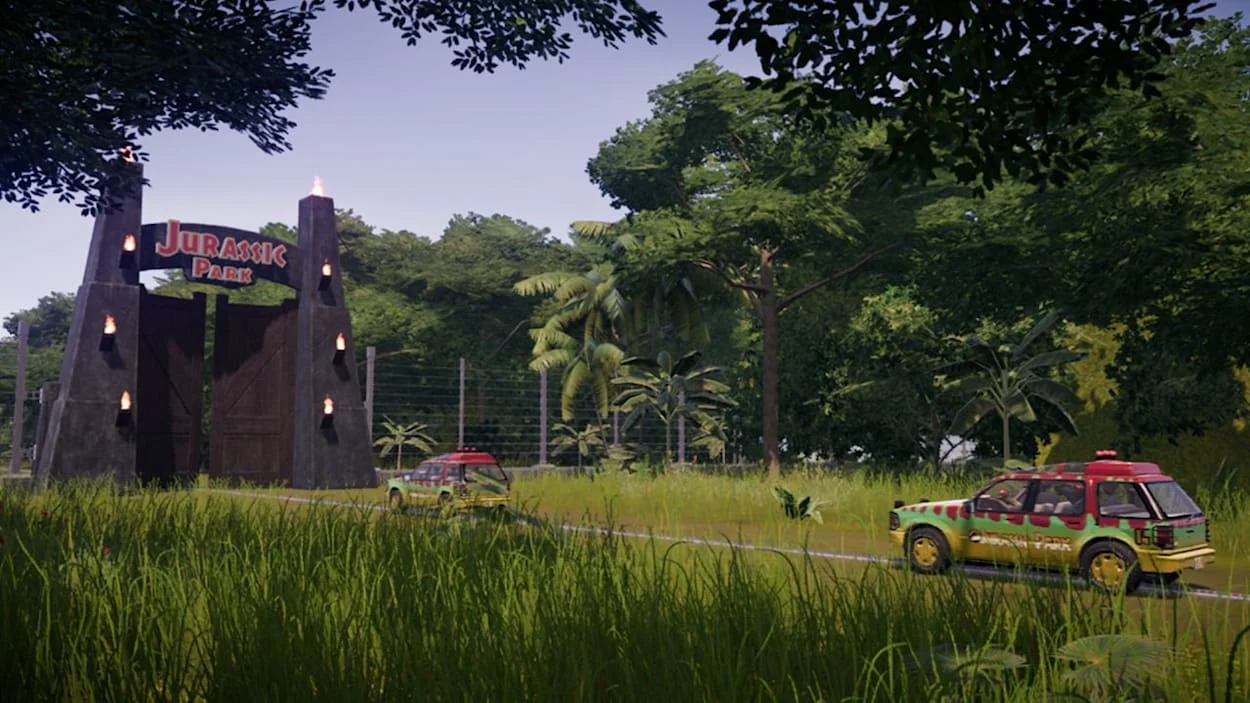
Claire’s Sanctuary adds story content involving Claire Dearing and efforts to save dinosaurs from an erupting volcano. Return to Jurassic Park takes the setting back to Isla Nublar and Isla Sorna after the original film, focusing on repairing and recreating recognizable park elements. These additions broaden the Complete Edition’s range of scenarios without changing the core emphasis on management, research, and dinosaur care.
For players who appreciate familiar characters but also want structured objectives, the campaign supplies a useful bridge between narrative context and hands-on decision-making. Missions give parks a purpose beyond free-form building, while the ethical dimension reinforces the series’ longstanding concern with scientific ambition and responsibility.
Nintendo Switch Edition Technical Details
For reference, the Nintendo Switch release uses Title ID 010050A011344000. The listed release date is November 03, 2020, with USA, EUR, and JPN regions noted. Supported languages are English, Japanese, Portuguese, Spanish, and French.
The listed firmware information is Base – v10.2.0 and Update – v12.0.1. The game is identified as an Adventure Game, though its moment-to-moment design centers on dinosaur park management, construction, research, and response to unexpected events. Jurassic World Evolution Complete Edition Switch NSP is therefore best suited to players drawn to Jurassic World’s dinosaurs and to the deliberate, occasionally stressful satisfaction of building an attraction that must remain safe, functional, and compelling.