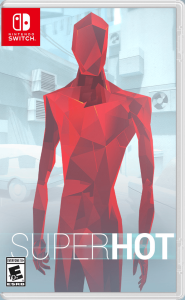
SUPERHOT Switch NSP
Report Link Error
Select the broken download file, then submit the report.
Screenshots
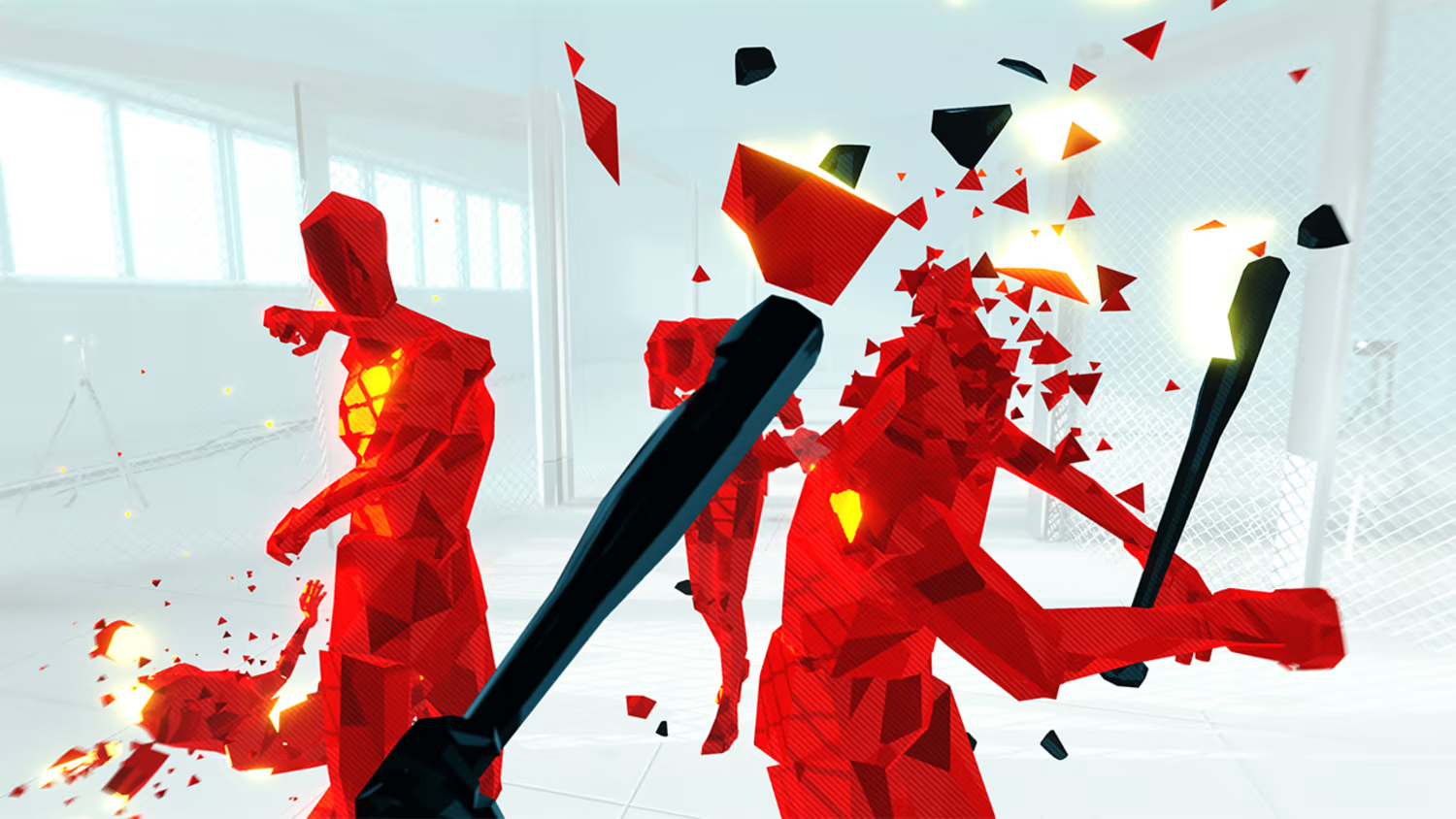
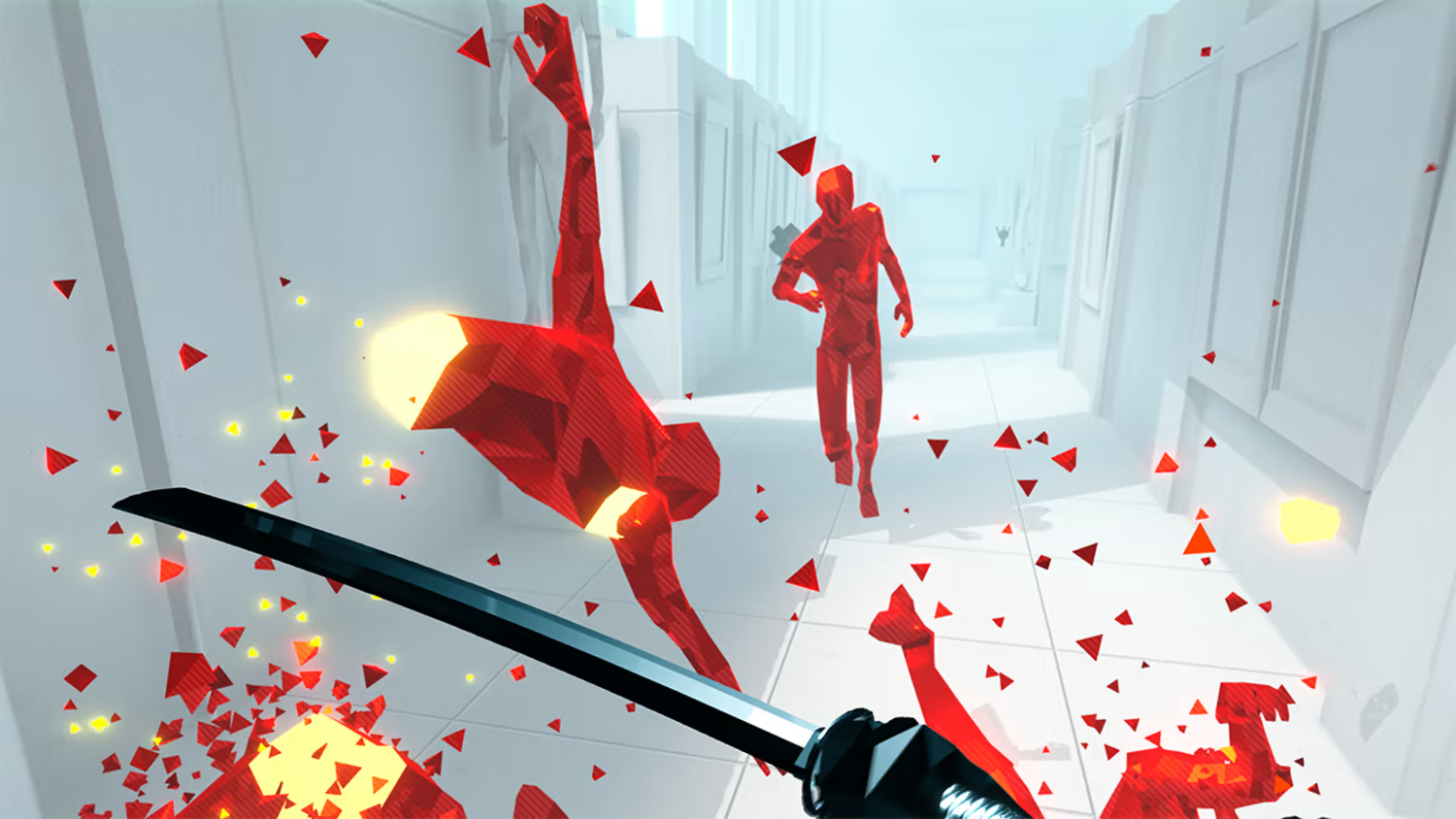
About Game
SUPERHOT Switch NSP brings SUPERHOT Team’s distinctive action shooter to Nintendo Switch with a simple rule that changes the feel of every fight: time advances only when the player acts. Released on August 19, 2019, this version turns firefights into tense, compact exercises in observation, timing, and controlled improvisation.
SUPERHOT on Nintendo Switch: A Strategic Action Shooter
SUPERHOT is classified as an action shooter, but its pace is very different from the usual run-and-gun formula. The essential challenge is not simply aiming quickly or firing first. It is reading a dangerous space, recognizing where opponents are positioned, and choosing the next movement without exposing yourself to an incoming shot.
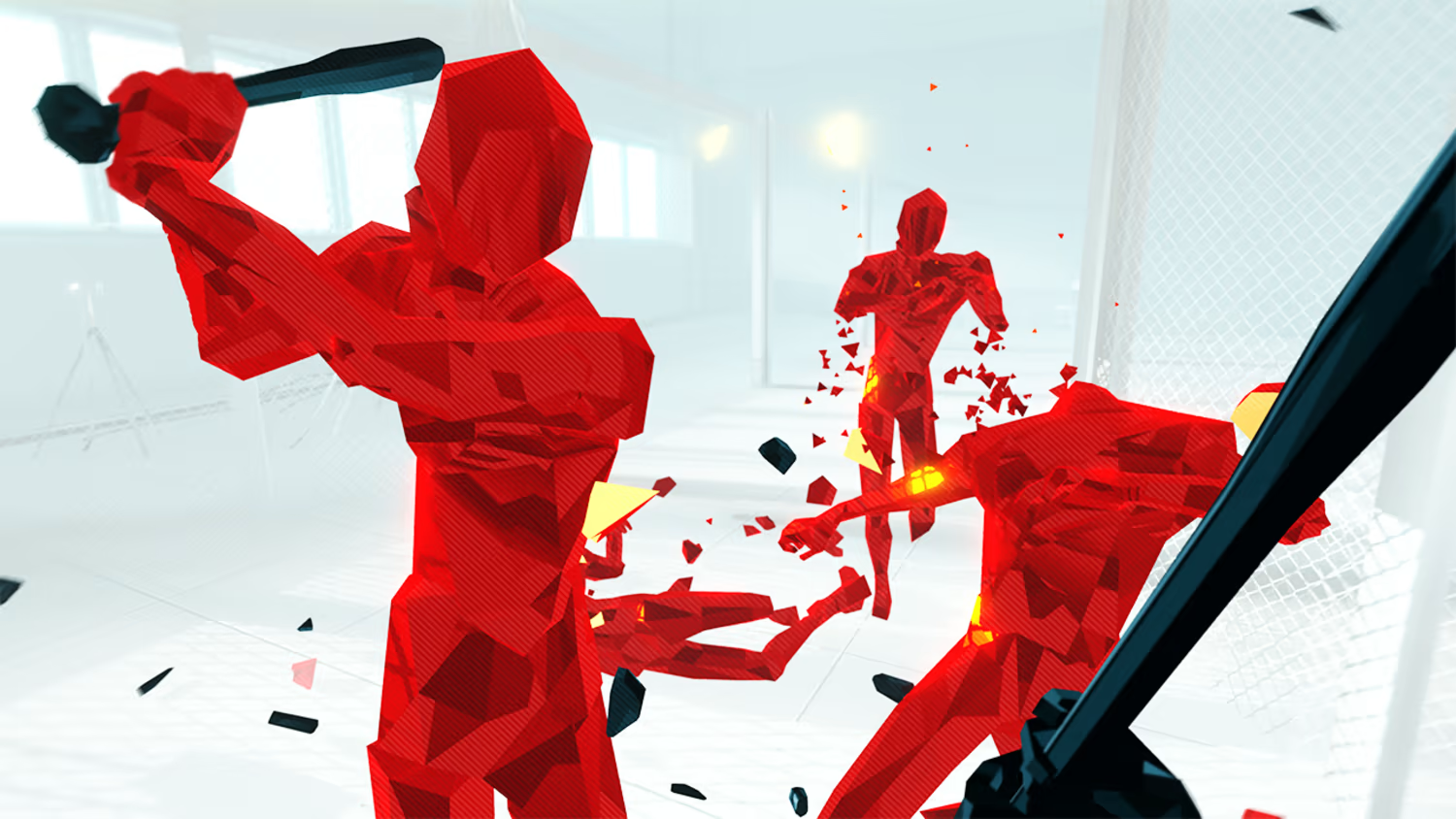
SUPERHOT Team frames combat through a stripped-back, focused presentation. The result is an atmosphere where enemy movement, weapons, objects, and bullet paths are easy to notice. That clarity matters because each encounter asks the player to make a chain of small decisions under pressure. A step to the side can create an opening; a careless turn can bring a bullet closer.
The game’s progression is built around short, intense scenarios rather than long stretches of uninterrupted action. Each one introduces a fresh arrangement of threats and possible responses. Guns can be useful, but they are not the only answer. Players can fight unarmed, disarm opponents, throw objects, or shift between approaches as the situation changes.
That design gives the Switch shooter a deliberately puzzle-like character. The action has the visual energy of a fast firefight, yet success often comes from slowing down mentally and seeing the room as a problem to solve.
The Core Rule: Time Moves Only When You Move
The defining idea behind SUPERHOT gameplay is direct and immediately understandable: time moves only when you move. When the player remains still, the action slows dramatically. Enemies, bullets, and immediate threats become easier to study. Once the player walks, turns, attacks, or otherwise commits to an action, time begins moving with greater urgency.
This creates a form of slow-motion strategy that changes familiar shooter instincts. A bullet in midair is not just a hazard; it is information. Its path can reveal where an enemy is standing and how much time remains to dodge. A weapon on the ground is not merely loot. It may be the next step in a plan that involves disarming an opponent, throwing an object, or changing position before another enemy can react.
The mechanic also makes movement feel consequential. Even a small adjustment can change the combat picture, placing the player behind cover, moving them into danger, or lining up a strike. The game invites pauses between decisions, but it does not remove tension. Waiting may help reveal the best route, while acting commits the player to the consequences.
For that reason, the game’s time control is less about effortless dominance than about deliberate awareness. It gives players room to think, then asks them to execute.
Why Every Encounter Plays Like a Tactical Puzzle
SUPERHOT combat is unforgiving because one-hit defeats apply to both sides. Enemies can be removed quickly, but the player has little room for error as well. That balance keeps individual encounters sharp. There is no reason to assume that a visible weapon guarantees safety when multiple opponents, incoming bullets, or a poor escape route can undo a plan instantly.
Enemy positioning is central to the tactical puzzle. An opponent holding a gun may need attention before a nearby unarmed threat. A foe in the background can become the greater danger if the player turns toward the wrong target. The best move is often shaped by what happens after the immediate takedown: where the next weapon will come from, where a thrown object will land, and which direction offers space to evade.
The available tools encourage flexibility. Pistols, shotguns, rifles, katanas, and throwable objects support different responses, while unarmed attacks and disarming give players alternatives when a gun is out of reach. These options do not eliminate risk. Instead, they expand the number of possible solutions within a confined combat space.
That is why a failed attempt can still be useful. It exposes the weakness in a sequence: a threat left unchecked, a missed weapon, or a movement made too soon. Restarting is not simply a reset; it is an opportunity to test a more precise answer.
5 Tactical Habits for Surviving SUPERHOT Encounters
- Pause before committing. Use stillness to inspect bullet paths, enemy locations, weapons, and available space. A brief observation can prevent an immediate one-hit defeat.
- Track the most urgent threat. An armed enemy or an approaching bullet may matter more than the opponent closest to you. Prioritizing danger helps prevent a successful attack from becoming a fatal trade.
- Plan an exit as well as an attack. Before firing, striking, or throwing an object, consider where the next movement will lead. A clear escape route can be as valuable as a weapon.
- Use what the room provides. Pick up weapons, disarm enemies, and treat throwable objects as part of the solution. The environment can create openings when direct fire is not enough.
- Restart with a new idea. When a sequence fails, do not repeat it automatically. Change target order, timing, movement, or combat approach and see how the encounter changes.
These SUPERHOT Switch tips fit the game’s wider action-puzzle design. The strongest habit is patience: taking advantage of the moments when time is nearly still, then moving with a clear purpose.
Short Levels and the Satisfaction of Replay
The compact structure of SUPERHOT’s levels supports experimentation. Because scenarios are short and concentrated, a failed attempt does not have to interrupt a long session of progress. Players can return quickly to the beginning of an encounter, identify the critical mistake, and try a revised sequence.
This makes replayability part of the game’s rhythm. One run might rely on a gun taken from an enemy. Another might begin with a thrown object, a dodge, or an unarmed disarm. The room may be the same, but the order of actions can change significantly. That flexibility encourages combat mastery rather than a single fixed solution.
There is also satisfaction in refining a messy survival into a clean chain of decisions. The player gradually learns when to wait, when to move, and when to switch from defense to offense. Short levels provide a focused setting for that improvement, with each successful attempt feeling like a solved tactical problem rather than a lucky escape.
Instant Replays and the Real-Time Payoff
SUPERHOT’s instant replay system gives successful encounters a different kind of reward. During play, the action can feel measured and fragmented: stop, assess, move, evade, strike, grab, fire. The replay presents that carefully planned sequence as rapid real-time action.
The contrast highlights what the player has actually built. A moment that required repeated pauses and cautious choices becomes a swift run of dodges, shots, thrown objects, and close-range attacks. It is a presentation choice that reinforces the game’s unusual structure: deliberate thought produces the appearance of effortless speed.
For players who enjoy shooters with planning, precision, and repeated attempts, SUPERHOT Switch NSP offers a compact, demanding form of action. Its replay system makes the final execution feel faster than the decision-making that made it possible.