Super Smash Bros Ultimate Switch NSP XCI
Report Link Error
Select the broken download file, then submit the report.
Screenshots
About Game
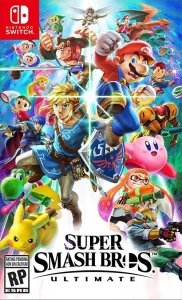
Super Smash Bros Ultimate Switch NSP XCI refers to Nintendo’s action and fighting game for Nintendo Switch, released on December 07, 2018. Published by Nintendo and developed by Bandai Namco Studios, it brings together a broad cast of fighters for fast platform-based battles, solo challenges, and multiplayer sessions. The game is available across Europe, USA, Asia, and Japan, with English, Japanese, French, German, Italian, and Spanish language support.
Super Smash Bros. Ultimate at a Glance
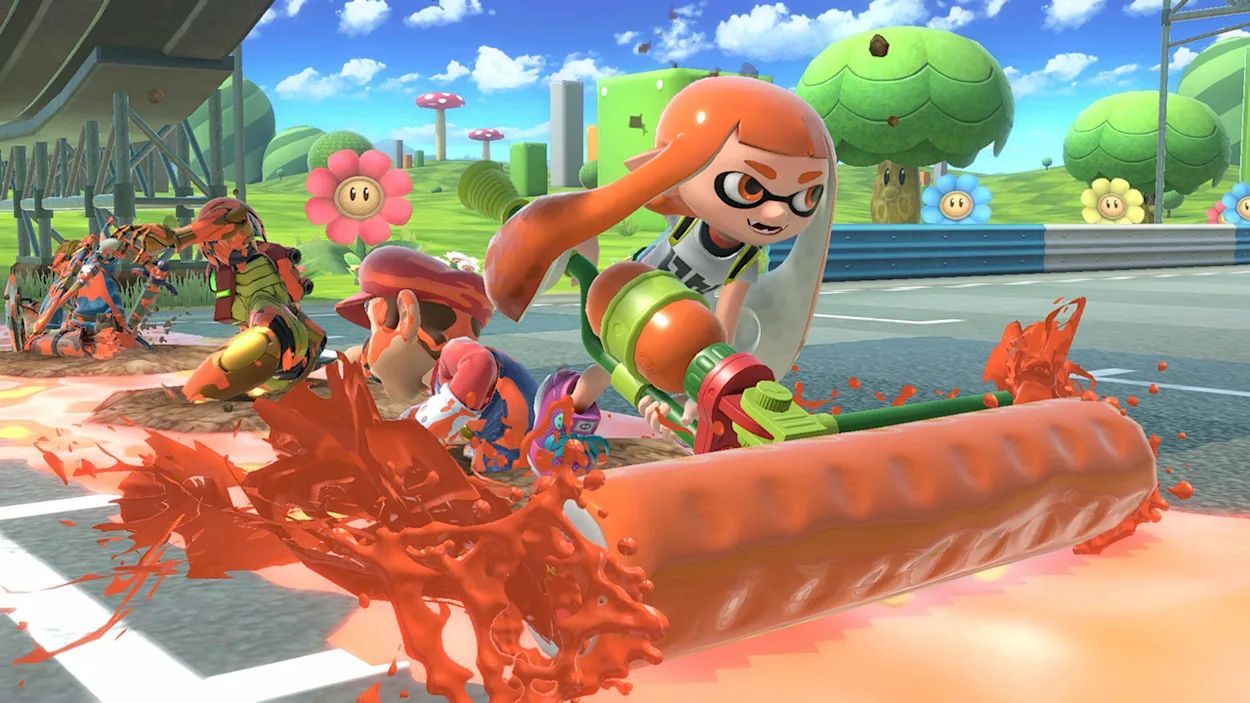
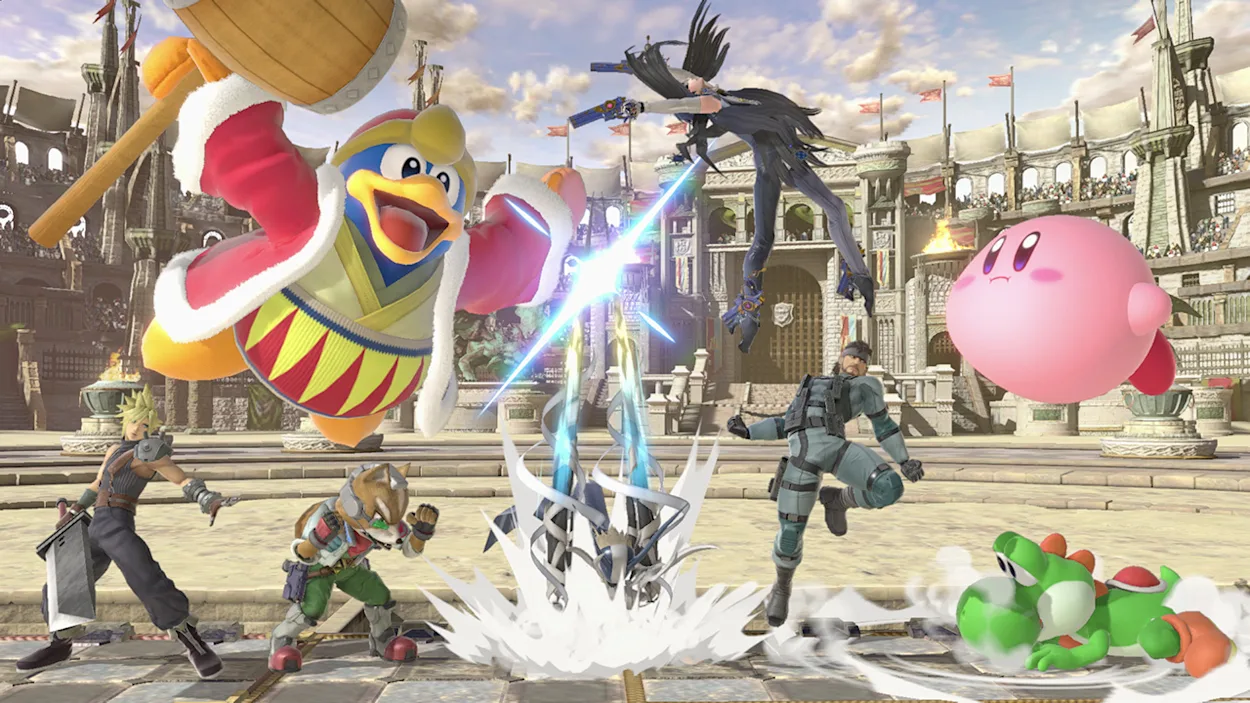
As a Nintendo Switch fighting game, Super Smash Bros. Ultimate is built around lively arena contests rather than conventional health-bar duels. Fighters meet on stages with different layouts, hazards, and opportunities for movement, creating matches where positioning matters as much as direct attacks. The presentation is driven by recognizable characters, busy stages, items, and abrupt momentum shifts that can turn a close match in seconds.
Bandai Namco Studios developed the game for a format that supports both short individual matches and longer sessions built around unlocking fighters, working through challenges, or exploring the adventure content. Its 14GB file size and listed base firmware requirement of v8.1.0, with update firmware v13.1.0, place it within the Nintendo Switch catalog of large-scale fighting releases. More importantly, its structure gives players several ways to engage: competitive matches, CPU battles, local play, online matches, and World of Light.
The exact phrase Super Smash Bros Ultimate Switch NSP XCI is often used to identify this release, but the game itself is defined by its expansive fighting roster and its emphasis on accessible controls with room for tactical improvement.
Galeem and Dharkon in the Adventure’s Central Conflict
The Super Smash Bros Ultimate story is most clearly presented through World of Light, an adventure mode centered on a crisis affecting the game’s universe. Galeem emerges as a major threat, capturing most fighters and turning them into spirits under its control. Kirby survives and begins the effort to free allies, rebuild the available roster, and push back against the force behind the devastation.
World of Light has a different pace from a standard match sequence. Players travel across an overworld map, face spirit-possessed fighters, solve route-based puzzles, and open paths toward new encounters. Victories can add allies and create access to further sections of the map. Spirits also play a role in character progression within the mode, granting stat boosts and special abilities that can help shape an approach to difficult battles.
The adventure steadily moves toward confrontations involving Galeem and Dharkon, described as the master of darkness. Their conflict gives World of Light a central sense of purpose: restoring balance after the fighters have been overtaken. That framework makes solo play feel less like a disconnected set of bouts and more like a journey through changing locations and escalating challenges.
How Platform-Fighter Battles Work
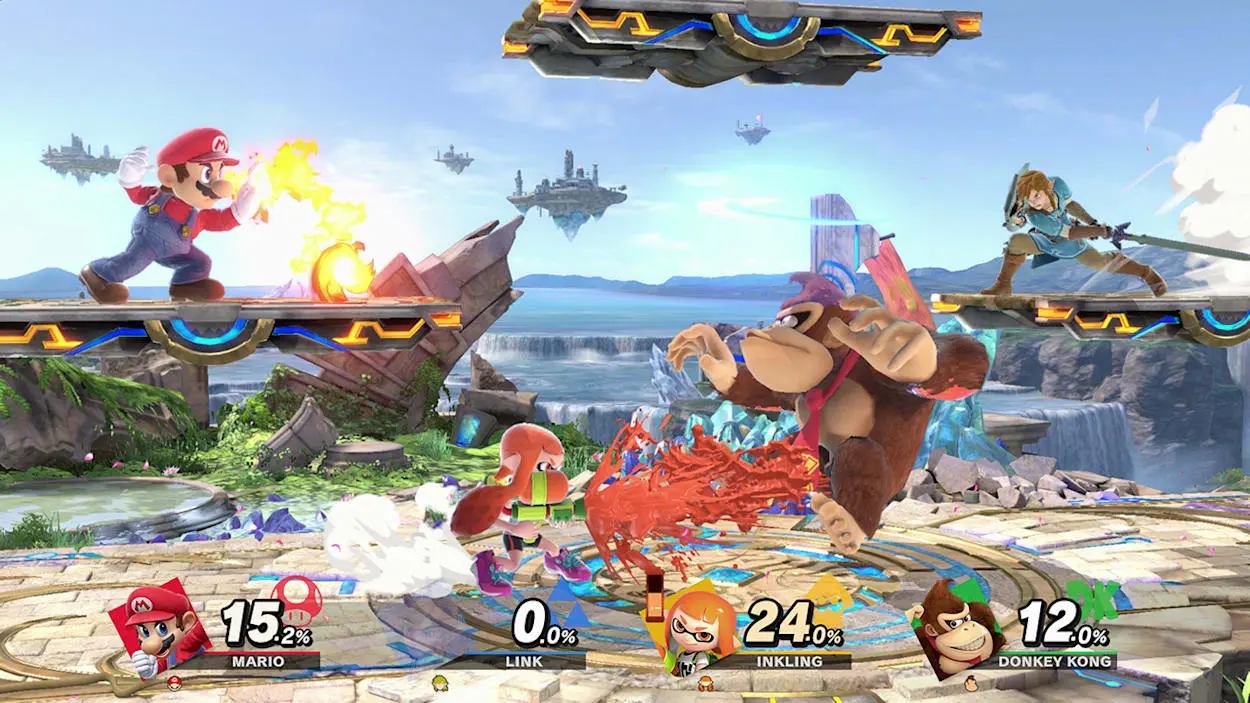
Super Smash Bros. Ultimate is a platform fighter, meaning the goal is usually to launch opponents beyond a stage’s boundaries rather than reduce a health bar to zero. Each successful hit raises an opponent’s damage percentage. As that percentage climbs, attacks have greater potential to send the rival farther, making recovery and stage control increasingly important.
Matches reward players who can recognize when to build damage and when to attempt a decisive launch. Powerful smash attacks are useful for forcing opponents away from the stage, while lighter attacks can create openings or keep pressure on a rival. Movement has equal importance: players jump between platforms, pursue opponents in the air, and try to return safely after being knocked away.
Aerial maneuvers add another layer to these confrontations. Airborne attacks can interrupt a recovery, extend pressure, or challenge an opponent trying to control space above the ground. Stages can also alter the rhythm of a battle through changing layouts and environmental hazards. Items, including Smash Balls and assist trophies, introduce further swings in momentum, encouraging players to stay alert rather than rely on a single routine.
A Roster Built Around Distinct Fighting Styles
The Smash Bros roster includes over 80 fighters, bringing together returning characters from earlier Smash Bros. games alongside new challengers. The size of that lineup supports experimentation. A player may choose a fighter for direct power, quick movement, aerial pressure, or another style that fits personal habits in a match.
No two fighters are presented as interchangeable. Learning individual fighter movesets means understanding which attacks work best at close range, which options cover the air, and which moves are suited to launching an opponent after their damage percentage has risen. The game’s breadth can be inviting for casual groups, but it also gives dedicated players plenty to study as they refine timing and decision-making.
That variety supports replay value without requiring every match to feel the same. A change in fighter, stage, item selection, or opponent can reshape the flow of a battle. Players looking for immediate local competition can pick up a familiar character, while those drawn to practice can spend more time finding a moveset that feels natural.
Modes for Solo Challenges and Multiplayer Battles
The game includes several activities beyond a single standard match. Classic arcade modes offer structured solo challenges, while tournaments provide another organized way to stage battles. CPU opponents make it possible to practice without another player present, and World of Light supplies the larger adventure path with exploration, spirits, and character progression.
For groups in the same place, local multiplayer supports the series’ energetic social side. Stages, items, and the large fighter selection can make these matches unpredictable, particularly when players have different levels of experience. Online matches extend that competitive option to players around the world.
This range makes the game suitable for people who want quick rounds with friends, players who prefer solo objectives, and competitors who enjoy testing their skills against other people. The core rules remain clear, but the available modes offer different contexts for learning them.
5 Practical Steps to Improve in Super Smash Bros. Ultimate
- Learn one fighter first. Spend time identifying that fighter’s basic attacks, stronger options, and recovery tools before constantly switching characters.
- Practice smash attacks. Use these powerful moves with purpose, especially when an opponent’s damage percentage is high enough for a launch to matter.
- Refine aerial maneuvers. Air attacks help contest platforms, pressure opponents, and interfere with recoveries near the edge of a stage.
- Read the percentage. Higher damage percentage makes a fighter easier to launch, so adjust from damage-building attacks to finishing attempts when the moment is right.
- Respect the stage. Watch platform positions, changing layouts, hazards, and items, then adapt your stage strategy instead of treating every arena the same.