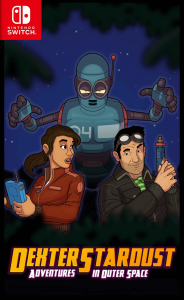
Dexter Stardust: Adventures in Outer Space SWITCH NSP
Report Link Error
Select the broken download file, then submit the report.
Screenshots
About Game
Dexter Stardust: Adventures in Outer Space SWITCH NSP brings a classic point-and-click format to Nintendo Switch with an energetic science-fiction setting. Its journey combines object-based puzzles, eccentric conversations, hand-drawn locations, and a story about one survivor trying to avert another alien disaster. For players drawn to humorous space adventures that reward attention rather than reflexes, Dexter’s trip across the galaxy has the familiar structure of a traditional adventure game while keeping its focus on a larger interstellar mystery.
A Cosmic Point-and-Click Adventure on Nintendo Switch
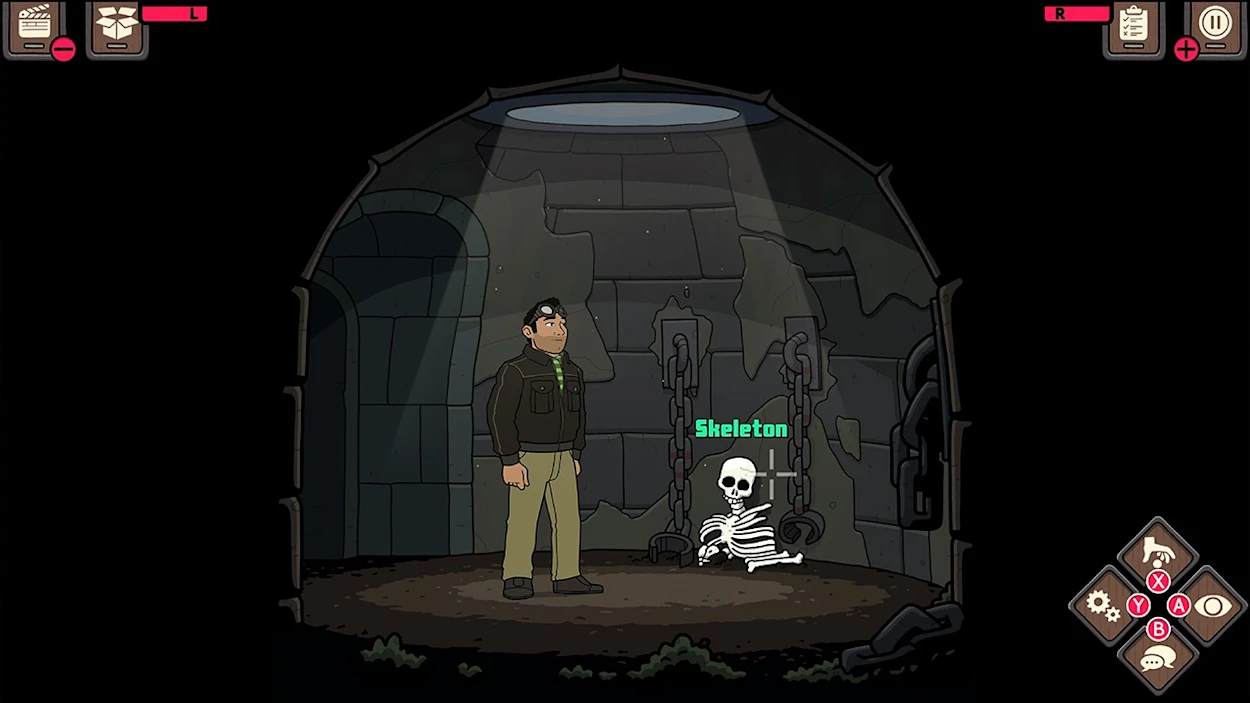
Dexter Stardust: Adventures in Outer Space is an action, adventure, education, and puzzle title built around recognizable point-and-click interactions. Players explore locations, inspect their surroundings, collect useful objects, and use those items to overcome obstacles that block the next part of the story. The format makes exploration central: progress often depends on noticing an object, understanding its possible use, or finding the right person to question.
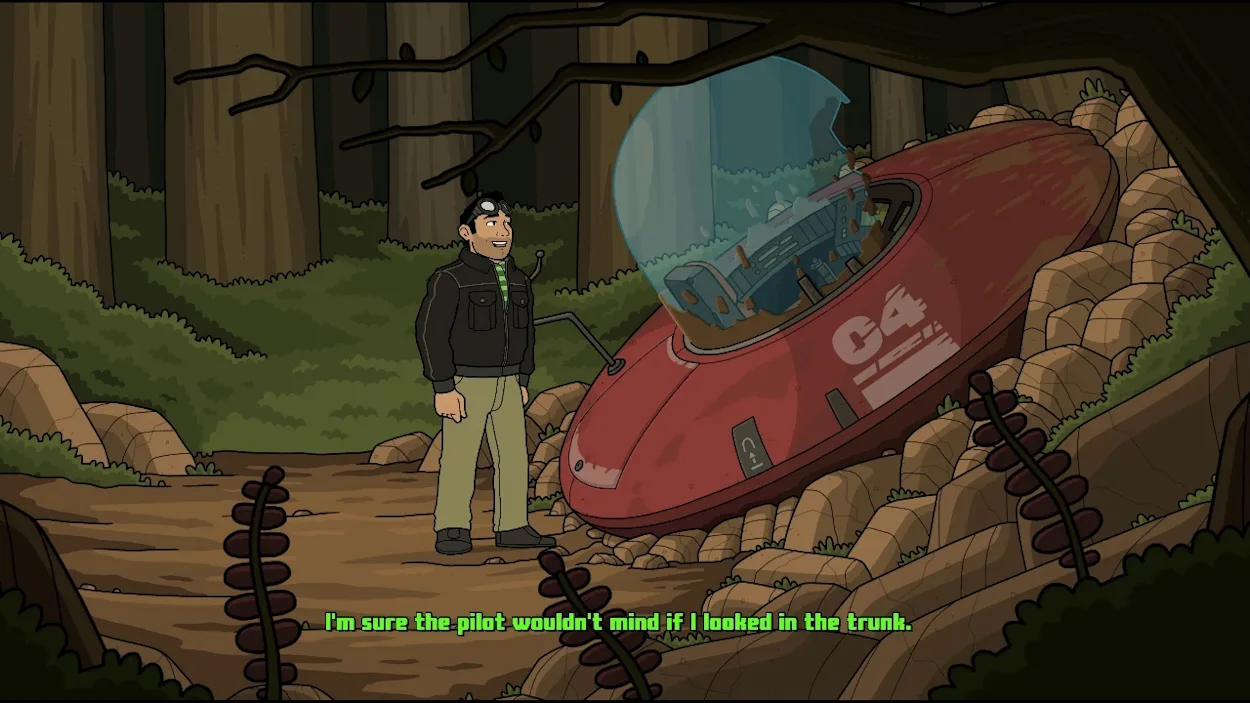
The game’s science-fiction framing gives those familiar mechanics a colorful destination. Dexter travels through alien settings and spaceships rather than ordinary streets or old mansions, meeting unusual characters as the plot moves from one episode to the next. Its humor and dialogue are important parts of the experience, not merely pauses between puzzles. Conversations can supply clues, expand the setting, and give the journey a lighter tone even as its stakes concern humanity’s future.
There is also a sense of forward movement suited to the genre. Each solved environmental problem, discovered item, or newly opened dialogue path pushes Dexter closer to the answers behind the crisis. The game is structured across five episodes, providing a chapter-like progression through its cosmic adventure.
Dexter’s Mission to Stop the Vreesian Threat
The Dexter Stardust story begins with a severe loss: Dexter is the only human survivor of an attack by the mysterious Vreesian alien menace. His immediate purpose is to prevent a second invasion and, in doing so, save humanity. That premise gives the game a clear objective while leaving room for its more playful characters and comic dialogue.
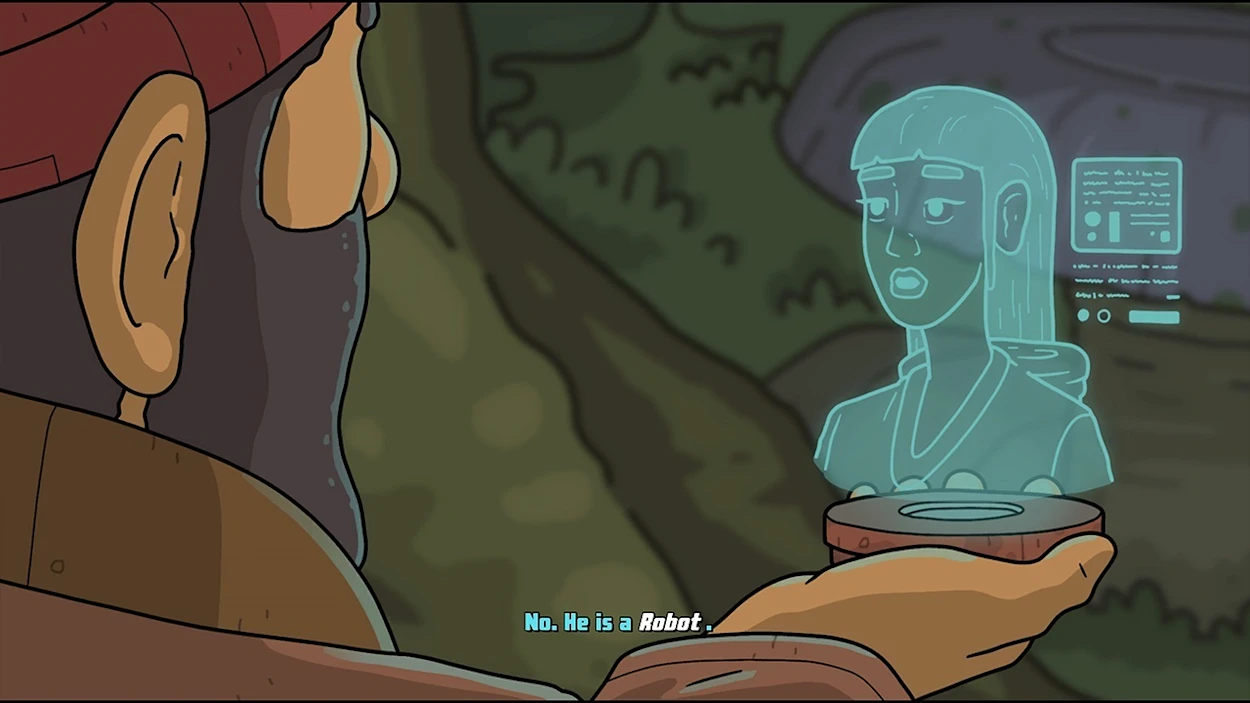
The mission grows beyond a simple effort to repel an enemy. Dexter encounters the mystery surrounding a robot race, and the secrets connected to that mystery complicate the wider picture. As he investigates, the narrative gradually links the Vreesians, ancient discoveries, and the nature of the robot civilization. The result is a sci-fi adventure game that uses a personal survivor’s perspective to guide players through a broader galactic problem.
Because information is often delivered through exploration and dialogue, the story encourages players to stay engaged with the people Dexter meets. A character who appears to be a comic detour may also provide a useful lead, context for an alien location, or a hint about the next step. The narrative’s appeal lies in that balance of looming invasion, curious lore, and deliberately offbeat encounters.
Hand-Drawn Alien Worlds and Spaceship Locations
The presentation supports the game’s classic adventure style through diverse hand-drawn alien landscapes and spaceship locations. These are not just backgrounds for moving between puzzles. They are the spaces players must read carefully, searching for interactive details and considering how objects, machinery, and characters may connect.
Spaceship exploration naturally fits a story about a galaxy-wide threat, while the alien environments help vary the journey from episode to episode. The hand-drawn approach gives the game a crafted, illustrated quality that suits its humor and its nostalgic point-and-click structure. Fully voiced characters further shape the atmosphere, making dialogue scenes part of the game’s presentation as well as its clue system.
For an audience that enjoys traditional adventure-game pacing, this design can be especially appealing. Rather than rushing through combat-focused encounters, players spend time looking, listening, testing ideas, and piecing together what each location is asking of them.
Why Careful Observation Matters in Dexter Stardust
Careful observation is the most useful habit to bring into Dexter’s adventure. Key objects and puzzle details may be visible in a scene without immediately announcing their importance. Before leaving a location, it is worth examining the full screen and checking objects that seem decorative, unusual, or out of place. Adventure game clues are often embedded in the environment, a piece of dialogue, or the relationship between two items.
Inventory use is equally important. Dexter can collect objects and combine them to create tools or solutions, so an item that seems unhelpful on its own may become meaningful when paired with something else. Experimentation is part of the intended puzzle-solving rhythm, especially when an obstacle has no obvious single answer.
Conversations deserve the same patience. Dialogue trees can reveal lore and practical hints, and new options may appear after certain events. Returning to a character after acquiring an item or completing another task can change what they have to say. When progress slows, revisiting a previously explored area and speaking with its inhabitants again can be more productive than searching only for a new destination.
5 Practical Puzzle-Solving Habits for the Journey
- Scan every scene. Examine each screen before moving on, paying attention to small visual details, unusual objects, and parts of the environment that may be interactive.
- Keep the inventory active. Review collected items regularly instead of treating them as completed tasks. A tool may have a purpose in a location far from where it was found.
- Try combinations. Combine items that appear unrelated when a puzzle seems blocked. Point-and-click solutions can depend on creating a new tool from existing inventory objects.
- Repeat conversations. Speak to characters again after major events, new discoveries, or inventory changes, since fresh dialogue may reveal a clue or advance a task.
- Step away briefly. If a puzzle stalls, take a short break and return with a fresh view of the scene. A missed environmental detail can be easier to spot after resetting your attention.
These habits also support replay value in a modest but meaningful way. A return visit can make it easier to appreciate how clues, objects, and conversations were arranged along the path through the five episodes. Players already familiar with the solutions may notice dialogue details or environmental setups that were less clear during a first pass.
Release and Platform Facts for Dexter Stardust
Dexter Stardust: Adventures in Outer Space SWITCH NSP is best suited to players who enjoy narrative-led puzzles, item experimentation, and dialogue-heavy exploration. Its blend of hand-drawn sci-fi settings, voiced characters, five-part progression, and a save-humanity mystery gives the game a clear identity within the Nintendo Switch point-and-click adventure space.