Subnautica Switch NSP
Report Link Error
Select the broken download file, then submit the report.
Screenshots
About Game
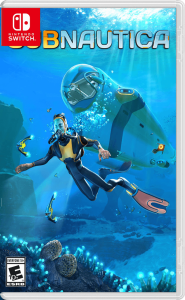
Subnautica Switch NSP brings an alien-ocean survival adventure to Nintendo Switch, combining quiet exploration with the constant pressure of staying alive. Its world is beautiful, unfamiliar, and frequently dangerous: every new depth can offer useful materials, story clues, or a threat that changes the next expedition.
Subnautica on Nintendo Switch: Release Details and Supported Regions
Subnautica launched on Nintendo Switch on May 14, 2021. Developed and published by Unknown Worlds Entertainment, it is classified as an adventure game, though its moment-to-moment design is shaped by survival systems, crafting, exploration, and base construction.
The Switch release is listed for Europe, the USA, Asia, and Japan. Supported languages include English, German, Spanish, French, Italian, Japanese, Korean, Portuguese, Russian, and Chinese. The base game is associated with firmware version 11.0.1, while the update is associated with version 15.0.1.
The appeal of Subnautica Switch NSP is not built around a fast series of missions or a fixed route through its world. It is a slower, more personal adventure in which a short dive for food, minerals, or a new blueprint can become an unexpected encounter with a much larger mystery. The handheld setting also suits its rhythm: survey a reef, return to safety, improve equipment, then push a little farther beyond familiar territory.
A Survival Story Beneath the Ocean of Planet 4546B
The Subnautica Switch story begins after the Aurora, a starship on a deep-space mission, suffers a catastrophic crash. The player survives in an escape pod and finds themself stranded in the enormous ocean of Planet 4546B. There is no established settlement waiting nearby, no simple path home, and little room for carelessness.
Survival initially depends on salvaging what can be found in the wreckage and on the ocean floor. Yet the narrative grows beyond the immediate problem of food, water, oxygen, and shelter. As exploration reaches new areas, PDA entries, data logs, strange structures, and other discoveries point toward an ancient alien civilization. They also reveal signs of a mysterious plague and suggest that earlier expeditions met troubling fates.
This approach gives the story a sense of gradual discovery. Planet 4546B is not explained all at once. Clues arrive in fragments, often after a player has earned access to a dangerous region or finally built the right equipment for a deeper descent. The eventual aim is clear enough—survive and find a way to escape—but the route is defined by curiosity, preparation, and the unsettling realization that the planet has a history of its own.
Exploring the Open Ocean and Its Distinct Biomes
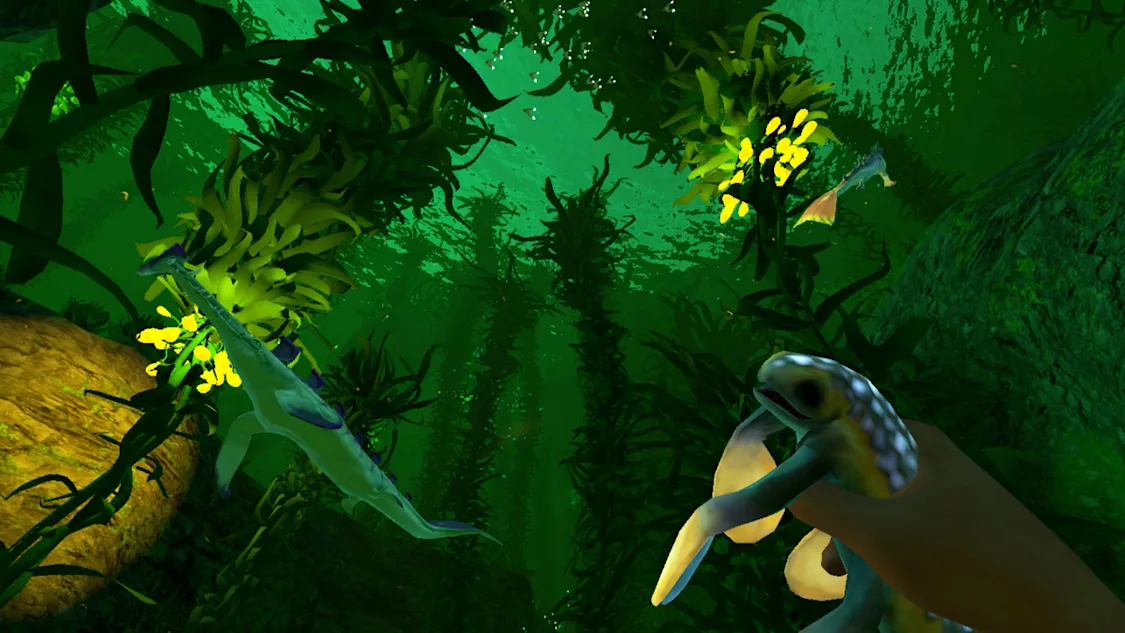
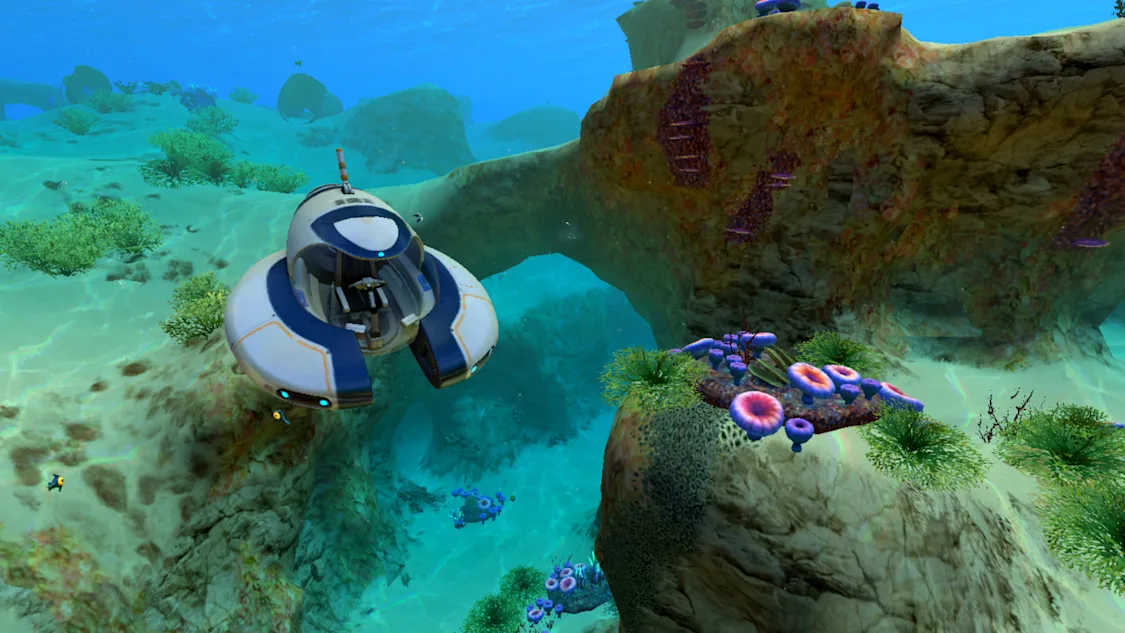
Subnautica Switch exploration is centered on a broad open ocean populated by alien flora and fauna. Early dives can feel almost peaceful among shallow coral reefs, where light and visibility make it easier to gather basic supplies. That comfort is temporary. The farther a player travels from familiar water, the more the environment asks for attention and planning.
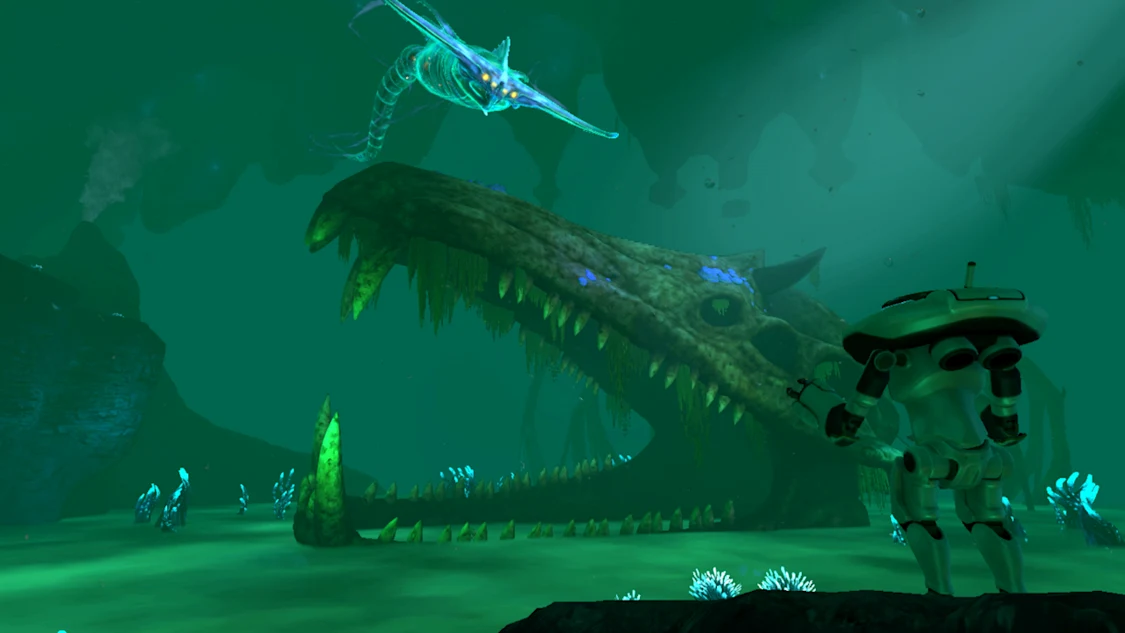
The world includes biomes that progress from comparatively approachable shallows to deep-sea trenches. New locations can contain valuable materials and important discoveries, but they can also introduce crushing depth, reduced visibility, aggressive creatures, and the practical risk of being far from oxygen or shelter. The ecosystem includes harmless fish as well as intimidating leviathan-class creatures, making observation as useful as speed.
Its atmosphere comes from this contrast. A colorful stretch of ocean may invite relaxed exploration one moment, then become tense when a distant sound, an unfamiliar silhouette, or a dwindling oxygen supply changes the mood. The ocean is open enough to reward wandering, but its dangers give each journey a purpose. Progress is often measured less by a checklist than by the confidence to enter a place that once seemed unreachable.
Crafting Tools and Upgrades for Deeper Dives
Crafting provides the practical structure behind that exploration. Materials collected from the seafloor, wreckage, and different biomes can be turned into equipment that makes survival more manageable. Basic needs must be addressed first: oxygen, food, water, and the ability to move safely through the environment.
From there, the player can create essential tools and more advanced equipment. These upgrades expand what can be explored and how long an expedition can last. Better preparation makes it possible to work farther from the escape pod, investigate deeper regions, and respond more effectively to the hazards found there.
Vehicles are another meaningful step in progression. The Seamoth and Cyclops can be piloted to reach greater depths, shifting the scale of exploration beyond what is comfortable on a single swim. Their usefulness does not eliminate danger, however. Vehicle charge still needs attention, and entering a dangerous biome with insufficient supplies can turn a promising trip into a difficult return journey.
This loop gives the game lasting momentum. Discovering a new material can lead to a new tool; that tool can open a deeper biome; that biome can reveal more resources, structures, or story information. The satisfaction lies in seeing earlier limits gradually give way through careful scavenging and smart upgrades.
Building an Underwater Base for Safety and Storage
Base building turns a temporary survival effort into something more dependable. An underwater habitat can provide safety, storage, and a stable point from which to organize future excursions. In a world where every supply run carries risk, having a reliable place to return to is more than decorative.
Players can build and customize habitats with different modules and decorations. Observation domes provide a view into the surrounding water, while moonpools support the broader routine of vehicle-based exploration. These additions help make a base feel like a lived-in refuge rather than a simple storage point.
A well-placed habitat also changes the flow of the game. Instead of treating every trip as a long route back to the starting area, players can establish a safer operating point near useful resources or a region they want to investigate. The construction system supports both function and personal expression, allowing a base to reflect how cautiously or ambitiously someone wants to explore the ocean.
7 Early Survival Priorities for a Safer Start
- Gather the basics first. Collect materials from the ocean floor and nearby wreckage so essential tools and survival supplies are within reach.
- Choose a sensible base location. A well-placed habitat offers safety and important storage while reducing the pressure of repeated long-distance returns.
- Track oxygen closely. Oxygen is a constant limit during early dives, especially when a promising discovery tempts you to stay below longer.
- Carry an extra O2 tank. An additional tank can provide valuable breathing room when a route is longer than expected or a search takes time.
- Watch vehicle charge. The Seamoth and Cyclops help reach greater depths, but their charge should be considered before committing to a distant trip.
- Learn each biome’s risks. Resource-rich areas may also contain aggressive creatures, harsher depth conditions, or other environmental dangers.
- Prepare before descending. Bring suitable supplies, tools, and upgrades before heading into deeper water, where a lack of preparation becomes much harder to correct.
Subnautica is particularly suited to players who enjoy discovery guided by survival decisions rather than a rigid pace. Its replay value comes from the freedom to explore in different directions, establish habitats in different locations, and approach preparation with greater knowledge on later journeys. Planet 4546B remains compelling because every descent asks the same uneasy question: how far can you go before the ocean demands more than you have brought?