Story of Seasons: A Wonderful Life Switch NSP
Report Link Error
Select the broken download file, then submit the report.
Screenshots
About Game
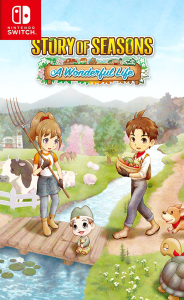
Story of Seasons: A Wonderful Life Switch NSP places a rural life story in Forget-Me-Not Valley, where an inherited farm becomes the starting point for years of work, friendship, and family. Developed and published by Marvelous, this Japanese-language role-playing and simulation game presents farming as part of a longer personal journey rather than a simple race for profit.
A New Life in Forget-Me-Not Valley
Forget-Me-Not Valley is a small countryside community built around familiar routines and local connections. The player arrives with an inherited farm that needs attention, offering a clear early purpose: restore the property, establish a daily rhythm, and make a home outside the pressure of city life.
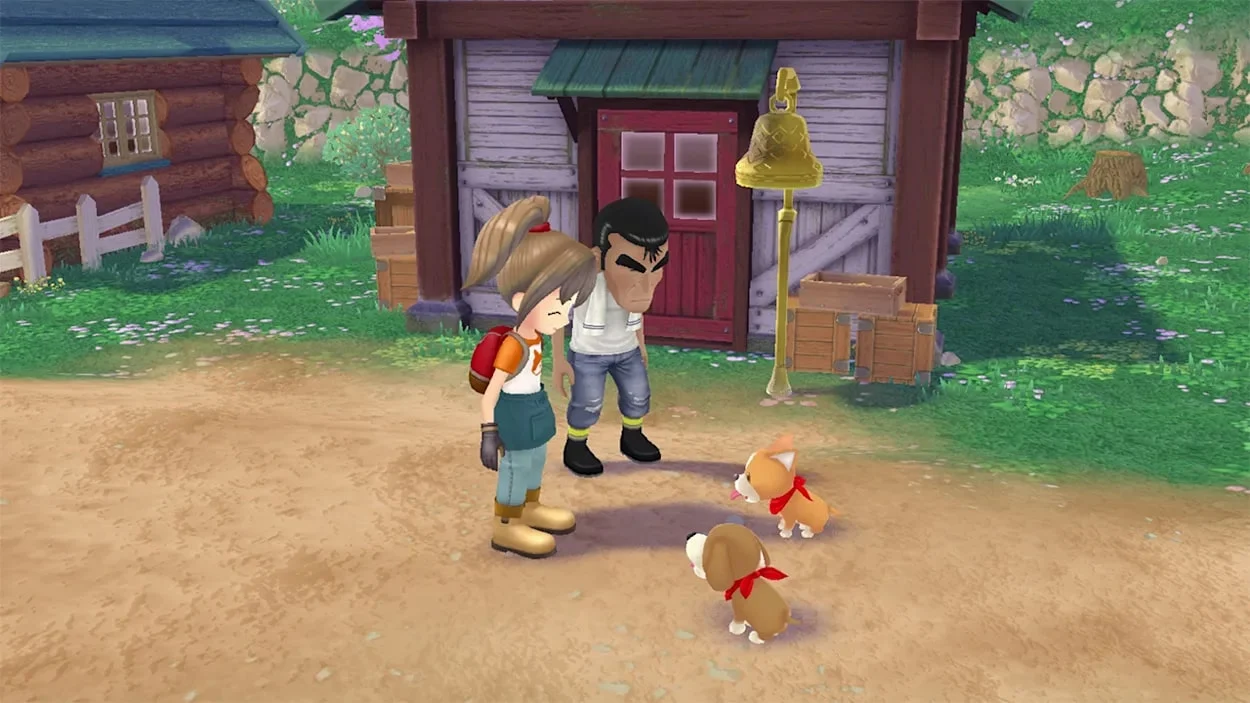
The setting supports a quieter pace. Much of the experience comes from deciding how to spend each day, balancing work on the land with time spent getting to know the valley’s residents. The community is populated by distinctive neighbors, and the farm gradually becomes more than a workplace. It is the center of a new life that develops over passing seasons and years.
This structure gives the game a reflective atmosphere. Progress is not limited to expanding the farm or collecting goods. The changing shape of the player’s life, including the people around them, is part of the intended experience. The reimagined presentation and updated graphics support that warm, rural setting without changing the focus on the valley itself.
Farming Across the Seasons
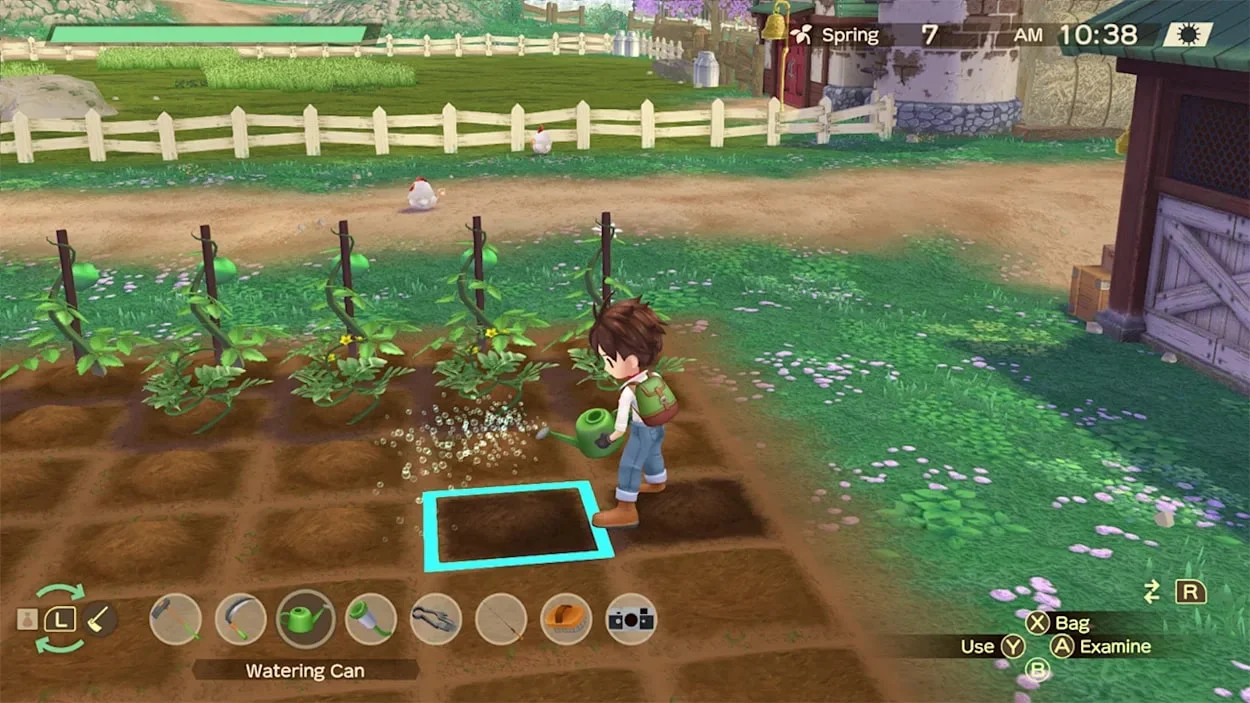
Crop farming provides the regular foundation of life on the farm. Players plant seeds, water growing crops, and gather the results at harvest time. Farm tools and different techniques are used throughout this routine, while the changing seasons influence the flow of work.
There is a satisfying practical rhythm to these tasks. A day may begin with checking planted crops, followed by watering and preparing for later harvesting. The game includes a range of produce, from standard vegetables to special hybrid crops created by combining seeds. Those hybrids add another layer to the growing process, giving players a reason to experiment with what they plant.
Seasonal change also keeps the work from feeling entirely fixed. Farming is an ongoing responsibility, and the player must adjust their attention as time passes. Rather than presenting the farm as a static backdrop, the game treats it as a living part of the calendar. Planting, maintenance, and harvesting all contribute to a steady sense of progression.
Animal Care and Farm Products
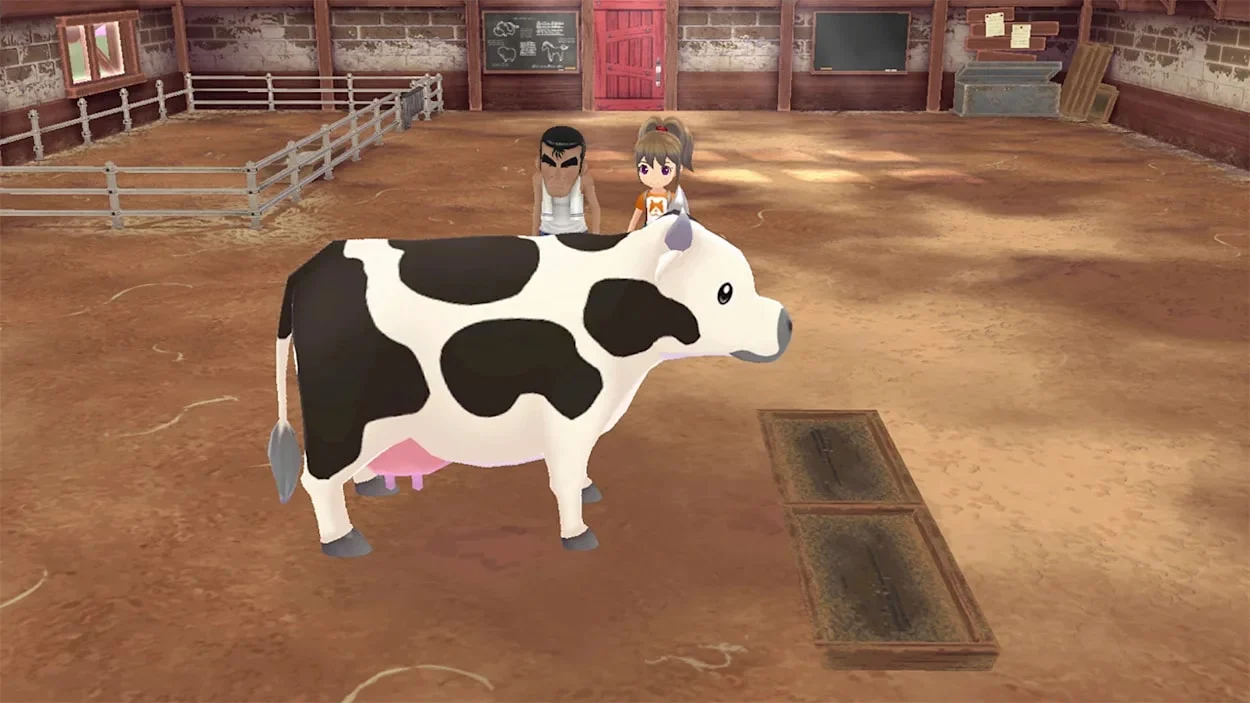
The farm is also shaped by animal care. Cows, sheep, and chickens each contribute useful products while asking for regular attention. Cows can be milked, sheep can be sheared for wool, and chickens provide eggs. These goods may be sold or used in cooking recipes, connecting livestock work to other parts of daily life.
Looking after animals changes the feel of the routine. Crop work is tied closely to fields and seasons, while animals bring recurring tasks that make the farm feel occupied from day to day. Feeding, tending, collecting products, and deciding how to use those products creates a dependable second branch of farm management.
The combination of crops and livestock gives the player several ways to approach the property. A productive farm can come from harvested plants, milk, wool, eggs, and the meals prepared from gathered ingredients. It is a simple but effective loop: care for the farm, collect what it produces, and use those resources to support the next stage of life in the valley.
Building Relationships in the Valley
Life in Forget-Me-Not Valley is not only about work. Relationships with local residents develop through conversations, gift giving, and participation in festivals. Taking time to speak with people is as meaningful as tending fields, because social bonds can unlock special events and reveal more of the valley’s story.
Gift giving offers a direct way to strengthen those connections, while festivals provide moments when the community’s routines come together. These interactions encourage players to learn who their neighbors are and to return to them over time. The game’s social side is not separate from its farming simulation; it is part of the same daily schedule.
That emphasis also makes individual choices feel personal. A player who spends more time talking, offering gifts, or joining local occasions will build different connections than one focused almost entirely on farm work. The result is a life-management structure where relationships help shape the tone and direction of the experience.
Marriage, Family, and a Growing Legacy
The game’s most distinctive progression reaches beyond the early farming years. Players can choose a spouse, enter marriage, and build a family. The story continues through multiple stages of life, making the farm and the valley part of a much longer personal history.
Raising a child is central to that extended structure. The child grows through different life stages, and their development is influenced by the player’s actions and relationships. The people met in the valley, the work done on the farm, and the choices made over time all contribute to this sense of a developing household.
This generational focus gives the game a lasting sense of legacy. Years turn into decades, and the player is able to see consequences that extend beyond a single season or harvest. It also adds replay value through the possibility of different relationships, family paths, farm priorities, and personal routines. The game is especially suited to players who enjoy calm simulation systems, social storytelling, and progression that unfolds gradually.
7 Daily Activities That Shape Life in A Wonderful Life
- Tend the fields: Plant seeds, water crops, and return later for harvesting as the seasons change.
- Care for livestock: Look after cows, sheep, and chickens while collecting milk, wool, and eggs.
- Speak with residents: Build familiarity with the people of Forget-Me-Not Valley through regular conversations.
- Offer gifts: Use gift giving to strengthen relationships and work toward special events.
- Fish and forage: Search rivers, ponds, and the surrounding wild areas for fish, plants, and other items.
- Visit the dig site: Unearth fossils, coins, and ancient artifacts for collection or profit.
- Cook useful meals: Combine farm produce and foraged ingredients into dishes that improve health and stamina.
Story of Seasons: A Wonderful Life Switch NSP is defined by how these small activities connect. A harvested crop can become part of a meal, animal products can support the farm, and a conversation can lead to a stronger relationship or a new event. Its 938MB Japanese release is listed for Nintendo Switch with Title ID 0100936018EB4000, released in Japan on January 26, 2023.