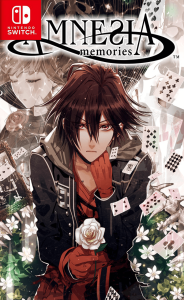
Amnesia: Memories Switch NSP
Report Link Error
Select the broken download file, then submit the report.
Screenshots
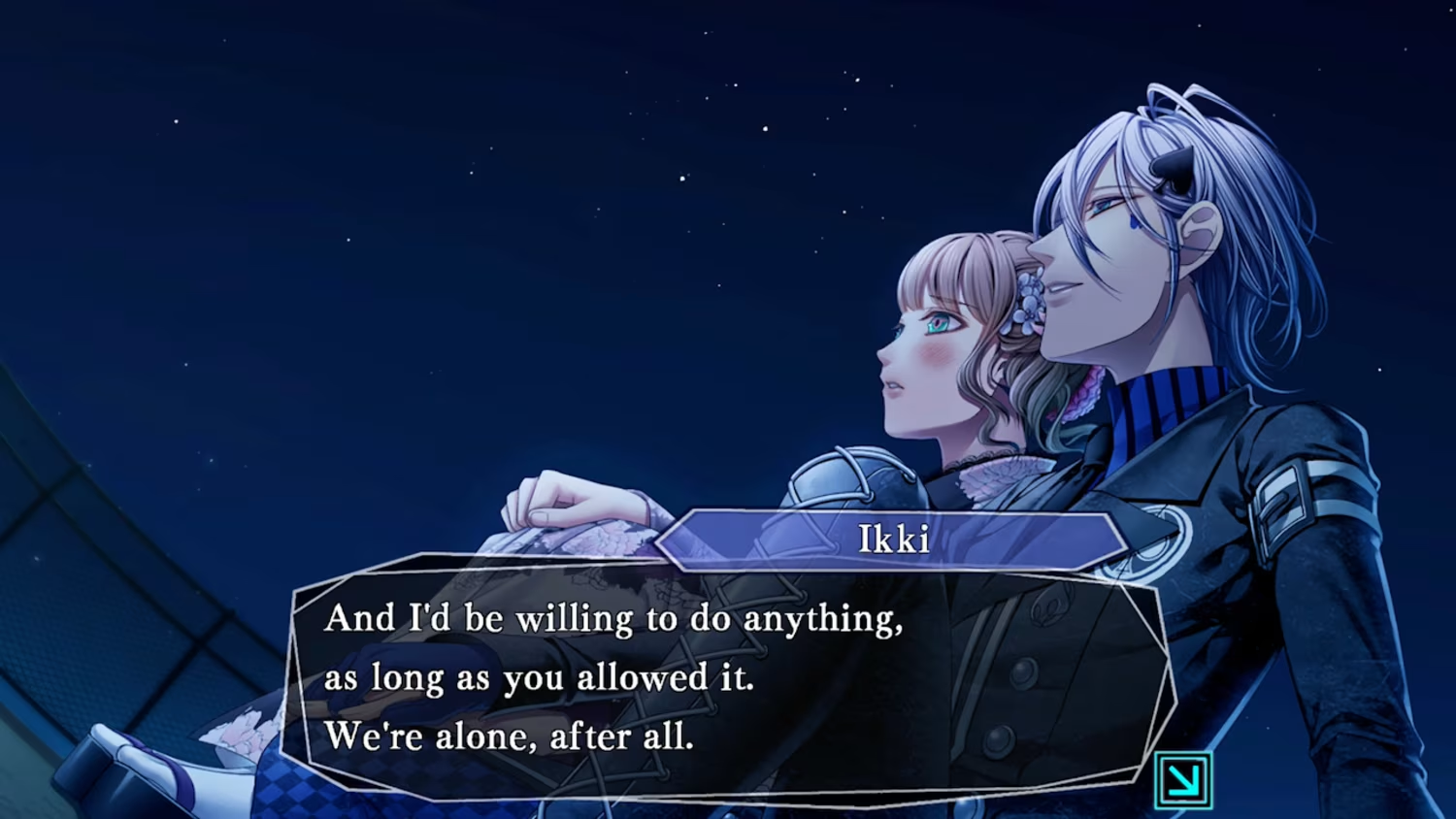
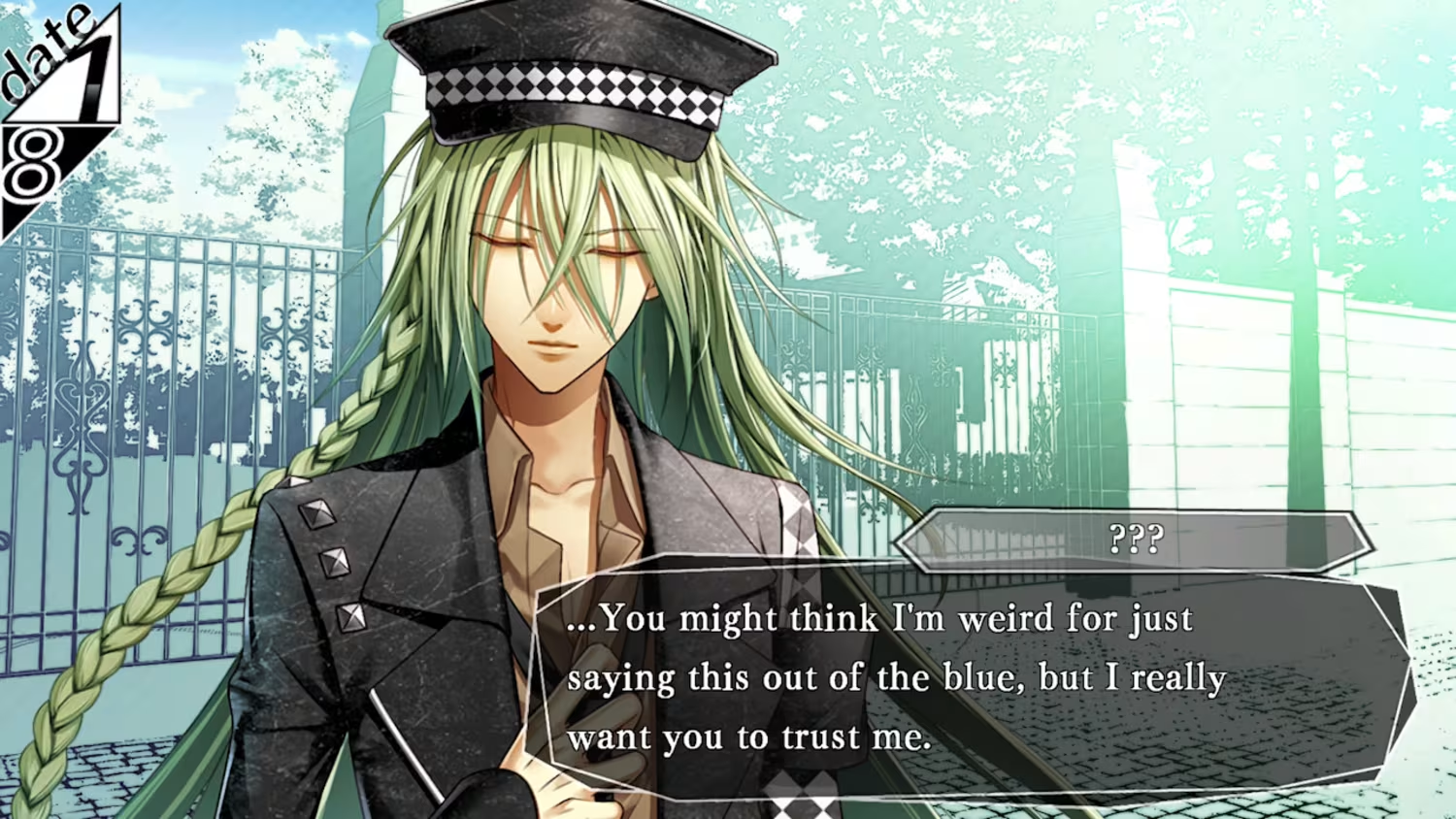
About Game
Amnesia: Memories Switch NSP brings Idea Factory’s otome visual novel to Nintendo Switch with a story built around uncertainty, relationships, and carefully chosen responses. Released on September 20, 2022, this English-language edition is available in Europe and the USA, placing players in the role of a young woman whose entire past has vanished.
Amnesia: Memories on Nintendo Switch: Release and Game Details
Published and developed by Idea Factory, Amnesia: Memories arrived on Nintendo Switch on September 20, 2022. Its listed genres—Adventure, Lifestyle, and Simulation—fit a game that spends less time on action and more on conversation, observation, and the consequences of social decisions.
The Switch release supports English and is listed for the Europe and USA regions. Its focus is firmly narrative-driven: players read scenes, follow the heroine through unfamiliar situations, and decide how she should respond when the people around her seem to know far more about her life than she does.
That setup gives the game a deliberately uneasy atmosphere. The heroine must act as though she understands her own friendships, work, and romantic connections while privately trying to reconstruct the truth. Familiar faces cannot be taken at face value when she has no memories to confirm who they are—or who she used to be.
An Amnesiac Heroine and a Race to Recover the Past
The Amnesia: Memories story begins on August 1, when the protagonist awakens without any recollection of her identity, history, or relationships. She is joined by Orion, a mysterious spirit who explains that something has gone wrong and assists her as she tries to recover what was lost.
Her deadline is August 31. During that month, she has to gather clues about her former life while maintaining a believable outward appearance. The difficulty is not simply finding lost memories. She must also navigate conversations with people who expect her to remember shared experiences, emotional commitments, and details that have disappeared completely.
This makes each interaction carry a degree of tension. A kind response may strengthen a bond, but it can also reveal that the heroine does not know something she should. A cautious answer might protect her in one moment and create distance in another. The story’s mystery grows from that fragile balance between learning the past and avoiding suspicion in the present.
Five Parallel Worlds, Five Perspectives
The game’s structure is built around five parallel worlds. Each world is associated with a different romantic interest, giving the protagonist a distinct set of relationships, circumstances, and discoveries to work through. Rather than presenting one fixed version of events, Amnesia: Memories uses its routes to reveal different perspectives on the broader mystery.
For players, that means the first route is not designed to explain everything. Each world offers another angle on the heroine’s lost memories and the people connected to them. The route structure also changes the emotional texture of the story, since the central relationship and surrounding dynamics shift from one world to the next.
As an otome visual novel, the game places romance alongside mystery and danger. The romantic interests matter not only because of affection outcomes, but because each route can alter what the heroine learns about her situation. Replaying is therefore part of the narrative design rather than a simple attempt to collect alternate scenes.
- Start from uncertainty: The heroine’s missing memories make ordinary conversations feel like investigations.
- Choose a world: Each of the five parallel worlds centers on a different romantic interest.
- Read the room: Dialogue and action choices influence how characters respond to the heroine.
- Track relationships: Affection and Suspicion parameters affect the direction of a route.
- Follow the consequences: Branches can lead toward different revelations and good or bad endings.
How Narrative Choices Shape Each Route
The visual novel gameplay loop is direct but consequential. Players read dialogue and story scenes, then make decisions at key moments. Those choices can involve what the heroine says, how she reacts, or which course of action she takes. The game’s branching storylines turn these selections into the main form of progression.
There is no need to rush through a route simply to reach an ending. Details in conversations, character reactions, and crucial events can matter later. Because the protagonist begins with no reliable understanding of her own circumstances, even a seemingly small choice may carry more weight than it first appears to.
Amnesia: Memories Switch NSP is therefore best approached with attention to tone as well as plot. A response that sounds reassuring may not suit every character, while a more guarded answer may be appropriate in a route shaped by uncertainty. The pleasure of the format comes from seeing a decision develop into a relationship change, a new branch, or a different outcome.
Affection and Suspicion: Reading Character Reactions
Two important parameters, Affection and Suspicion, help define the heroine’s relationships and route outcomes. Affection reflects the strength of her connection with characters, while Suspicion relates to how much doubt or concern her behavior creates. Since the heroine is trying to conceal her amnesia, these systems closely match the story’s central pressure.
Character reactions become useful signals. Players are encouraged to pay attention to the nuances of an exchange: what a person expects, what appears to upset them, and which choices build trust. These responses are not merely decorative. They are tied to the path a route follows and can influence the endings that become available.
The system gives social scenes a practical purpose without changing the game’s visual-novel identity. Reading carefully is part of play. The heroine’s survival through the month, her ability to understand others, and the condition of her relationships all depend on decisions made through conversation.
Why Multiple Endings Encourage Replayability
Amnesia: Memories includes multiple endings, including good and bad outcomes. Since decisions branch the narrative and each world provides its own perspective, returning to earlier choices can reveal scenes, relationship developments, and results not seen on a first playthrough.
The five-route format gives replayability a clear purpose. One path may answer certain questions while leaving others unresolved; another may place the heroine alongside a different romantic interest and expose a new piece of the larger story. Seeing more than one route helps build a fuller picture of the protagonist’s past.
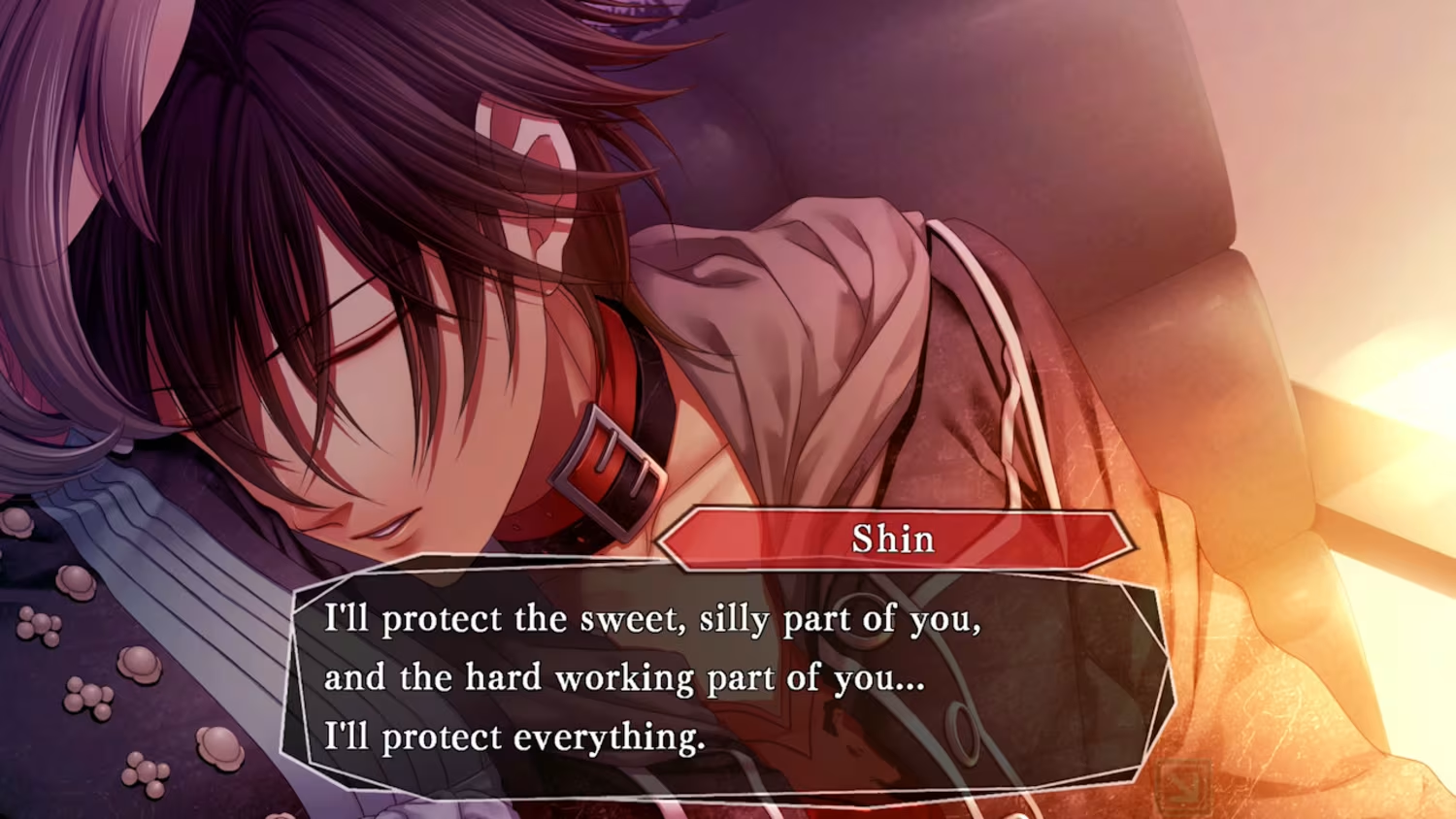
This makes the game a suitable choice for players who enjoy reading-led adventures, romantic route structures, and stories where careful decisions matter. Its presentation combines text-focused scenes with character art and CGs, while its progression rests on memory fragments, branching choices, and the gradual discovery of what happened before August 1.